
Book review
One Dark Window review:
A cursed kingdom, a magical card that could change everything, and a woman sharing her mind with a creature that has no intention of being quiet. Not the sort of roommate you can ask to pay rent.
By Yenny Astrid Londoño · November 11, 2026 · 7 min read
Share
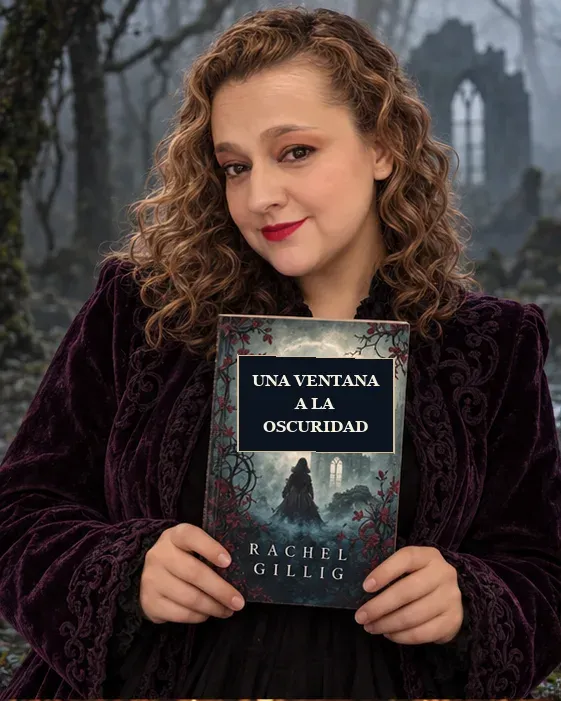
The Book
One Dark Window
Romantasy
by Rachel Gillig
More reviews by Rachel Gillig →
4 out of 5 stars
Elspeth and the Curse give me the most different hook in the novel, and the atmosphere of Blunder holds up the mystery.
If you buy through this link, Yenny earns a small commission and you pay the same price.
Elspeth Spindle survives with a secret: a creature called the Nightmare lives inside her mind after dark magic made her ill. When she meets Ravyn Yew, their search for Providence Cards may help break the curse threatening the kingdom. Rachel Gillig mixes gothic fantasy, costly magic, and romance; the most original idea is the monster inside Elspeth, while the middle section sometimes explains more than it moves.
Elspeth is hiding something worse than a secret
Elspeth Spindle cannot tell just anyone that the Nightmare lives in her mind. The creature appeared after dark magic made her sick, and ever since, her experience of the world has included an inner voice that can protect her, provoke her, and never seems interested in leaving her alone.
The premise gives us something more intimate than a monster waiting in a tower to be summoned. The creature is inside the protagonist, with access to her thoughts and weak spots. Elspeth is not trying to set it free; she has to live with it without losing herself. That conflict has more layers than “there is dangerous magic, please nobody touch it.” It also gives the novel its strangest and most compelling relationship.
The Providence Cards turn magic into a wager
In the kingdom of Blunder, magic is tied to a set of Providence Cards, each carrying abilities and possibilities. Gathering them could help confront the curse threatening the realm, but this is not a sticker collection where every new card just improves the album. These cards come with risk, history, and expectations.
I like that the magic system is visible and carries an emotional cost. Every card raises questions about what it can do, who deserves to use it, and what happens when power lands in the hands of somebody who cannot control the consequences. There is also tension between believing in fate and trying to manipulate it. No answer comes for free; sometimes it arrives with interest, fees, and a monster offering commentary from the waiting room.
A fantasy that smells like a wet forest
Atmosphere is one of Rachel Gillig’s strongest tools. The forest, noble houses, weather, and superstitions create a place that seems to hold more stories than the narration has told us. This is gothic fantasy without turning every scene into a parade of jump scares. The threat lives in what people do not say and in the price attached to a decision.
The setting shapes the characters’ choices. Magic is feared or forbidden, power is divided among families, and survival requires hiding what you know. This is not a world where everyone can be transparent and live happily ever after. I like that. A few names and pieces of history arrive close together, though; read late and tired, and Providence Card number three may start to sound like an overdue credit-card bill.
Ravyn is not here to fix Elspeth’s life
Ravyn Yew has a place among the people protecting the kingdom and a family history that ties him to the search. His alliance with Elspeth connects her private problem to Blunder’s larger political conflict. Their romance grows through distrust and cooperation: there are reasons to move closer and equally good reasons to keep information to themselves.
The chemistry works for me because Elspeth does not lose her own problem when Ravyn appears. She still has to live with the Nightmare and understand where she fits in the magical system. Romance complicates that struggle; it should not erase her autonomy. The relationship sometimes uses familiar ingredients—two attractive people with secrets and plenty of tension—but the setting and the Nightmare keep the recipe from tasting entirely interchangeable.
The Nightmare is more than a clever trick
Elspeth and the Nightmare have an uneven relationship, and that unevenness is the emotional center of the book for me. The presence can warn her about danger and give her access to abilities, but it is not a helpful personal assistant cheering on her goals. There is intimacy, fear, and dependence. If something has saved you more than once, how much power do you hand it before you notice it is changing you too?
The novel explores identity without turning it into a motivational speech. Elspeth can need the Nightmare and fear it at the same time. That contradiction is more interesting than a clean fight between “my real self” and “the bad thing.” I wanted a little more space for the ordinary consequences of sharing thoughts with another presence, but the central idea is very well chosen.
The secrets keep the mystery—with a small fee
The book has plenty of secrets and does not rush to hand them all over. Part of the pleasure is piecing together why the cards matter, what happened to the magic, and how much each character knows. That game supports the dark fairy-tale tone and makes the relationships feel like something to read carefully.
The cost appears when information is withheld for so long that the reader moves from suspicion to wishing somebody would simply talk. A mystery can open questions, but it still needs to give us enough clues to play. In the middle, some explanations slow the momentum just as the search starts moving. I was still interested, but I also wanted the family to hold a meeting and use complete sentences.
What did not work for me
The plot can feel crowded with names, rules, and cards just when the setting and Elspeth have already earned my attention. The search loses speed when the book revisits the same implications from another angle. I would have trusted the reader a little more to understand the threat and used those pages to deepen Elspeth’s decisions instead.
The romance works, but some stages rely on familiar genre moves: attraction, secrets, danger, and an alliance that cannot be fully honest. Elspeth and Ravyn have potential, yet the magical intrigue sometimes takes over and their relationship advances in jumps. I wanted more room between revelations to feel trust changing, not simply be told that it had.
My verdict
One Dark Window hooked me with a heroine sharing her mind with a creature and a magic system where gifts are never free. Elspeth and the Nightmare hold a rich contradiction, while the gothic atmosphere makes Blunder feel sick long before anybody explains the curse.
The novel could clarify a few rules and speed up its middle, but it has a clear identity. I recommend it to readers who want dark romantasy with magic cards, forests, family secrets, and a romance that grows inside a larger problem. And yes, you may want the sequel when you finish; this kingdom does not settle its accounts in one invoice.
My rating
4 out of 5 stars. Elspeth and the Nightmare give the story its most distinctive hook, and Blunder’s atmosphere sustains the mystery. I am taking off a star for repeated explanations and a romantic relationship that could develop more steadily.
Who should read it—and who might not
Read it if you enjoy gothic atmosphere, magic with a cost, heroines hiding something dangerous, and romance tied to the central conflict. If you liked the romantic fantasy in Belladonna, there is also a mystery here, a supernatural presence, and a setting that seems to hide a second story underneath the first.
Skip it if you need the magical rules explained immediately, a constant chase, or a completely standalone fantasy. This begins a duology and leaves plenty of road ahead.
Frequently asked questions
What is One Dark Window about?
Elspeth Spindle lives with a creature called the Nightmare inside her mind and joins a search for magical cards that could help save the kingdom of Blunder.
Who wrote One Dark Window?
Rachel Gillig wrote One Dark Window. Its Spanish-language edition is published as Una ventana a la oscuridad by Editorial Hidra and begins the Shepherd King duology.
Is One Dark Window part of a series?
Yes. It is the first book in Rachel Gillig’s Shepherd King duology; Two Twisted Crowns follows it.
What is the Nightmare in One Dark Window?
The Nightmare is a creature living in Elspeth’s mind after dark magic made her ill. It can help her, but it also has its own will.
What genre is One Dark Window?
It blends gothic fantasy and romantasy, with a cursed kingdom, magical cards, mystery, and a developing romance.
Should I read One Dark Window before Two Twisted Crowns?
Yes. One Dark Window is the first book; Two Twisted Crowns continues the story.
Does One Dark Window end the story?
No. It is the first half of a duology and leaves the larger story to continue in Two Twisted Crowns.
The Book
One Dark Window
by Rachel Gillig
Get the bookIf you buy through this link, Yenny earns a small commission and you pay the same price.
Keep reading
If you liked it, keep going
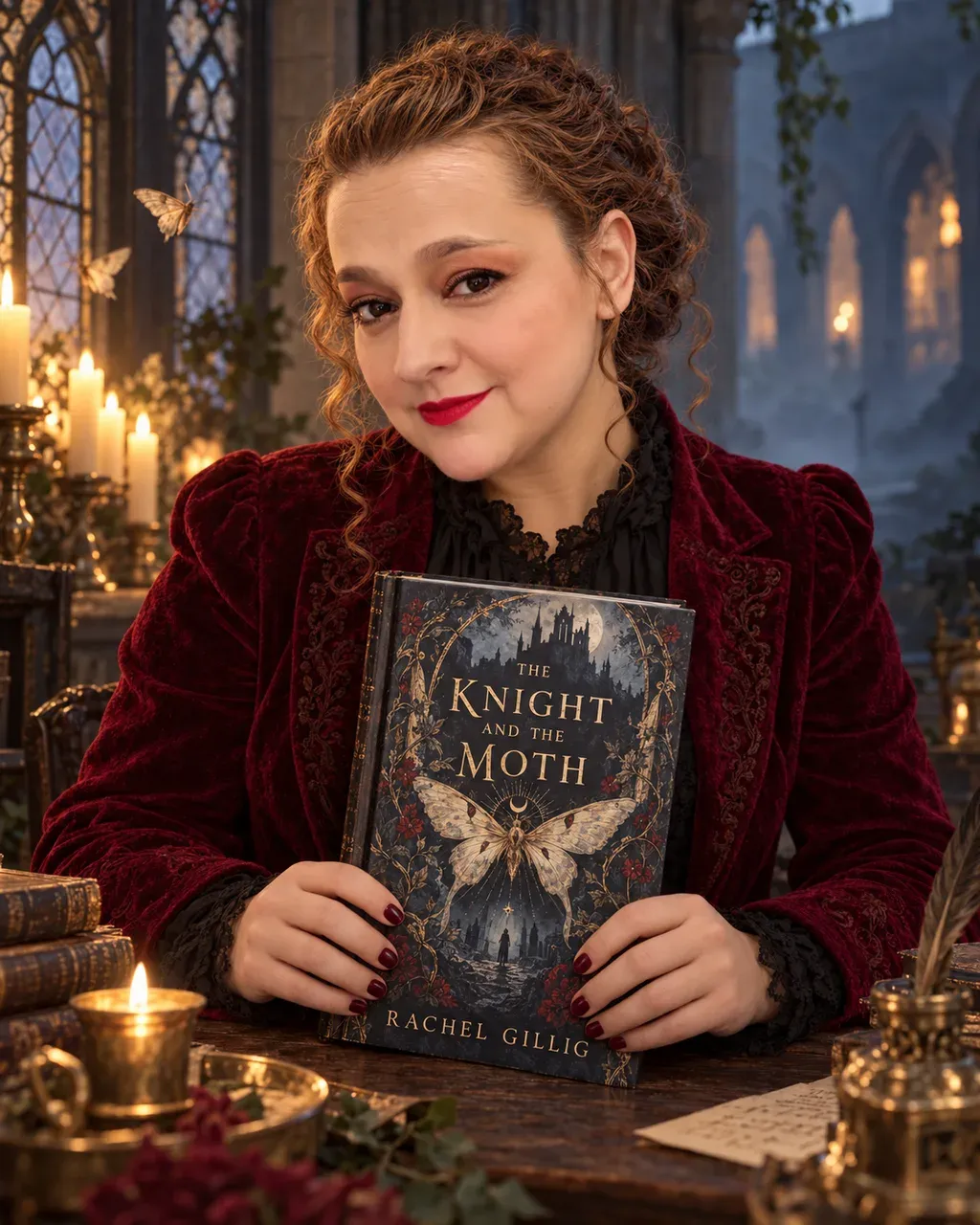
Rachel Gillig
The Knight and the Moth
The Knight and the Moth review: A prophetess sees everyone’s future but her own
Sybil can read almost anyone’s future except her own. Then a hard-to-read knight appears, and faith, fate, and curiosity all ride into the same dark adventure.
November 9, 2026
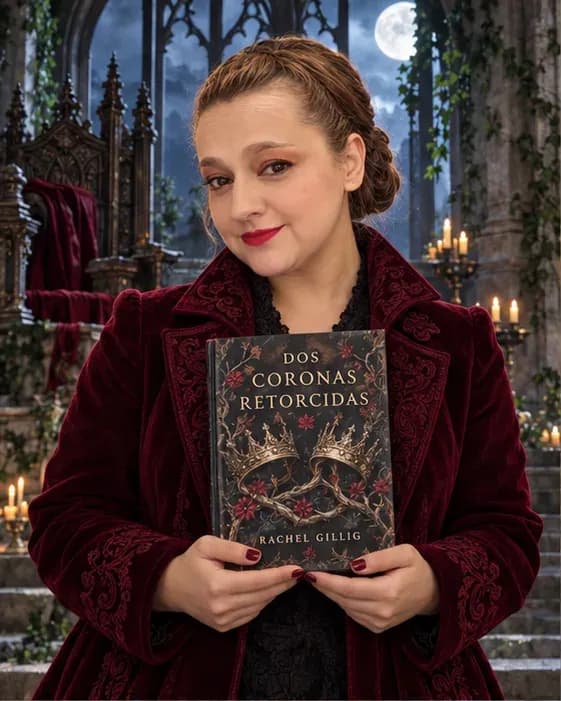
Rachel Gillig
Two Twisted Crowns
Two Twisted Crowns by Rachel Gillig: the curse is alive, the kingdom will not save itself, and the Nightmare still has opinions
The curse is still alive, Blunder is still in danger and the Nightmare has not suddenly become a quiet roommate. Rachel Gillig’s Two Twisted Crowns continues Elspeth’s story after One Dark Window, widening the world while keeping the strange, intimate connection between a woman and the force inside her mind at the center. This is my review of a sequel that has to finish a duology and explain what happens when magic, love and a kingdom’s history all demand attention at once.
November 4, 2026
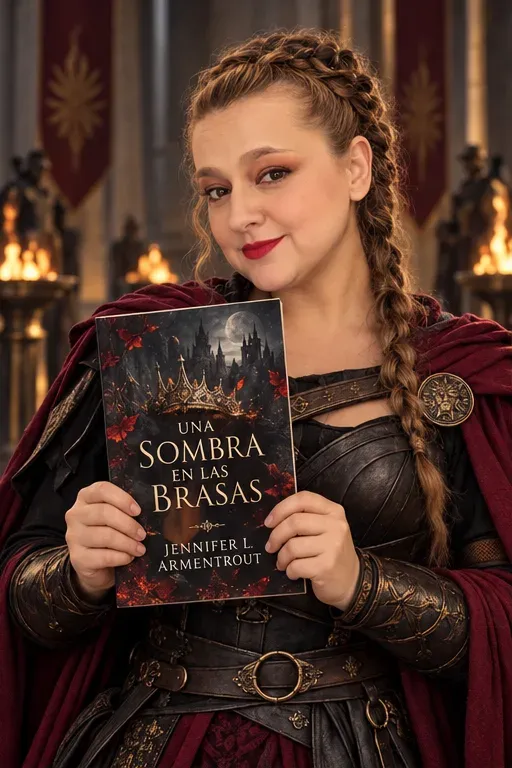
Jennifer L. Armentrout
A Shadow in the Ember
A Shadow in the Ember review: She was raised to seduce and kill a god
Sera was raised to get close to the Primal of Death and kill him. The plan depends on his falling for her first, because apparently a simple assassination would have been too merciful.
November 10, 2026
Want more like this? Join the Readers Club and get one of my books for free.
Share
My books
Books by Yenny Astrid Londoño



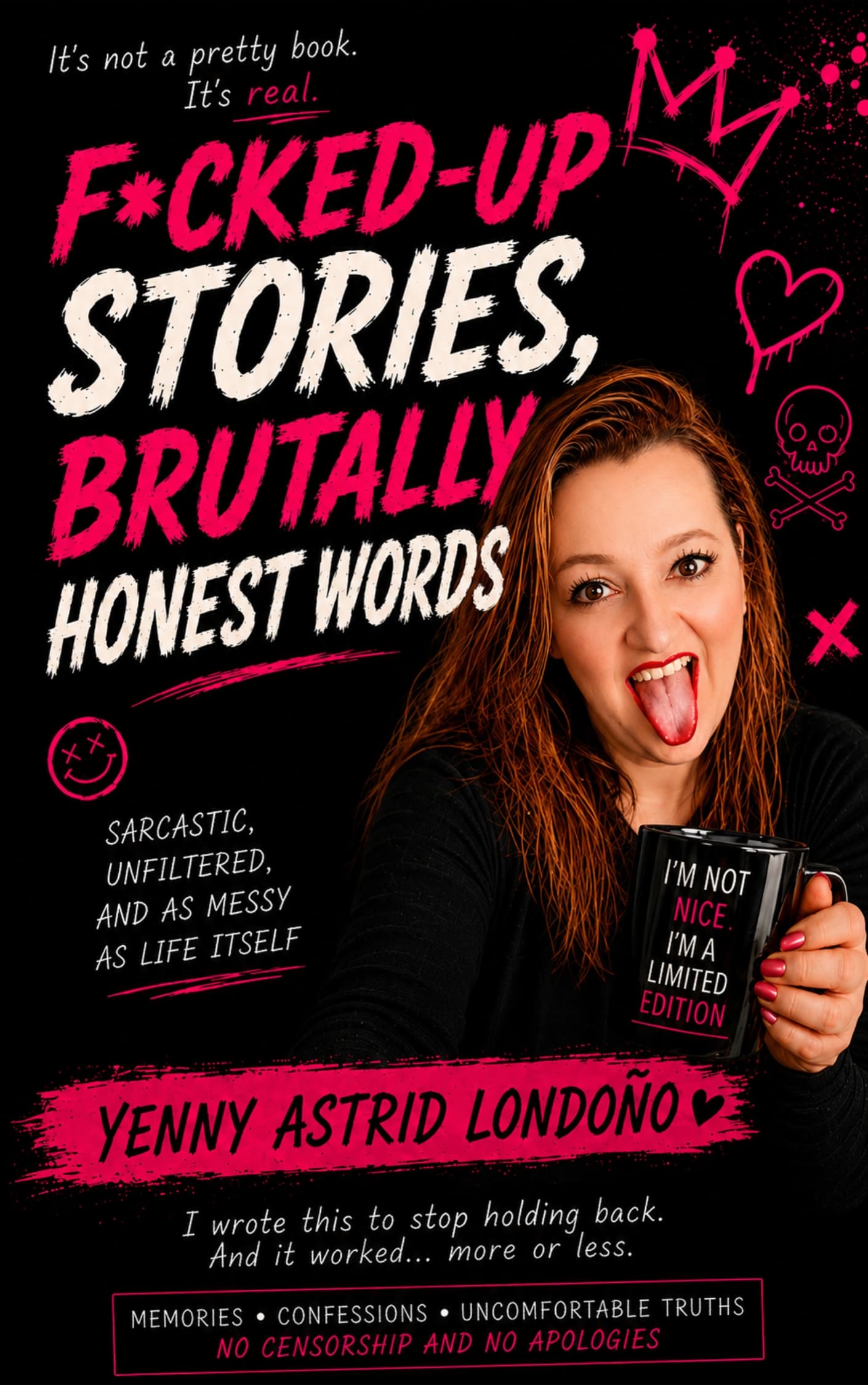



About the author
Yenny Astrid Londoño
Yenny Astrid Londoño is a Colombian author and entrepreneur, founder of Anchetas Medellín. She writes about real life with sarcasm, irony and smart humor, turning everyday situations, mistakes and imperfect relationships into stories that readers can laugh at and recognize themselves in.

A free book from me
Get a free book from me
Subscribe and get Sobreviviendo a mis muertos in full as a PDF.
After that, I'll only write when I have something worth telling you.
Also available: Read this review in Spanish →