Book review
The Knight and the Moth review:
Sybil can read almost anyone’s future except her own. Then a hard-to-read knight appears, and faith, fate, and curiosity all ride into the same dark adventure.
By Yenny Astrid Londoño · November 9, 2026 · 7 min read
Share
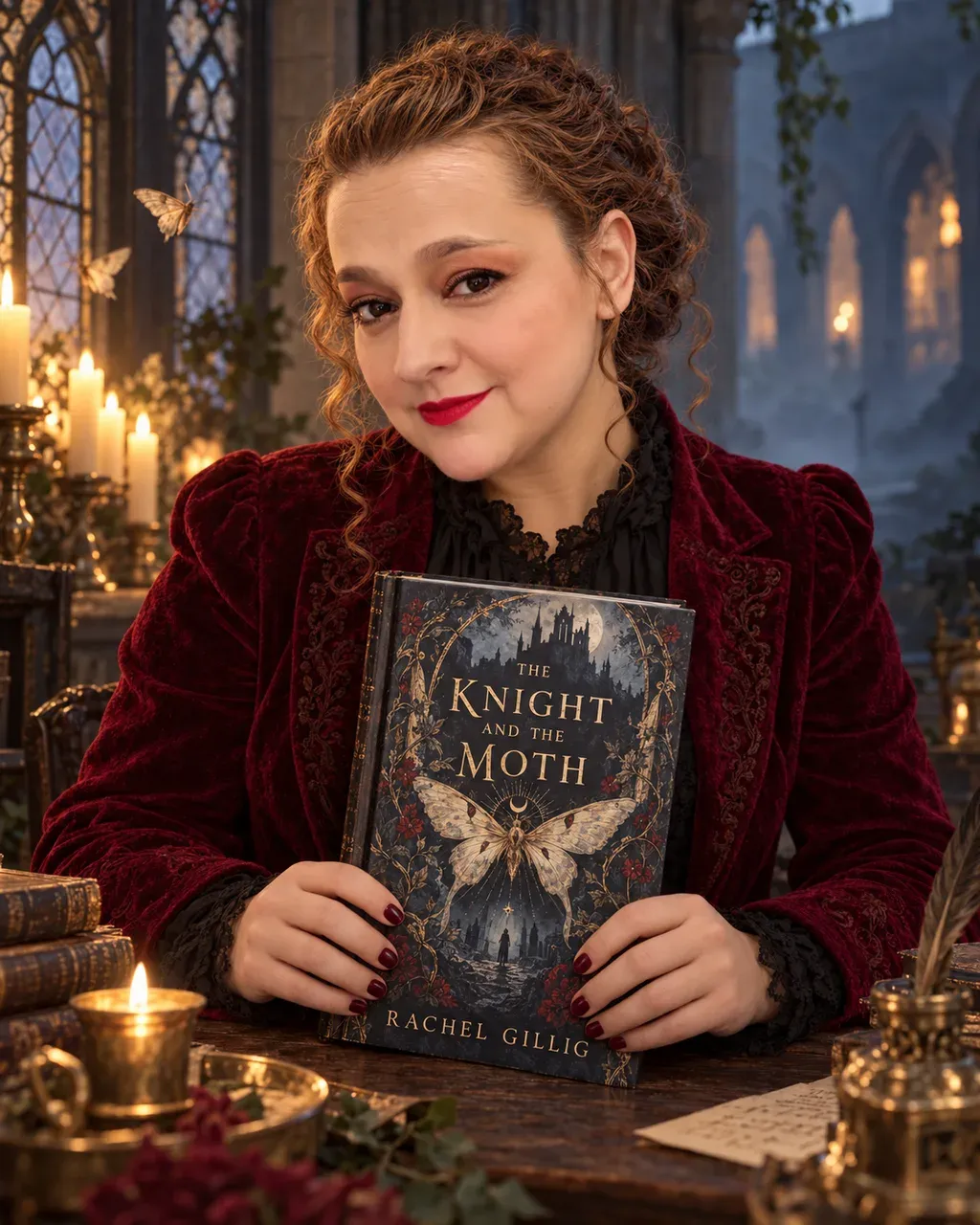
The Book
The Knight and the Moth
Romantasy
by Rachel Gillig
More reviews by Rachel Gillig →
4 out of 5 stars
The atmosphere and Sybil's contradiction hold me; the mysterious knight adds tension without eating the whole plot.
If you buy through this link, Yenny earns a small commission and you pay the same price.
Sybil Delling lives in an abbey and receives visions of the Six Signs, but her own future remains blank. When other prophetesses disappear, she begins a search alongside a knight whose future she cannot see either. Rachel Gillig combines gothic fantasy, mystery, and romance; the atmosphere is the book’s great strength, and also the thing it can get a little too comfortable admiring.
A prophetess who cannot see what happens to her
Sybil serves a religious community where her visions are part of a belief system and a source of power. She can glimpse other people’s destinies, but hers stays stubbornly out of reach. When other prophetesses vanish, the possibility that she may have to leave the only world she knows becomes real. The story sends her beyond the abbey and into a search that may challenge everything she was taught.
That contradiction is the hook for me. Sybil has been trained to interpret signs, not necessarily to choose what she wants to do with them. Knowing the future does not automatically set anyone free; it can also make you useful to people who want to manage what you have seen. The book understands that a gift and a cage can live in the same building. That is more interesting than a prophecy announcing that the heroine is special and everyone else should move along.
The abbey feels like a place built to keep secrets
The gothic setting is not just candles, stone corridors, and fog doing unpaid promotional work. The abbey has rules, silences, and a version of the world Sybil has learned to accept. As that structure begins to crack, every step outside becomes a test of what she is allowed to know. She is not simply exploring a map; she is finding out who decided which doors should stay shut.
Rachel Gillig creates an enveloping atmosphere with religious and magical imagery, and the setting shapes how Sybil reads people and danger. That works because the abbey is not decorative wallpaper. My complaint is that the novel can linger so long over the mood that I wanted to open a window myself, even if the other side held wolves, more fog, and a knight carrying half a conversation.
The knight is not an easy answer
Sybil’s search brings her alongside a knight whose future she cannot read. Naturally, every shared decision becomes a question: is he helping her, hiding something, or doing both because one complication was not enough? Their dynamic has more to it than “he is handsome and annoys me.” The uncertainty connects to the way Sybil has been taught to trust visions she cannot fully interpret.
The romance develops inside the adventure, so trust can grow through decisions rather than an endless parade of meaningful stares. There is attraction, but the mystery is not reduced to whether they like each other. It also asks what it means to work beside someone when you were raised to obey signs that may not tell the whole truth.
Faith, fate, and the right to choose
The novel asks what happens when a community turns its interpretation of the future into authority. If someone claims to have seen a sign, who gets to challenge it? Does a prophecy describe what will happen, or help make it happen because everyone behaves as though it is already settled? Those questions run through the adventure without turning it into a seminar with a quiz at the end.
Sybil has to learn that trusting her gift does not mean handing it every decision. I care more about that tension than about prophecy as a machine for announcing who matters. The uncomfortable question is not only whether the future can be seen, but who controls that knowledge and what they get from controlling it.
Voice and atmosphere are the main attraction
Gillig writes with the rhythm of a dark fairy tale: carefully chosen images, returning symbols, and a setting that seems to breathe behind each conversation. If you like entering a fantasy slowly and sensing that its places had legends before the heroine arrived, this book gives you plenty to sink into. A mystery does not have to shout every five pages to keep me reading.
But an elegant voice can also make it easier to miss that the plot is walking in very heavy shoes. Some answers take their time, and a few scenes could move with more purpose. The fairy-tale tone holds my interest, though I wanted Sybil to make some of the decisions the book saves for later.
The search works best when it takes a risk
The disappearances give Sybil a concrete reason to leave the abbey and pursue answers. The adventure shifts the question from “what fate is waiting for me?” to “what is happening to people I know, and who benefits?” That change keeps the story from staring at its own gothic reflection for the entire book.
Some parts of the search reveal new layers of the world and complicate Sybil’s relationship with her faith. Other stretches feel like a long pause between revelations. If you need a new answer every fifty pages, the wait may test you. If you enjoy fantasy where mood and symbols matter as much as action, you will settle in more comfortably than I did during a couple of the slower stretches.
What did not work for me
The pacing does not always know the difference between building atmosphere and postponing progress. There are beautiful scenes that left me admiring the view while I wanted somebody to answer a direct question. Mystery is useful; permanent fog gets tiring, especially when several characters seem to know more than Sybil and none appears to have discovered conversation as a technology.
The strong gothic aesthetic also leaves some secondary characters less distinct than I wanted. I would have liked more contrast in their voices and more room for the missing prophetesses and the abbey’s role, especially when those conflicts have so much potential. The book does not fall apart, but it leaves me feeling that a few interesting rooms in this world are still locked.
My verdict
The Knight and the Moth works for me because of its partial-knowledge premise, its religious setting, and Sybil’s struggle to decide whether interpreting signs means obeying them. Atmosphere is the book’s strongest muscle. Sybil grows more compelling as she stops seeing the world only through the lessons she was given.
I would not sell this as a fast-paced adventure. It prefers mystery, fairy-tale mood, and sustained tension. I wanted firmer pacing and more room for the missing prophetesses, but the blend of gothic fantasy, magic, and romance has its own personality. It is a good fit if you want mist and symbols rather than a battle every other chapter.
My rating
4 out of 5 stars. The atmosphere and Sybil’s central contradiction kept me invested, and the mysterious knight adds tension without taking over the whole story. I am taking off a star for uneven pacing and questions that wait too long for answers.
Who should read it—and who might not
I recommend it if you enjoy gothic fantasy, religious settings full of rules, heroines questioning what they were taught, and romance that grows during a search. Readers who liked Rachel Gillig’s dark atmosphere in One Dark Window will recognize her taste for fog and omens, though this is a different story in a different place.
Skip it if you need nonstop action, a worldbuilding guide complete with map and glossary, or a romance that moves at romantic-comedy speed. This one asks you to enjoy the mood and accept that some answers take their sweet time.
Frequently asked questions
What is The Knight and the Moth about?
Sybil, a prophetess living in an abbey, sets out to investigate after several seers disappear, while her own future remains beyond her visions.
Who wrote The Knight and the Moth?
Rachel Gillig wrote this gothic fantasy novel.
Is The Knight and the Moth part of a series?
Yes. It is the first book in the Stonewater Kingdom series; the story continues in The Knave and the Moon.
Is there an official Spanish edition?
I could not verify a sufficiently reliable Spanish-language publisher listing for a title or edition, so I keep the original title here instead of inventing one.
Is it romantasy or gothic fantasy?
It blends both: gothic atmosphere, a mystery, and a developing romance all shape the story.
Is it a fast-paced read?
Not consistently. It favors atmosphere and gradual revelations over nonstop action.
Can I read it without knowing Rachel Gillig’s other books?
Yes. It has its own characters and story world; no previous book is required.
The Book
The Knight and the Moth
by Rachel Gillig
Get the bookIf you buy through this link, Yenny earns a small commission and you pay the same price.
Keep reading
If you liked it, keep going
Rachel Gillig
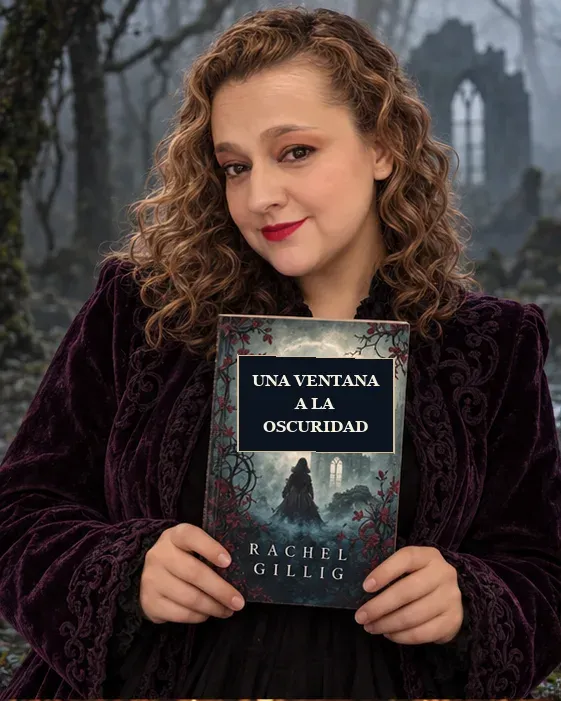
One Dark Window
One Dark Window review: The monster in her head has opinions
A cursed kingdom, a magical card that could change everything, and a woman sharing her mind with a creature that has no intention of being quiet. Not the sort of roommate you can ask to pay rent.
November 11, 2026
Rachel Gillig
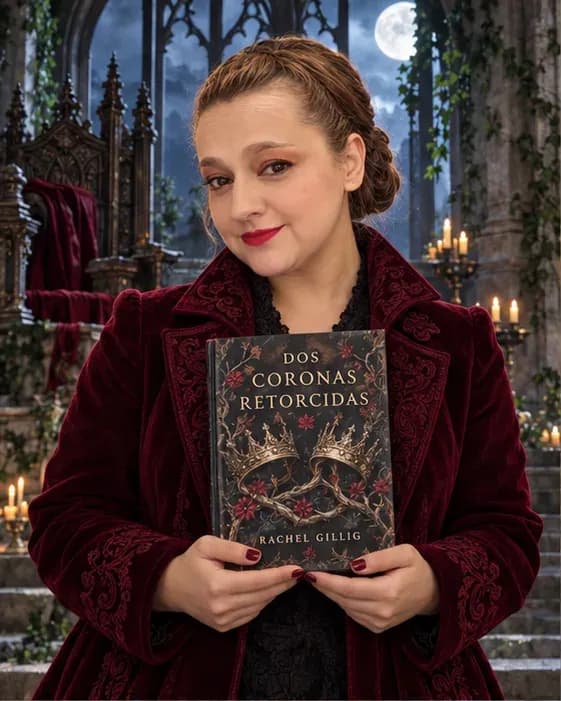
Two Twisted Crowns
Two Twisted Crowns by Rachel Gillig: the curse is alive, the kingdom will not save itself, and the Nightmare still has opinions
The curse is still alive, Blunder is still in danger and the Nightmare has not suddenly become a quiet roommate. Rachel Gillig’s Two Twisted Crowns continues Elspeth’s story after One Dark Window, widening the world while keeping the strange, intimate connection between a woman and the force inside her mind at the center. This is my review of a sequel that has to finish a duology and explain what happens when magic, love and a kingdom’s history all demand attention at once.
November 4, 2026
Callie Hart
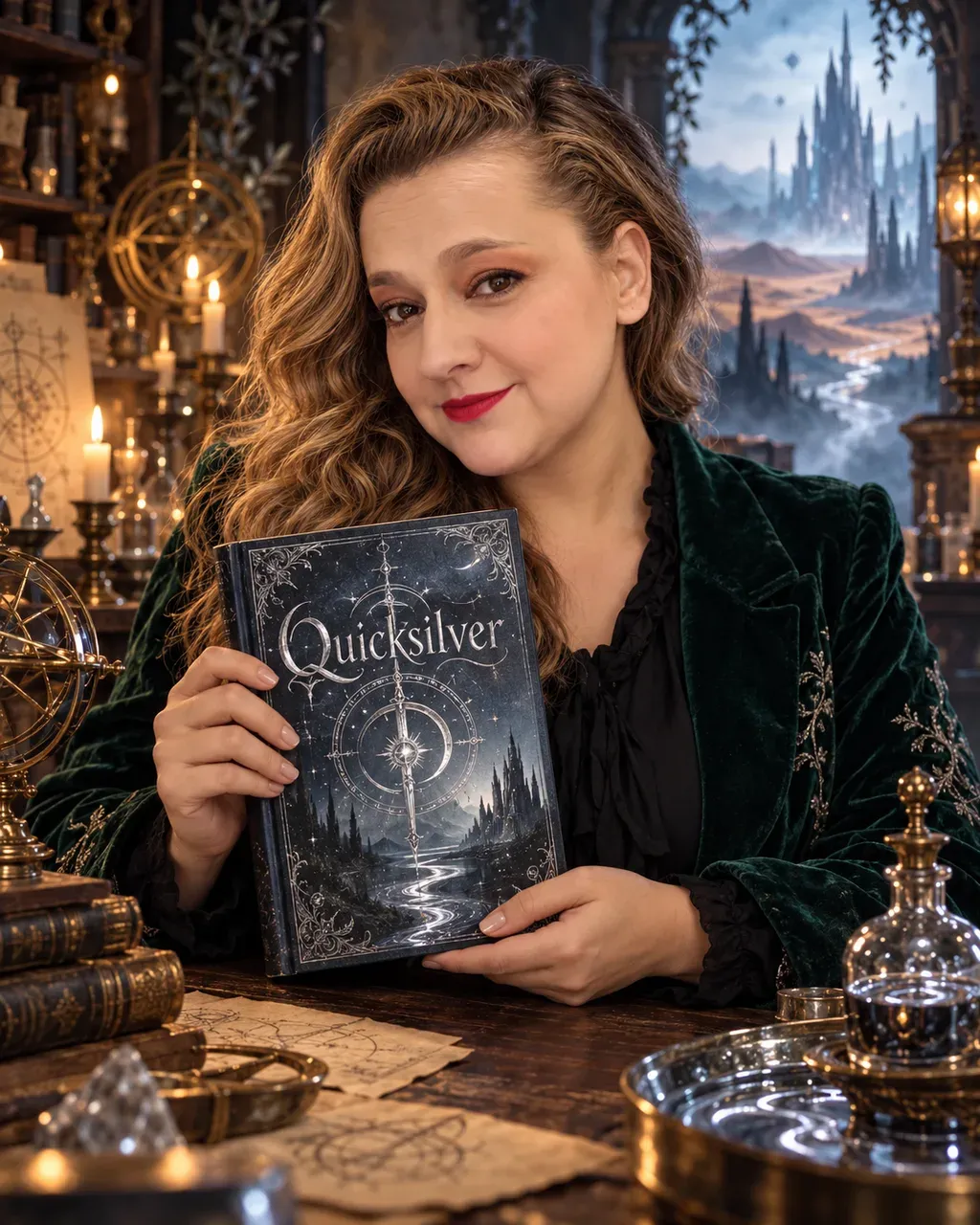
Quicksilver
Quicksilver by Callie Hart: a thief with hidden powers, a merciless queen and a fae man who belongs on a list of bad decisions
Saeris is a thief trying to stay alive in a brutal world, with hidden powers and a talent for landing in situations that would make a sensible person turn around. Then come a ruthless queen, a fae realm and Kingfisher, who seems assembled from the ingredients labeled “dangerous,” “complicated” and “please do not text him after midnight.” This is my review of Callie Hart’s Quicksilver, an adult romantasy mixing alchemy, desire and a plot that occasionally enjoys keeping its cards to itself.
November 7, 2026
Want more like this? Join the Readers Club and get one of my books for free.
Share
My books
Books by Yenny Astrid Londoño






About the author
Yenny Astrid Londoño
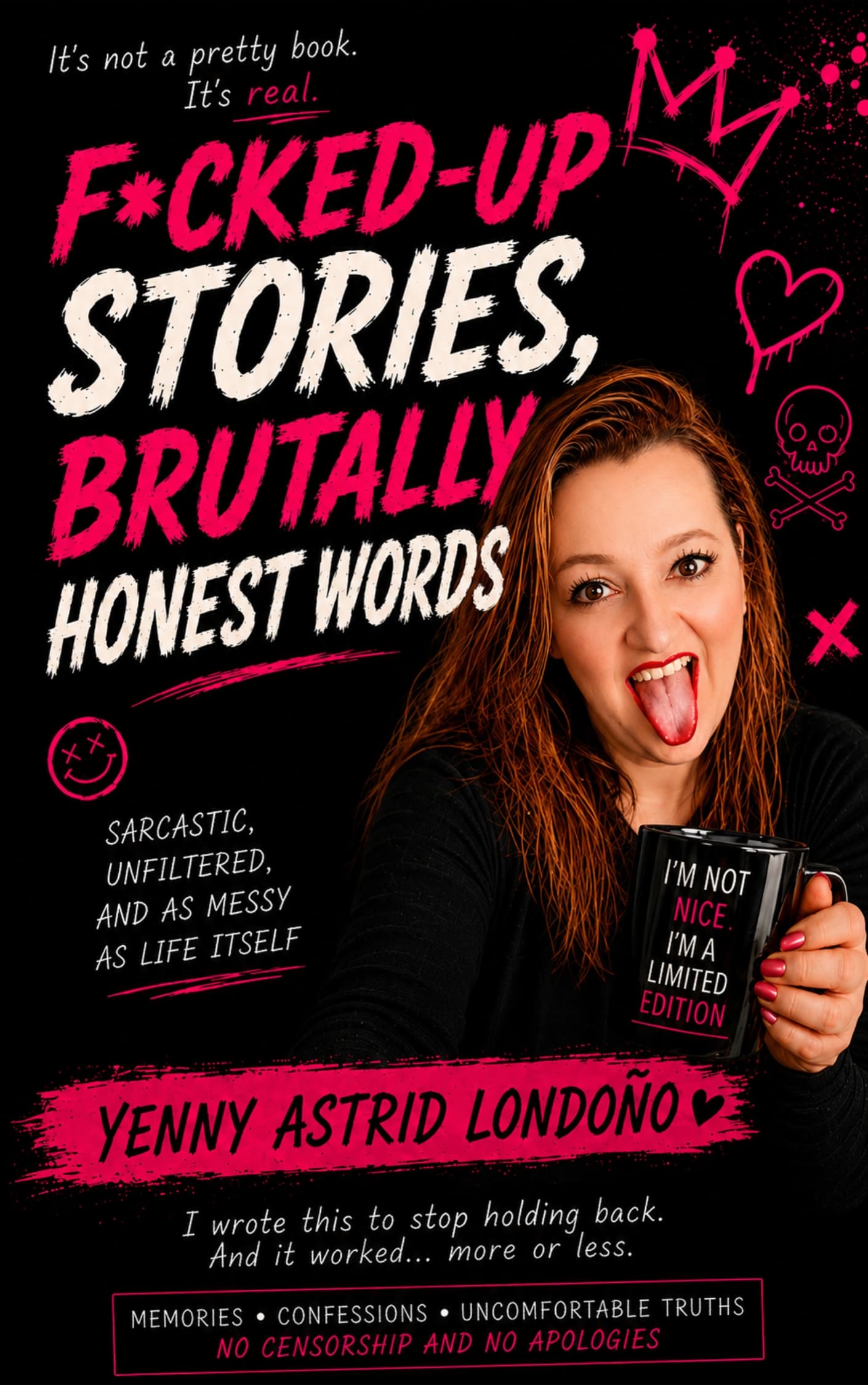
Yenny Astrid Londoño is a Colombian author and entrepreneur, founder of Anchetas Medellín. She writes about real life with sarcasm, irony and smart humor, turning everyday situations, mistakes and imperfect relationships into stories that readers can laugh at and recognize themselves in.
A free book from me
Get a free book from me
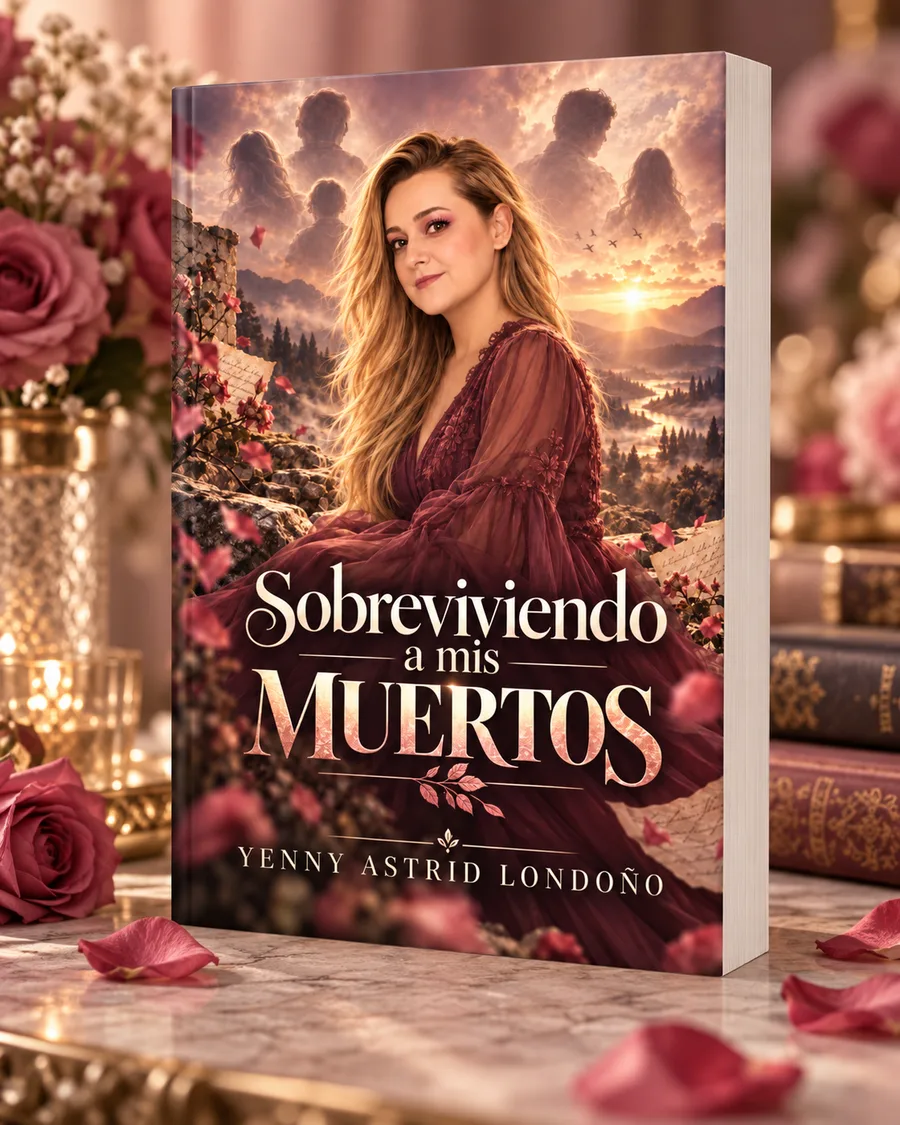
Subscribe and get Sobreviviendo a mis muertos in full as a PDF.
After that, I'll only write when I have something worth telling you.
Also available: Read this review in Spanish →