
Book review
Phantasma by Kaylie Smith:
When Ophelia’s sister Genevieve disappears, the search sends her into Phantasma, a haunted mansion holding a deadly competition where the winner gets a wish. Because apparently grief and a missing sister were not enough administrative burden for one week. This is my review of Kaylie Smith’s gothic romantasy, where Ophelia faces nine trials, a suspicious offer from Blackwell and the question of what she is willing to pay to bring her sister home.
By Yenny Astrid Londoño · November 6, 2026 · 6 min read
Share
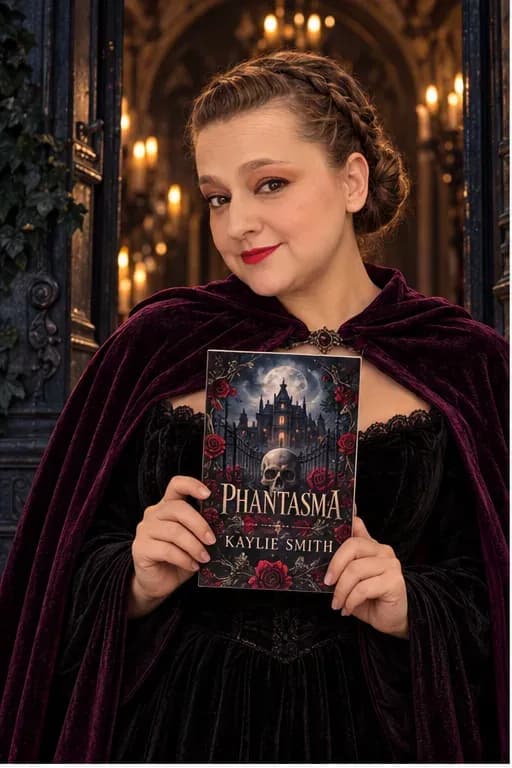
The Book
Phantasma
by Kaylie Smith
4 out of 5 stars
The mansion, the evidence and Ophelia's motive keep the suspense going.
If you buy through this link, Yenny earns a small commission and you pay the same price.
A haunted mansion with a prize nobody should trust
Phantasma is an eerie mansion built around a competition with a wish as its reward. The setting gives the story a clear reason to keep moving from one threat to another, while the prize puts an emotional choice behind the spectacle. Ophelia is not there because she wants to win a game for bragging rights. Her sister is missing, and she believes the competition may give her a way to find or save her.
The mansion has the right kind of gothic atmosphere: beautiful enough to invite curiosity and dangerous enough to make curiosity feel like a poor decision. Each trial asks Ophelia to manage fear, temptation and risk. The rules create momentum, although I wanted the urgency of Genevieve’s disappearance to stay more visible throughout the competition.
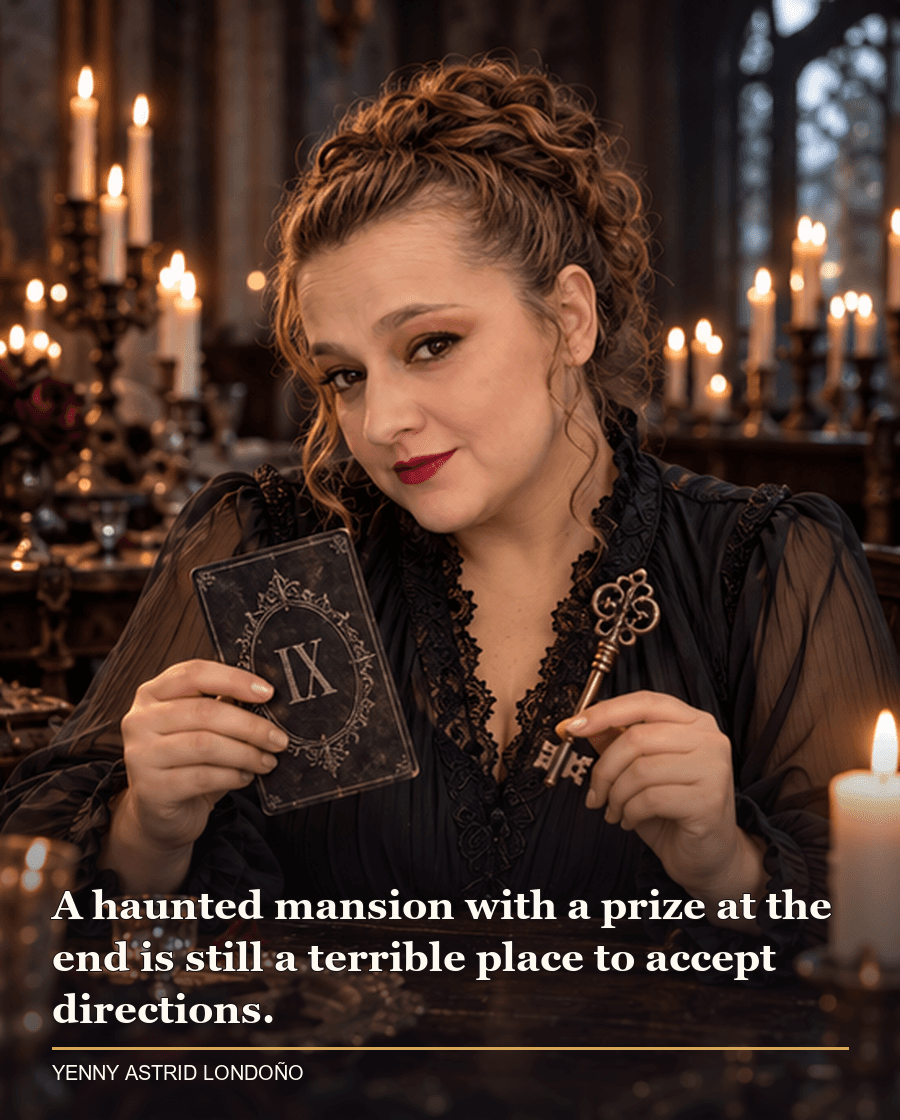
Ophelia is fighting more than monsters
Ophelia enters the mansion with anxiety and obsessive-compulsive disorder as part of her life. Those experiences affect how she understands danger and control; they are not a supernatural power or a quirky decoration. Her struggle is not solved by a handsome man or by walking bravely into one scary room. She has to decide how to act while fear is present.
That characterization gives the story a personal layer beneath the trials. Ophelia can be afraid and still move forward, though the novel sometimes lets the competition take so much attention that her reason for entering fades. I wanted to feel the weight of the missing sister in the quieter spaces too, not only when the plot remembered to point at the prize.
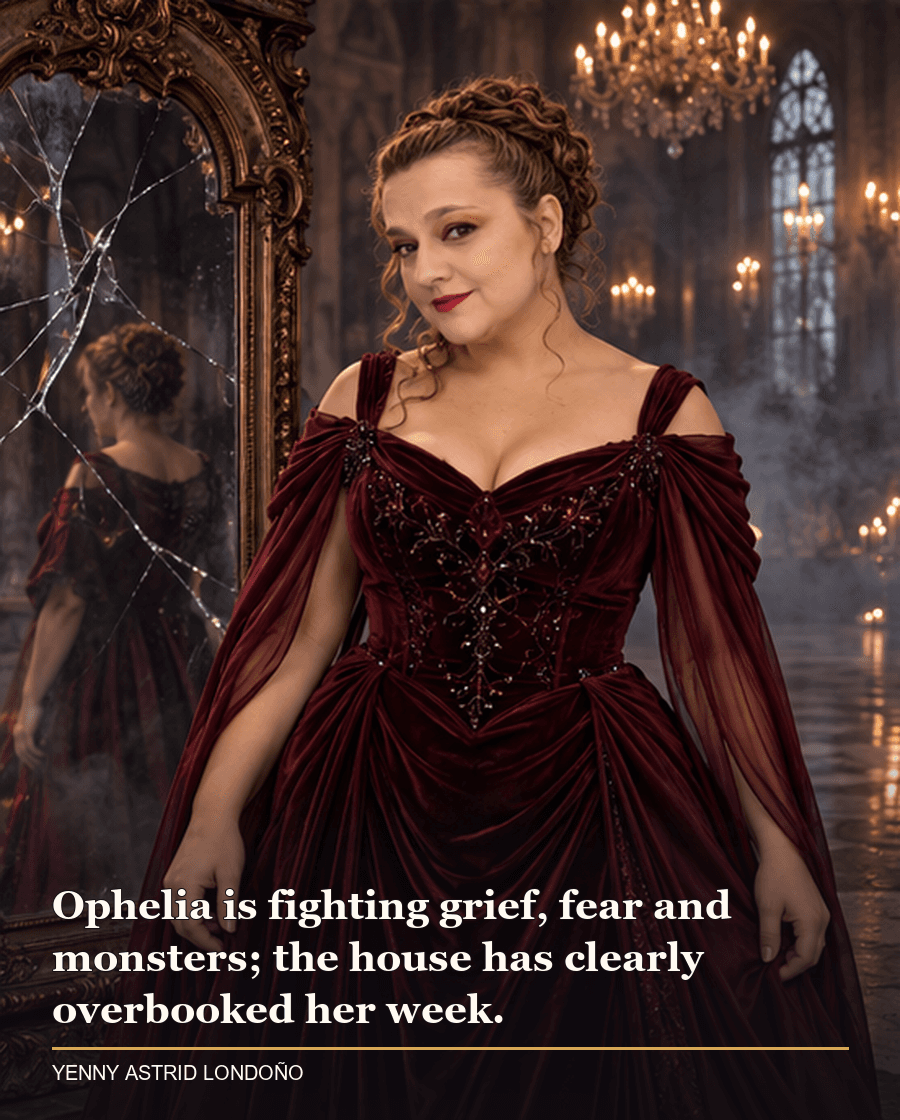
Blackwell offers help with an enormous footnote
Blackwell is an ally whose assistance arrives with suspicion attached. In a competition where people have their own motives, trusting a stranger is not a warm-hearted gesture; it is a risk calculation. His relationship with Ophelia adds attraction and uncertainty, while their arrangement keeps the question of power in view.
The romantic tension fits the gothic mood, but I was most interested when it complicated Ophelia’s decisions rather than displaced them. Blackwell may help her survive, but help is not automatically generosity. Sometimes it is a contract nobody has read all the way to the bottom.
Nine trials give the horror a shape
The nine challenges structure the novel and provide changing forms of danger. They make the setting feel like more than a spooky house with atmospheric curtains. The trials test what Ophelia fears and what she can endure, while the competition raises the cost of every mistake.
Some challenges are more effective than others, and familiar horror-romance moves appear along the way. Still, the format gives the book a satisfying rhythm. Each test changes the conditions and keeps the reader asking what the mansion will demand next. I enjoyed the mix of psychological unease, supernatural threats and a prize that is probably not covered by any consumer protection law.
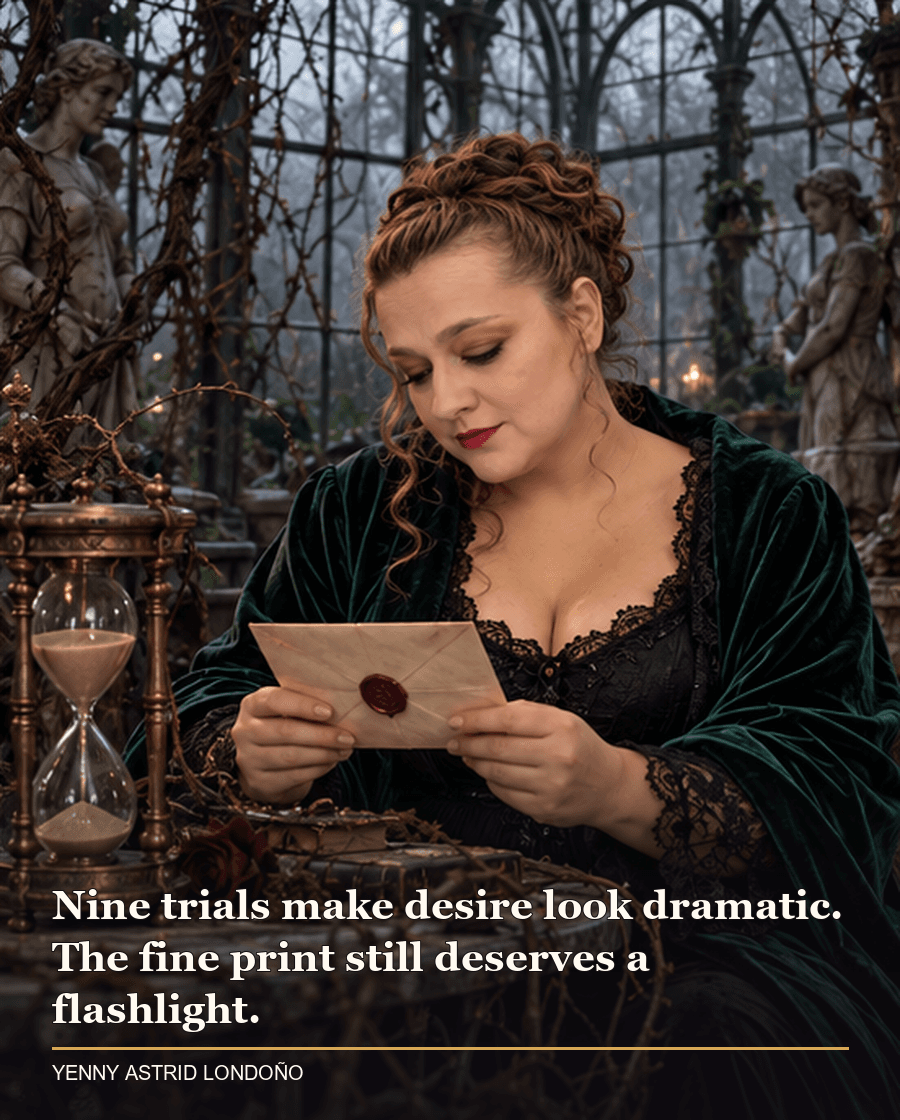
Dark romance, scares and adult content
Phantasma is adult romantasy with gothic horror, sexual content and a darker atmosphere than a cozy fantasy. The romance is part of its appeal, but the mansion and the contest give the story an identity beyond the relationship. Ophelia’s fear and the supernatural world keep changing the meaning of safety.
The book knows its audience and leans into mood, attraction and danger. I enjoyed that combination. I wanted the story to protect its emotional stakes as carefully as it protects its atmosphere, especially the reason Ophelia entered the contest.
Desire, control and what a wish might cost
The wish is not just a shiny object waiting at the finish line. It asks what someone might surrender for the chance to get what they want most. Ophelia’s search for Genevieve gives that question urgency, while the mansion turns desire into something other people can observe and exploit.
The strongest moments connect the supernatural trials to Ophelia’s choices. The weaker ones allow the romance and the immediate spectacle to pull attention away from the rescue mission. I wanted the book to keep asking whether getting a wish is worth the cost, not only whether the next room has something terrible in it.
What I did not like
The urgency of rescuing Genevieve could have stayed more present. Ophelia enters the competition with a concrete goal, but attraction and the trials distract her during sections where I wanted to feel more clearly what she risks by playing. Romance can be part of the story without making the sister disappear from the emotional foreground.
The ending also feels a little rushed, and some horror-romance formulas are familiar. The mansion and the challenges work, but I wanted a few moments to breathe before the book hurried toward its resolution. The atmosphere earns its place; the pacing does not always give the consequences the same care.
My verdict: every wish comes with fine print
Phantasma entertains when it combines the mansion’s horror with a protagonist trying to save her sister without letting fear make every decision. Ophelia has a conflict of her own, Blackwell is a useful suspicious ally and the nine trials give the book movement. The gothic atmosphere and adult content distinguish it from a lighter romantic fantasy.
I take off a point for the rescue goal fading behind romance, familiar formulas and a conclusion that moves too quickly. The setting and the question of what a wish might cost kept me reading. This is a fun dark-romance haunted-house ride, provided you remember that the actual emergency is not just the attractive man with questionable timing.
Who should read it
Read it if you enjoy haunted mansions, deadly competitions, gothic romantasy, adult content and heroines who act while afraid. If you need the rescue mission to stay in the foreground every chapter, or prefer horror without a central romance, this may test your patience.
My rating
4 out of 5 stars. The mansion, trials and Ophelia’s motivation sustain the suspense. I take off a point for pauses in the search for her sister, familiar formulas and an ending that feels rushed.
Frequently asked questions
What is Phantasma about?
Ophelia enters a deadly competition in a haunted mansion, hoping the winner’s wish can help her find or save her missing sister.
Who wrote Phantasma?
Kaylie Smith wrote the novel.
Does Phantasma have a sequel?
It is part of Kaylie Smith’s Wicked Games series, which continues with Enchantra.
What genre is Phantasma?
It blends adult romantasy, gothic fantasy and supernatural horror.
How many trials does Ophelia face?
The competition is structured around nine trials inside the mansion.
Does Phantasma have explicit scenes?
Yes. It is adult romantasy and includes explicit sexual content; check a content guide if you want detailed warnings.
Does Phantasma address OCD and anxiety?
Yes. Ophelia’s OCD and anxiety are part of her characterization and affect how she experiences danger and control.
The Book
Phantasma
by Kaylie Smith
Get the bookIf you buy through this link, Yenny earns a small commission and you pay the same price.
Keep reading
If you liked it, keep going
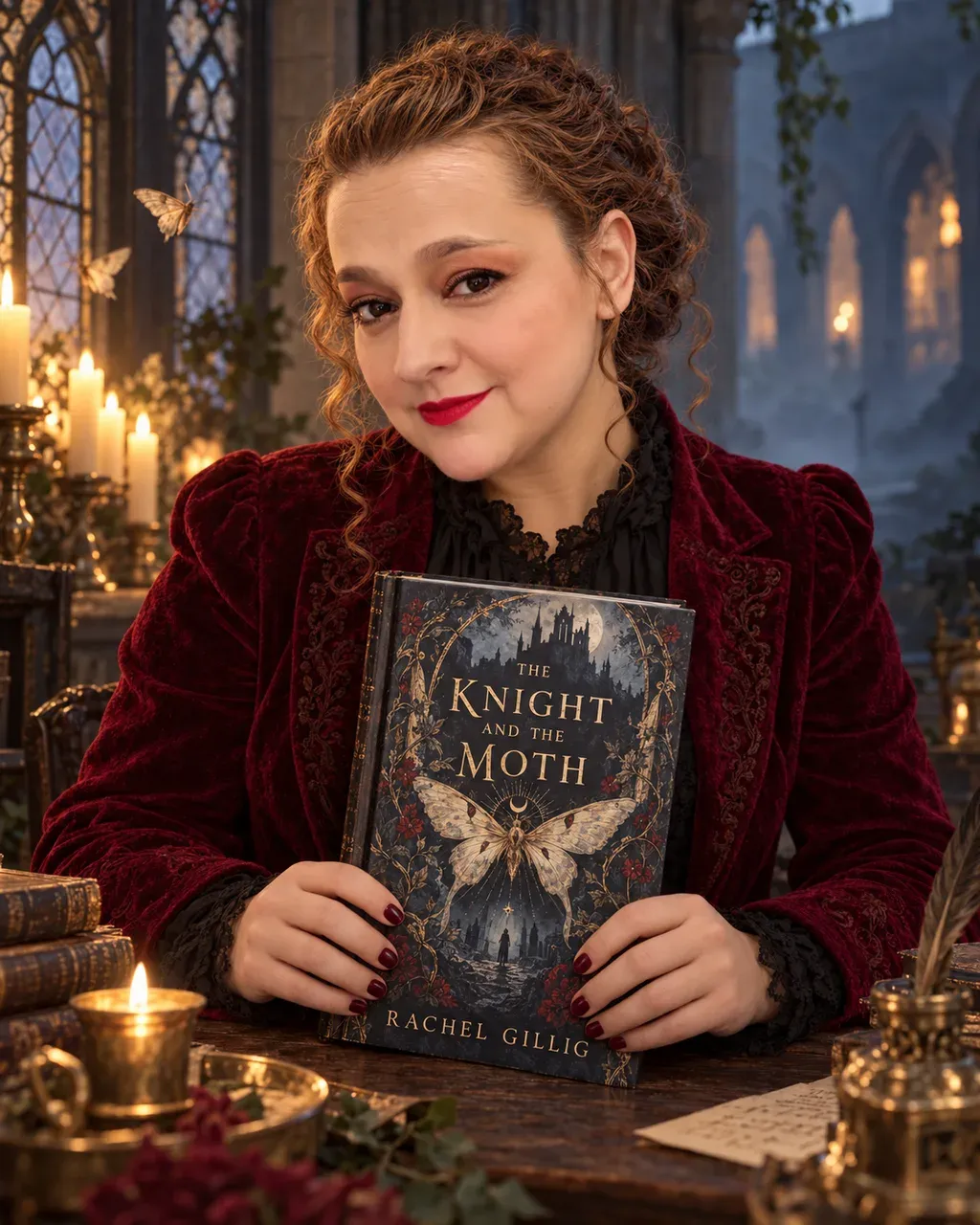
Rachel Gillig
The Knight and the Moth
The Knight and the Moth review: A prophetess sees everyone’s future but her own
Sybil can read almost anyone’s future except her own. Then a hard-to-read knight appears, and faith, fate, and curiosity all ride into the same dark adventure.
November 9, 2026
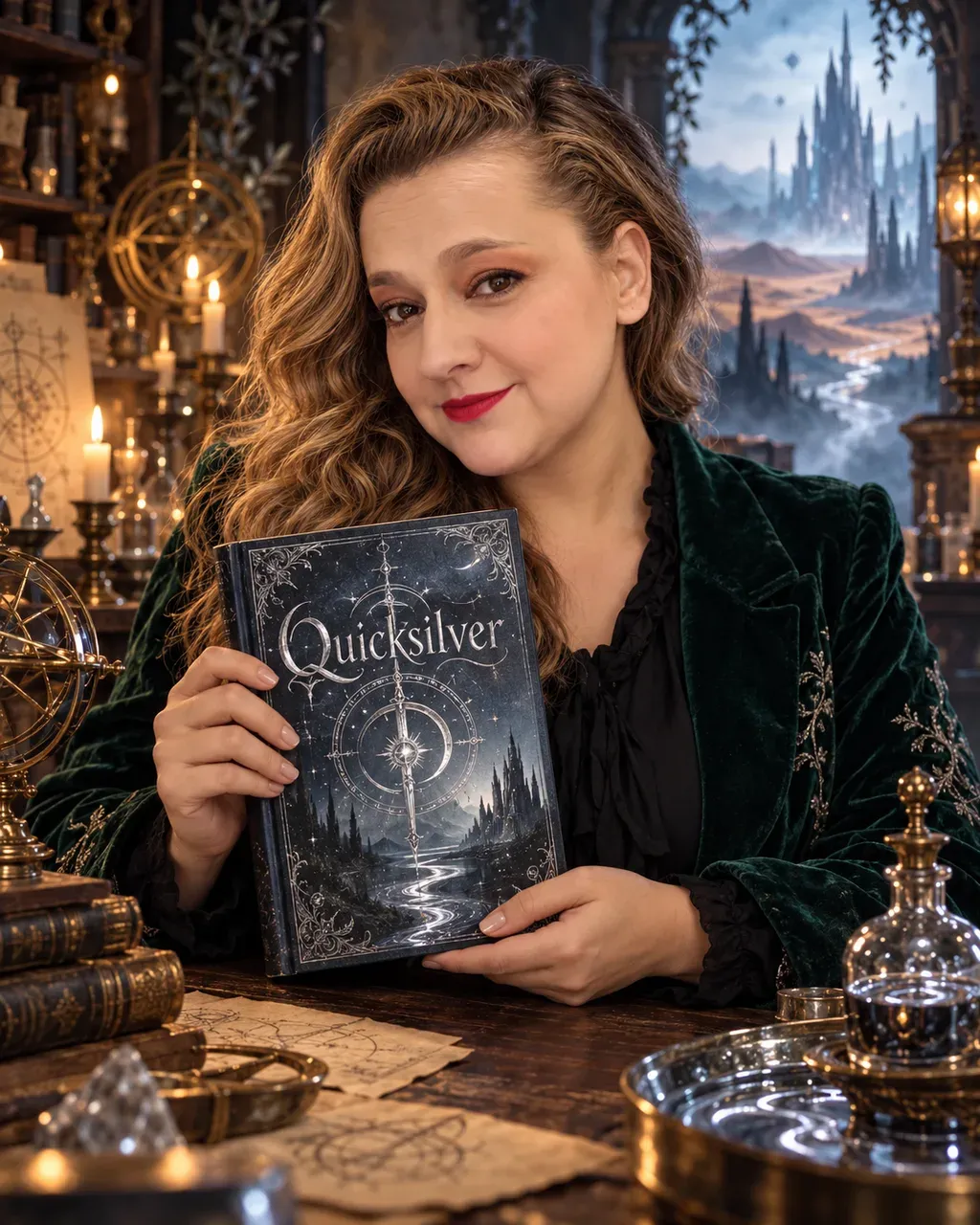
Callie Hart
Quicksilver
Quicksilver by Callie Hart: a thief with hidden powers, a merciless queen and a fae man who belongs on a list of bad decisions
Saeris is a thief trying to stay alive in a brutal world, with hidden powers and a talent for landing in situations that would make a sensible person turn around. Then come a ruthless queen, a fae realm and Kingfisher, who seems assembled from the ingredients labeled “dangerous,” “complicated” and “please do not text him after midnight.” This is my review of Callie Hart’s Quicksilver, an adult romantasy mixing alchemy, desire and a plot that occasionally enjoys keeping its cards to itself.
November 7, 2026

Lauren Roberts
Reckless
Reckless by Lauren Roberts: a romantic chase where both people know trust is a bad idea
The competition is over, but Paedyn and Kai are nowhere near safe. She is on the run, he is hunting her, and they both have reasons not to trust the person they want. This is my spoiler-light review of Lauren Roberts’s Reckless, the second book in the Powerless trilogy, where romantic tension travels through a world outside the palace and the political questions are still waiting for a fuller answer.
October 28, 2026
Want more like this? Join the Readers Club and get one of my books for free.
Share
My books
Books by Yenny Astrid Londoño







About the author
Yenny Astrid Londoño
Yenny Astrid Londoño is a Colombian author and entrepreneur, founder of Anchetas Medellín. She writes about real life with sarcasm, irony and smart humor, turning everyday situations, mistakes and imperfect relationships into stories that readers can laugh at and recognize themselves in.

A free book from me
Get a free book from me
Subscribe and get Sobreviviendo a mis muertos in full as a PDF.
After that, I'll only write when I have something worth telling you.
Also available: Read this review in Spanish →