
Book review
Blood Song:
A father abandons his son to a military order, a king discovers the boy is useful for war, and a voice in his blood keeps him alive without explaining the bill.
By Yenny Astrid Londoño · November 23, 2026 · 7 min read
Share
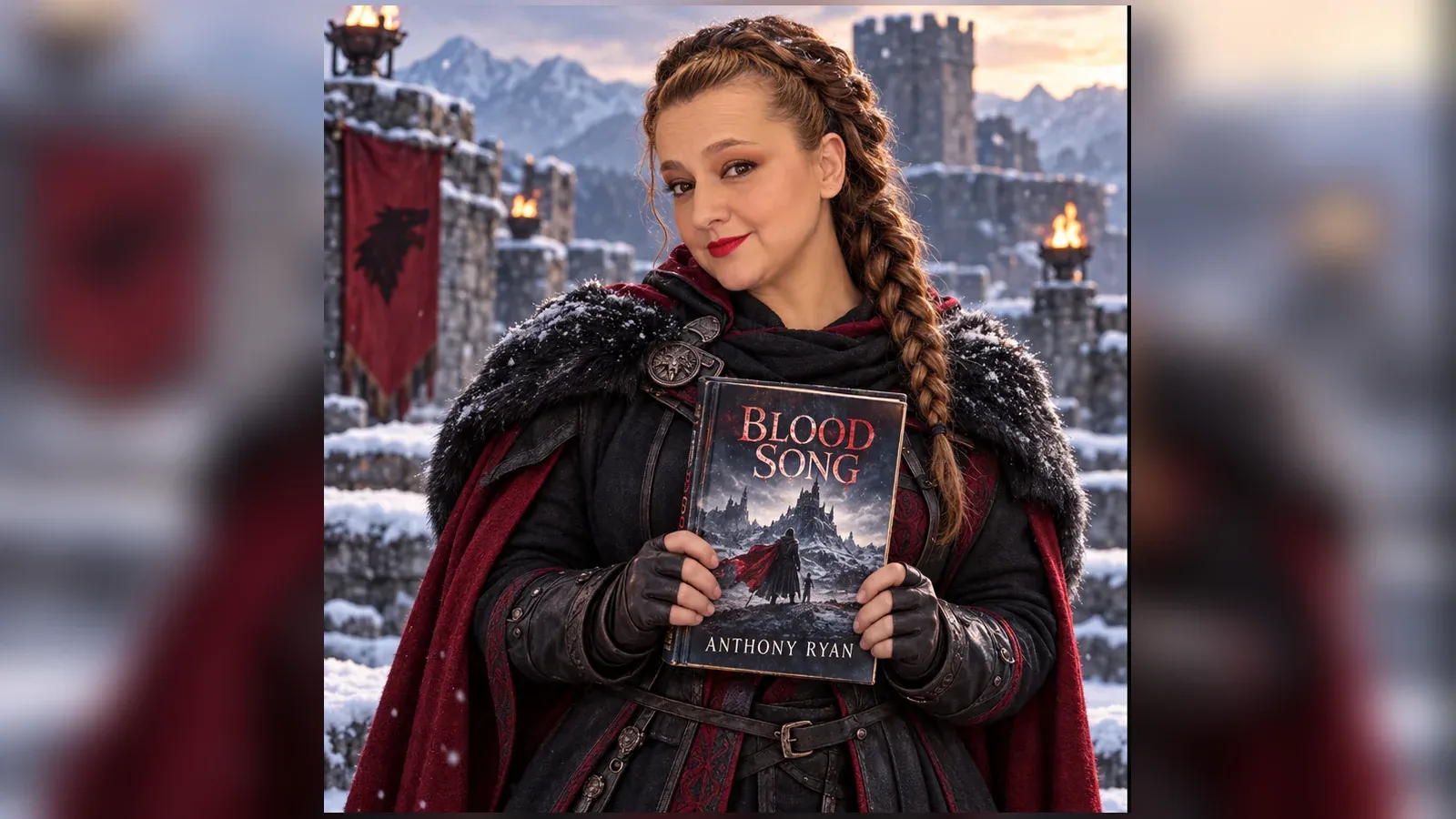
The Book
Blood Song
Military epic fantasy and coming of age
by Anthony Ryan
4.5 out of 5 stars
An absorbing military coming-of-age story with convincing brotherhood, a charismatic hero, and a smart view of who manufactures legends. It loses a little for Vaelin’s extreme competence and…
Vaelin Al Sorna is ten when his father leaves him outside the Sixth Order and walks away without an explanation large enough for that emotional disaster. The boy enters angry, frightened, and carrying an important name. Years later he emerges as warrior, commander, religious symbol, and political property belonging to everyone except himself. Blood Song tells that transformation without pretending glory makes up for a stolen childhood.
The novel is framed by Lord Verniers, an Alpiran chronicler escorting an adult Vaelin toward the duel where he must answer for killing the imperial heir known as the Hope. During the journey, Vaelin tells him about the Order, the brothers he found there, the mysterious voice guiding his instincts, and the wars King Janus turned into destiny.
Anthony Ryan takes an apparently unstoppable hero and cares less about the number of men he defeats than about who is writing his legend and why they need it. There is training, combat, intrigue, and a highly capable protagonist. There is also grief, friendship, and deep suspicion toward institutions that rename anything they need a young man to do as duty.
The Sixth Order: an adoptive family with swords, hunger, and no therapy
The Order takes boys, subjects them to physical and religious trials, and turns the survivors into warriors of the Faith. Vaelin meets Nortah, Dentos, Barkus, Caenis, and Frentis. They begin as rivals, become companions, and eventually become brothers in the useful sense: people who have seen your worst day and still share their food.
The training works because it is not a heroic montage. There is illness, humiliation, class prejudice, and instruction that reveals character. Sollis is harsh, but his severity has purpose. Loyalty grows through small choices, so when real danger arrives the bond already exists. Nobody needs to give a speech while the soundtrack swells.
Vaelin is almost too good with a sword, but the novel charges him for every advantage
Vaelin learns quickly, fights brilliantly, and possesses the sort of leadership that attracts people. On paper, he could become the perfect protagonist who solves everything while everyone else carries his luggage. Ryan avoids part of that trap by making every talent increase the attention power pays him. Being extraordinary does not free Vaelin. It makes him more useful to dangerous people.
The blood song is not a win button either. It warns and guides him while connecting him to forces the Faith condemns as the Dark. It offers no friendly manual. Vaelin must choose between trusting the voice that has saved him and the institution that would fear his gift. That contradiction is far more interesting than another explanation of magical levels.
The brothers keep this from becoming Vaelin’s private parade
Nortah carries pride and family wounds; Dentos uses humor to breathe; Barkus provides steadiness; Caenis watches too much; Frentis forces the group to confront injustice outside its walls. They do not receive equal depth, but together they give the novel a heart rather than a résumé of skills.
Their brotherhood allows resentment, fear, and failure. Loving someone does not stop them from making a catastrophic choice. War and faith test those relationships more cruelly than training ever did. Loss matters because we knew these boys before anyone turned them into names from a military chronicle.
Sherin represents the life Vaelin might have chosen if an adult had let him
Sherin is a healer who can look at Vaelin without confusing him with the public figure the realm is manufacturing. Their relationship offers both tenderness and a moral alternative. It is not romance pasted on to soften a warrior. It is a glimpse of a life that does not belong to the Order or the king.
She still spends too much time defined by distance and by choices Vaelin makes on her behalf. His habit of deciding what other people can endure is one of his most persistent flaws. He wants to protect Sherin, but sometimes reproduces the same control he hates in Janus.
King Janus looks at a boy and sees a weapon with an excellent edge
Janus quickly recognizes that Vaelin inspires loyalty, wins battles, and can become a symbol. He sends him on missions whose official reason rarely matches the real objective. Their relationship carries the political criticism of the book: the king does not have to hate Vaelin to exploit him. He only has to believe the realm justifies every sacrifice made by somebody else.
Vaelin obeys for his brothers, the Faith, responsibility, and because leaving the structure that raised you is harder than condemning it from outside. Every victory tightens the chain. How convenient for the king: raise the weapon, call it a hero, and hope it never asks who is aiming.
Verniers writes history while Vaelin tries to fit a life inside it
The frame turns the novel into an argument over who controls the record. Verniers knows the Hope Killer as a foreign monster and military legend. The man traveling beside him tells a story full of affection, doubt, and orders that official history would never print in full.
Vaelin is not a neutral source. He selects, withholds, and arranges his past through adult exhaustion. That tension worked for me: the reader receives confession and self-construction at once. Legends look solid until the person inside one starts pointing out the scaffolding and the blood somebody cleaned off the mural.
War makes every virtue taught by the Order commercially useful
Once Vaelin enters real campaigns, skills supposedly learned to defend the Faith become tools of territorial ambition. He leads and protects his soldiers, but cannot prevent the institution from turning competence into propaganda. The name Hope Killer contains that distortion: one act in battle becomes a person’s public identity.
Ryan writes combat well because objectives remain clear and consequences remain human. Fatigue, information, and trust matter as much as sword work. Vaelin can take a position and lose something more serious. Epic battles should change survivors, not only the map at the front of the book.
What I did not like: when Vaelin can do everything, tension needs reinforcements
At times Vaelin comes dangerously close to excessive competence. He learns, leads, fights, and attracts loyalty so efficiently that uncertainty shrinks. The emotional cost offsets this, but some trials confirm how special he is instead of revealing anything new. His brothers live, yet the central focus can still pull them into orbit around his legend.
Interesting women could use more room beyond their connection to Vaelin, and some antagonists lack Janus’s nuance. The novel is long. It moves far better than its size suggests, but repeats cycles of mission, secret, and obedience. I enjoyed the journey; I am not going to swear every mile of training was sacred.
The ending offers an exit, not absolution
The confrontation framing the book forces Verniers to reconsider the imperial version of Vaelin. The warrior expected to embody barbarism makes choices that disrupt the script, but he cannot erase the harm or restore the dead. Truth changes the chronicler’s judgment without issuing a certificate of innocence.
The ending provides emotional resolution and opens the next life. Vaelin understands how thoroughly he was used, but understanding a cage does not dissolve its bars. Sherin and a life beyond the Order exist as a direction rather than a wrapped prize. Survival is not mistaken for miraculous healing, and the story is better for it.
My verdict: a military legend that remembers there was an abandoned child underneath
Blood Song is addictive, emotional, and far more aware of power than its warrior-school exterior might suggest. The Sixth Order brotherhood works, Vaelin has charisma, and Verniers’s frame makes every feat look suspiciously edited by politics.
I give it four and a half stars. I am docking points for Vaelin’s near-superhuman competence, underused secondary characters, and repetition. I still believed the friendships, distrusted the kings, and understood why readers keep recommending this book. The song carries you. The problem, as usual, is discovering who chose the lyrics.
Frequently asked questions about Blood Song
Is Blood Song the first book in a series?
Yes. It is the first Raven’s Shadow novel and follows Vaelin Al Sorna from childhood through his rise as a warrior and commander.
Who is Vaelin Al Sorna?
He is the son of a powerful Battle Lord, abandoned at age ten to the Sixth Order and shaped into a warrior, leader, and public legend.
What is the blood song?
It is a supernatural intuition that warns and guides Vaelin while connecting him to the magic his religion calls the Dark.
Does Blood Song have romance?
Yes, especially through Sherin, but romance does not drive the plot. It represents the possibility of a life beyond war and institutional control.
Is Blood Song a military school novel?
Training in the Sixth Order occupies a major part of the story, which later expands into political intrigue, religion, and war.
Does Blood Song have a complete ending?
It closes the main story Vaelin tells Verniers and resolves the framed confrontation, while leaving his future and larger conflicts for the sequels.
Is Blood Song worth reading?
Yes if you enjoy coming-of-age stories, brotherhood, battles, and criticism of how states manufacture heroes. Its length is noticeable, but the pace and relationships carry it.
The Book
Would I recommend Blood Song? Here is my honest verdict.
Blood Song
by Anthony Ryan
Find the book on AmazonIf you buy through this link, Yenny earns a small commission and you pay the same price.
Keep reading
If you liked it, keep going
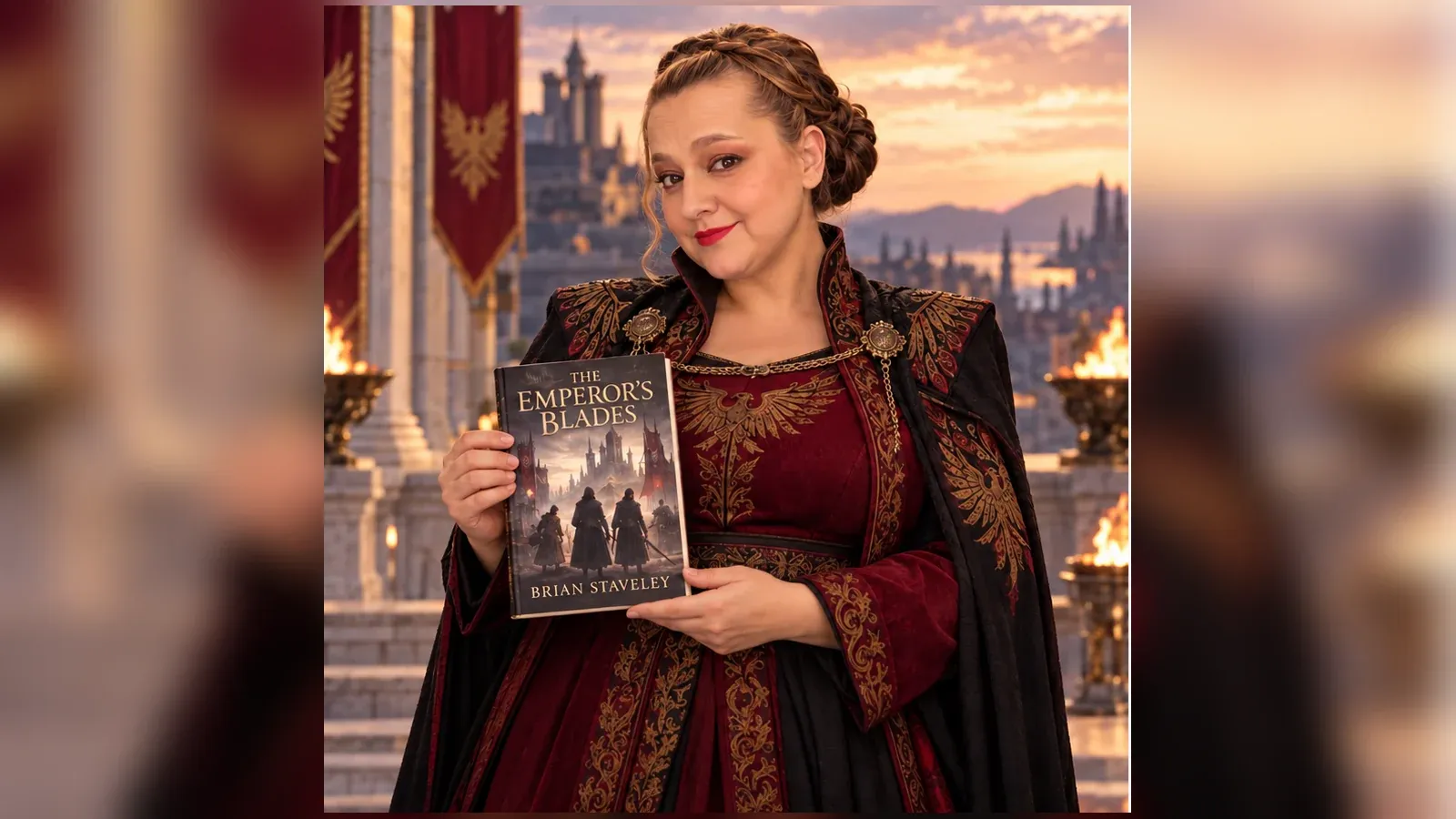
Brian Staveley
The Emperor’s Blades
The Emperor’s Blades: three heirs, one corpse, and an empire that clearly skipped crisis planning
The emperor of Annur is dead, and his three children are scattered between a monastery, a military academy, and a capital full of smiling people with knives behind their backs.
November 22, 2026
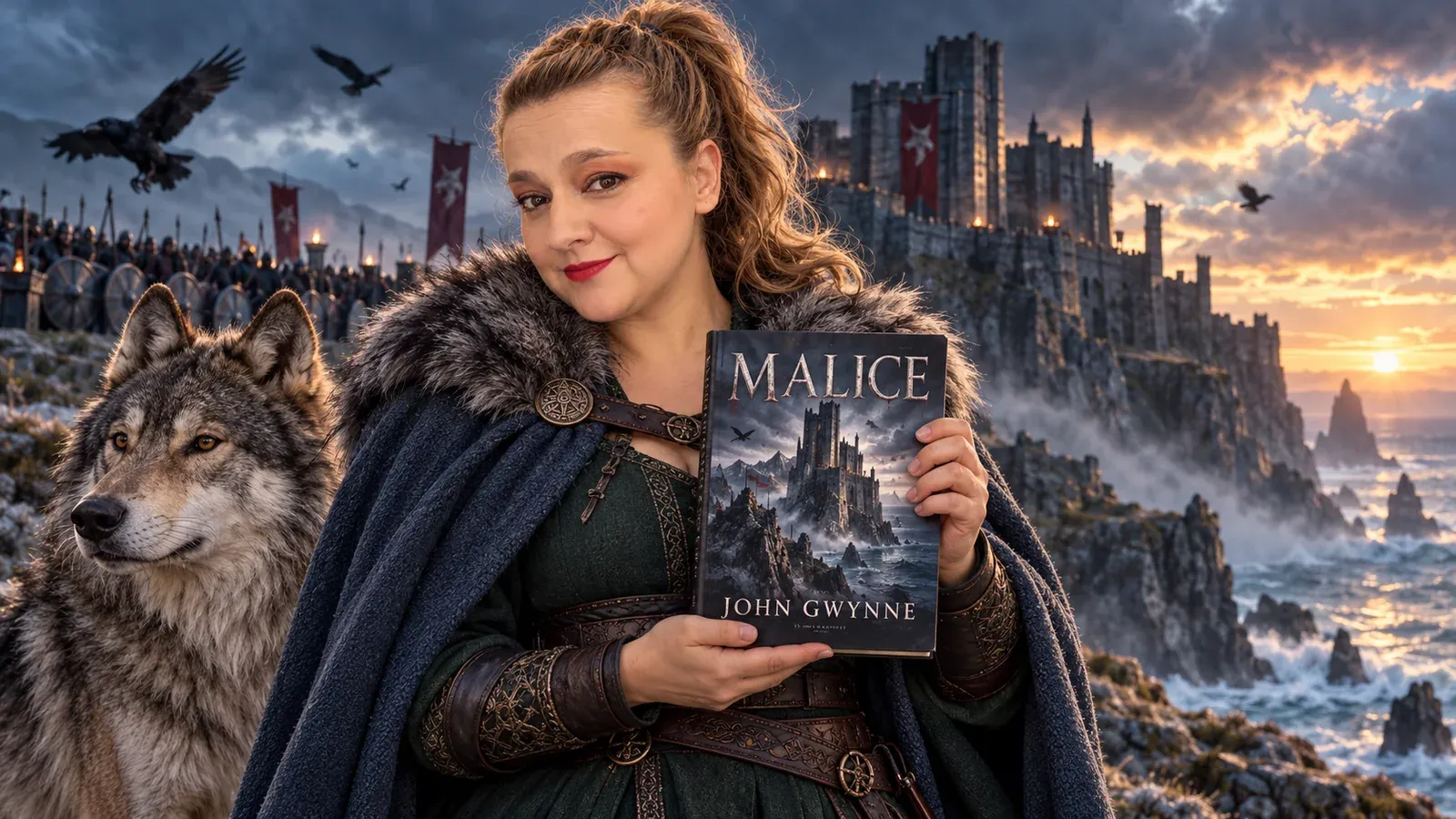
John Gwynne
Malice
Malice: Corban wanted to be a warrior and inherited a badly managed war between gods
A prophecy promises a Bright Star and a Black Sun. While powerful men decide which title flatters them best, a boy, a giant wolf, and several families get stuck with the bill.
November 21, 2026
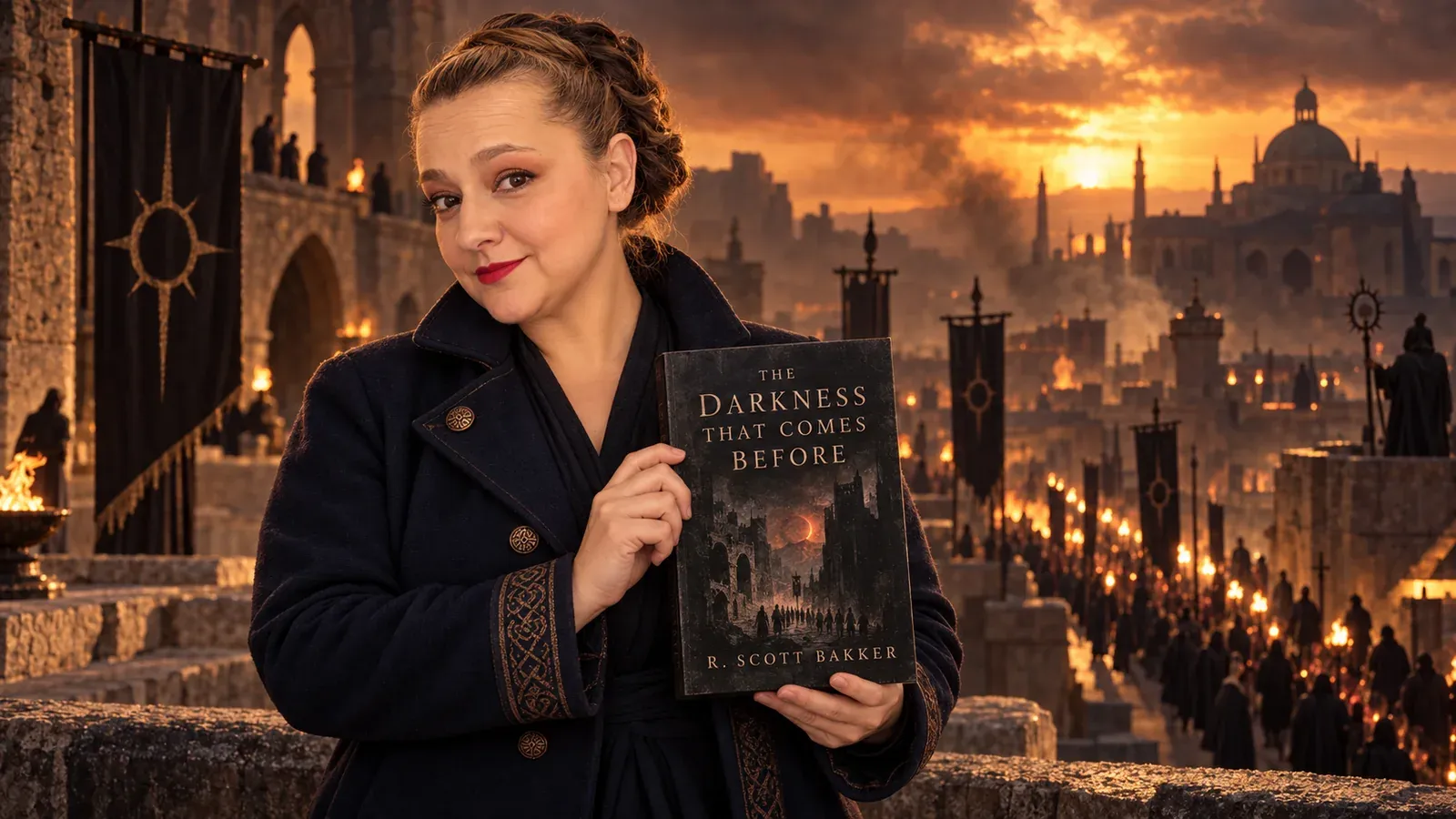
R. Scott Bakker
The Darkness That Comes Before
The Darkness That Comes Before: Kellhus reads your soul and turns it into an instruction manual
A holy war, a sorcerer dreaming about the end of the world, a barbarian who recognizes the manipulator, and a man trained to turn every human emotion into a tool. Light reading this certainly is not.
November 20, 2026
Want more like this? Join the Readers Club and get one of my books for free.
Share
My books
Books by Yenny Astrid Londoño






About the author
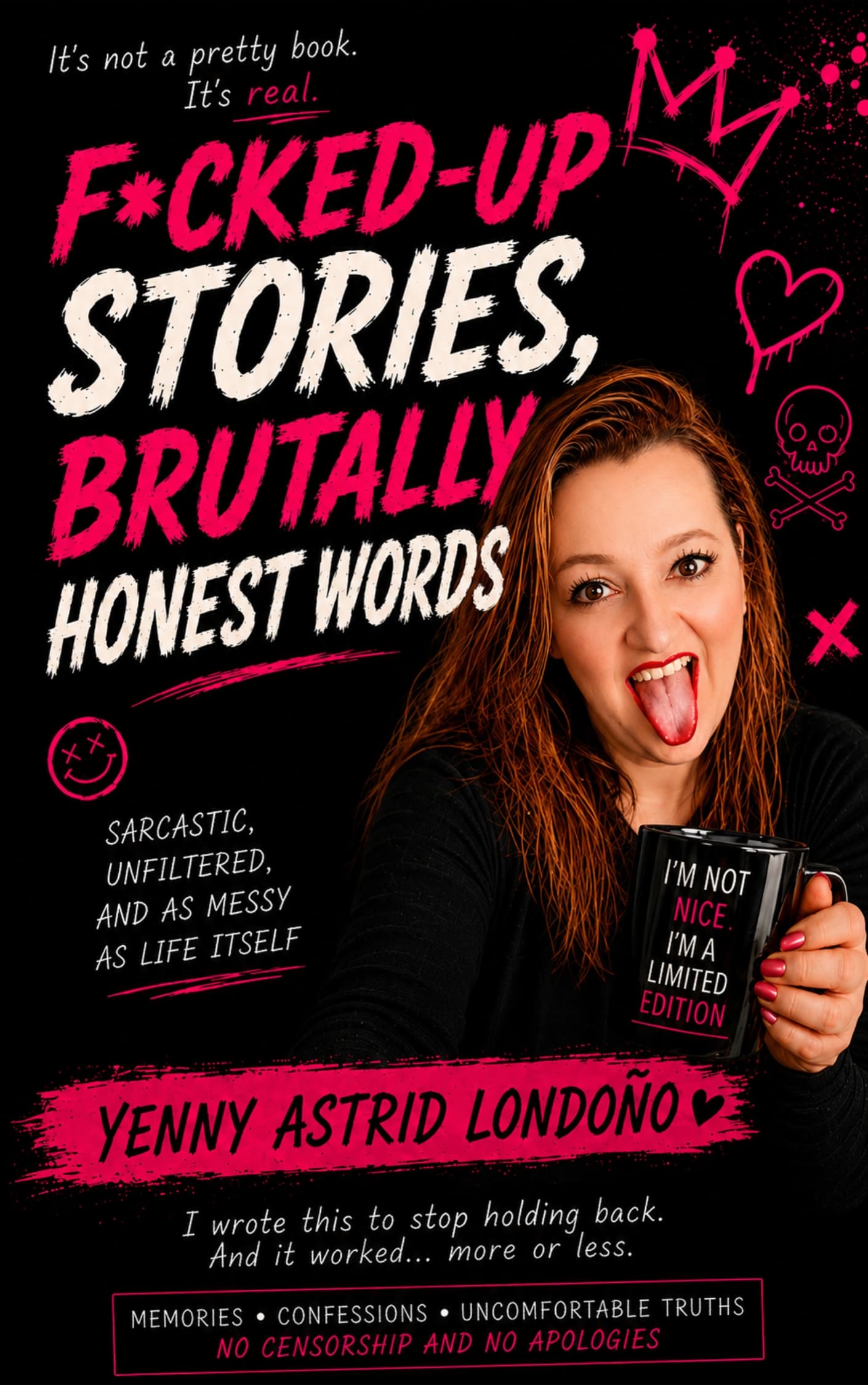
Yenny Astrid Londoño
Yenny Astrid Londoño is a Colombian author and entrepreneur, founder of Anchetas Medellín. She writes about real life with sarcasm, irony and smart humor, turning everyday situations, mistakes and imperfect relationships into stories that readers can laugh at and recognize themselves in.

A free book from me
Get a free book from me
Subscribe and get Sobreviviendo a mis muertos in full as a PDF.
After that, I'll only write when I have something worth telling you.
Also available: Read this review in Spanish →