
Book review
Children of Blood and Bone by Tomi Adeyemi:
This is an epic fantasy about magic taken away, political violence and a young woman deciding what to do with a power she barely understands. Zélie’s world has a strong identity, and the magic does not sit quietly in the corner while the palace makes decisions. Here is my spoiler-light review of Tomi Adeyemi’s first Legacy of Orïsha novel.
By Yenny Astrid Londoño · October 27, 2026 · 7 min read
Share
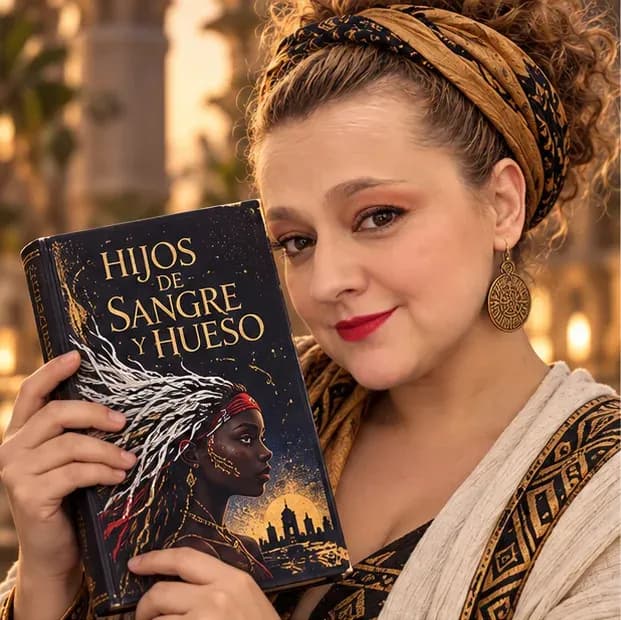
The Book
Children of Blood and Bone
by Tomi Adeyemi
4 out of 5 stars
The world, the link between magic and identity and the three perspectives hold up the novel.
Zélie does not inherit an easy life with the magic
Zélie Adebola lives in Orïsha, where magic has been taken from the maji and the people connected to it are treated with fear and violence. When the possibility of restoring magic appears, she is pulled into a mission that could change the kingdom. Zélie carries grief and anger, but the story does not ask us to mistake those feelings for a simple heroic pose. She has reasons to be furious; she also has to decide what that anger will make her do.
The magic is tied to identity, family and political control. Its return does not erase what happened to the people who lost it. It forces everyone to face the question of who gets to use power and who has the right to decide how it comes back. The book’s central idea is clear and emotionally strong, even when the pace moves faster than some of its consequences.
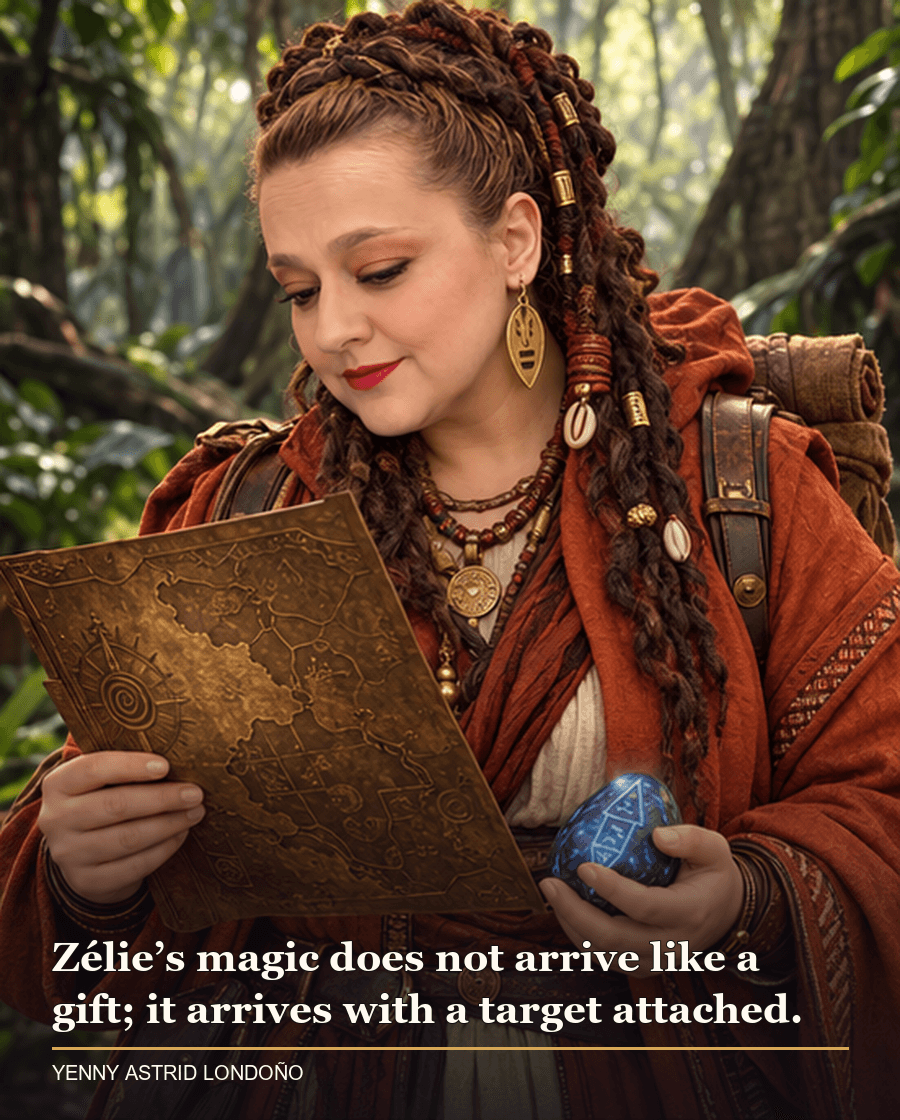
Orïsha feels like a world with a memory
Orïsha has a visual identity and a cultural history that shape the fantasy rather than serving as decorative paint. The people, beliefs and landscape all matter to the story. The loss of magic is not just a plot device; it has changed families, social status and the way an entire community sees itself.
That world-building gives the novel weight. Magic is not neutral, and the rulers do not view its return as a harmless miracle. The history of suppression is present in how people treat Zélie and in what they expect from her. I wanted some of the rules and names explained earlier, but the world has enough character that I was willing to keep learning as I went.
The mission means learning while being hunted
The journey forces Zélie and her companions to learn in motion. They do not have a quiet classroom and a patient teacher; they have an urgent goal and a kingdom that can turn against them. That pressure creates momentum, but it also means some emotional changes happen at high speed. People shift from one feeling or allegiance to another before I have finished processing the scene.
The action keeps the story moving. At times I wanted a pause between ambushes for the characters to talk, disagree and let an experience settle. A world trying to kill you every five minutes is excellent at creating urgency and terrible at scheduling a calm conversation.
Amari is not a porcelain princess
Amari begins inside the royal family and has to face what her position has allowed her not to see. Her choices complicate the story because she is not simply a royal figure who changes sides and instantly becomes free of the system that raised her. She carries fear, privilege and a growing sense of responsibility into the mission.
Her relationship with Zélie is part of what makes the journey more than a simple team-up. The two young women do not start with the same history or the same understanding of what power means. Their choices test what solidarity can look like when people have been harmed differently. Amari’s growth is one of the book’s most valuable tensions, though I wanted more quiet space for it to unfold.
Inan shows what happens when fear dresses up as duty
Inan’s storyline explores what happens when obedience and fear become hard to separate. He is tied to the royal system and to its idea of order, but he also has his own doubts and desires. The book gives him a point of view that lets us see how a person can participate in injustice while believing that they are protecting something important.
His chapters sometimes interrupt the urgency around Zélie and Amari just as their journey gains speed. The prince’s indecision takes up more room than the decision itself needs. Still, his presence gives the conflict another angle: the system does not survive only because cruel people enjoy cruelty. It survives because people are afraid of what happens if they stop obeying.
Magic is beautiful, but the book looks at the cost of power
The magic and the people called maji are central to the kingdom’s identity and political hierarchy. The return of magic raises practical questions about control and personal ones about what a person should do with power that was stolen from their community. Zélie, Amari and Inan do not approach it from the same place.
I like that the book asks what it means to recover what was taken and who believes they should manage that recovery. The world has a mythology, a system of gifts and a history of violence that connect to the present. Sometimes the names, gifts and references arrive in a rush and threaten to overwhelm the reader. I wanted a few rules introduced earlier with clearer examples.
The action accelerates, sometimes faster than the people
The novel moves through pursuits, confrontations and shifting alliances. Its pace makes it easy to keep turning pages, but there are emotional changes that happen so quickly I wanted to go back and check whether a conversation had been skipped. Some action sequences arrive one after another, leaving the consequences in half-light.
I would have traded one ambush for a pair of quieter scenes where the group could talk and contradict one another without the world trying to kill them for five minutes. The book has material for a longer story; a little more room to breathe would have made the characters’ decisions land harder.
What I did not like
The shifting perspectives add information, but Inan’s arc sometimes interrupts Zélie and Amari just as their journey gains momentum. Some of his indecision takes up more space than the decision requires. Emotional shifts and changes in allegiance can happen quickly, as if the book wants to cover an entire stage before I have finished reading the paragraph.
The world is compelling, but the number of names, gifts and references can overwhelm. I would have liked some magic rules introduced earlier and with clearer examples. The historical and family violence has obvious weight, yet several action sequences move so fast that the emotional consequences remain dim. I would have traded an ambush for more time with the characters in a conversation they could finish.
My verdict: a rebellion asks what it means to take back what was lost
Children of Blood and Bone is a fantasy about recovering a power taken from a people and deciding who gets to say how it should be used. Zélie carries an understandable anger, Amari begins to confront the comfort of the crown, and Inan learns that obedience does not erase responsibility. Orïsha has a strong visual identity, and magic plays a political, family and cultural role.
The multiple viewpoints and the urgency kept me reading, though some emotional turns move too fast and the mythology arrives in a wave. The story has a lot to say about identity, power and inherited violence. I wanted it to slow down often enough for its characters to argue and feel the consequences. Still, it is a strong opening to a series, and the question of what happens when power returns is worth following.
Who should read it
Read it if you like epic fantasy about resistance, magic tied to identity and protagonists who have to make political choices under pressure. If you need a small cast, a slow and detailed explanation of every power or very even pacing, you may find the book crowded. Orïsha has a lot of history and several people trying to decide what its future should be.
My rating
4 out of 5 stars. The world, the connection between magic and identity, and the three perspectives sustain the novel. I take off a point for rushed sections, fast emotional shifts and mythology that sometimes arrives like an avalanche. The story has a lot to say; I wanted a few more quiet pages so the characters could finish saying it.
Frequently asked questions
What is Children of Blood and Bone about?
Zélie and her companions try to restore magic to the maji in Orïsha while facing a kingdom that has violently suppressed it.
Is Children of Blood and Bone part of a trilogy?
Yes. It begins Tomi Adeyemi’s Legacy of Orïsha series.
Who is Zélie Adebola?
She is the protagonist, a young woman connected to the maji who is drawn into a mission that could restore magic.
Who are Amari and Inan?
Amari is a princess who begins questioning her family’s rule, while Inan is a prince caught between duty, fear and his changing beliefs.
What does “maji” mean in the novel?
Maji are people with magical gifts connected to Orïsha’s spiritual traditions.
What inspired the world of Orïsha?
The fantasy draws on West African cultures and mythology, creating a distinct world with its own history and spiritual framework.
Who might enjoy Children of Blood and Bone?
Readers who enjoy epic young adult fantasy, political resistance, a strong setting and magic tied to culture and identity.
The Book
Children of Blood and Bone
by Tomi Adeyemi
Get the bookIf you buy through this link, Yenny earns a small commission and you pay the same price.
Keep reading
If you liked it, keep going

Leigh Bardugo
Shadow and Bone
Shadow and Bone by Leigh Bardugo: a soldier discovers that darkness has an owner
Alina Starkov has spent years being ordinary beside Mal, her closest friend, until a crossing through the Shadow Fold reveals that Ravka may have been wrong about her. Her new power makes her valuable to the court, but valuable and free are not the same thing. This is my review of Leigh Bardugo’s Shadow and Bone, a fantasy about power, belonging and the uncomfortable moment when everyone suddenly has a plan for your life.
October 30, 2026

Leigh Bardugo
Six of Crows
Six of Crows by Leigh Bardugo: an impossible heist and six people who cannot work together without threats
Six thieves, one impossible job and a plan whose first rule is apparently “do not kill your teammates before we get inside.” This is my spoiler-light review of Leigh Bardugo’s Six of Crows, a fantasy about criminal skill, complicated loyalties and people who learned to survive by trusting nobody—including the people they need beside them.
October 29, 2026

Lauren Roberts
Reckless
Reckless by Lauren Roberts: a romantic chase where both people know trust is a bad idea
The competition is over, but Paedyn and Kai are nowhere near safe. She is on the run, he is hunting her, and they both have reasons not to trust the person they want. This is my spoiler-light review of Lauren Roberts’s Reckless, the second book in the Powerless trilogy, where romantic tension travels through a world outside the palace and the political questions are still waiting for a fuller answer.
October 28, 2026
Want more like this? Join the Readers Club and get one of my books for free.
Share
My books
Books by Yenny Astrid Londoño



About the author
Yenny Astrid Londoño
Yenny Astrid Londoño is a Colombian author and entrepreneur, founder of Anchetas Medellín. She writes about real life with sarcasm, irony and smart humor, turning everyday situations, mistakes and imperfect relationships into stories that readers can laugh at and recognize themselves in.

A free book from me
Get a free book from me
Subscribe and get Sobreviviendo a mis muertos in full as a PDF.
After that, I'll only write when I have something worth telling you.
Also available: Read this review in Spanish →