
Book review
The Sword of Shannara:
A peaceful half-elf learns he is the last heir who can stop the Warlock Lord. Saving the Four Lands means crossing half the world for a sword that defeats lies by telling the truth.
By Yenny Astrid Londoño · November 17, 2026 · 8 min read
Share
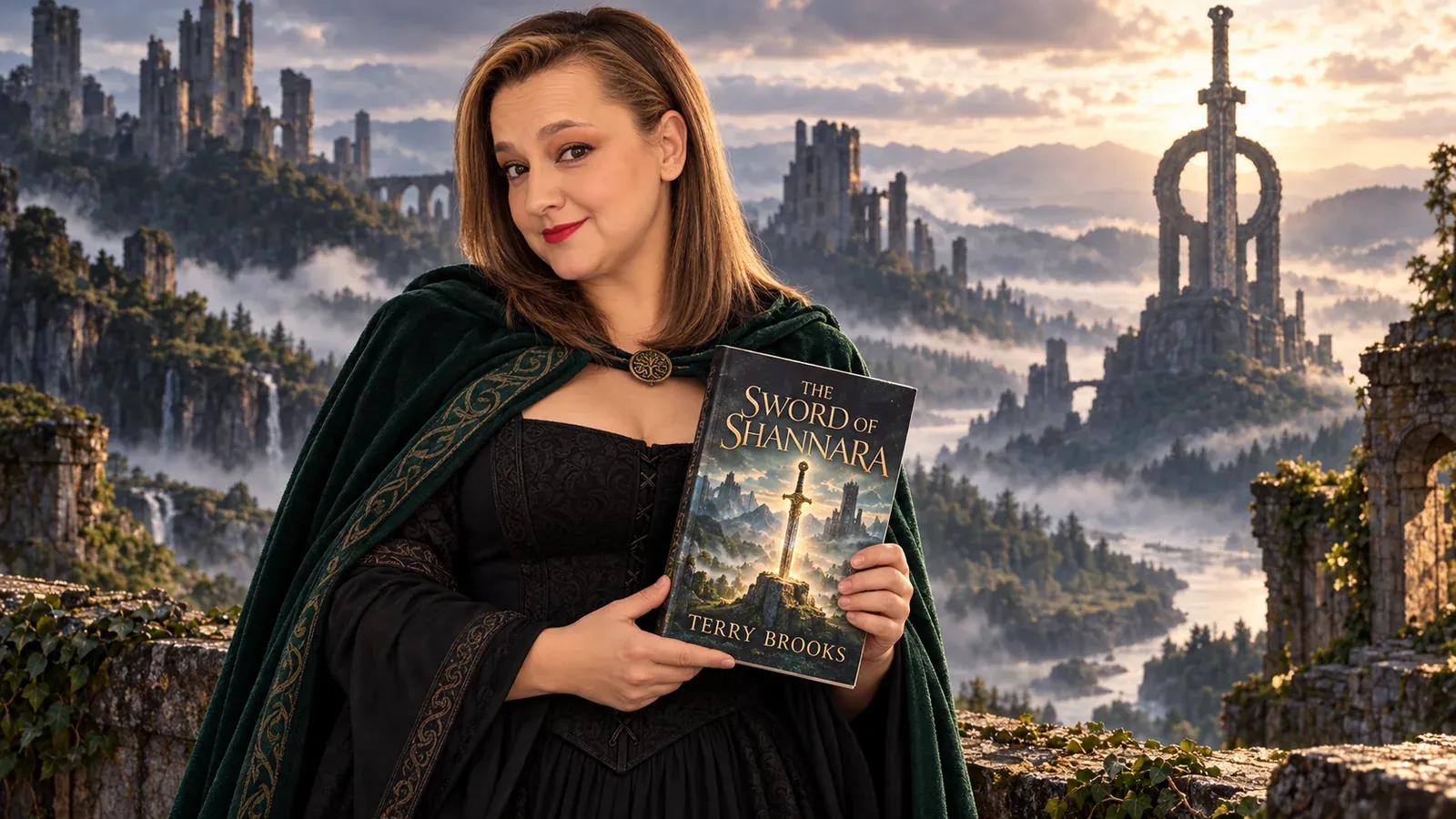
The Book
The Sword of Shannara
Classic epic fantasy
by Terry Brooks
3.5 out of 5 stars
An accessible adventure with real genre significance, lifted by Flick, Keltset, and the Sword's concept. It loses points for obvious similarities, excessive travel, and underwritten women.
Shea Ohmsford lives in Shady Vale with his adopted brother Flick and a routine that threatens nobody. Then Allanon arrives, the last Druid, a tall and mysterious man with a severe allergy to complete information. He tells Shea that he descends from Jerle Shannara and is the only person capable of wielding the sword meant to defeat Brona, the Warlock Lord. The conversation ruins his week and any realistic chance of continuing to run the inn in peace.
Published in 1977, The Sword of Shannara carries a double reputation: it opened an enormous series and has spent its life chased by comparisons with The Lord of the Rings. Those similarities are not a conspiracy created by bored readers. There is a traveling fellowship, a selectively informative sage, winged monsters, a dark enemy, and a quest involving the fate of the world. Denying the resemblance would be like denying rain because you do not want to carry an umbrella.
Copying a map does not mean the journey has no ideas of its own. Brooks writes clearly, keeps characters moving, and eventually makes the Sword more interesting than a powerful weapon. The problem is reaching that idea after miles of familiarity, long description, and women who appear to have received fewer pages because of an administrative error.
Shady Vale does not last because prophecies refuse to respect inn hours
Allanon explains that the Great Wars destroyed the old civilization and transformed the world into the Four Lands, where humans, elves, dwarves, gnomes, and trolls share the consequences. Brona was once a Druid before becoming the Warlock Lord, and now survives through magic sustained as much by power as by the lie he tells about himself.
Shea responds with reasonable disbelief. Allanon arrives, summarizes centuries of disaster, and expects a young half-elf to accept that his family tree is now an international security issue. When a Skull Bearer comes to kill him, theory becomes optional. Shea flees with Flick and three Elfstones that offer protection once logic has left the building.
Flick has no legendary blood, only the decency not to abandon his brother
Flick is one of the book's simplest successes. He is not chosen, magical, or royal. He accompanies Shea because they are brothers. Fear never leaves him, and his doubts about Allanon make sense, but he acts even though nobody promised his name would reach a song.
That loyalty balances prophecy. Shea can wonder whether he deserves the role; Flick reminds us that family existed before bloodlines. Later, infiltrating the enemy and rescuing the elven king Eventine, he proves courage needs no special ancestry. The novel talks endlessly about inheritance, yet its best actions often come from people who simply refuse to leave someone behind.
Allanon manages truth as if every explanation removes a year from his life
Allanon guides, disappears, returns, and answers just enough to keep everyone moving. His secrecy has reasons: magic drains him, Bremen's legacy weighs on him, and fear could destroy the quest. Even so, his leadership too often demands trust while hiding the fine print.
He becomes more interesting when the cost of his role appears. He is neither immortal nor infallible. He inherited a debt and uses forces that consume him. The book waits too long to reveal that vulnerability, so for many chapters he feels like Gandalf with worse customer service.
Menion Leah goes looking for adventure and finds the part that smells like death
Menion, prince of Leah and Shea's friend, joins with enthusiasm, skill, and a romantic view of danger. He likes feeling capable and still believes war offers opportunities to prove it. Reality removes that shine.
His relationship with Shirl Ravenlock brings romance and political responsibility, although she receives less development than she deserves. Hendel teaches Menion that courage is not chasing applause but choosing which risk serves others. It is a classic arc, yet it works because the change happens through the cost of a besieged city rather than one convenient speech.
Paranor and the missing sword: reaching the right place does not guarantee finding the thing
Shea, Flick, Menion, Allanon, Balinor, Hendel, Durin, and Dayel travel toward the Druid fortress of Paranor, where the Sword should be. Naturally, when they arrive, it has disappeared. A six-hundred-page quest apparently requires the central object to develop mobility.
The sequence expands tensions among races and kingdoms and proves Brona is not waiting politely. Skull Bearers and allies pressure every front. The novel repeats pursuit and separation until danger loses novelty. Some moments work. Others feel like another mountain placed between the group and an early arrival.
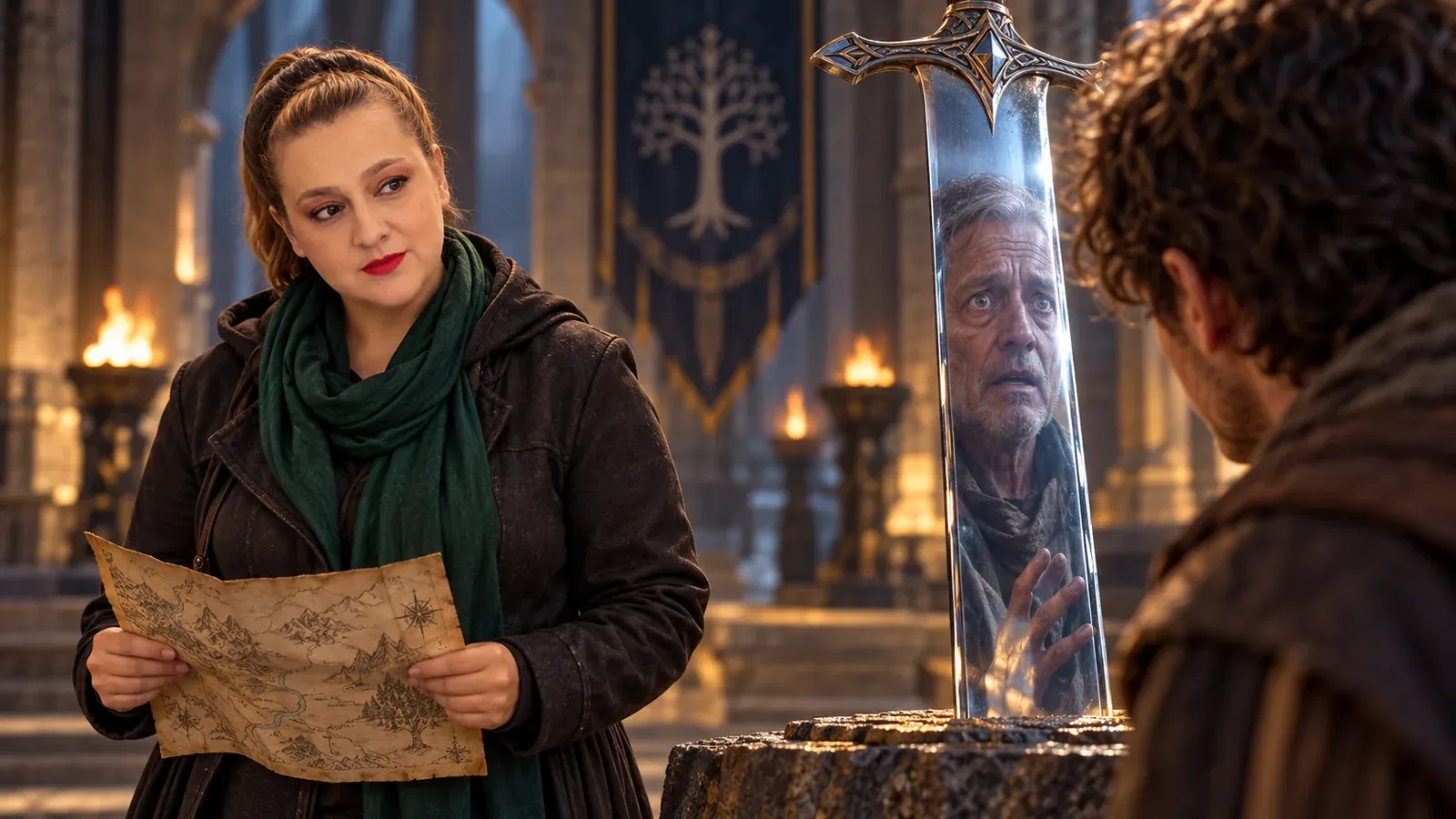
Panamon Creel and Keltset prove racial labels are useless when survival gets serious
After becoming separated, Shea meets Panamon Creel, a charming thief, and Keltset, a mute troll. Their alliance breaks the simple categories the world uses to sort good and evil. Keltset's dignity and loyalty directly contradict the idea that every troll is an automatic enemy.
This part forces Shea to act without Flick or Allanon solving each step. It also teaches him the quest is not about gathering the correct races against the wrong ones. Brona uses fear and resentment; resistance requires seeing individuals. Brooks does not explore every possibility, but at least he opens a door the first half kept too firmly shut.
Tyrsis, Balinor, and a war where heroism still produces bodies
Balinor returns to Callahorn and finds the kingdom paralyzed by intrigue while an army approaches. The defense of Tyrsis gathers politics, siege, and sacrifice. Hendel dies completing an essential mission, and the loss matters because it is not decorative blood. It completes Menion's education about the cost of war.
The battle provides urgency that the journey sometimes lacks. It also shows the value of people who never carry the Sword. While Shea searches for Brona, others hold cities, rescue prisoners, and prevent the world from ending elsewhere. Prophecy needs one heir. Victory needs many people without prophecies.
The Sword does not kill with an edge; it forces truth, which is usually worse
Shea finally understands that the Sword reveals truth. Brona exists because fear of death and belief in dark power became an illusion with substance. The Sword does not win by being stronger. It shows him what he cannot accept: that his existence is built on denial.
That idea saves much of the novel for me. After such a traditional adventure, the ultimate weapon cuts self-deception rather than armies. Shea must also know himself to use it. If he cannot accept his doubts and identity, truth can destroy him too. The ending argues that no fantasy of power survives once it loses the place where it hides from itself.
What I did not like: Tolkien is sitting in far too many scenes
The comparisons are unavoidable because the structure, fellowship, sage, winged creatures, dark threat, and rhythm recall Tolkien too closely. Brooks adds a post-apocalyptic world and the Sword's concept of truth, but long sections feel like he is writing inside somebody else's house without changing enough furniture.
There is also too much description and not enough room for women. Shirl participates, but remains too close to romantic interest and symbol of a city. The prose explains every path and danger with patience that mistakes detail for tension. The book could lose pages without losing adventure. It might gain urgency and spare us one more hill described like an exam topic.
Returning to Shady Vale: saving the world does not turn Shea into a statue
After defeating Brona, Shea returns home. Allanon still carries secrets and debts, but the immediate mission ends. The return matters because adventure has not erased the boy from the inn. He accepts inheritance without becoming a machine built for heroic speeches.
The story closes more completely than many first volumes. Paths remain open, but the main conflict is resolved. That clarity helps forgive the repetitive travel. Shea began by running from an imposed identity and ends by using it through his own understanding rather than the legendary image other people designed.
My verdict: an obvious imitation with a final idea that earns its own name
The Sword of Shannara is accessible, adventurous, and important to the history of commercial fantasy. It is also derivative, overlong, and limited in its women. Both can be true without starting a war among veteran readers. Opening doors does not require pretending every room was original.
I am giving it three and a half stars. Flick, Hendel, Keltset, and the Sword's power lifted a journey that often felt too familiar. I recommend it to readers who enjoy classic fantasy and want to see one root of the modern genre. If you expect a revolution, no. If you want a sincere adventure that eventually finds a truth of its own, the walk offers something worthwhile.
Frequently asked questions about The Sword of Shannara
Is The Sword of Shannara the first book in the series?
Yes. It was the first published Shannara novel and opens the original trilogy.
Is The Sword of Shannara similar to The Lord of the Rings?
Yes, especially in the journey, fellowship, mentor, and dark threat. It also develops a post-apocalyptic world and a sword whose power is revealing truth.
Who is Shea Ohmsford?
He is a young half-elf raised in Shady Vale and the last descendant of Jerle Shannara, making him capable of wielding the Sword against Brona.
What does the Sword of Shannara do?
It forces people to see the complete truth about themselves. Brona cannot survive the recognition that his existence depends on illusion.
Is The Sword of Shannara difficult to read?
It is not conceptually difficult. The prose is clear, although the length and descriptions can make the journey feel slow.
Does The Sword of Shannara have a complete ending?
Yes. Shea confronts Brona and resolves the central conflict, although the Shannara world continues in many later books.
Is The Sword of Shannara worth reading today?
Yes for readers interested in classic fantasy and genre history. Readers seeking complex women or innovative structure may find it dated.
The Book
Would I recommend The Sword of Shannara? Here is my honest verdict.
The Sword of Shannara
by Terry Brooks
Find the book on AmazonIf you buy through this link, Yenny earns a small commission and you pay the same price.
Keep reading
If you liked it, keep going
Brian Staveley
The Emperor’s Blades
The Emperor’s Blades: three heirs, one corpse, and an empire that clearly skipped crisis planning
The emperor of Annur is dead, and his three children are scattered between a monastery, a military academy, and a capital full of smiling people with knives behind their backs.
November 22, 2026
John Gwynne
Malice
Malice: Corban wanted to be a warrior and inherited a badly managed war between gods
A prophecy promises a Bright Star and a Black Sun. While powerful men decide which title flatters them best, a boy, a giant wolf, and several families get stuck with the bill.
November 21, 2026
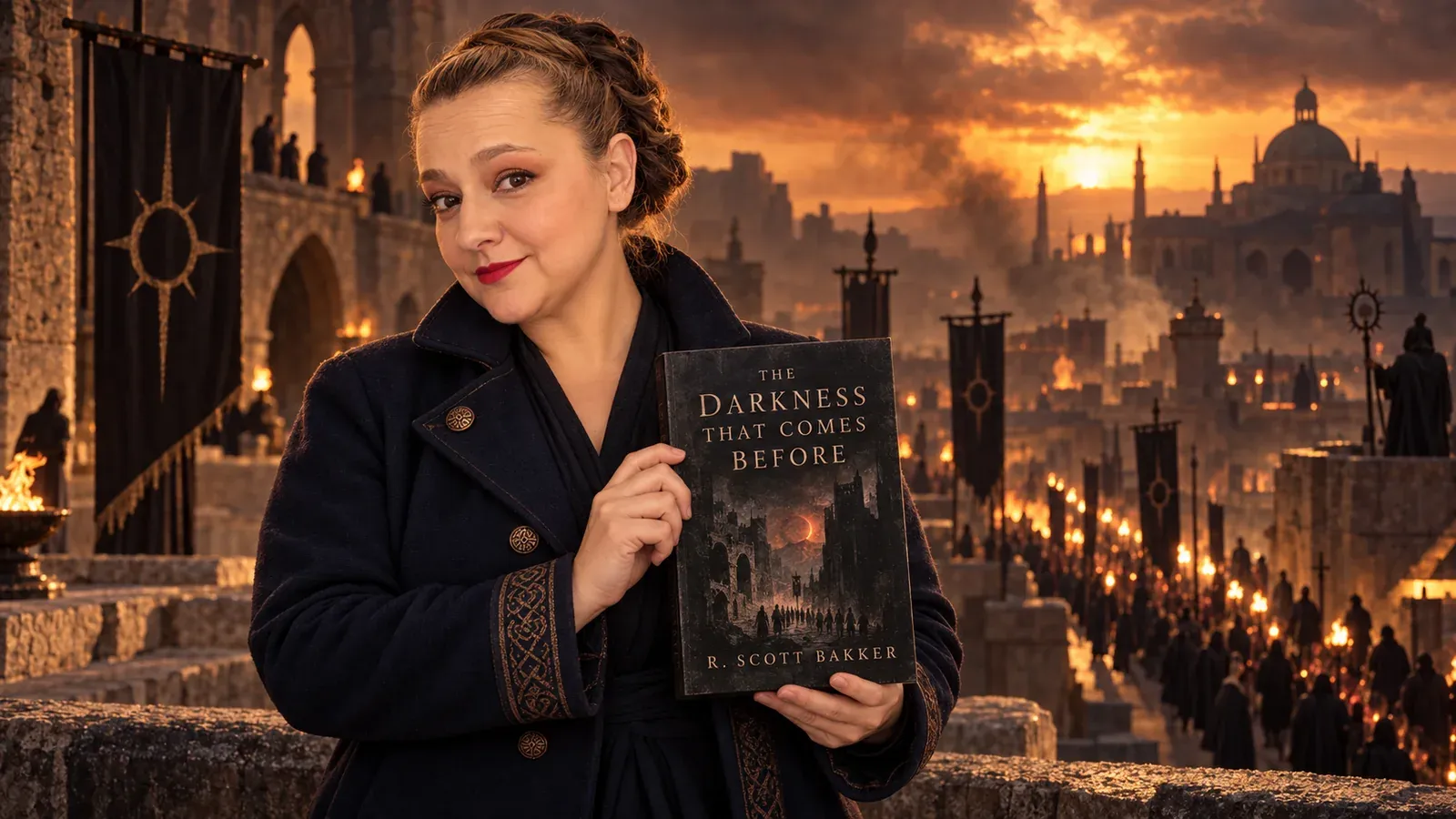
R. Scott Bakker
The Darkness That Comes Before
The Darkness That Comes Before: Kellhus reads your soul and turns it into an instruction manual
A holy war, a sorcerer dreaming about the end of the world, a barbarian who recognizes the manipulator, and a man trained to turn every human emotion into a tool. Light reading this certainly is not.
November 20, 2026
Want more like this? Join the Readers Club and get one of my books for free.
Share
My books
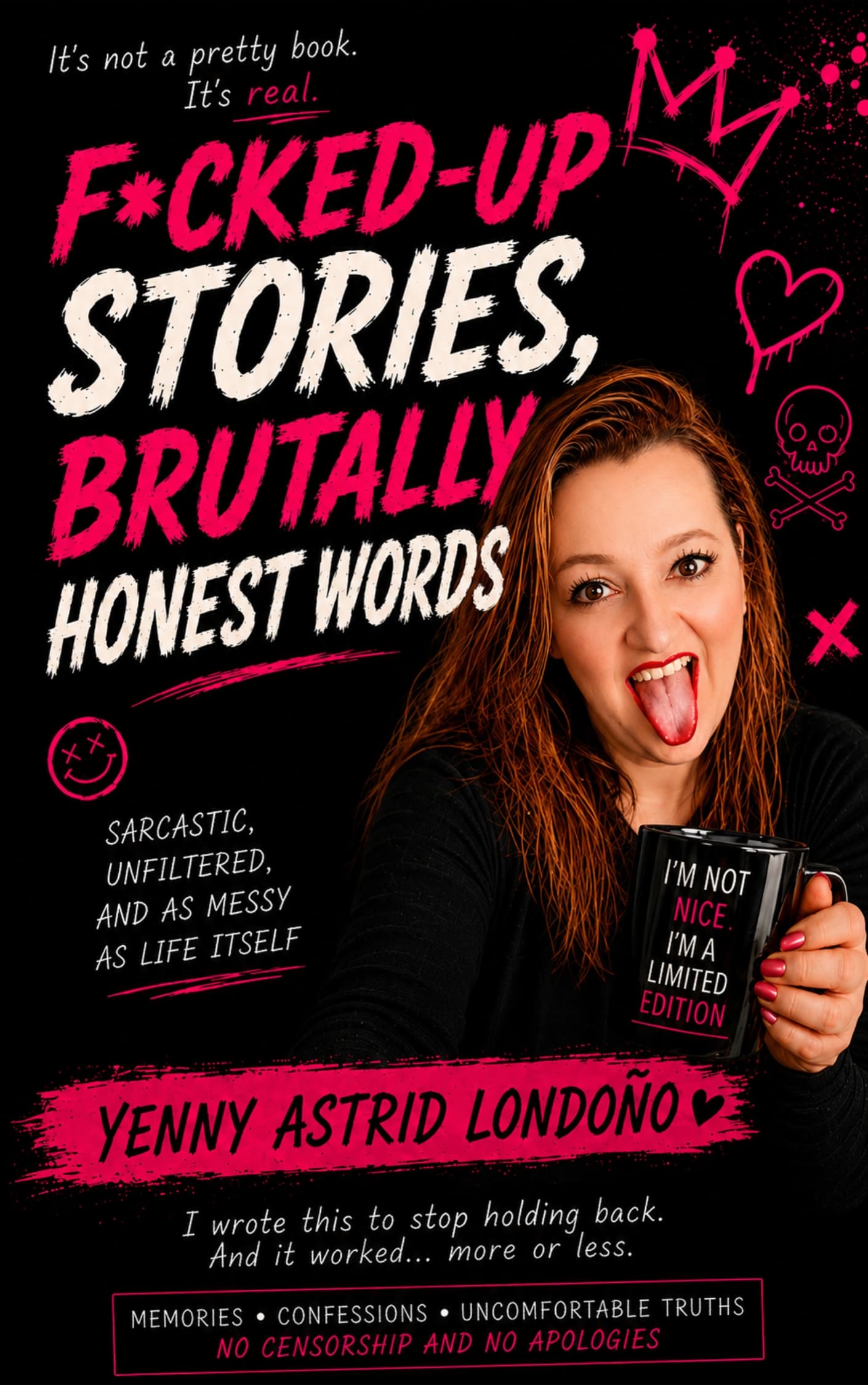
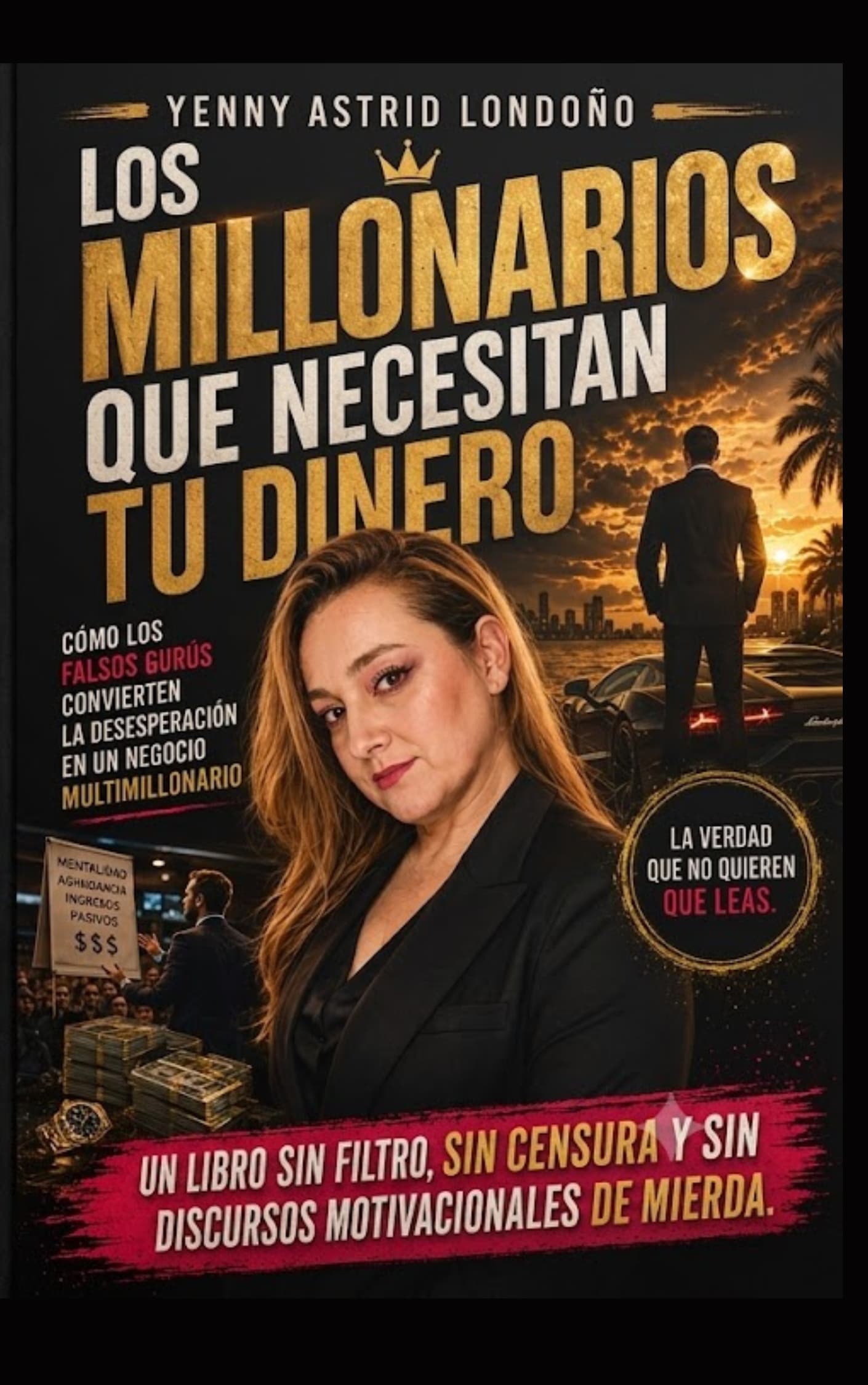
Books by Yenny Astrid Londoño





About the author
Yenny Astrid Londoño
Yenny Astrid Londoño is a Colombian author and entrepreneur, founder of Anchetas Medellín. She writes about real life with sarcasm, irony and smart humor, turning everyday situations, mistakes and imperfect relationships into stories that readers can laugh at and recognize themselves in.
A free book from me
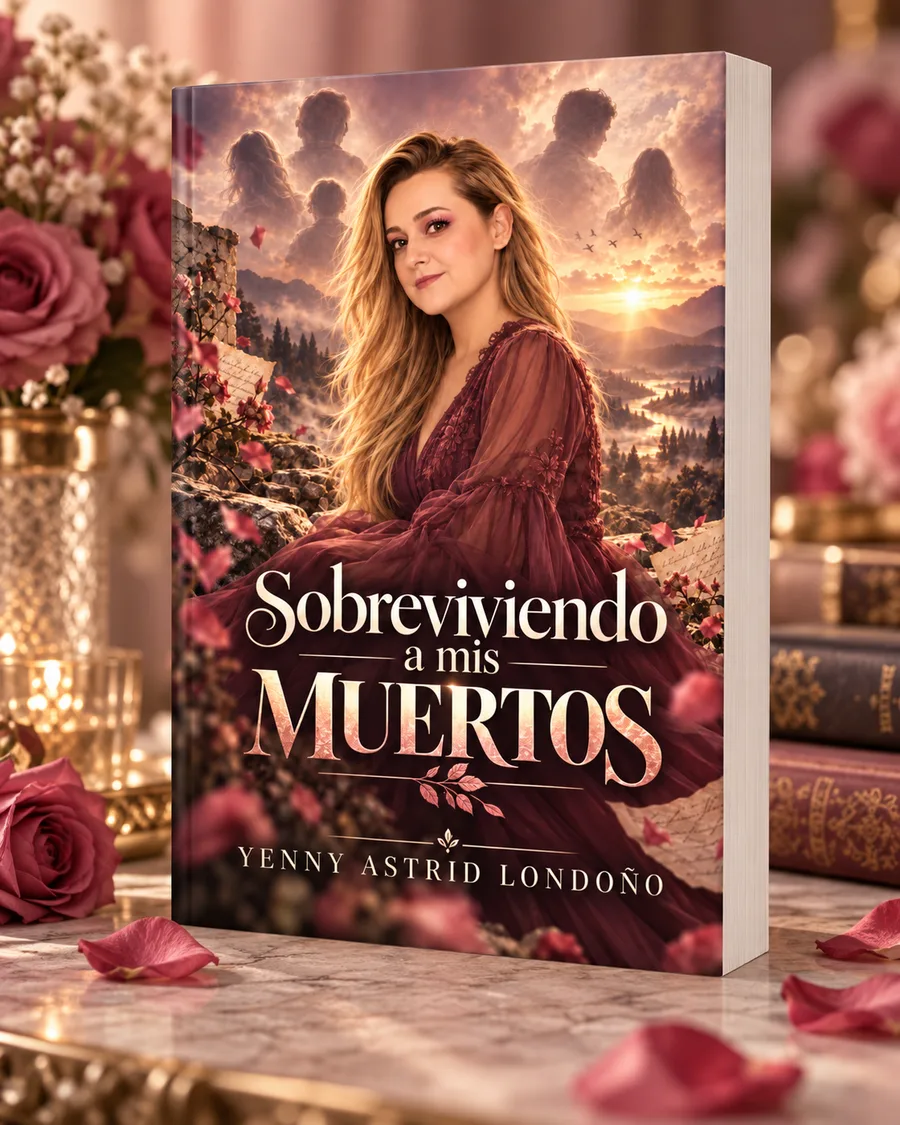
Get a free book from me
Subscribe and get Sobreviviendo a mis muertos in full as a PDF.
After that, I'll only write when I have something worth telling you.
Also available: Read this review in Spanish →