
Book review
Tigana:
Brandin destroyed a province and then stole its name. Twenty years later, musicians, princes, and liars try to recover memory without becoming the thing they fight.
By Yenny Astrid Londoño · November 18, 2026 · 8 min read
Share
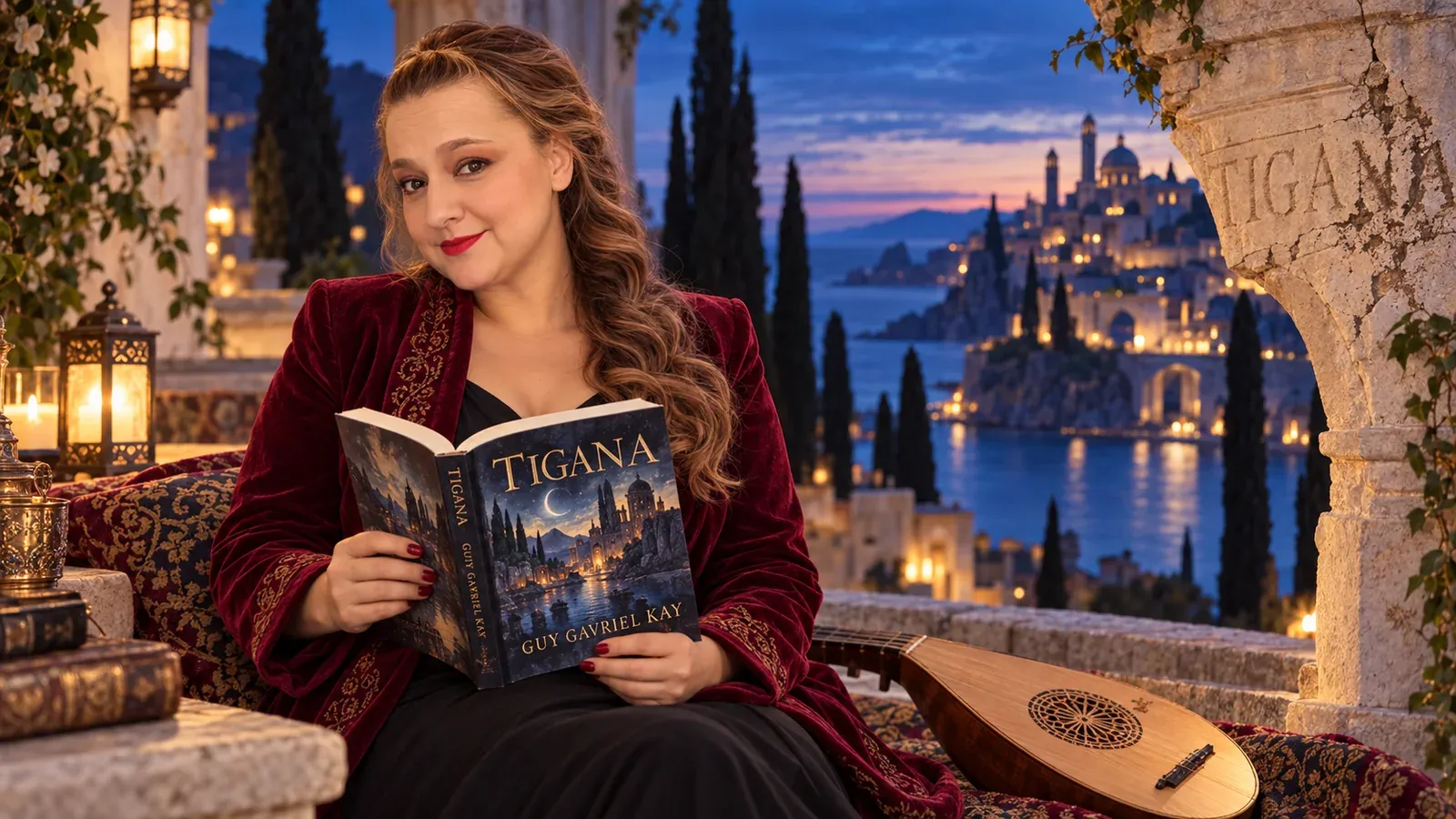
The Book
Tigana
Political epic fantasy
by Guy Gavriel Kay
4.5 out of 5 stars
A memorable political fantasy about identity, memory, and the moral cost of resistance. It loses half a point for excessive lyricism, convenience, and the pattern of sacrifice imposed on its…
Some conquests change a flag. Others try to decide whether you ever existed. Brandin of Ygrath loses his son during the invasion of Tigana and responds by destroying the province. That would be enough horror, but he also casts a curse: only people born there before its fall can hear and remember its true name. To the rest of the Peninsula of the Palm, Tigana becomes an absence without a word.
Twenty years later, Devin, a young musician with an exceptional memory, unknowingly joins the group led by Alessan, the surviving prince of Tigana. Resistance cannot simply kill Brandin. Alberico of Barbadior controls the east, and if one falls first, the other will claim the whole peninsula. The plan is to push two tyrants into war and make sure neither arrives to collect the prize.
Tigana is a novel about memory, identity, nationalism, love, and the atrocities a righteous cause can learn to justify. It is also melodramatic, sensual, and sometimes so aware of its own beauty that it stares into the mirror one page too long. But when it works, it does not treat a lost country as territory. It captures the terror of being unable to make anyone pronounce what you know existed.
A province without a name still exists, but proving it becomes harder every year
Brandin's curse works because it destroys more than records. It breaks the transmission of memory. People born in Tigana can speak the name among themselves, but their children and neighbors cannot hear or retain it. One generation carries a history that will die with them unless somebody breaks the spell.
Kay turns a name into emotional territory. Recovering it is not decorative nostalgia. It prevents a second death. Streets and mountains remain, renamed and governed by the invader, while their original identity becomes private truth. The most effective violence does not always burn a house. Sometimes it forces survivors to spend their lives explaining that the house once had another name.
Devin hears Tigana and discovers his life had a locked room
Devin learns the secret during a musical performance and joins Alessan, Catriana, and Baerd. His ear and memory make him useful, but his emotional importance comes from representing the generation raised after defeat, people who inherited symptoms without receiving the diagnosis.
Hearing the name reorganizes his past. Kay understands that recovering identity does not bring immediate peace. It brings anger, belonging, and a debt Devin never chose. His change from musician to conspirator happens quickly, though not because he is chosen. It happens because he realizes an enemy edited his biography.
Alessan wants to free Tigana and is willing to get the word freedom very dirty
Alessan is Tigana's heir and the architect of the plan against Brandin and Alberico. Traveling as a musician, he gathers allies and uses music, politics, seduction, and magic to move larger forces. His intelligence is attractive. His habit of choosing for others is not.
Erlein, the wizard Alessan compels to cooperate, exposes the contradiction. The cause is just, but the prince uses coercion and justifies it through the mission's scale. The novel does not completely absolve him. It asks how much harm resistance can permit before repeating the conqueror's moral language. That discomfort makes him better than a flawless liberator.
Catriana carries the cause in her body, and the novel sometimes confuses agency with sacrifice
Catriana grew up defined by Tigana's loss and the duty to restore it. She is fierce, disciplined, and willing to make her body a tool of conspiracy. Her relationship with Devin begins through secrets and choices made on his behalf, so desire never arrives clean.
Her anger interests me. The frequency with which the novel connects female value to seduction, beauty, or sacrifice does not. Catriana makes important decisions, but the story enjoys placing women in situations where their bodies pay admission to politics. Thematic intention does not erase repetition.
Dianora entered the saishan to kill Brandin and fell in love with the man who erased her country
Dianora is the novel's hardest contradiction. Born in Tigana, she enters Brandin's harem to assassinate him. Years later she is his favorite, his confidante, and the person he loves. She has not forgotten what he did, but she cannot deny the bond they built.
Kay does not make Brandin innocent because he can love. That is the point. Political monsters do not need to be incapable of tenderness. They can love one person and destroy thousands. Dianora sees the man, grief, intelligence, and guilt behind the tyrant. Understanding him cannot repair Tigana, but it prevents her from turning him into a convenient shape she can kill without feeling.
Brandin and Alberico: two ways to turn a country into private property
Alberico rules the east through practical brutality and imperial ambition. Brandin rules the west from a private wound turned into public policy. One wants advancement in Barbadior; the other remains in the Palm to sustain revenge against people who have already paid repeatedly.
Alessan understands neither can inherit the other's absence. That strategy makes rebellion more interesting than assassination. Freeing Tigana requires asking what comes after the tyrant. Removing one power without changing its replacement may change the portrait while preserving the cage.
Baerd, the Night Walkers, and the price of turning grief into a profession
Baerd, Dianora's brother, has dedicated his life to the struggle. His journey with the Night Walkers expands the spiritual side of the novel and shows another kind of loss: communities trapped in cycles nobody remembers how to end.
His bond with Elena gives him a life outside revenge, although the book never lets him forget it completely. Baerd represents what happens when a cause occupies every part of a person. Victory can return a name. It cannot return the years when nobody allowed themselves to imagine a life afterward.
Rhun looks like a broken fool until the novel reveals who carried the cruelest punishment
Rhun, Brandin's Fool, appears damaged, uncomfortable, and pitiful. The ending reveals him as Valentin, Alessan's father and the former prince of Tigana, physically and mentally mutilated by Brandin. The truth rearranges every silence, gesture, and measure of the conqueror's cruelty.
When Rhun recovers enough identity to kill Brandin, the curse falls. The son does not complete the revenge he planned for years. The father everyone believed dead does. The twist works because it does not restore Valentin. It grants him one final act of consciousness and confirms that victory cannot compensate for what was done to him.
What I did not like: emotion sometimes arrives dressed for a five-hour opera
Kay writes beautifully, but some scenes underline emotion until the fluorescent marker becomes visible. Looks, songs, desire, and farewells receive lyrical attention that can be powerful or exhausting. A few coincidences and magical solutions arrive exactly when the plan needs oxygen.
I also question the women's endings. Dianora drowns herself after Brandin dies; Catriana and other women face sexual danger or repeatedly use seduction as a tool. They possess agency and complexity, but the novel links their power too often to the body and their resolution to sacrifice. Tragedy does not stop being tragedy because the sentence is gorgeous.
The ending defeats two tyrants, restores a name, and leaves one truth buried
Alessan succeeds in bringing Alberico and Brandin into conflict. Brandin kills Alberico; Rhun kills Brandin; the curse breaks, and Tigana can be heard again. Dianora, unable to reconcile love and history, gives herself to the sea. The peninsula is free but not intact.
Scelto knows the truth about Dianora and Valentin but chooses silence. Alessan never learns that his father survived as Rhun or understands Dianora's final conflict. After a novel dedicated to recovering memory, the ending preserves another incomplete version. It is uncomfortable and coherent: no nation retrieves every truth in a single victory.
My verdict: remembering is resistance, but it does not make the cause pure
Tigana is an ambitious, political, deeply emotional standalone fantasy. Its greatest achievement is turning a name into a question about who has the right to define collective reality. Brandin, Dianora, and Alessan prevent the conflict from becoming morally comfortable.
I am giving it four and a half stars. I am taking off half a point for excess lyricism, convenient devices, and the repeated connection between femininity, seduction, and sacrifice. The central idea and its contradictions remain. Kay knows freeing a country does not automatically restore the lost or clean the hands of those who fought. Tigana gets its name back. The wound does not disappear because we can pronounce it.
Frequently asked questions about Tigana
Is Tigana a standalone novel?
Yes. It tells a complete story about the liberation of the Peninsula of the Palm and requires no sequel.
What is the curse in Tigana?
Brandin magically erases the province's name and memory for everyone except people born there before the conquest.
Who is Alessan?
He is the surviving prince of Tigana and the leader of the group trying to bring Brandin and Alberico down and free the peninsula.
Does Dianora really love Brandin?
Yes. She enters his saishan to kill him but falls in love without forgetting that he destroyed her province. That contradiction defines her tragedy.
Who is Rhun in Tigana?
Rhun is Valentin, Alessan's father and Tigana's prince, whom Brandin turned into his Fool. He recovers enough consciousness to kill Brandin.
Does Tigana have romance?
Yes, but romance is tied to politics, guilt, and loss. Dianora and Brandin, Alessan and Catriana, and other relationships never function as easy relief.
How does Tigana end?
Brandin kills Alberico, Rhun kills Brandin, and the curse breaks. Dianora dies, Tigana recovers its name, and the possibility of uniting the Palm remains.
The Book
Would I recommend Tigana? Here is my honest verdict.
Tigana
by Guy Gavriel Kay
Find the book on AmazonIf you buy through this link, Yenny earns a small commission and you pay the same price.
Keep reading
If you liked it, keep going
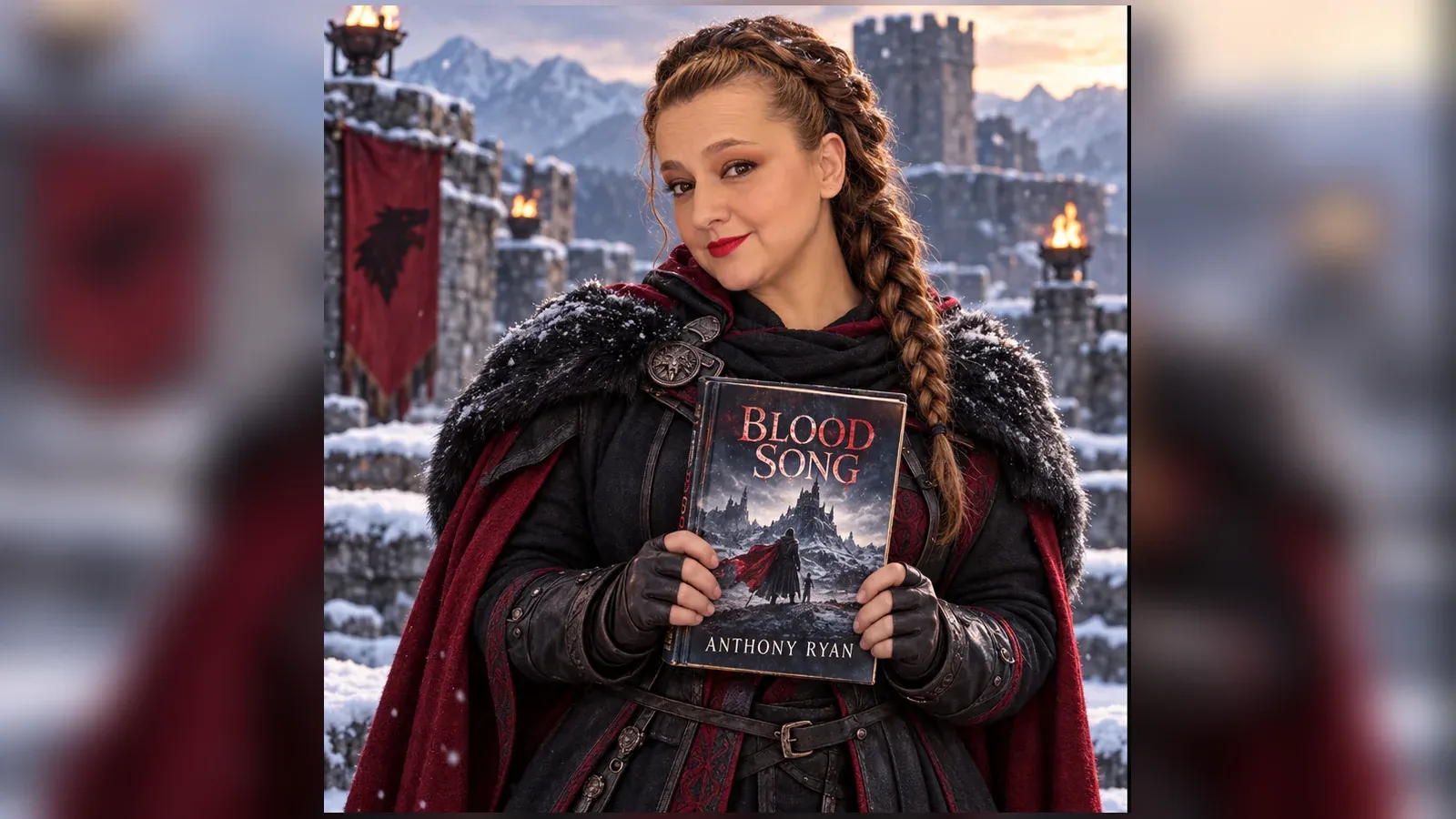
Anthony Ryan
Blood Song
Blood Song: Vaelin entered the Sixth Order as a child and left as the legend everyone wanted to use
A father abandons his son to a military order, a king discovers the boy is useful for war, and a voice in his blood keeps him alive without explaining the bill.
November 23, 2026
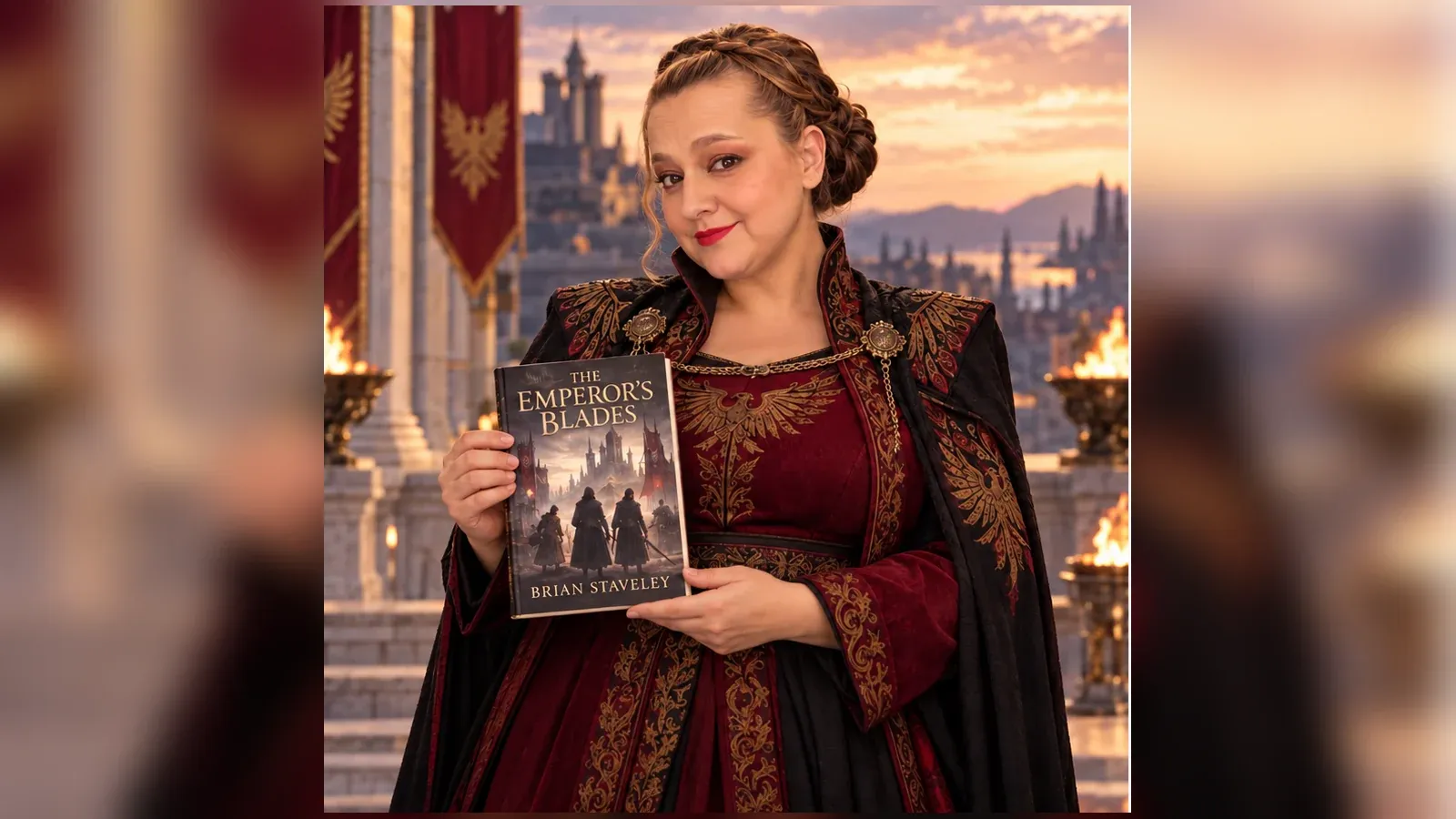
Brian Staveley
The Emperor’s Blades
The Emperor’s Blades: three heirs, one corpse, and an empire that clearly skipped crisis planning
The emperor of Annur is dead, and his three children are scattered between a monastery, a military academy, and a capital full of smiling people with knives behind their backs.
November 22, 2026
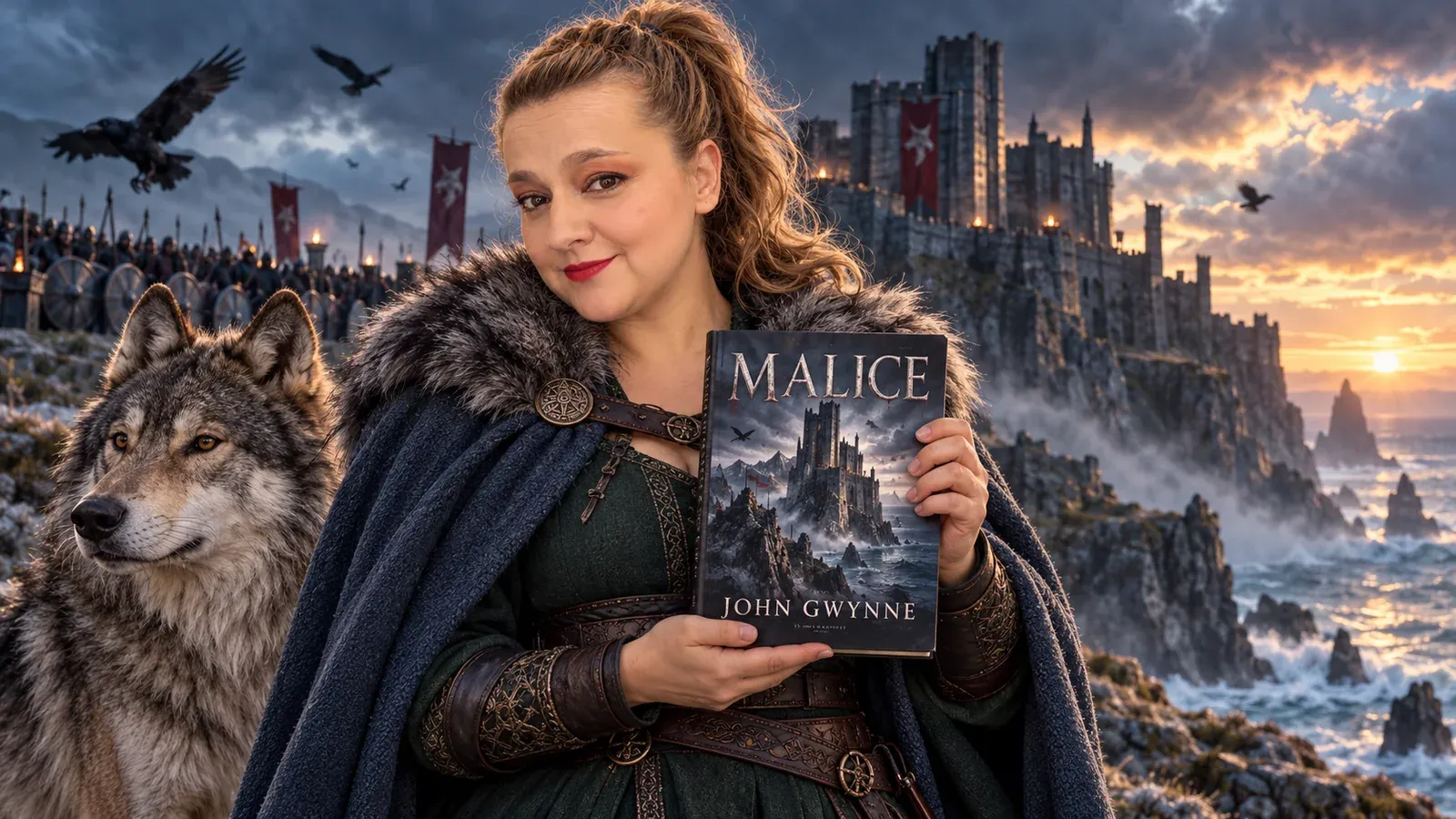
John Gwynne
Malice
Malice: Corban wanted to be a warrior and inherited a badly managed war between gods
A prophecy promises a Bright Star and a Black Sun. While powerful men decide which title flatters them best, a boy, a giant wolf, and several families get stuck with the bill.
November 21, 2026
Want more like this? Join the Readers Club and get one of my books for free.
Share
My books
Books by Yenny Astrid Londoño







About the author
Yenny Astrid Londoño
Yenny Astrid Londoño is a Colombian author and entrepreneur, founder of Anchetas Medellín. She writes about real life with sarcasm, irony and smart humor, turning everyday situations, mistakes and imperfect relationships into stories that readers can laugh at and recognize themselves in.
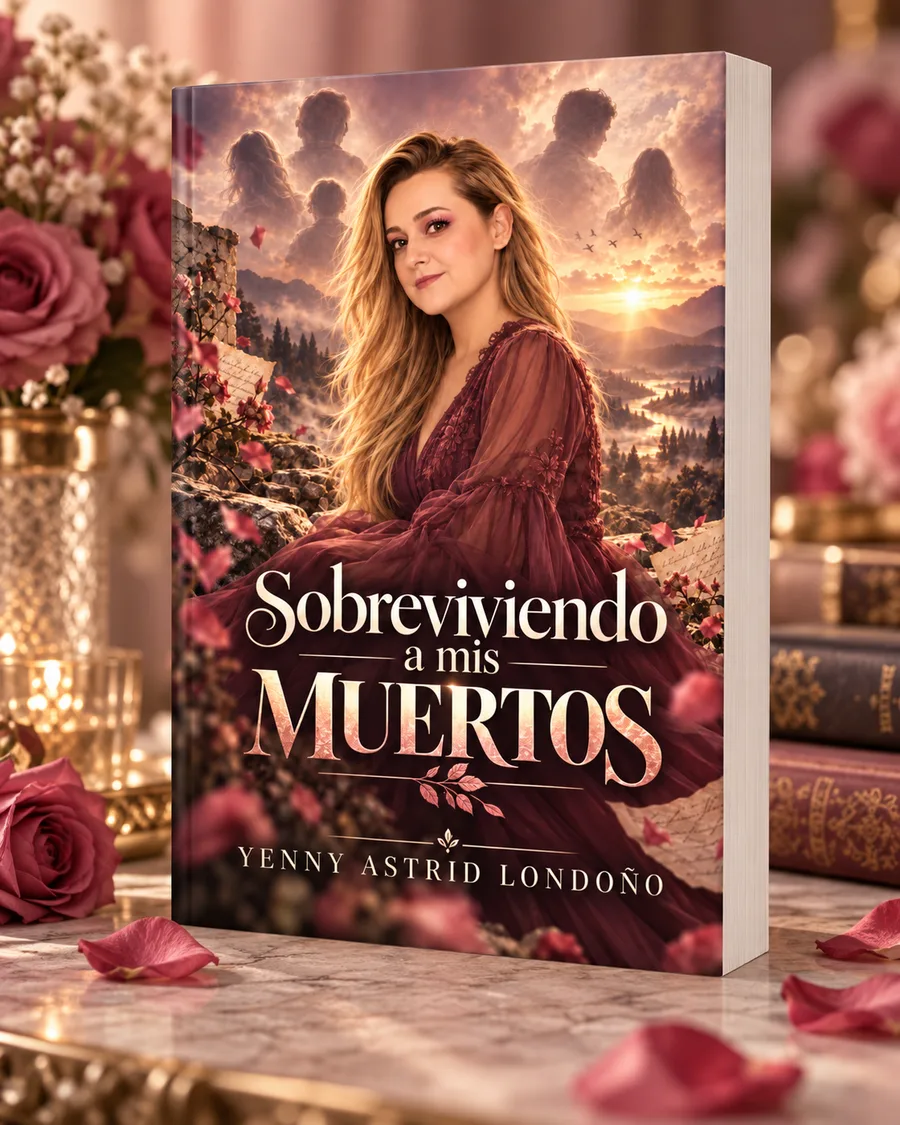
A free book from me
Get a free book from me
Subscribe and get Sobreviviendo a mis muertos in full as a PDF.
After that, I'll only write when I have something worth telling you.
Also available: Read this review in Spanish →