
Book review
The Shadow of the Wind by Carlos Ruiz Zafón:
Daniel Sempere enters the Cemetery of Forgotten Books and chooses a novel. I have made bad purchases, but none came with a stranger determined to destroy every copy.
By Yenny Astrid Londoño · October 23, 2026 · 8 min read
Share
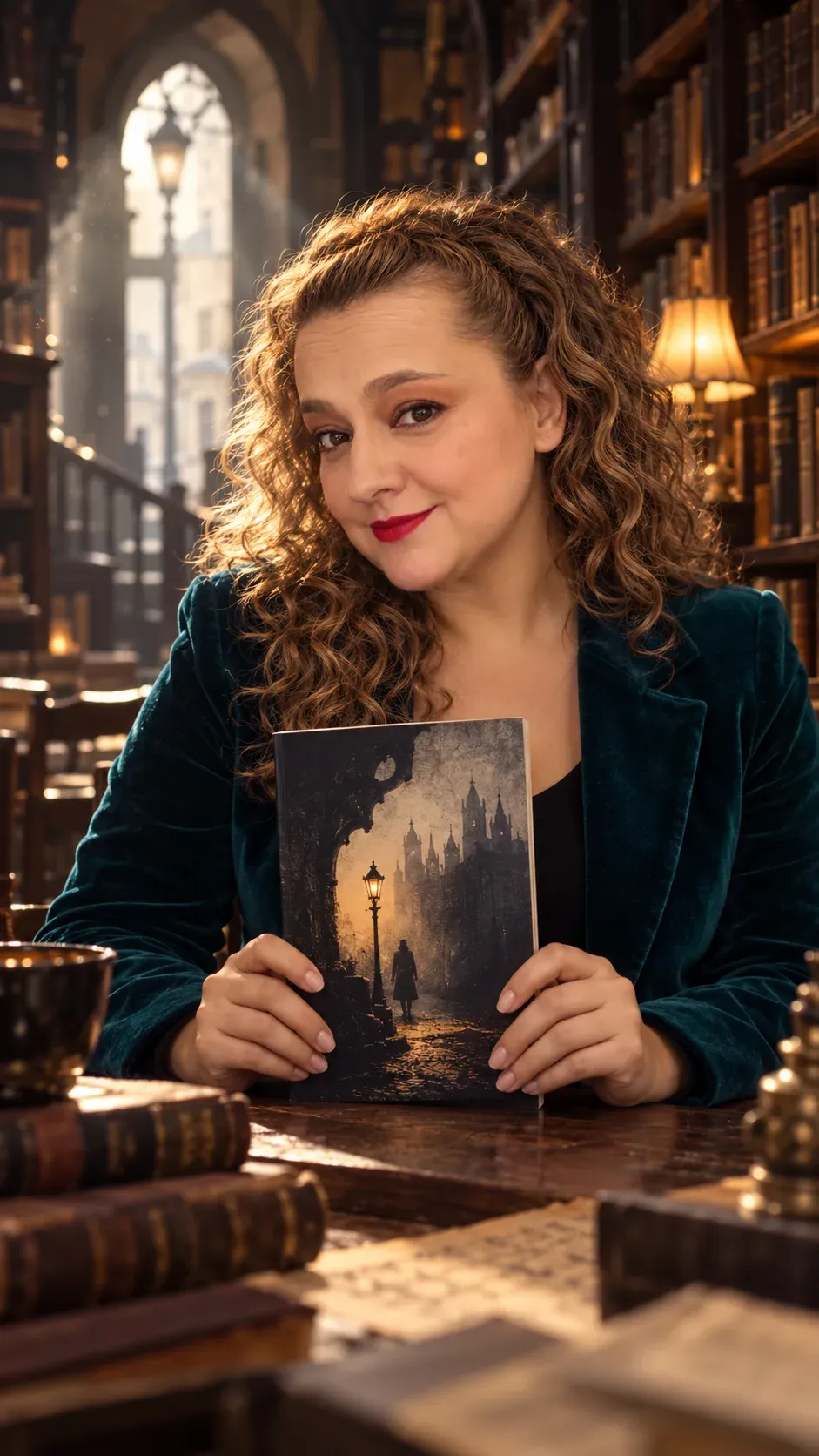
The Book
The Shadow of the Wind
by Carlos Ruiz Zafón
4.5 out of 5 stars
The city, Daniel, Fermín and the mystery of the hunted book have a force that stays with you.
A father, a son and the best impossible place
Barcelona, 1945. Daniel Sempere’s father takes him to a hidden place in the old city: the Cemetery of Forgotten Books. Daniel chooses The Shadow of the Wind, by Julián Carax, and becomes tied to a story other people seem determined to erase. I love that opening because it does not need gunshots to make me nervous. A boy, a book and an adult who knows books can be saved—or made to disappear—are enough.
Daniel’s father does not hand him a reading list to improve his grades. He gives him a responsibility. Protecting a book when someone wants to destroy it feels a lot like protecting an uncomfortable memory. You can close it and pretend you saw nothing. Daniel, of course, picks the option that will bring him the most trouble. Readers do that with embarrassing frequency.
Julián Carax: the name someone tried to erase
Carax is the author of the novel Daniel rescues. His books are being forgotten and destroyed. That idea unsettles me more than a library full of locks. This is not only about losing paper; someone is trying to decide which stories may keep circulating and which will become a blank space on the shelf.
We talk about censorship as if it always arrives with a decree, a stamp and a very serious man. It can also work by buying copies, hiding traces or making sure a name is no longer mentioned. Daniel is not chasing a rare book so he can show it off in a glass case. As he follows Carax, he finds secrets binding the book to its author’s life—secrets the city would rather leave alone.
Barcelona has streets and scars
The postwar setting is not pretty fog for posing under a lamppost. It is a time when power decides who speaks, who stays quiet and who gets to survive without explaining too much. The official Zafón description presents Barcelona as a city moving from modernist splendor into postwar darkness. That historical scale presses on Daniel even before he understands all its causes.
I love a literary city when it does more than tell me it is raining on cobblestones. Barcelona can hold a shop, a pursuit, a bookshop and a political wound in streets someone could actually walk. But let us not romanticize ruin. Nostalgia is gorgeous when you view it from a café; considerably less so when the police have permission to make your life hell.

Daniel starts looking for a writer and ends up growing up
Daniel is a bookseller’s son, a curious boy and the owner of a copy other people want. His investigation does not happen inside a detective-story bubble. It crosses years in which he learns to fall in love, make mistakes and look at adults with less innocence. The Carax mystery also becomes a coming-of-age story.
There is an age when discovering that grown-ups lie feels like a personal revelation. Then you become an adult and understand that yes, we lie, but we also inherit other people’s lies and sometimes call them prudence. Daniel finds that mixture. I care more about watching him change as he learns than watching him simply reach an answer.
Fermín arrives with plenty of jokes and wounds he does not advertise
Fermín Romero de Torres enters Daniel’s world with an uncertain past and a way of speaking that fills the room before anyone turns on the light. His humor matters: a novel full of shadows needs a voice that can puncture the solemnity when it starts believing it is too beautiful.
But Fermín should not become a joke machine, producing a memorable line in every scene. People who make everyone laugh also carry stories nobody asks about because it is more comfortable to leave them telling jokes. I like that his friendship with Daniel helps the investigation and lets us see the postwar years through a vulnerability different from that of the boy protected by his family’s bookshop.
The man following the book is not following paper
Daniel discovers that someone is deeply interested in Carax’s copy, and the figure of Laín Coubert blurs the boundary between fiction and threat. That name already exists inside the novel Daniel read; seeing it outside changes the temperature of every street.
You do not need to believe in ghosts to feel the effect. Sometimes a story becomes powerful enough that people use its symbols in the real world. The pursuer knows a literary mask can frighten more than an ordinary face. I would ask why he needs to hide behind fiction. If what he wants is to destroy books, perhaps what he fears is someone reading to the end.
Tragic love does not require me to turn off my judgment
Zafón’s own presentation calls The Shadow of the Wind a tragic love story that echoes through time. I am interested in love that leaves consequences. What I do not automatically buy is the idea that calling something “tragic” makes every selfish decision noble.
Characters can love, hurt, stay silent and regret it. I want all four things at the same table. If a lie ruined somebody’s life, a beautiful sentence does not turn it into a sublime sacrifice. Zafón writes with a strong appetite for the romantic and the dark; that is exactly why it is worth reading without leaving your moral judgment at the door with your coat.
Forgotten books are not books without owners
The Cemetery looks like a refuge for abandoned works. It also makes me think about everything lost because nobody kept, catalogued or told it. Families have their own graveyards of stories: letters an aunt hid, photographs without names, versions of an argument that change depending on who served lunch.
Daniel saves one copy, but he cannot really protect it without asking about the story around it. That is the beauty of the premise. Reading is not just moving your eyes over a page and coming out clean. Sometimes reading means taking responsibility for what you learned. What an inconvenient way to choose a hobby.
Daniel receives a book and ends up following the footprints of an entire city.
The Cemetery of Forgotten Books, Julián Carax and postwar Barcelona need one another. Remove any one of them and the search loses its atmosphere and its reason. Fermín, with his jokes and his history, gives the darkness some breathing room.
Inherited memory can suffocate, too
Daniel receives a book, but along with it he inherits questions that belonged to another generation. That inheritance can make him more attentive and also steal room from his own life. Families work that way: a mother stays quiet about an old fight, a child senses the tension without knowing the story, and then tries to repair what nobody explained. I like that the novel shows the weight of that inheritance. Remembering matters; expecting a boy to fix alone what adults broke would be another kind of abandonment, however beautiful the library.
What I did not like
Zafón’s prose can linger over an image or a speech until atmosphere takes space away from the action. And once Julián Carax’s life becomes the story’s magnetic center, some women risk being defined by what they mean to the men who remember them. A beautiful sentence cannot replace the development of a person.
Who is this book for?
For readers who love literary mysteries, cities with a memory, bookshops and long novels mixing romance, history and suspense. If you expect a thriller full of constant chases, this book would rather let you get lost in the streets and return with more questions. And if ornate prose is not your thing, try a sample first: Zafón’s voice is a big part of the trip.
Daniel does not rescue a book just to leave it alone
Yes, if you like bookshops, cities with a past and mysteries that turn reading into a kind of disobedience. Enter through the Cemetery of Forgotten Books and stay for Daniel and Fermín; just do not ask Zafón to write as if he were in a hurry.
My rating
4.5 out of 5 stars. The city, Daniel, Fermín and the mystery of the hunted book have a force that stays with you. I take off half a point for the temptation to make pain so beautiful that some people become symbols before they get to be people. Even a cemetery of books needs air.
Frequently asked questions
What is The Shadow of the Wind about?
In 1945 Barcelona, Daniel Sempere rescues a novel by Julián Carax from the Cemetery of Forgotten Books and starts asking why someone wants to erase the work and the writer’s story.
Who is Daniel Sempere?
He is a bookseller’s son in Barcelona and the protagonist of the investigation that begins with Carax’s book.
Who is Julián Carax?
He is the mysterious writer of The Shadow of the Wind, whose life and work lie at the center of the mystery.
Who is Fermín Romero de Torres?
He becomes close to Daniel, has an enormous gift for language and carries a past marked by the city’s recent history.
Is this the first book in the Cemetery of Forgotten Books series?
Yes. It was the first novel in the cycle, and you can start here without any preparation.
Is it fantasy or a mystery?
It combines literary mystery, history and a gothic atmosphere. The plot begins with human secrets in postwar Barcelona.
Is The Shadow of the Wind part of a series?
Yes. It is the first novel in the Cemetery of Forgotten Books cycle, followed by The Angel’s Game, The Prisoner of Heaven and The Labyrinth of the Spirits.
The Book
The Shadow of the Wind
by Carlos Ruiz Zafón
Get the bookIf you buy through this link, Yenny earns a small commission and you pay the same price.
Keep reading
If you liked it, keep going
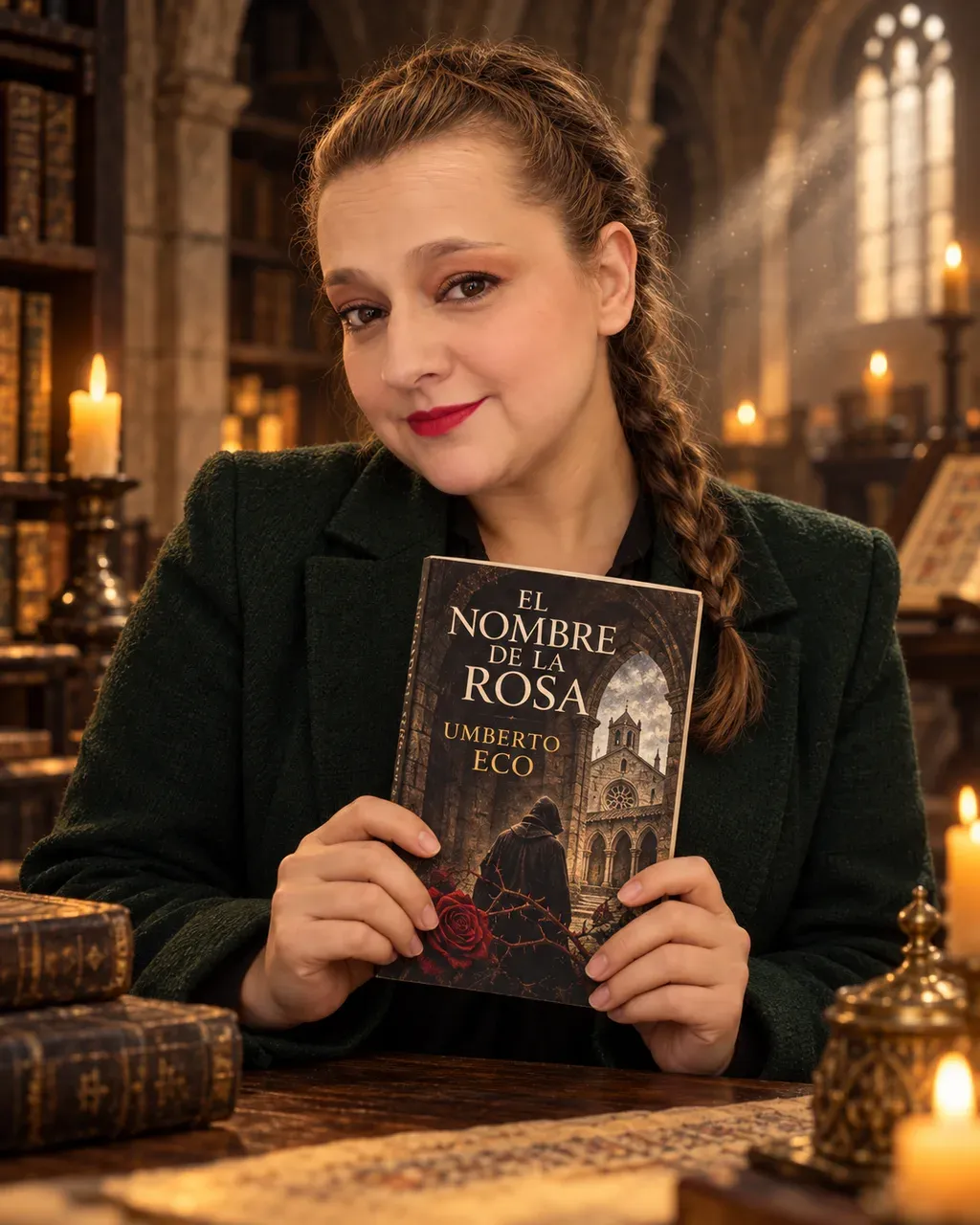
Umberto Eco
The Name of the Rose
The Name of the Rose: a monastery, a detective and a library that doesn't want readers
Umberto Eco's The Name of the Rose: William of Baskerville, young Adso and a deadly abbey library. My honest review, 4 out of 5 stars, lectures included.
October 22, 2026

Adalyn Grace
Belladonna
Belladonna by Adalyn Grace: an heiress, a ghost and Death with more presence than several living people
A gothic mansion, poison and a young woman looking for answers among people hiding far too much. This is my spoiler-light review of Adalyn Grace’s Belladonna, a mystery about an heiress who can see Death and a family that could use fewer secrets and more honest conversation.
October 27, 2026
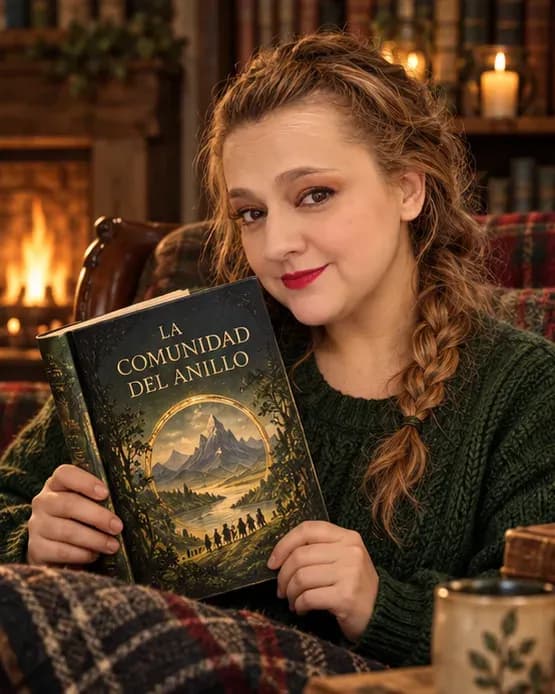
J. R. R. Tolkien
The Fellowship of the Ring
The Fellowship of the Ring by J. R. R. Tolkien: a dangerous mission and far too many people trusting a ring
An epic journey, friendship and a piece of jewelry that should come with a warning label. Here is my spoiler-light review of the first part of The Lord of the Rings. If you only know the films, the book takes longer to walk, talk, sing and tell you the history behind each place. Tolkien is not trying to get you to Mordor by taxi; first he wants you to understand why arriving matters.
October 27, 2026
Want more like this? Join the Readers Club and get one of my books for free.
Share
My books
Books by Yenny Astrid Londoño



About the author
Yenny Astrid Londoño
Yenny Astrid Londoño is a Colombian author and entrepreneur, founder of Anchetas Medellín. She writes about real life with sarcasm, irony and smart humor, turning everyday situations, mistakes and imperfect relationships into stories that readers can laugh at and recognize themselves in.

A free book from me
Get a free book from me
Subscribe and get Sobreviviendo a mis muertos in full as a PDF.
After that, I'll only write when I have something worth telling you.
Also available: Read this review in Spanish →