
Book review
The House of the Spirits:
Isabel Allende's The House of the Spirits: Clara, Esteban and Alba, family memory and political violence. Honest review, 4.5 out of 5.
By Yenny Astrid Londoño · October 21, 2026 · 7 min read
Share
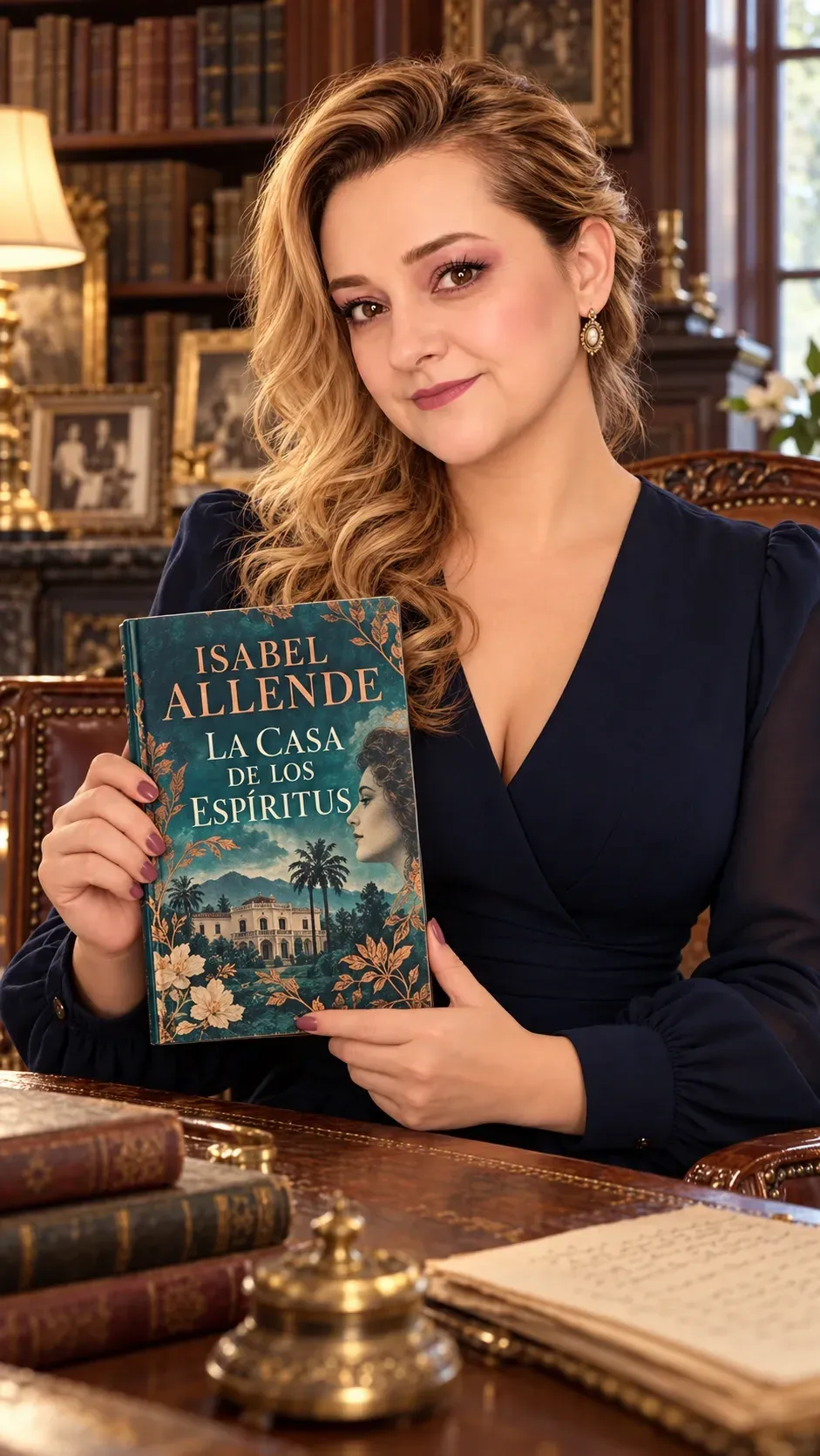
The Book
The House of the Spirits
Literary fiction
by Isabel Allende
4.5 out of 5 stars
Esteban Trueba builds a house, accumulates power and confuses loving with possessing so many times that the next generations inherit an impossible bill to ignore.
A family saga that asks who gets to tell the story
Clara writes in her notebooks because memory alone cannot keep everything from disappearing. Esteban Trueba builds a house, accumulates power, and repeatedly confuses loving someone with possessing them. The next generations inherit more than rooms and family names; they inherit a history that some people want to remember and others would rather edit. Isabel Allende’s The House of the Spirits draws me in not only with ghosts and a large family, but with the question of who gets to decide what happened.
The novel moves across generations, and its scale is part of the pleasure. Private choices echo into public life; political history enters the home and changes what a family can say out loud. Magical realism gives the extraordinary a place at the table without asking the reader to file a police report on every ghost. The result is a story where memory has work to do. It can preserve a voice, but it can also become another family property someone tries to control.
Esteban Trueba and the habit of calling cruelty “character”
Esteban is forceful, proud, and accustomed to believing that what he wants should become the rule. A generous description might call him passionate. I would ask who gets hurt while we are busy polishing that word. The novel traces how power moves through the family and how Esteban’s behavior leaves consequences that do not disappear just because he later regrets some of them.
That is one of the book’s strongest tensions: a person can change in some ways and still be responsible for what he did. Regret is not a time machine. Esteban’s presence shapes the family, but the women around him are not merely props for his moral development. The book gives Clara, Blanca, and Alba their own ways of resisting, recording, and surviving. If a man’s temper is treated like weather, the people nearby still get rained on.
Clara, Blanca, and Alba: what the women carry forward
Clara’s notebooks preserve a version of events that the powerful cannot completely erase. Blanca’s relationship with Pedro Tercero becomes one of the places where private desire meets class and political conflict. Alba inherits a world shaped by both tenderness and violence, and her story brings the novel’s questions about memory into sharp focus. These women do not all have the same kind of power, but they each change what the family can remember.
The title’s spirits are not the only presence that lingers. People’s choices remain in the house, in family habits, in the stories children are told, and in the silences that adults mistake for peace. I like that the novel treats memory as something active rather than a pretty box of old photographs. Remembering can be a form of resistance, though it can also hurt. The book does not promise that writing makes the damage disappear; it gives the people left behind a way to refuse the official version.
The house is large, but someone still has to clean it
A family home can look like the whole world when the people who maintain it are kept outside the story. The novel’s class structure matters because the Trueba household does not exist in isolation. Land, labor, and social hierarchy shape who is heard, who serves, and who benefits when the family calls its customs tradition. A beautiful house can hold a very ugly arrangement of power.
This is where the novel’s political dimensions become more than background. The personal and public histories keep touching each other, and the people without the family’s name still have lives beyond what they provide to the Truebas. I wanted the book to give more room to some of those secondary lives, because the story’s own questions become sharper when we can see who gets pushed toward the margins. The house remembers plenty; the narrative has to decide whose memories get pages.
Magical realism does not make the violence gentle
The extraordinary events in The House of the Spirits sit beside ordinary routines, which is one of the pleasures of magical realism. Yet a supernatural atmosphere does not soften political violence, sexual violence, or class domination. The prose can be beautiful while the events are ugly. Those facts belong together. Calling a book “beautiful” should not become a way of wrapping its hardest scenes in tissue paper so we can avoid discussing them.
I also like the way the novel changes scale, from intimate relationships to national history and back again. Those transitions do not always have the same rhythm, but they make the central point: what happens in a family is not sealed off from the world outside, and public power can reach through a front door. A ghost may be memorable; so is a living person who believes their status makes them untouchable. One of those is easier to blame than the other.
What I did not like
A novel this wide has to choose where to spend its pages. Some secondary characters move past quickly, and I wanted more of their lives rather than only the effect they had on the Truebas. The movement between domestic intimacy, political history, and magical realism is compelling, but not every stretch has the same pulse. At times one emotional thread has barely settled before the story carries us into another decade.
My larger reservation is with the way people sometimes recommend it as a “beautiful family saga” and leave the violence out of the sentence. Beauty is in the writing; it does not make the harm gentle. I give The House of the Spirits 4.5 out of 5 stars for its generational architecture, Clara’s memory, and the way it brings family and power together. I take off half a star for the uneven rhythm and the secondary stories I wanted the novel to stay with longer.
Why the book still deserves a place on the shelf
You do not need to believe in ghosts to recognize what continues to live inside a family after everyone claims the past is over. The novel is worth reading for Clara, Alba, the pressures around Esteban, and its insistence that memory is never neutral. A family can protect itself by forgetting, or it can become more honest by looking at what it handed down.
I recommend it to readers who like family sagas where private life and politics keep changing each other. It is not a comforting story about women and spirits; it includes coercion, class violence, and political brutality. The point is not to leave the reader feeling that everything has been repaired. The point is to see how the people who remain can keep the last word from belonging only to the person who shouted loudest.
Frequently asked questions
It follows several generations of the Trueba family, including Clara, Esteban, Blanca, and Alba. The novel blends family relationships, political history, social inequality, memory, and magical realism.
No. Historical context can add depth, but the family relationships offer a clear way into the novel. Readers can explore the political references further as they go.
Yes, it includes extraordinary events treated as part of everyday life. It is also a family saga and political novel, so one label does not cover the whole book.
Clara is a central member of the Trueba family whose notebooks help preserve its history and whose extraordinary perceptions shape the story.
I give it 4.5 out of 5 stars for its generational structure, memory, and the links between family and power. I wanted more room for some secondary characters and a steadier rhythm.
It has humor, magical elements, and memorable family bonds, but also includes sexual, class, and political violence. “Beautiful” should not be mistaken for gentle.
Frequently asked questions
What is The House of the Spirits about?
It follows several generations of the Trueba family, from the relationship between Clara and Esteban to the lives of Blanca and Alba. It combines family ties, social inequality, memory, supernatural elements and political violence.
Do I need to know Chilean history to read it?
No. The historical context enriches the reading, but the family relationships give a clear entry point. You can explore the political events the novel evokes afterwards.
Is The House of the Spirits magical realism?
It includes extraordinary events treated as part of everyday life, but it is also a historical and political saga. Reducing it to one label leaves out much of its strength.
Who is Clara del Valle?
A central figure in the family and in the book's memory. Her notebooks help preserve episodes others might forget or tell self-servingly.
Is Esteban Trueba a villain?
He is a complex character, with affections and vulnerabilities, but also with acts of abuse and authoritarianism. Understanding how he is built does not mean excusing him.
Does it have difficult scenes?
Yes. It includes sexual violence, inequality, repression and family suffering. Keep that in mind if you are looking for a light read.
The Book
The House of the Spirits
by Isabel Allende
Get the bookIf you buy through this link, Yenny earns a small commission and you pay the same price.
Keep reading
If you liked it, keep going
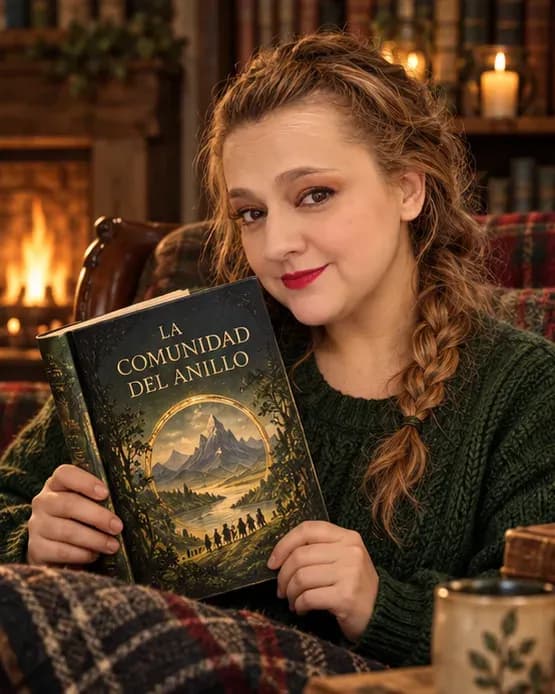
J. R. R. Tolkien
The Fellowship of the Ring
The Fellowship of the Ring by J. R. R. Tolkien: a dangerous mission and far too many people trusting a ring
An epic journey, friendship and a piece of jewelry that should come with a warning label. Here is my spoiler-light review of the first part of The Lord of the Rings. If you only know the films, the book takes longer to walk, talk, sing and tell you the history behind each place. Tolkien is not trying to get you to Mordor by taxi; first he wants you to understand why arriving matters.
October 27, 2026
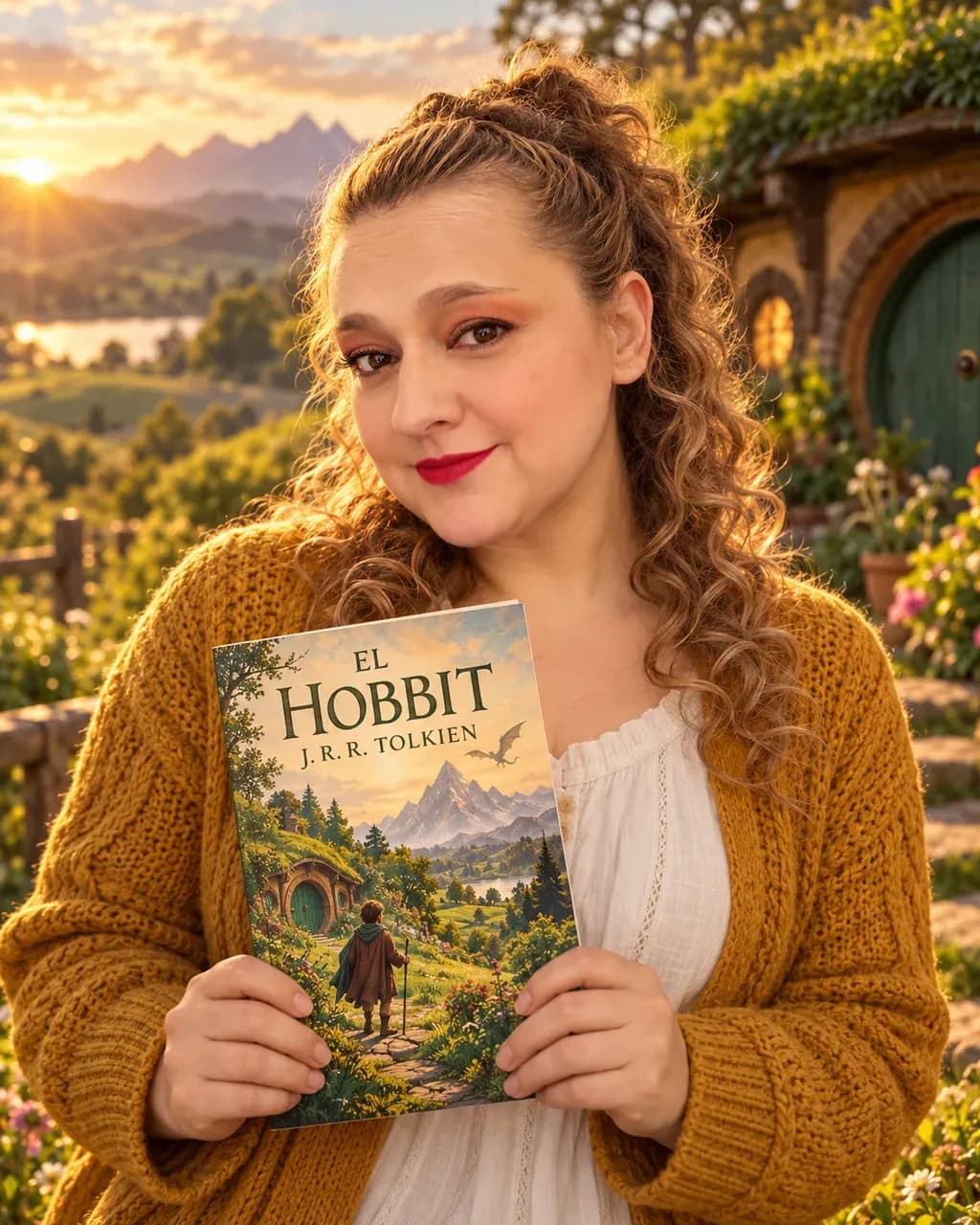
J. R. R. Tolkien
The Hobbit
The Hobbit by J. R. R. Tolkien: a quiet home, a very rude wizard and one trip that should have come with a risk form
Bilbo Baggins likes comfort, good meals and not being disturbed before dinner. Then Gandalf and a company of dwarves arrive and decide he is exactly the person they need for a dangerous journey. This is my spoiler-light review of Tolkien’s The Hobbit, a classic adventure about courage, greed and the inconvenience of having a life-changing Tuesday.
October 26, 2026
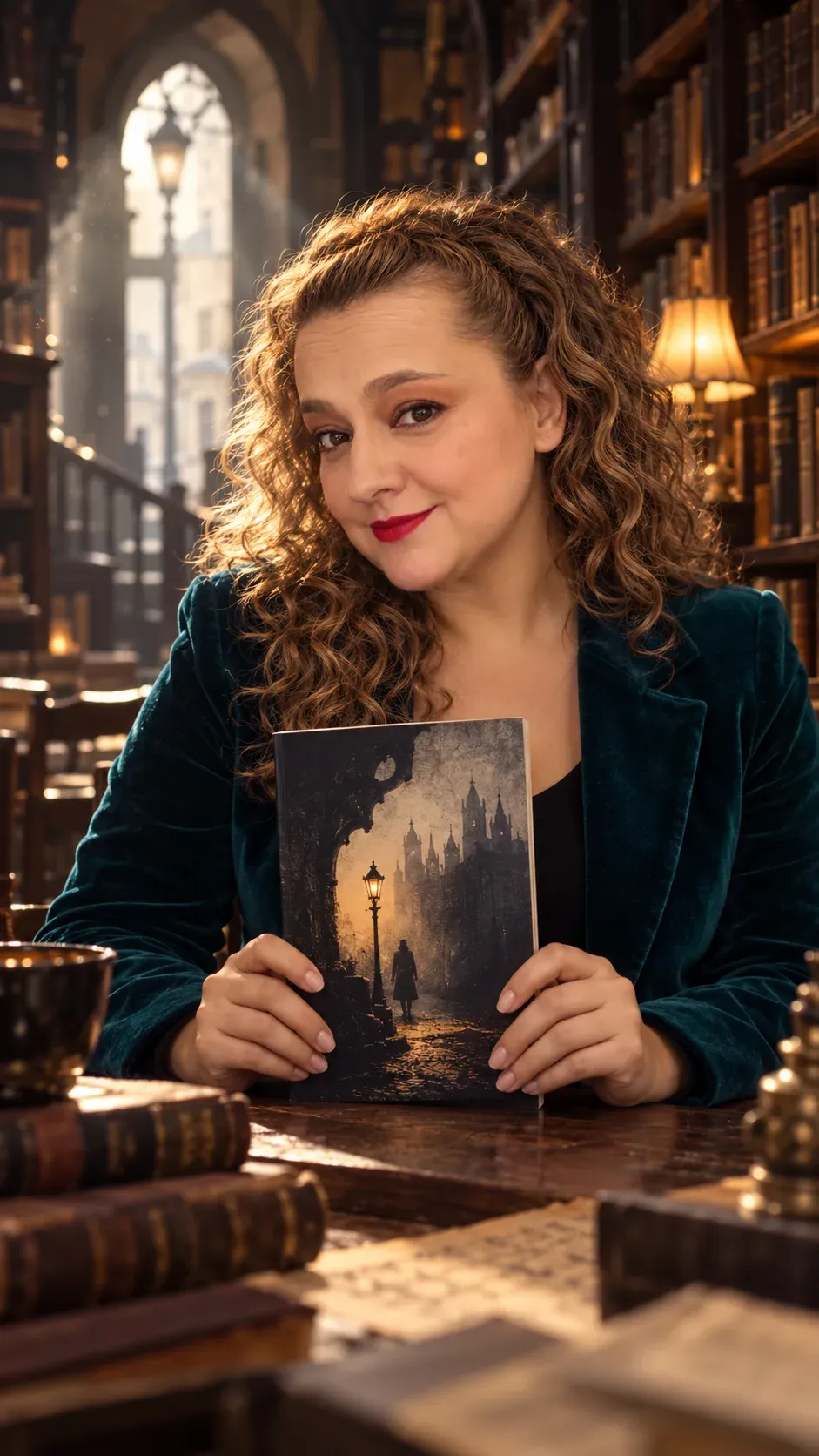
Carlos Ruiz Zafón
The Shadow of the Wind
The Shadow of the Wind by Carlos Ruiz Zafón: you find a book, and the whole city tells you to forget it
Daniel Sempere enters the Cemetery of Forgotten Books and chooses a novel. I have made bad purchases, but none came with a stranger determined to destroy every copy.
October 23, 2026
Want more like this? Join the Readers Club and get one of my books for free.
Share
My books
Books by Yenny Astrid Londoño



About the author
Yenny Astrid Londoño
Yenny Astrid Londoño is a Colombian author and entrepreneur, founder of Anchetas Medellín. She writes about real life with sarcasm, irony and smart humor, turning everyday situations, mistakes and imperfect relationships into stories that readers can laugh at and recognize themselves in.

A free book from me
Get a free book from me
Subscribe and get Sobreviviendo a mis muertos in full as a PDF.
After that, I'll only write when I have something worth telling you.
Also available: Read this review in Spanish →