
Book review
The Fellowship of the Ring by J. R. R. Tolkien:
An epic journey, friendship and a piece of jewelry that should come with a warning label. Here is my spoiler-light review of the first part of The Lord of the Rings. If you only know the films, the book takes longer to walk, talk, sing and tell you the history behind each place. Tolkien is not trying to get you to Mordor by taxi; first he wants you to understand why arriving matters.
By Yenny Astrid Londoño · October 27, 2026 · 7 min read
Share
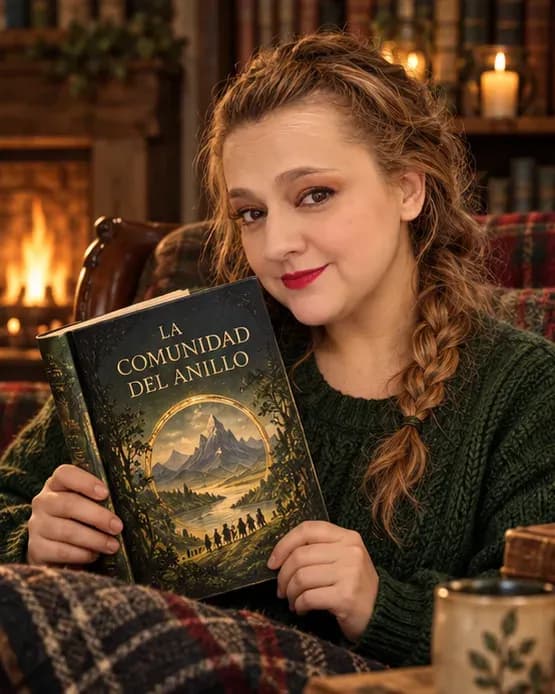
The Book
The Fellowship of the Ring
by J. R. R. Tolkien
More reviews by J. R. R. Tolkien →
4.5 out of 5 stars
The construction of Middle-earth, Frodo, Sam and life in the Fellowship hold up a memorable adventure.
Bilbo leaves an inheritance with fine print
The adventure begins with Bilbo Baggins and a birthday celebration that ends in an unexpected farewell. The ring he kept for years is not a pretty jewel or a travel souvenir. Gandalf discovers its connection to Sauron and the danger of leaving it in the wrong hands. Frodo inherits the object and a problem bigger than any safe in the Shire.
I like that Frodo is not introduced as a chosen hero who has spent his life training. He is a hobbit with attachments, fear and a small life he wants to protect. Leaving does not feel like a triumphant entrance; it feels like giving up the familiar because staying would be more dangerous. The Ring slips ambition into the mind, and that threat works better than a list of spells because no one can simply punch it away.
The Shire is a place I would actually want to save
Tolkien spends time on hobbit life: food, homes, celebrations, habits and gossip. If you are waiting for a battle every twenty pages, this may feel like a delay. It works for me. If the Shire were just a dot on the map, we would not understand why Frodo wants to protect it or why Sam carries that loyalty like the whole house is on his back.
The peace is not pure innocence, either. There are class differences, important surnames and people who do not look past their fences. Tolkien shows us a recognizable domestic world before opening the door to ancient and monstrous things. The emotional goal is not to save an abstract kingdom, but to keep the shadow from reaching tables, gardens and conversations among people who do not even know they are in danger.
Sam, Merry and Pippin are not group decoration
Sam travels with Frodo from the beginning, and their bond is one of the novel’s warmest centers. He is not a silly helper hired to carry the bags; he has courage, common sense and a way of caring for Frodo that does not depend on grand speeches. Merry and Pippin bring humor and logistical complications, yes, but they keep the journey from feeling like four solemn statues setting off on a mission.
Friendship is not tested only in spectacular battles. It also shows in who stays when an adventure stops being exciting and turns into exhaustion, hunger and fear. That emotional work gives the Fellowship weight. I can joke about the amount of walking, but if I had to cross a continent with the fate of the world on a chain, I would want someone beside me who knows when to talk and when to offer food.
The road grows until the map is no longer enough
Leaving the Shire happens gradually. The Black Riders appear; roads become unsafe; unexpected allies arrive; and places reveal the world’s history from beneath the ground. The landscape carries memory. Ruins, forests, mountains and cities are not just pretty backgrounds while the group walks past.
At Rivendell, the story pauses to gather information, debate the danger and choose a way forward. The Fellowship forms because different peoples must stop looking at the problem from their own chairs. It is not a perfect alliance: everyone brings interests, pride and suspicion. That is why it works. Solidarity here does not mean everyone thinks alike; it means continuing together even when each person carries a different history.
Tolkien writes like someone who knows every path
There is a particular texture to the narration. Tolkien tells us legends, songs and names as if he has lived in Middle-earth for years—because he built languages, genealogies, maps and history so the world would not seem assembled five minutes before the scene. That density is part of the pleasure, especially when a name opens onto an older conflict.
It also asks for patience. Descriptions run long; characters remember stories; poems interrupt the pace just when a reader may be waiting for danger to appear. This is not moving at the speed of a modern thriller, and it does not try to. The book wants you to feel the time of the journey, not flip pages like someone searching for a summary before the fight.
Magic does not solve the problem by decree
The Ring is not a powerful weapon Frodo can learn to control in a week. It seduces and corrupts: it offers power while bending the will of the person carrying it. Even someone well-intentioned can begin to believe that using it for a good cause is reasonable. That temptation is more interesting than a list of spells.
Magic is tied to decisions, history and consequences. Gandalf knows a great deal, but he does not appear to remove all responsibility from Frodo. Powerful characters cannot simply solve the problem for him. I like that limit: the world’s fate cannot depend on the wizard making one more spectacular move. The task belongs to people who do not seem built for it.
A fellowship is not a perfect friendship group
The companions come from different peoples and carry different histories. Their cooperation does not erase suspicion, disagreements or the temptation of the Ring. The group’s strength is not that everyone becomes best friends overnight; it is that they continue to share the task when fear gives each person reasons to leave.
That makes the Fellowship more interesting than a collection of fantasy archetypes. Each character brings knowledge and limitations, and the group must make room for both. The Ring’s presence pressures those relationships. It does not need to start an argument out loud; it only has to make one person believe they would do better alone.
What I did not like
The opening’s patience occasionally becomes a test of character. Bilbo’s party, explanations about hobbits, visits and travel stories build the world, but there are stretches where I understood the situation and still felt we were unpacking more context furniture. Do not read this expecting the Ring on page ten followed by nonstop pursuit.
The songs and poems did not all catch me. I value them as evidence of different cultures and traditions, but some felt like arriving at a long dinner after the journey had finally started to tighten. The names, peoples and old references also ask for attention; if you leave the book for weeks, you may need to remember who was who and why that place has so much history. These choices belong to Tolkien’s project, but that does not mean they never weigh on the pace.
My verdict: the walk is worth the tired feet
The Fellowship of the Ring works for me because it combines home and danger. The Shire matters because Tolkien lets us know it before putting it at risk. Frodo matters because he does not set out seeking applause. Sam supports the adventure with a loyalty that feels more real than any prophecy. The Fellowship also offers cooperation without requiring the characters to become instant friends.
This is not a book for anyone who needs constant action or minimalist prose. It has pauses, songs and long descriptions, and the first stretch takes its time. But if you accept the pace, you find a world that does not feel borrowed from another story and an adventure where the most dangerous power may be the quiet one. The Ring does not have to shout to ruin the life of everyone who looks at it.
Who should read it
Read it if you like fantasy with history, friendship and a world built patiently, and if you do not mind characters walking more than running. If you know the films, the book spends more time in the Shire and gives you a narrator who talks with you. Bring something to eat. These hobbits get hungry every time you blink.
My rating
4.5 out of 5 stars. Middle-earth, Frodo, Sam and the life of the Fellowship make this an unforgettable adventure. I take off half a star for the slow stretches, more songs than I wanted and all the information the book asks me to retain. It is a walk worth taking. Just pack a snack.
Frequently asked questions
Is The Fellowship of the Ring the first Lord of the Rings book?
Yes. It is the first volume of Frodo’s story and is followed by The Two Towers and The Return of the King.
Do I need to read The Hobbit first?
No. The Hobbit introduces Bilbo and earlier events, but The Fellowship of the Ring explains what readers need to follow Frodo’s journey.
What is The Fellowship of the Ring about without spoilers?
Frodo learns that the ring inherited from Bilbo is dangerous and begins a journey to keep Sauron from recovering it.
Who accompanies Frodo in the Fellowship?
The company includes hobbits, an elf, a dwarf, humans and Gandalf, united by the mission to keep the Ring away from Sauron.
Is The Fellowship of the Ring difficult to read?
It does not require prior knowledge, but its descriptions, names, poems and slower pace—especially at the beginning—ask for patience.
Is the novel the same as the movie?
The main story is shared, but the book gives more space to the Shire, Middle-earth’s history and the narrator’s voice.
Who would enjoy this book?
Readers who like epic fantasy, long journeys, original mythology and a group of characters learning to trust one another.
The Book
The Fellowship of the Ring
by J. R. R. Tolkien
Get the bookIf you buy through this link, Yenny earns a small commission and you pay the same price.
Keep reading
If you liked it, keep going
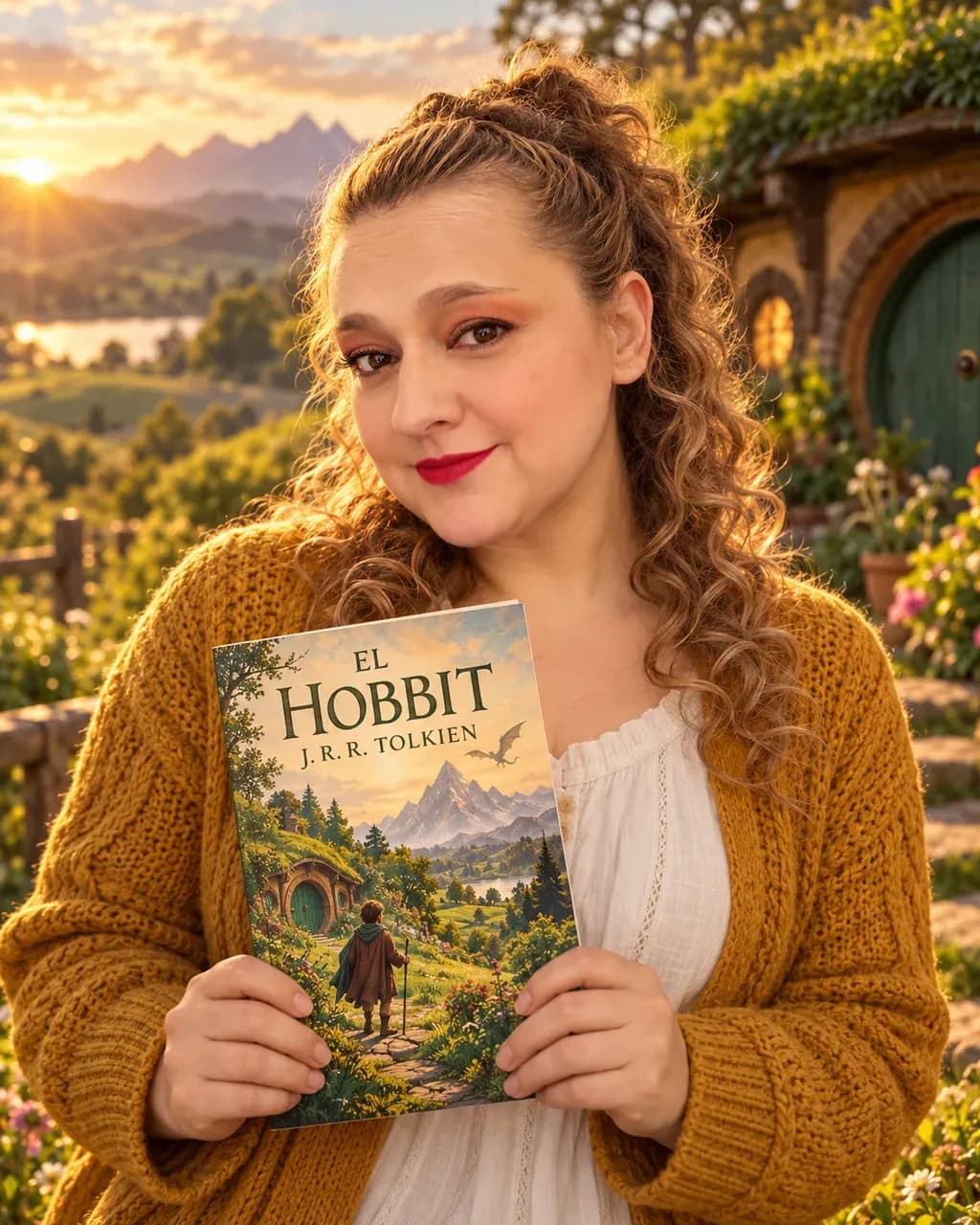
J. R. R. Tolkien
The Hobbit
The Hobbit by J. R. R. Tolkien: a quiet home, a very rude wizard and one trip that should have come with a risk form
Bilbo Baggins likes comfort, good meals and not being disturbed before dinner. Then Gandalf and a company of dwarves arrive and decide he is exactly the person they need for a dangerous journey. This is my spoiler-light review of Tolkien’s The Hobbit, a classic adventure about courage, greed and the inconvenience of having a life-changing Tuesday.
October 26, 2026
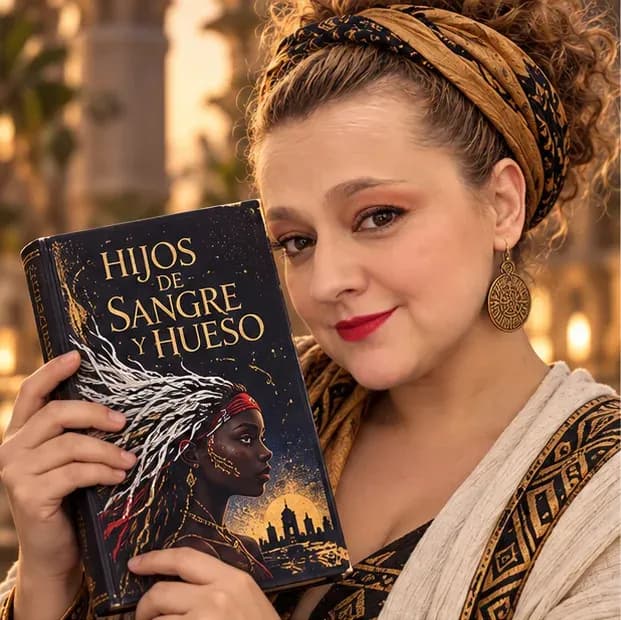
Tomi Adeyemi
Children of Blood and Bone
Children of Blood and Bone by Tomi Adeyemi: when magic returns, power refuses to hand it back quietly
This is an epic fantasy about magic taken away, political violence and a young woman deciding what to do with a power she barely understands. Zélie’s world has a strong identity, and the magic does not sit quietly in the corner while the palace makes decisions. Here is my spoiler-light review of Tomi Adeyemi’s first Legacy of Orïsha novel.
October 27, 2026
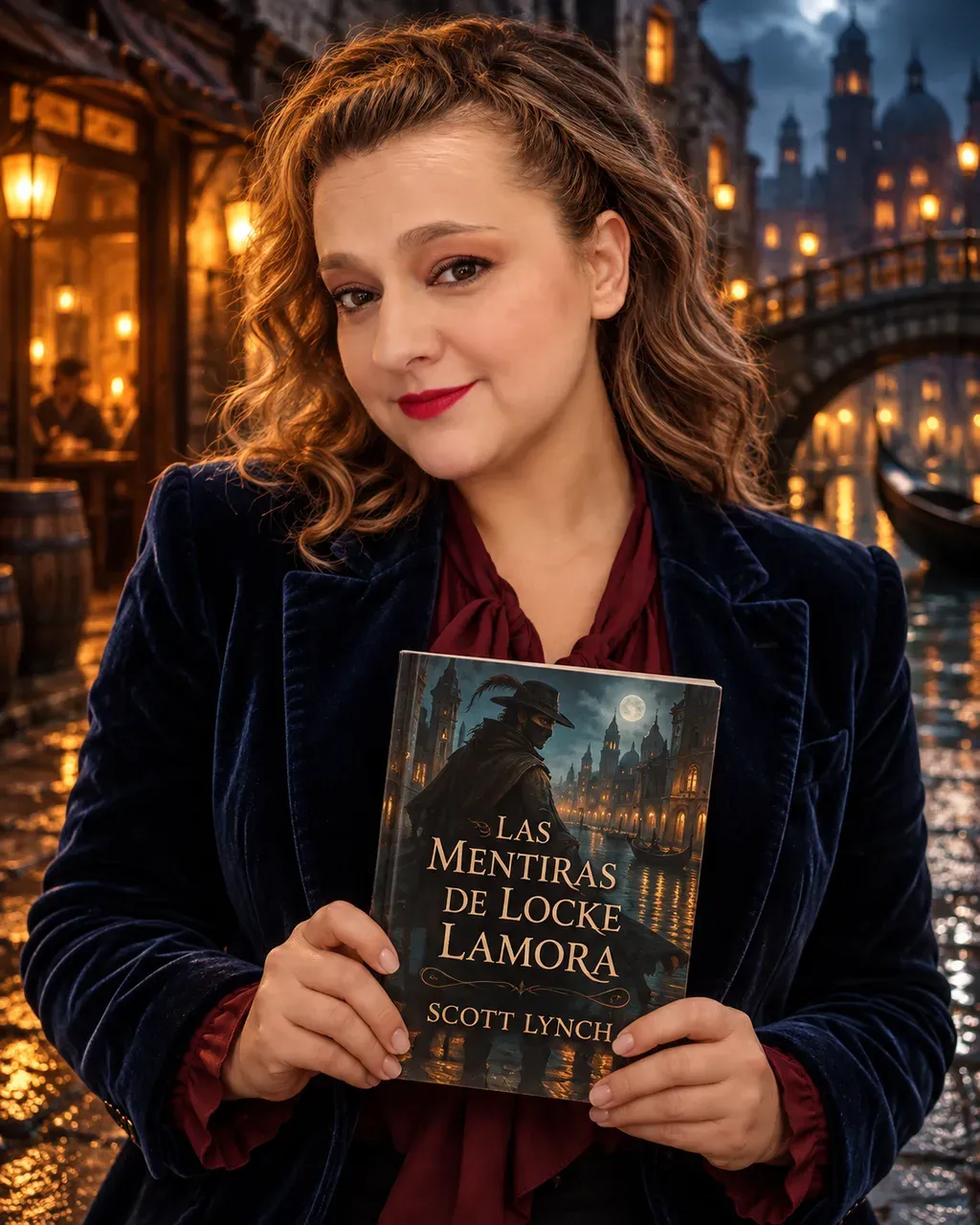
Scott Lynch
The Lies of Locke Lamora
The Lies of Locke Lamora by Scott Lynch: robbing the rich works until someone worse shows up
Crime fantasy, cons and a city where talent attracts trouble. Locke Lamora and the Gentlemen Bastards make their living by taking money from the rich—until a more dangerous player changes the rules. This is my spoiler-light review of Scott Lynch’s first Gentleman Bastards novel: a clever caper whose humor does not make its violence pretend.
October 27, 2026
Want more like this? Join the Readers Club and get one of my books for free.
Share
My books
Books by Yenny Astrid Londoño



About the author
Yenny Astrid Londoño
Yenny Astrid Londoño is a Colombian author and entrepreneur, founder of Anchetas Medellín. She writes about real life with sarcasm, irony and smart humor, turning everyday situations, mistakes and imperfect relationships into stories that readers can laugh at and recognize themselves in.

A free book from me
Get a free book from me
Subscribe and get Sobreviviendo a mis muertos in full as a PDF.
After that, I'll only write when I have something worth telling you.
Also available: Read this review in Spanish →