
Book review
End of Watch:
Stephen King's End of Watch: Bill Hodges, Holly Gibney and Brady Hartsfield in the trilogy's supernatural finale. My honest review, 4.1 out of 5.
By Yenny Astrid Londoño · October 9, 2026 · 6 min read
Share
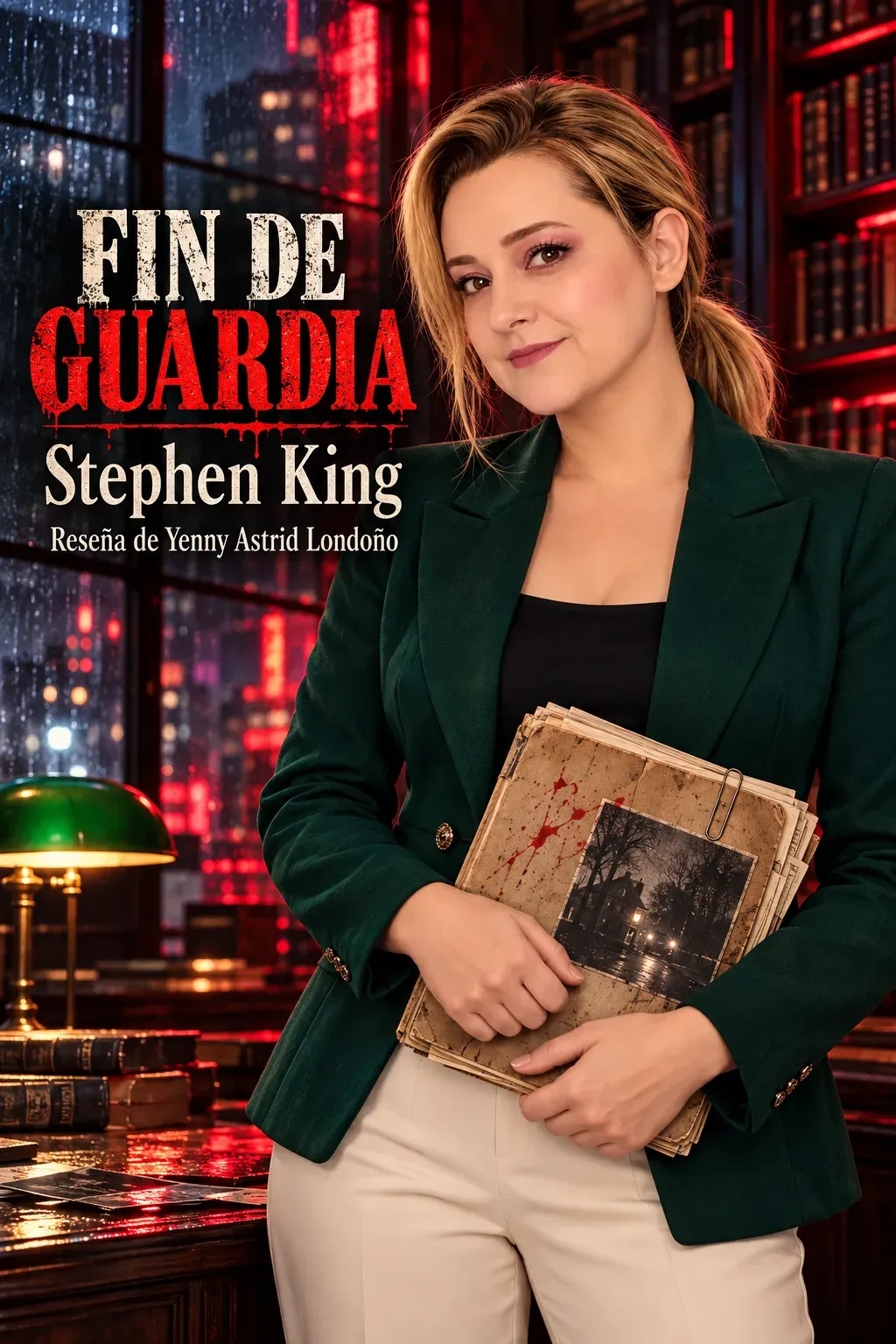
The Book
End of Watch
Horror
by Stephen King
More reviews by Stephen King →
4 out of 5 stars
The bond between the protagonists and the sense of closure sustain my interest even where the supernatural mechanism creates resistance in me.
Brady is back, and the rules have changed
End of Watch is the third Bill Hodges novel, after Mr. Mercedes and Finders Keepers, and it brings Brady Hartsfield back into the orbit of Hodges and Holly Gibney. A series of deaths connected to Brady makes the investigators question whether the danger has really been contained. The premise taps into one of King’s favorite fears: something we thought was over has found another way to reach us.
There is a clear change in genre. The early part of the trilogy is closer to a crime investigation; End of Watch moves openly into supernatural horror. That shift may be exactly what some readers want from Stephen King, and I do enjoy seeing him bring the strange into an ordinary object. But readers who came for the more realistic mechanics of the first book deserve to know the rules have changed. I do not mind a story taking a turn. I want the turn to know what it is doing once it gets there.
Hodges has a case and a body that will not negotiate
Hodges’s pancreatic cancer is not just an extra clock placed on the wall to make the plot look urgent. It changes what he can do and forces him to face a limit no investigation can bargain away. He has spent years responding to other people’s danger. Now his own body is making demands he cannot solve by staying late at the office and asking one more question.
I like the tension between being on watch for other people and recognizing when you cannot keep offering yourself as an unlimited resource. Hodges’s commitment matters, but refusing rest is not automatically a moral achievement. The story becomes more human when we see who listens to the person who is usually doing the listening. A detective can solve a case and still need permission to stop working; better yet, he needs to remember he does not have to earn that permission by collapsing.
Holly is not a footnote to Hodges’s heroism
Holly’s relationship with Hodges is one of the reasons this book has emotional weight. She has her own way of reading a situation, working through details, and insisting when something does not add up. I do not want her value measured only by how much she helps a male protagonist or how well she proves he was a good mentor. She is a person in the story, with her own judgment and her own stakes.
The partnership works when listening is part of the investigation. Trust does not mean treating every intuition as fact; it means not dismissing a person because their communication or behavior does not match someone else’s expectation of competence. In a novel about manipulation and the power to influence what people perceive, that matters. Holly is not a reward Hodges receives for being decent. Their relationship is stronger when care moves in both directions, even when each of them needs something different.
King’s supernatural turn gives Brady a different route to harm
Brady’s influence moves beyond the physical limitations that seemed to contain him. The novel brings in an electronic device and an ability that places people’s attention and agency under threat. I will not explain the machinery or the final path of the case, but this is central to the book: the danger is no longer only a person arriving in a car. It can come through a channel that looks ordinary until someone realizes what has been happening.
That is effective King territory, where a familiar technology acquires a hostile charge. It also needs a boundary inside the fiction. The more extraordinary a power becomes, the more carefully a novel has to show what it can and cannot do, or the investigation starts depending on whichever rule the ending needs. I also want to be clear that this is supernatural fiction, not an explanation of mental illness or a real-world warning about video games. The question I care about is how the story handles vulnerability once it becomes a route for the villain.
What I did not like about End of Watch
My biggest reservation is the change in the story’s rules. I prefer the tension of the earlier books when the threat felt closer to ordinary criminal behavior. The supernatural turn can be fun, but it also makes the puzzle harder to measure: how much comes from the investigators’ judgment, and how much from a new ability the story can expand when needed? King’s name is not a reason to stop asking whether a mechanism has limits.
The book also stacks a lot of emotional weight together: illness, suicide, manipulation, and the ending of a trilogy. Sometimes the intensity feels like it is reaching for a reaction before the scene has fully earned it. I give End of Watch 4.1 out of 5 stars for the Hodges–Holly relationship and the value of the series’ closure. I take points off for the uneven shift into the supernatural and for moments when the painful material accumulates so quickly that the character work has to fight for room.
My verdict: the ending matters more when you know the people
I recommend reading Mr. Mercedes, Finders Keepers, and End of Watch in order. You can follow much of the case without the first two, but you will miss how the relationships earned their place in this final chapter. This is not the cleanest entry point for a reader who wants a self-contained crime mystery. It is a conclusion to a story that has been building between Hodges, Holly, and Brady.
I value the book most when it asks how long someone can stay on guard and what care looks like when the person who needs it is usually the one taking responsibility. Brady wants to keep occupying their lives. Hodges and Holly have to stop him, but they also deserve a life that is not organized around answering him. The villain does not become more interesting just because he has found another way to be awful. What matters is whether the people who survived get to move beyond his shadow.
Frequently asked questions
Read Mr. Mercedes first, Finders Keepers second, and End of Watch third. The final novel builds on the earlier cases and relationships.
You can follow parts of the case, but I recommend reading the trilogy in order. The emotional stakes depend on the history between Hodges, Holly, and Brady.
Yes. It shifts from the more realistic crime focus of the earlier books toward supernatural horror. That genre change is a major part of the novel.
Yes. Holly is a central partner in the investigation and an important part of the book’s emotional story. She has her own judgment and role beyond supporting Hodges.
I give it 4.1 out of 5 stars for the Hodges–Holly relationship and the trilogy’s closure. I hold back points for the uneven supernatural shift and the concentration of painful material.
The novel includes suicide, serious illness, manipulation, and violence. Its fast thriller pace does not make those subjects light.
Frequently asked questions
What is the order of the Bill Hodges trilogy?
Mr. Mercedes, Finders Keepers and End of Watch. This novel is the closing chapter; reading them in order keeps the information and the emotional development between the characters.
Can End of Watch be read as a standalone novel?
You can follow part of the case, but that is not the option I recommend. It picks up consequences and bonds whose strength depends on the two previous books.
Does it have supernatural elements?
Yes. The supernatural element changes the kind of threat compared with the more realistic focus of the trilogy's start. It's important to know that to set your expectations.
Is Holly Gibney still important?
Yes. She works alongside Hodges, and their relationship is part of the emotional value of the ending. I suggest reading her as a person with her own capacity, not only as a helper.
Does the review reveal how Hodges or the confrontation ends?
No. It mentions the diagnosis presented in the publisher's synopsis and the return of the conflict with Brady, but keeps the characters' final fate and the solution of the case.
What sensitive content does it include?
Suicide, violence, manipulation and cancer. The thriller tone does not make those topics light, so it's good to keep them in mind before choosing the book.
Why do I give it 4 out of 5?
For the relationships and the sense of closure. The review keeps reservations about the change in supernatural rules, the limits of the danger and the concentration of painful emotional material.
The Book
End of Watch
by Stephen King
Get the bookIf you buy through this link, Yenny earns a small commission and you pay the same price.
Keep reading
If you liked it, keep going
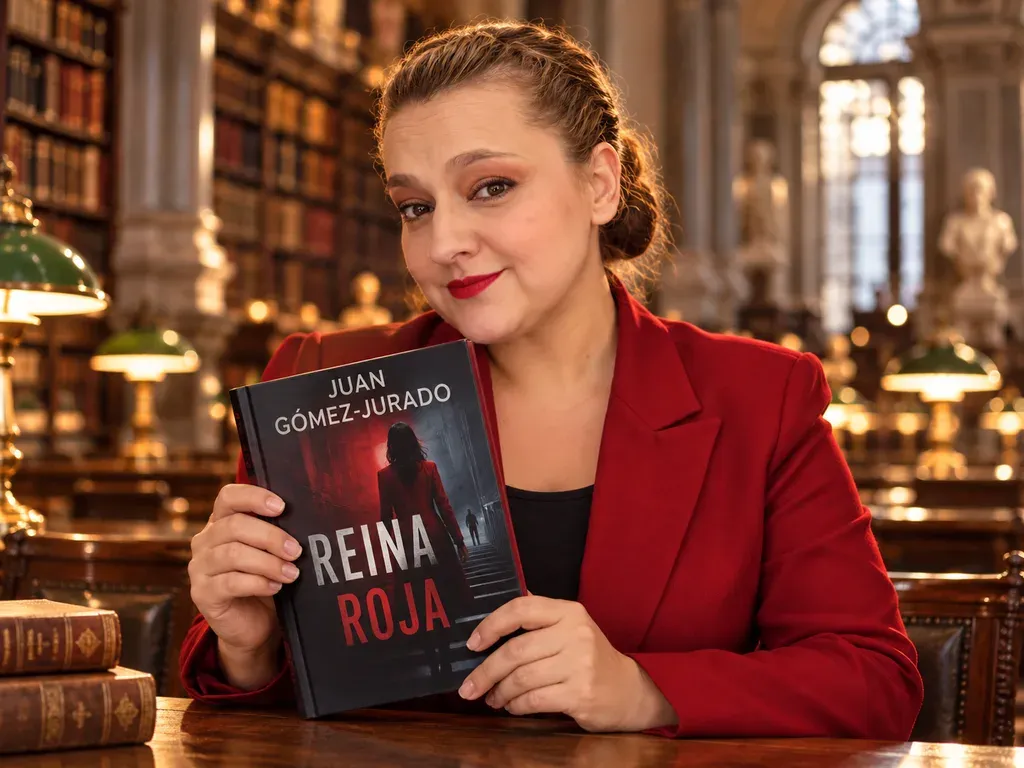
Juan Gómez-Jurado
Red Queen
Red Queen by Juan Gómez-Jurado: Antonia Scott sees everything except a reason to leave her apartment
Antonia Scott has no badge, no official job and an intelligence powerful enough to make a room uncomfortable. Jon Gutiérrez arrives at the wrong door and gets pulled into a case involving wealth, power and people who believe money can buy silence. It can buy quite a lot. It cannot always buy good judgment.
October 26, 2026
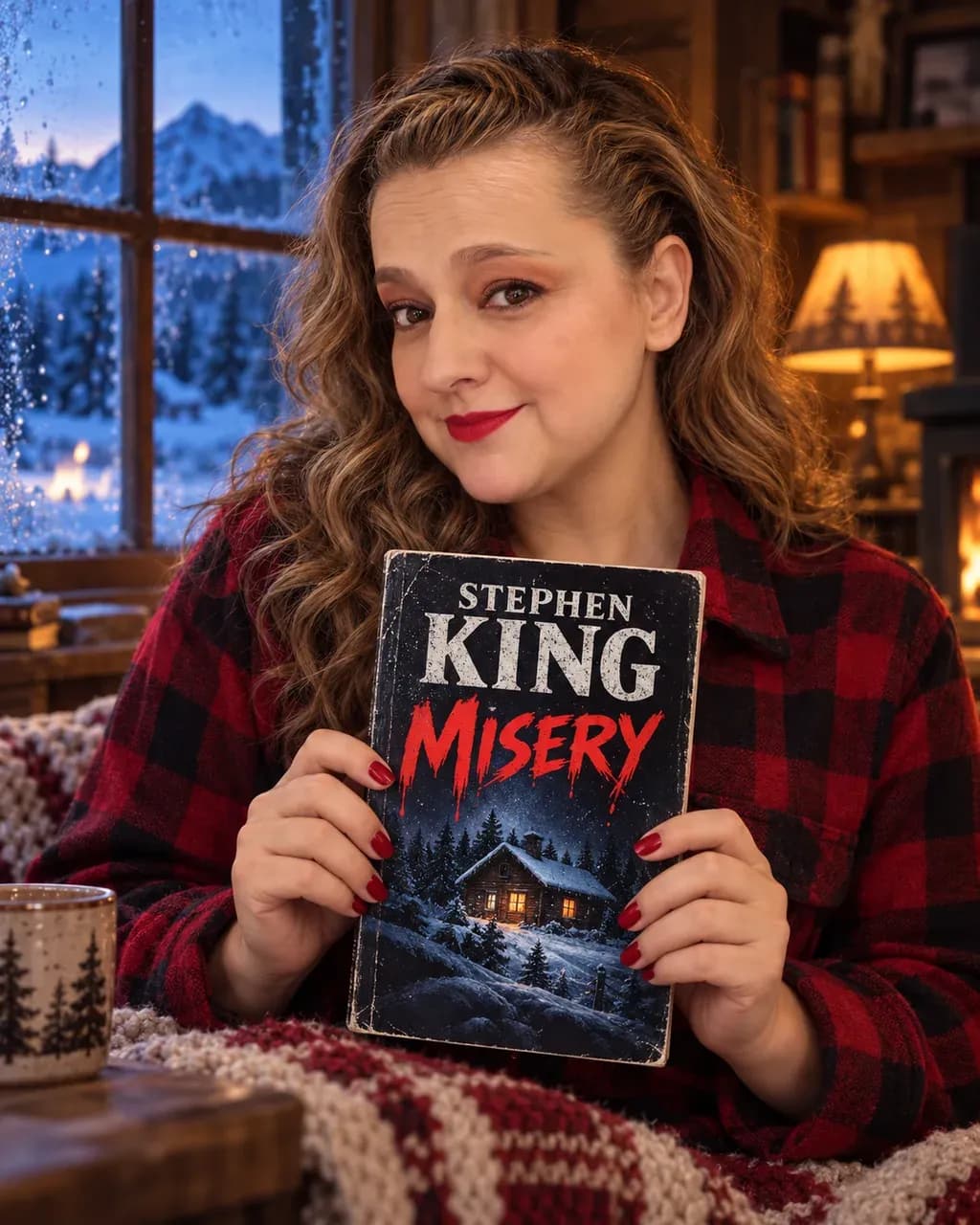
Stephen King
Misery
Misery by Stephen King: the number-one fan does not accept returns
Paul Sheldon wakes up in the wrong house, with the wrong person in charge and a reader who thinks “I love your books” means “you belong to me now.” Annie Wilkes calls herself his number-one fan. Paul learns that the phrase can sound a lot like a threat when you cannot get out of bed.
October 26, 2026
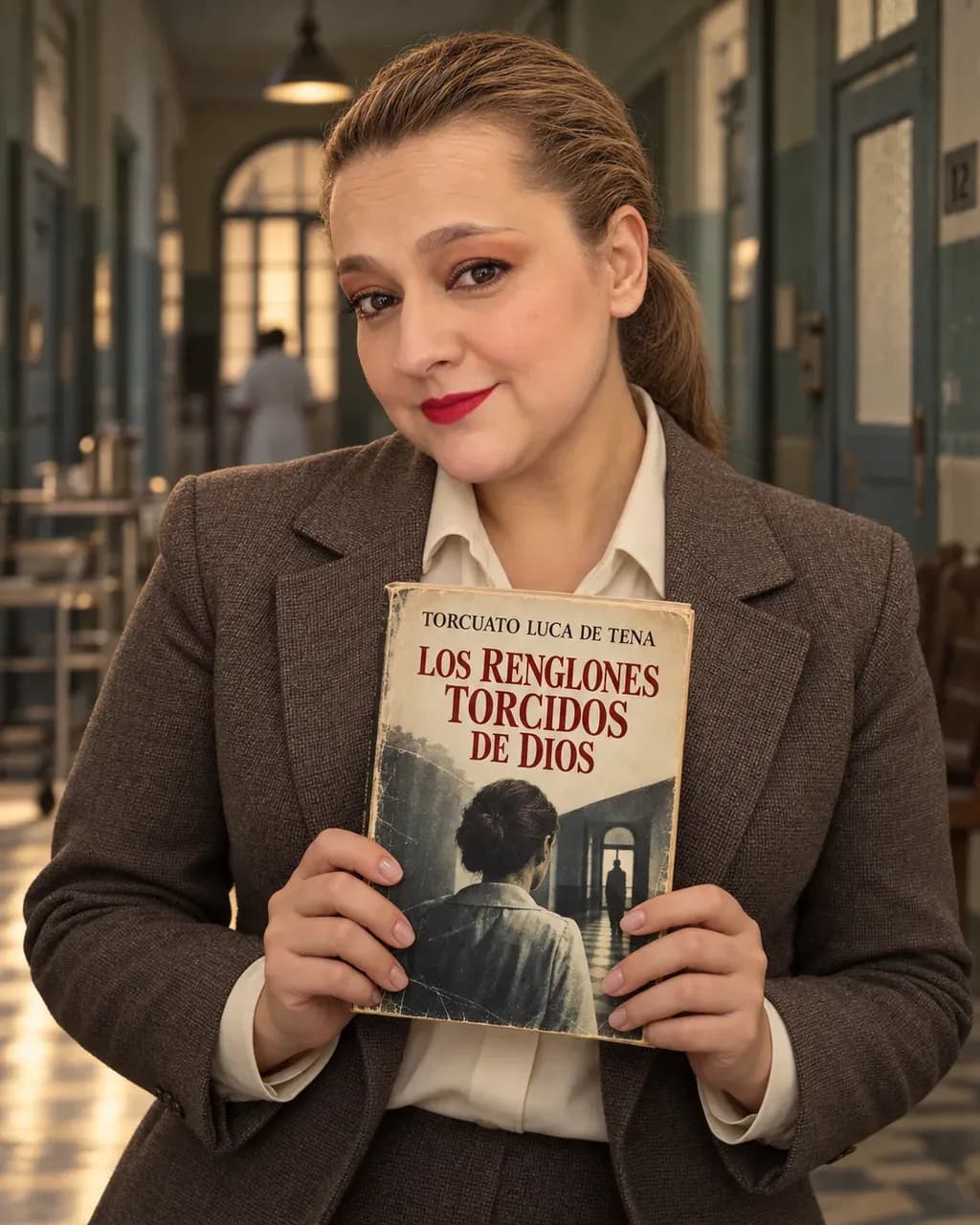
Torcuato Luca de Tena
God's Crooked Lines
God's Crooked Lines by Torcuato Luca de Tena: who gets to decide who is sane?
Alice Gould enters a psychiatric institution with a story of her own. The hospital has another version. That is where the novel starts asking a question institutions would rather keep in their paperwork: who gets to name someone sane, and what happens when the person holding the file is wrong?
October 26, 2026
Want more like this? Join the Readers Club and get one of my books for free.
Share
My books
Books by Yenny Astrid Londoño



About the author
Yenny Astrid Londoño
Yenny Astrid Londoño is a Colombian author and entrepreneur, founder of Anchetas Medellín. She writes about real life with sarcasm, irony and smart humor, turning everyday situations, mistakes and imperfect relationships into stories that readers can laugh at and recognize themselves in.

A free book from me
Get a free book from me
Subscribe and get Sobreviviendo a mis muertos in full as a PDF.
After that, I'll only write when I have something worth telling you.
Also available: Read this review in Spanish →