
Book review
Red Queen by Juan Gómez-Jurado:
Antonia Scott has no badge, no official job and an intelligence powerful enough to make a room uncomfortable. Jon Gutiérrez arrives at the wrong door and gets pulled into a case involving wealth, power and people who believe money can buy silence. It can buy quite a lot. It cannot always buy good judgment.
By Yenny Astrid Londoño · October 26, 2026 · 7 min read
Share
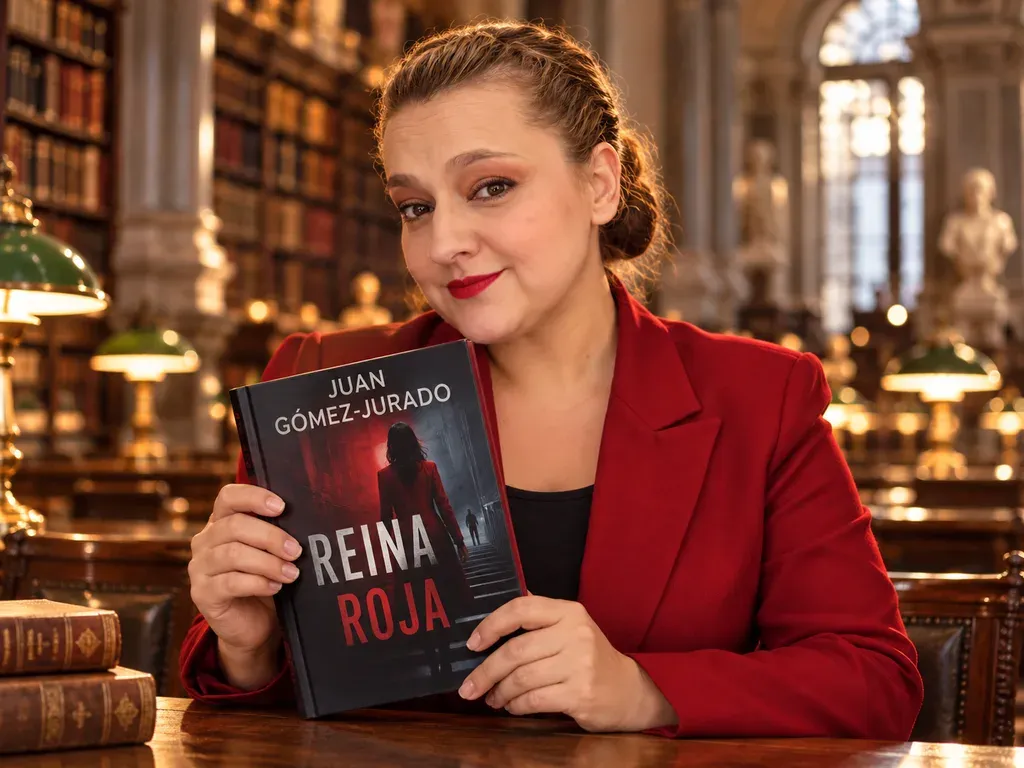
The Book
Red Queen
by Juan Gómez-Jurado
More reviews by Juan Gómez-Jurado →
4 out of 5 stars
Antonia and Jon have a dynamic that makes you want to follow them, and the clash with power has teeth.
Antonia Scott has no badge, and that already says something
Antonia is not a conventional detective. She has a rare ability to make connections and read situations, but her private life is narrowed by grief and a refusal to go out. The book gives her exceptional intelligence without pretending it has made her happy. That matters: being brilliant does not vaccinate anyone against pain or loneliness.
The official premise describes her as someone who can solve crimes without being a police officer or a profiler, without a gun and without a badge. That is a fun setup, but it also points at the institutional discomfort around her. The people with offices and business cards need her, yet do not know where to place a person who can see what they missed. I enjoy that friction more than another chapter explaining that Antonia is unusually smart.
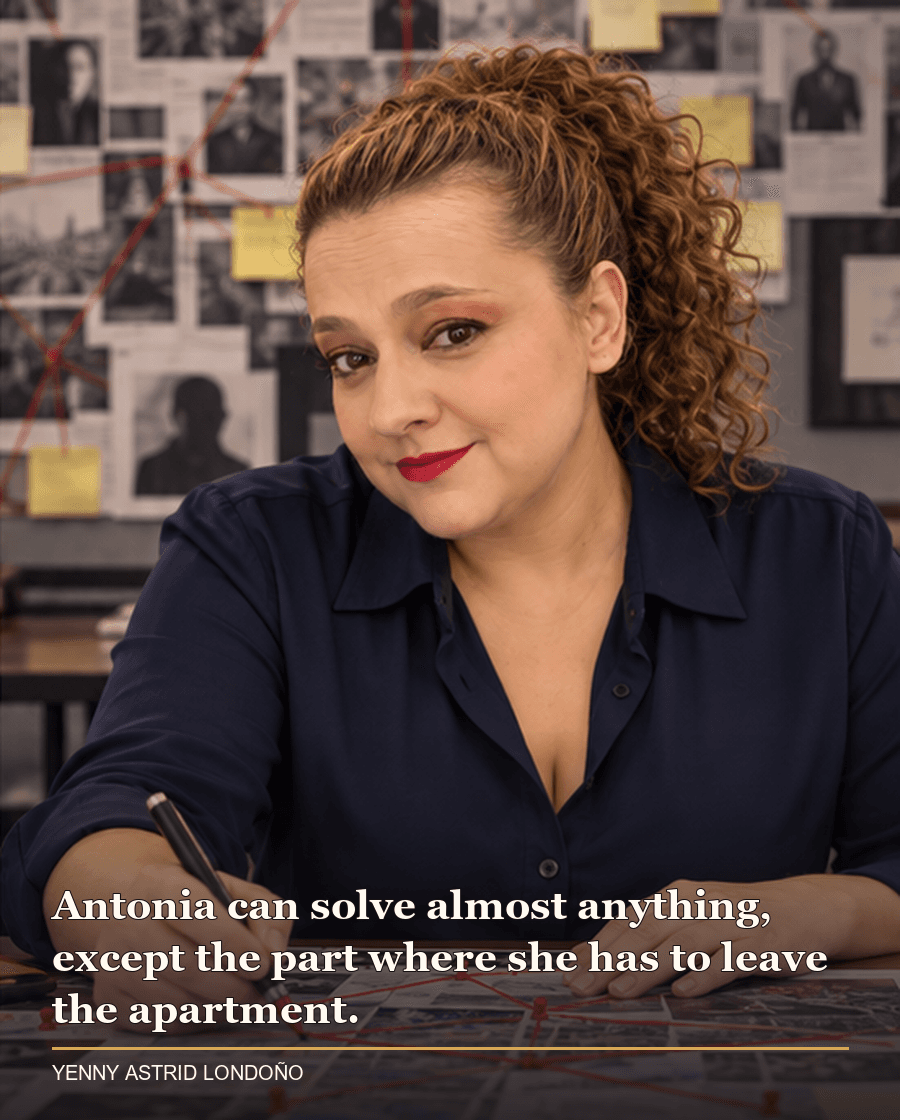
An attic in Lavapiés and a woman who does not want to leave
Antonia’s apartment is both refuge and trap. She can see patterns from inside it; she also has reasons to stay away from the world beyond the door. The case gives her a reason to move again, though I wanted the novel to take seriously how difficult that step is rather than treating an assignment as instant therapy.
The apartment is protection, grief and a boundary all at once. We do not have to diagnose Antonia to understand that she has lost something and cannot simply decide to be fine because a new case has arrived. The detective-story version of isolation often comes with perfect lighting and a dramatic window. Actual isolation can be a phone you cannot answer. I wanted the book to keep looking at the whole person, not only the exceptional mind inside the attic.
Jon Gutiérrez knocks on the wrong door
Jon brings a different skill set, a different temperament and a much needed human scale to Antonia’s analysis. He is not there to marvel at her every sentence. Their partnership works because they frustrate and complement each other. A clever investigator still needs someone who can notice what the clever investigator has stopped looking at.
Their first meeting matters because Antonia has arranged her life so nobody gets in. Jon does not magically fix that; he changes the conditions. I want this duo to avoid the stale division where one person thinks and the other throws a punch. If Jon is only there to open doors she will not open, he is a walking accessory. If Antonia is only there to correct him, their chemistry becomes a badly run staff meeting. The pleasure is in watching both of them surprise the other and learn something they could not have supplied alone.
Power can buy silence, but not always intelligence
The case touches wealthy people who expect the world to move around them. Money can hire lawyers, manage reputations and keep questions out of the newspaper. That does not make the people spending it smarter than everyone else. Sometimes it only makes their mistakes more expensive to uncover.
Antonia is brought back through a project that sits outside ordinary police work, and Jon needs her to return to the case. That origin creates a power imbalance between people who design the investigation and the people who put themselves in danger to solve it. The mystery gets stronger when it asks what an institution can do with someone like Antonia—and what it costs her to accept that she is needed again.
Antonia’s intelligence comes with a bill
The novel’s central gift is not free. Antonia’s mind has changed her life and relationships, and the book is more interesting when it shows the cost of that ability instead of using it as a magic trick. I like her best when she has to work through uncertainty, not when the story makes everyone else stand still so she can look impressive.
The idea of an extraordinary person sounds lovely from the outside. From the inside, it can look like an unpaid job with no vacation: people call when something is wrong, then disappear when you need company. If talent is the only thing anyone values, its shine wears off quickly. That is where Antonia becomes more human than in any demonstration of impossible memory.
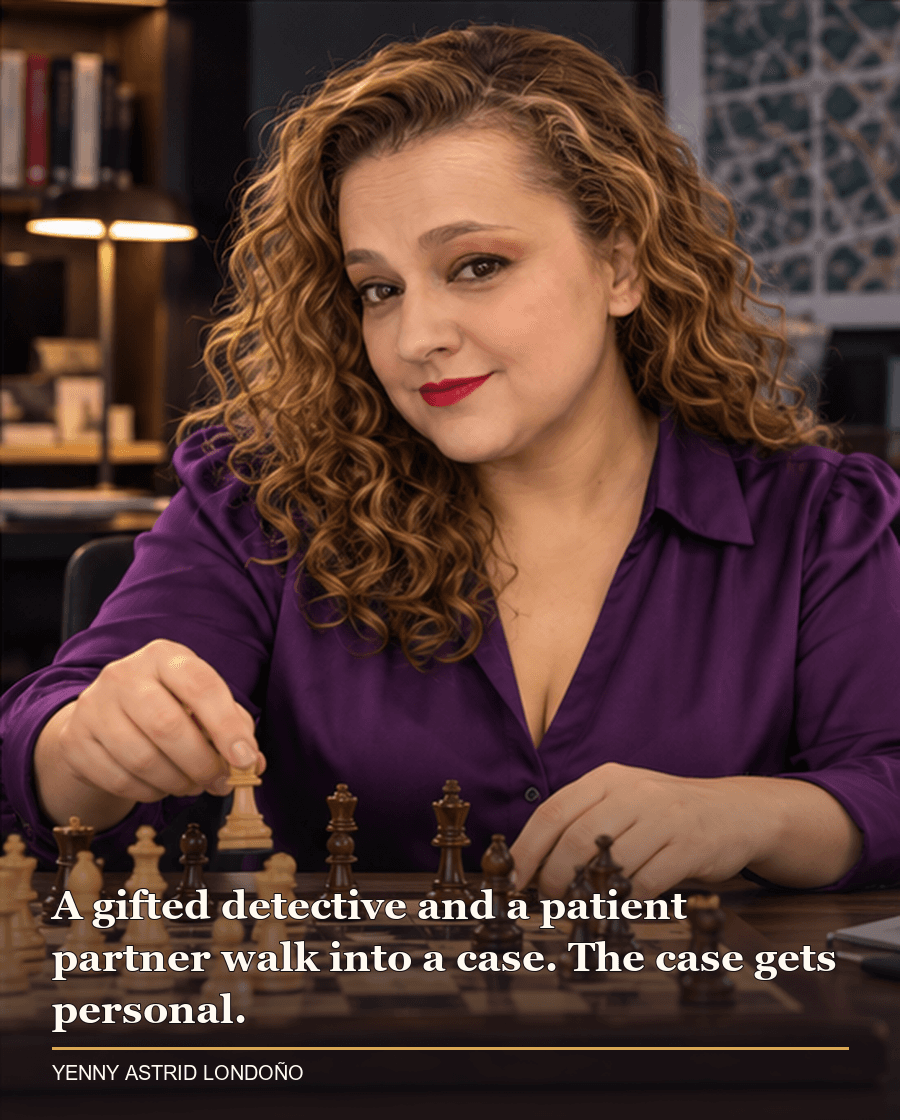
A queen needs a board, but the pieces bleed
The title promises a strategic game, and the case does put people in positions they did not choose. The danger is real, not symbolic. The investigation’s turns are designed to keep the reader moving, and many of them land. A few feel as if the book wants applause for a clever reveal before it has finished earning it.
Thrillers love to arrange criminals, investigators and victims like pieces on a board. That helps organize clues; it fails when the murdered person becomes a stylish move in a battle between superior minds. I can admire the construction and still ask the story not to forget who pays for it. I do not want ten pages of brilliance for the villain and a victim who barely gets a name. If a death exists only to prove the rival is worthy of Antonia, the board needs to be less pretty and more honest.
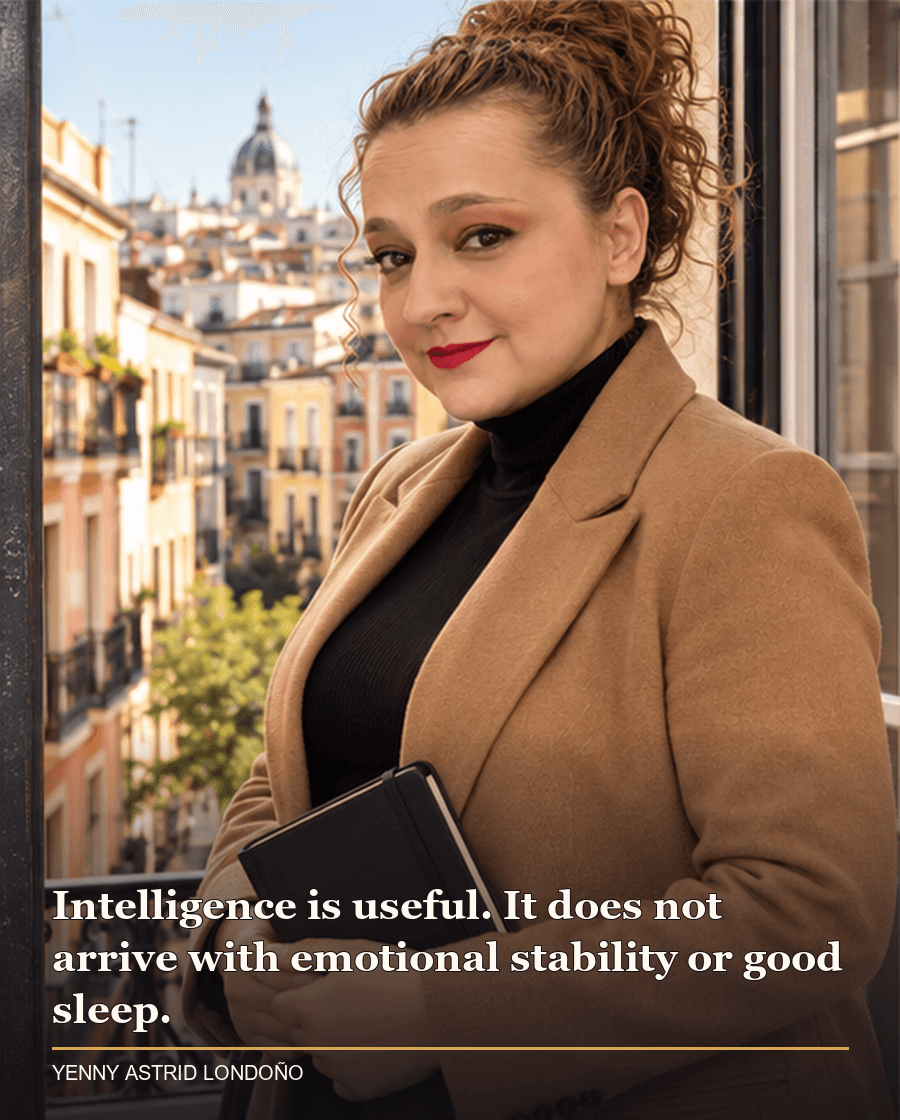
Madrid is not just the view from Antonia’s apartment
The city gives the case texture and keeps the story from becoming a puzzle in a sealed room. The streets, neighborhoods and people matter to the investigation. Still, the novel is mainly interested in its characters and its pace, not a slow portrait of every part of Madrid.
Lavapiés places Antonia in a real city, with distances, streets and people who are not part of a game played by the powerful. I like the contrast between the woman shut inside her apartment, a case moving below and decisions made by people with resources reaching across both. A city thriller can use Madrid as a recognizable backdrop or let Madrid affect the investigation. The time it takes to cross town, the difference between neighborhoods and the way the press makes a crime public can all matter. A street name alone does not make me feel the city; I want the city to interrupt the characters.
What I did not like
The book sometimes treats intelligence as a dazzling trick and turns the other characters into an audience waiting to be impressed. Antonia and Jon are more compelling when each contributes something the other cannot. I also wanted the story to sit longer with the human cost of Antonia’s isolation.
Gómez-Jurado knows how to create urgency, but the chapter endings can turn into a trick if every page ends on a cut sentence or a newly opened door without changing what we know. I have also fallen for “just one more” until the next morning looked like two tomatoes had replaced my eyes. I do not complain that a book is addictive; I complain when addiction replaces substance. A good pace does not shove me forward every second. It makes each pause leave a better question than the last one.
Even a queen needs a team
That is why Jon matters. Antonia may see more than most people, but a case is not solved by a remarkable brain floating above the rest of the world. The partnership gives the story its pulse and keeps the queen from moving every piece alone.
My rating
4 out of 5 stars. Antonia and Jon have a dynamic that makes me want to follow them, and the clash with power has teeth. I take off one star for the temptation to turn intelligence into stage magic and everyone else into an applauding audience.
Frequently asked questions
Who is Antonia Scott?
She is the central character of Red Queen, known for extraordinary intelligence and an increasingly isolated life.
Who is Jon Gutiérrez?
He is the police officer who becomes Antonia’s partner in the investigation.
Is Red Queen the first book in the series?
Yes. It begins the Antonia Scott series.
Should I read The Patient first?
No. Red Queen opens the Antonia Scott series. The Patient belongs to the author’s wider story universe, but its premise can be read separately.
Does Red Queen have a screen adaptation?
Yes, the novel has been adapted for television.
Is the novel violent?
It is a crime thriller involving serious crimes and danger. Readers sensitive to violence may want to check a sample.
In what order should I read the Antonia Scott books?
Start with Red Queen, then continue with Black Wolf and White King.
The Book
Red Queen
by Juan Gómez-Jurado
Get the bookIf you buy through this link, Yenny earns a small commission and you pay the same price.
Keep reading
If you liked it, keep going
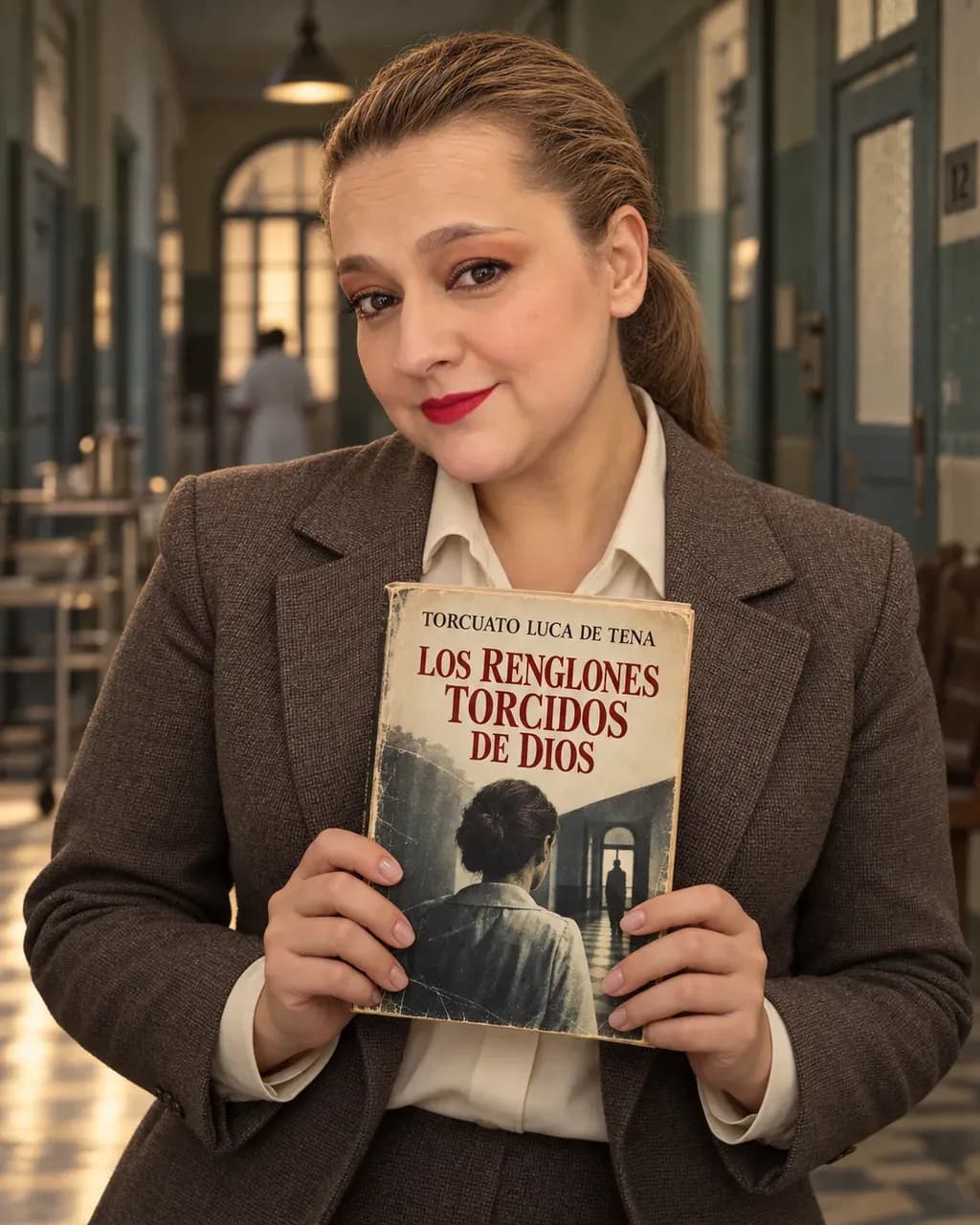
Torcuato Luca de Tena
God's Crooked Lines
God's Crooked Lines by Torcuato Luca de Tena: who gets to decide who is sane?
Alice Gould enters a psychiatric institution with a story of her own. The hospital has another version. That is where the novel starts asking a question institutions would rather keep in their paperwork: who gets to name someone sane, and what happens when the person holding the file is wrong?
October 26, 2026
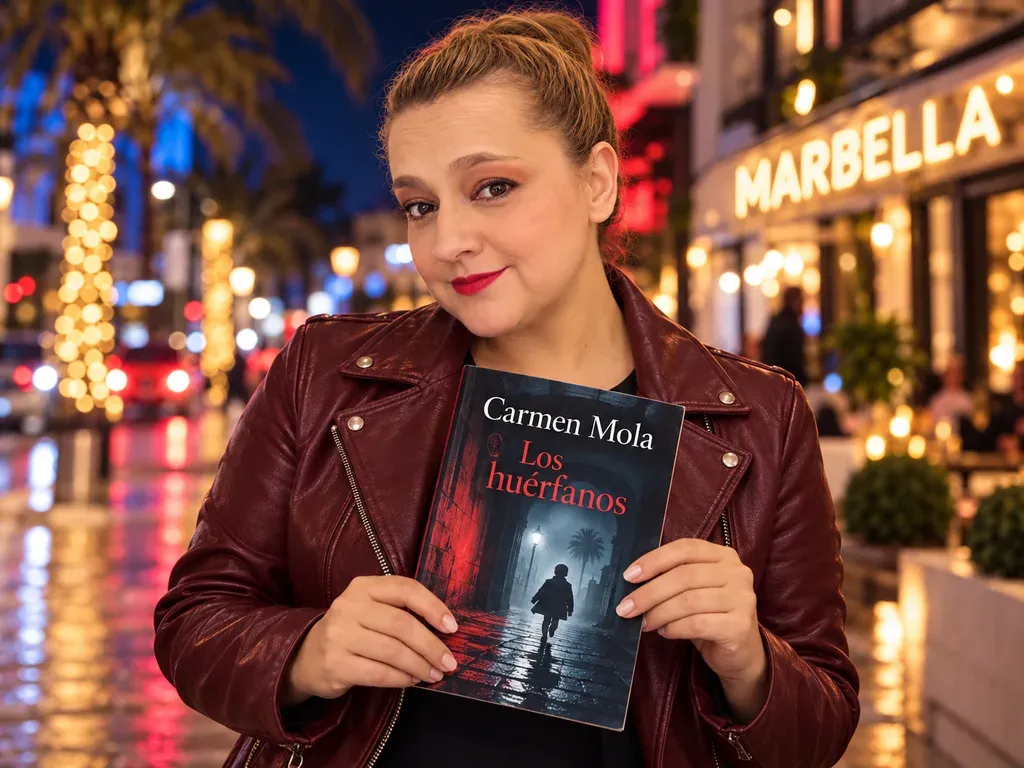
Carmen Mola
The Orphans
The Orphans by Carmen Mola: abandoned children grow into crime bosses. What a hell of a career path
Three children meet in Belfast, build a family out of survival and grow into adults who have learned how to make money from crime. Years later, a case pulls Laura Pastor and her family into a world where loyalty is real, but so are the bullets. The title sounds sad; the career path is considerably worse.
October 25, 2026
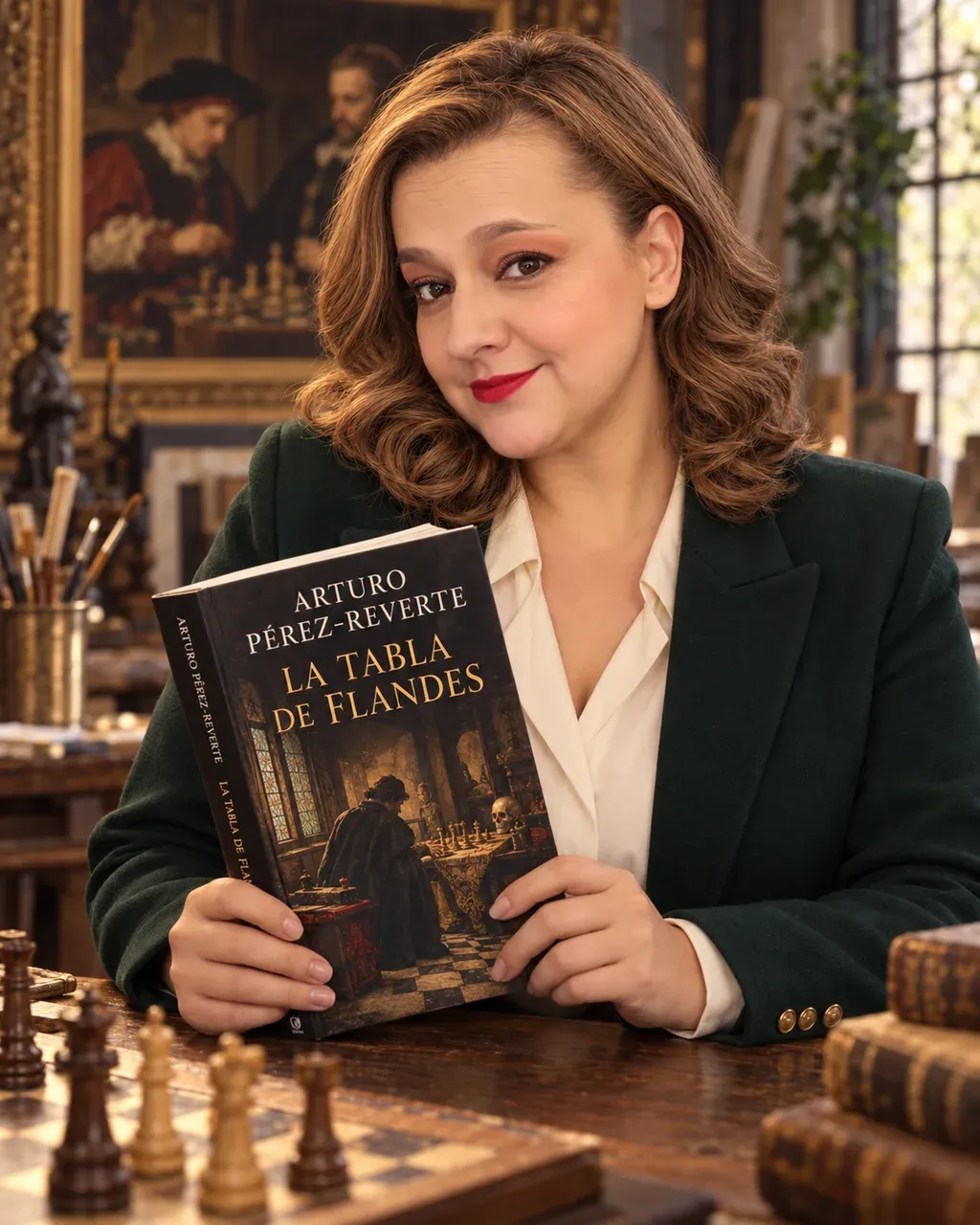
Arturo Pérez-Reverte
The Flanders Panel
The Flanders Panel by Arturo Pérez-Reverte: a painting, a chess game and far too many suspects
My review of The Flanders Panel, by Arturo Pérez-Reverte: an art-and-chess mystery in which restoring a painting becomes an invitation to investigate an old murder. What could possibly go wrong?
October 23, 2026
Want more like this? Join the Readers Club and get one of my books for free.
Share
My books
Books by Yenny Astrid Londoño



About the author
Yenny Astrid Londoño
Yenny Astrid Londoño is a Colombian author and entrepreneur, founder of Anchetas Medellín. She writes about real life with sarcasm, irony and smart humor, turning everyday situations, mistakes and imperfect relationships into stories that readers can laugh at and recognize themselves in.

A free book from me
Get a free book from me
Subscribe and get Sobreviviendo a mis muertos in full as a PDF.
After that, I'll only write when I have something worth telling you.
Also available: Read this review in Spanish →