
Book review
The Flanders Panel by Arturo Pérez-Reverte:
My review of The Flanders Panel, by Arturo Pérez-Reverte: an art-and-chess mystery in which restoring a painting becomes an invitation to investigate an old murder. What could possibly go wrong?
By Yenny Astrid Londoño · October 23, 2026 · 6 min read
Share
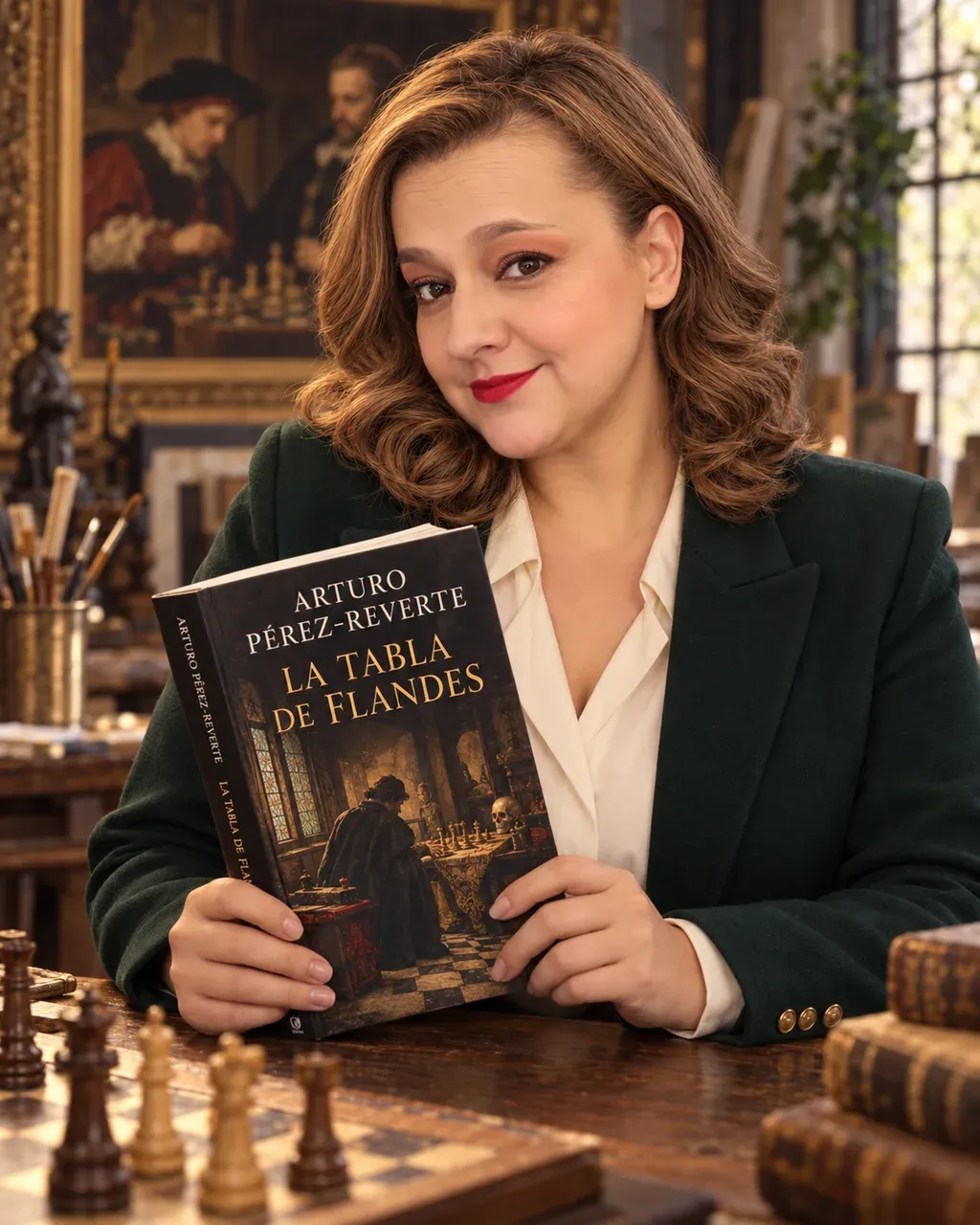
The Book
The Flanders Panel
by Arturo Pérez-Reverte
More reviews by Arturo Pérez-Reverte →
4 out of 5 stars
The premise, the atmosphere and the link between chess and mystery caught me.
What The Flanders Panel is about
Julia is restoring a fifteenth-century Flemish painting. During the work, she finds an inscription hidden beneath a layer of paint: “Who killed the knight?” The painting shows a chess game and several people, including the dead knight. The question seems to belong to the past—until Julia and the people around her start looking for an answer and present-day moves begin to follow the logic of that old game.
The investigation brings together Julia, her friend César, an antiques dealer and Muñoz, a chess player who can read positions and possibilities with the patience I would lose after move three. The mystery is not just translating a hidden phrase. They have to interpret the painting, understand the game and decide whether the connections are coincidences or someone using the board to send a message. In this story, looking closely at a painting can become an expensive hobby.
The painting becomes a crime scene
I liked the idea that restoration is not decorative work. Julia studies layers, pigment, details and traces other people might miss. The hands-on craft turns into a way of reading. Every choice in the painting matters: who is there, what they are doing, what has been covered and why someone might have wanted the inscription to disappear.
The novel understands the pleasure of looking at an image and imagining what lies behind it. You do not need a doctorate in art history to follow the mystery, although you do have to accept that the characters enjoy technical detail. Art is not just an elegant backdrop for rich people drinking wine; it is the surface where a question was trapped for centuries and is still alive.
Chess gives the mystery a set of rules
Chess gives the mystery a structure. The pieces are not just symbols; their positions can be analyzed, played and argued over. Muñoz brings a way of thinking that makes a game feel like a conversation between people who may not even be in the room. Every move opens possibilities and rules out others, just like a good investigation.
You do have to pay attention. If chess is as familiar to you as a printer that has jammed, some passages may ask for patience. The novel gives enough context to follow the essentials, but it does not turn every strategy into a beginner’s class. I appreciate a book trusting us to understand something new; I also appreciate keeping coffee nearby when it starts listing variations.
Julia, Muñoz and the people around the mystery
Julia is our way into the painting and the investigation. Her professional curiosity makes sense: if an inscription appears beneath a painting, of course she wants to know what it means. But her emotional involvement grows along with the danger, and the novel makes her distinguish between what she sees and what she wants to believe. She does not always have the whole story, which is realistic in an investigation and irritating if you are hoping for a protagonist with access to every file.
I liked Muñoz because his intelligence is not built out of speeches about being the smartest person in the room. Chess organizes his thinking, but he also has humor and an unusual way of being with other people. César and the rest of the cast create an environment where every relationship can help or confuse matters. Pérez-Reverte knows that in a mystery people are not furniture: who knows whom affects what they share and what they protect.
Suspense, pace and a guided tour that sometimes runs long
The novel moves through clues, conversations and deductions. It has the pleasure of a mystery that expects you to connect pieces and revisit earlier details. It is not built like a thriller with a chase every twenty pages. The suspense comes from the possibility that someone is using the past to interfere with the present, and from Julia’s uncertainty about how much of her interpretation is reasonable.
The pace slows at times under the weight of the art and chess explanations. I was interested in learning, but not every reader wants to pause for several pages to study a painting or a position. The story gets stronger when those explanations connect to the threat; when they drift away from it, the scene can feel like a museum tour that has gone on because the guide found a favorite subject.
Julia reads the painting; the painting gives her a question back.
Art, memory and the urge to interpret
The story plays with the idea that an artwork contains more than it shows at first glance. The same is true of the characters: everyone offers a version of their motives, and we decide how much to believe. Interpreting something is not the same as automatically discovering the truth; we can also project our wishes, prejudices and fears onto what we see.
That ambiguity is one of the book’s strengths for me. A painting can preserve a story for centuries, but the person looking at it still has to decide what to do with it. The picture does not solve the case for us; it offers a structure and lets the characters test it. I like that sort of mystery, though every now and then I want to tell them to take a break, breathe and stop suspecting the furniture.
What I did not like
Chess and art history are not decorations: the solution depends on understanding their codes. That enriches the mystery, but may leave out readers who do not enjoy reconstructing a game or studying a painting over several pages. The novel demands attention; not everyone wants to solve the board alongside Julia.
Who should read The Flanders Panel?
I recommend it to readers who enjoy slowly unfolding mysteries, art, chess and novels that mix culture with suspense. It also suits people who want a story where solving the puzzle depends on observing and comparing things, not just chasing a suspicious person.
If you want constant action or have no patience for historical and strategic explanations, this may feel dense. You do not need to know how to play chess, but you do need to be willing to follow how the game works inside the mystery. Patience helps; glaring at the pieces will not solve the board on its own.
Julia reads the painting; the painting asks another question
I recommend it to readers who enjoy following art and chess clues at a measured pace. The board genuinely matters: if those codes make you curious, the novel invites you to solve it alongside Julia. If they drive you up the wall, the route can feel steep.
My rating
4 out of 5 stars. The premise, atmosphere and connection between chess and mystery pulled me in. I take off a star for the over-explaining in some sections and for descriptions of women that feel limited today. It left me curious, ready to argue about the clues and faintly worried someone will move my pieces while I sleep.
Frequently asked questions
What is The Flanders Panel about?
An art restorer finds an inscription hidden in an old painting and begins investigating a past murder. The chess game depicted in the picture becomes a key to interpreting what happens in the present.
Do I need to know how to play chess?
No. Curiosity and patience help, but the novel explains enough to follow the investigation. Some technical passages may feel denser if you have never played.
Who is Julia?
She is the art restorer who discovers the hidden inscription and becomes involved in the investigation. Her work on the painting starts the mystery.
Is this a fast-paced thriller?
Not exactly. It has suspense, but it moves through observation, conversation and deduction. The pace is slower than a chase-driven thriller.
What does the painting do in the story?
The painting contains a scene and an inscription that launch the investigation. Its details and the chess game let the characters form and test theories.
Can I read it without knowing art history?
Yes. You do not need to be a specialist, although the book includes art references and explanations that ask for attention.
What does the chess game represent?
The position on the painted board contains a game Julia and her companions have to reconstruct. The move associated with the dead knight becomes a clue in the murder investigation.
The Book
The Flanders Panel
by Arturo Pérez-Reverte
Get the bookIf you buy through this link, Yenny earns a small commission and you pay the same price.
Keep reading
If you liked it, keep going
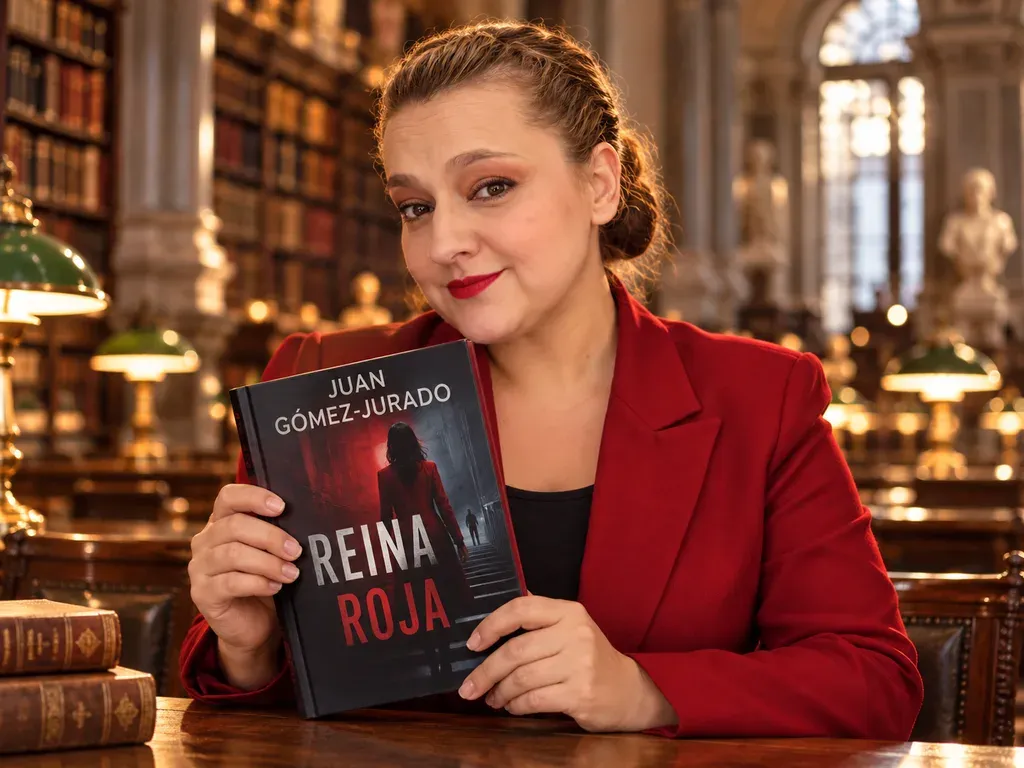
Juan Gómez-Jurado
Red Queen
Red Queen by Juan Gómez-Jurado: Antonia Scott sees everything except a reason to leave her apartment
Antonia Scott has no badge, no official job and an intelligence powerful enough to make a room uncomfortable. Jon Gutiérrez arrives at the wrong door and gets pulled into a case involving wealth, power and people who believe money can buy silence. It can buy quite a lot. It cannot always buy good judgment.
October 26, 2026
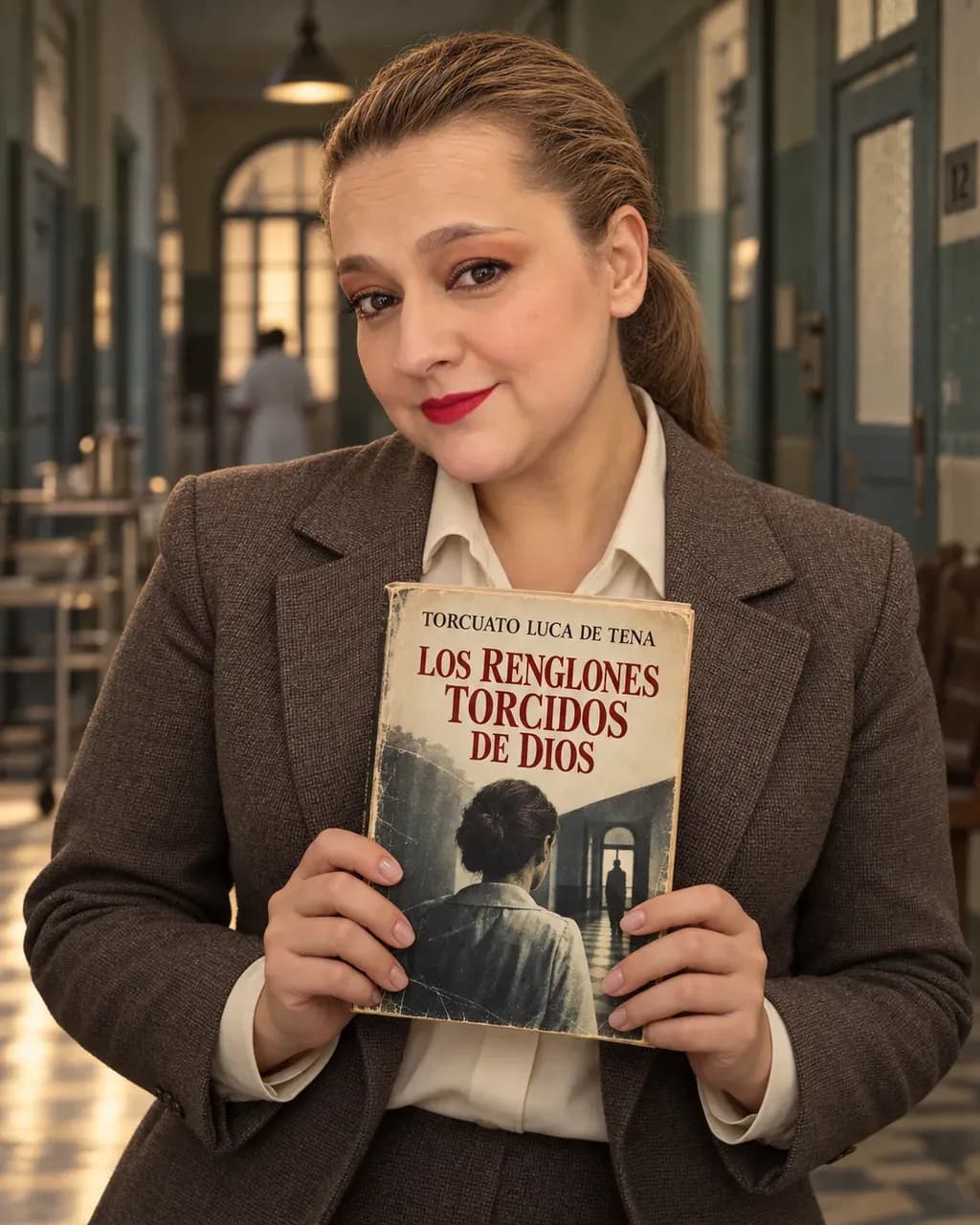
Torcuato Luca de Tena
God's Crooked Lines
God's Crooked Lines by Torcuato Luca de Tena: who gets to decide who is sane?
Alice Gould enters a psychiatric institution with a story of her own. The hospital has another version. That is where the novel starts asking a question institutions would rather keep in their paperwork: who gets to name someone sane, and what happens when the person holding the file is wrong?
October 26, 2026
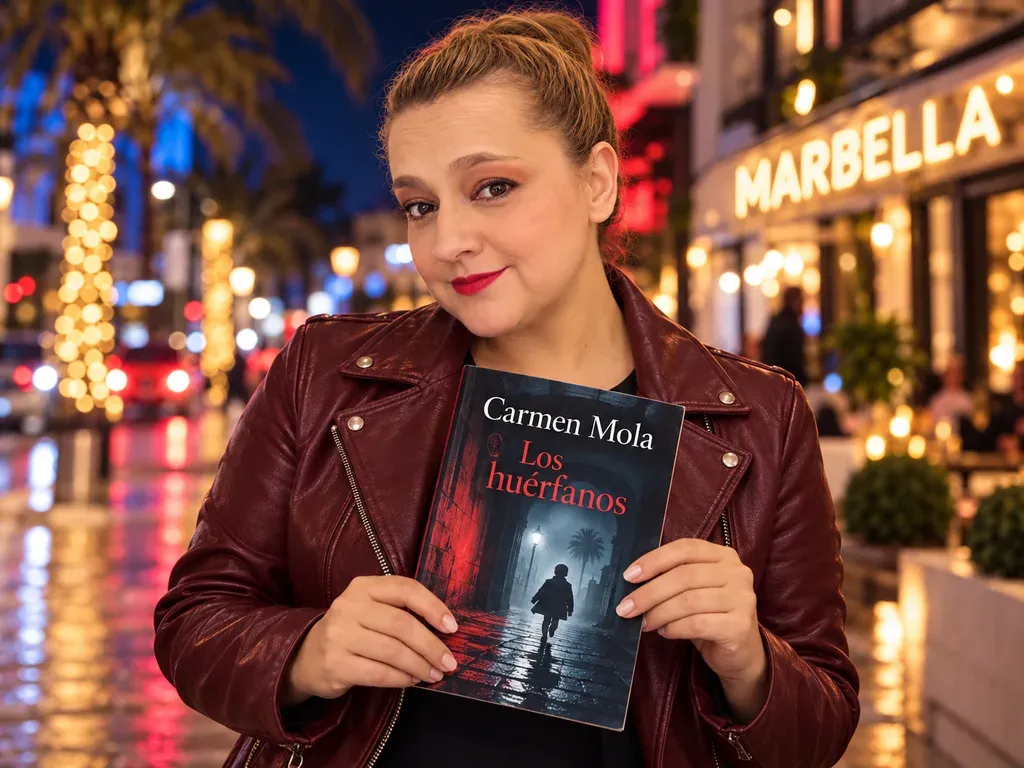
Carmen Mola
The Orphans
The Orphans by Carmen Mola: abandoned children grow into crime bosses. What a hell of a career path
Three children meet in Belfast, build a family out of survival and grow into adults who have learned how to make money from crime. Years later, a case pulls Laura Pastor and her family into a world where loyalty is real, but so are the bullets. The title sounds sad; the career path is considerably worse.
October 25, 2026
Want more like this? Join the Readers Club and get one of my books for free.
Share
My books
Books by Yenny Astrid Londoño



About the author
Yenny Astrid Londoño
Yenny Astrid Londoño is a Colombian author and entrepreneur, founder of Anchetas Medellín. She writes about real life with sarcasm, irony and smart humor, turning everyday situations, mistakes and imperfect relationships into stories that readers can laugh at and recognize themselves in.

A free book from me
Get a free book from me
Subscribe and get Sobreviviendo a mis muertos in full as a PDF.
After that, I'll only write when I have something worth telling you.
Also available: Read this review in Spanish →