
Book review
The Orphans by Carmen Mola:
Three children meet in Belfast, build a family out of survival and grow into adults who have learned how to make money from crime. Years later, a case pulls Laura Pastor and her family into a world where loyalty is real, but so are the bullets. The title sounds sad; the career path is considerably worse.
By Yenny Astrid Londoño · October 25, 2026 · 6 min read
Share
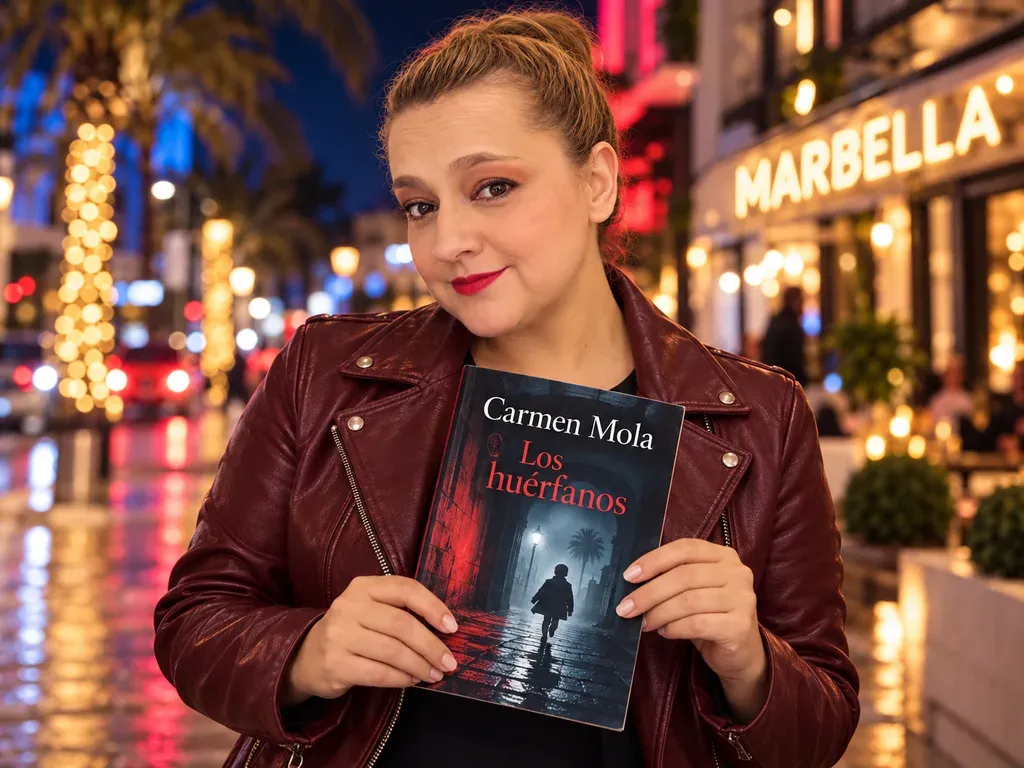
The Book
The Orphans
by Carmen Mola
4 out of 5 stars
The mix of brotherhood, prosecution and dirty money wins me over; it loses me when the crime threatens to become more interesting than the people who suffer it.
Three children in Belfast and the worst school imaginable
The story begins with three children who have been left to survive in a city marked by violence. They call one another siblings, not because a family tree says so but because the world has given them very few safer options. Their bond is tender and practical: if nobody else is going to protect you, you learn to protect each other.
The novel then follows what that survival turns into. The children grow up and become part of a criminal business in Marbella. The jump from abandoned kids to powerful adults gives the story a question beyond “who did it?” What does a person do with the skills learned in a childhood where safety was never provided?
“We are family” is both the sweetest and most dangerous sentence
Chosen family can save people. It can also become the most effective excuse for asking them to do things they would never accept from anyone else. The three characters share history and affection, but that history does not erase the harm they cause or the choices they make as adults.
I like that tension. Childhood explains some of the damage; it does not absolve every decision made later. If a person builds a criminal empire, their past matters, but it does not become a coupon that lets them skip responsibility.
There is something moving about children choosing one another when adults and institutions have failed them. There is also something frightening about seeing that bond survive into a criminal world, where loyalty can be used to make violence feel like a family favor. “I did it for my people” may explain the motive; it does not undo the harm done to somebody else’s people.
Marbella’s luxury has a basement
The novel moves between Belfast and the polished wealth of Marbella. One place carries the children’s past; the other shows what their adult power can buy. Those worlds look different, but neither gives the characters a clean escape. Money can buy a view, a house and a lawyer. It cannot make violence disappear; it can only pay someone to clean the room faster.
Laura Pastor brings the law and her own history
Laura Pastor and her family give the investigation a personal stake. She is not simply a badge entering a criminal setting; her own past and family relationships affect what she can see and whom she trusts. That gives the case another layer, though it also means the novel has a lot of history and family ties to keep in the air.
The Pastor family prevents the story from becoming only a war between criminal groups. The investigation has to contend with what loyalty asks of people who know one another too well. Sometimes the worst witness is the person who can finish your sentence—and knows exactly which part you are trying not to say.
Laura’s work as a prosecutor gives the novel a different kind of pressure from the criminals’ operations. The law has procedures, deadlines and proof to establish; the people around the case have memories and private loyalties that do not fit neatly into a file. The contrast can slow the plot, but it also gives the conflict a human cost beyond who controls the next shipment or territory.
Belfast and Marbella are not just opposite postcards
The shift from Belfast to Marbella changes the surface of the story: one setting is tied to the children’s abandonment, the other to adult wealth and influence. But the book is not saying that poverty is authentic and luxury is automatically corrupt. It is showing how violence can travel with people and become harder to see when it is surrounded by money, polished floors and respectable company.
Marbella’s shine does not erase Belfast from the characters’ lives. The past remains part of how they understand danger, trust and family. A new address can change what the neighbors see; it cannot guarantee that a person has escaped what taught them to survive.
The business of turning people into resources
Crime organizations often describe their work in tidy language: operations, contacts, assets. The book makes it harder to forget that those words refer to people being controlled, threatened or discarded. The wealth in Marbella is not separate from the violence that sustains it. Somebody is paying for the luxury, and it is rarely the person sitting comfortably on the terrace.
The prosecutor’s side of the story also shows how long it can take to make power answer for itself. Money buys patience: hearings can be delayed, witnesses pressured and a reputation cleaned up while the people harmed are expected to wait. That imbalance is not a clever criminal trick; it is one of the reasons crime stories about wealth can leave such an unpleasant aftertaste.
Carmen Mola without Elena Blanco
Readers who know Carmen Mola through Inspector Elena Blanco may expect the same series machinery. This book is separate, with Laura Pastor and a different family at its center. That change lets the author move beyond a familiar investigator, though the interest in violence, power and people living with the consequences remains.
I appreciated not needing to catch up on another detective’s history. The trade-off is that the novel has to establish a new set of relationships while also telling a story across cities and years. It gives us a lot to hold onto; occasionally it could trust one thread to carry the scene without introducing another complication.
What I did not like
The novel has a lot competing for attention: the childhood bond, two cities, the Pastor family, the prosecutor’s work and the criminal business. At times, the crime threatens to become more interesting than the people suffering under it. I wanted the book to spend a little more time with consequences and a little less trying to top its last shock.
Who is this novel for?
For readers who like crime stories with family loyalties, organized crime, old wounds and a plot that moves between past and present. If you want a light mystery or prefer violence to stay off the page, this may not be your book. Carmen Mola is not sending a postcard from Marbella.
The Pastor family enters the fight, too
That family thread keeps the case from being a distant contest between criminal groups. It asks what the law can do when the people involved share a past—and what loyalty is worth when it starts demanding silence.
My rating
4 out of 5 stars. The mix of chosen family, prosecution and dirty money works for me; I lose patience when the crime threatens to become more interesting than the people it hurts. That missing star is the cost of excess: you do not have to shout at me every five pages to make me uncomfortable. The Belfast-to-Marbella contrast gives the novel a clear shape, and Laura’s family keeps the case from becoming an abstract battle between criminals. I also like that the book does not use an abandoned childhood to excuse what these characters do as adults. I take off the star when the violence begins competing for attention instead of deepening the story.
Frequently asked questions
Is The Orphans part of the Elena Blanco series?
No. It is a separate crime novel with its own characters and conflict.
Where does the story take place?
It connects Belfast, where the children’s story begins, with Marbella and its criminal world.
Who is Laura Pastor?
She is a prosecutor whose investigation and family history bring her into the conflict.
Is the novel violent?
Yes. It deals with organized crime and includes violence. Check a sample if those subjects are difficult for you.
Do I need to read other Carmen Mola books first?
No. This story is separate from the Elena Blanco series.
What does the title refer to?
It points to the three children whose abandonment and chosen bond shape the story.
Should I read it before the Elena Blanco books?
There is no required order; the books are separate stories.
The Book
The Orphans
by Carmen Mola
Get the bookIf you buy through this link, Yenny earns a small commission and you pay the same price.
Keep reading
If you liked it, keep going
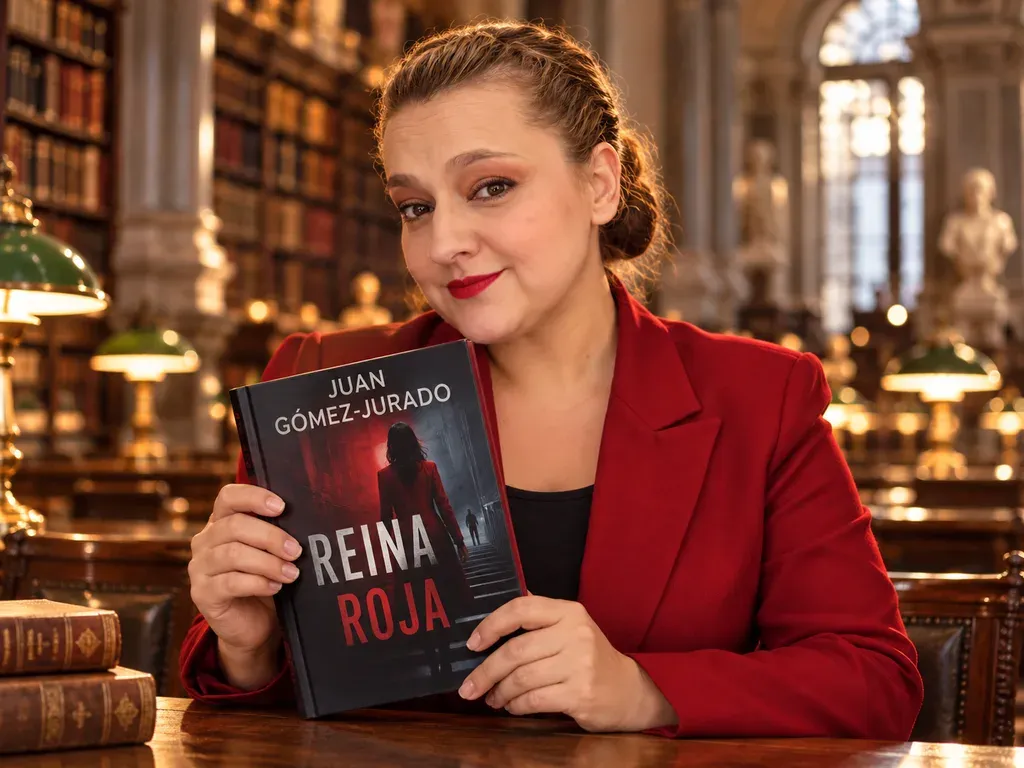
Juan Gómez-Jurado
Red Queen
Red Queen by Juan Gómez-Jurado: Antonia Scott sees everything except a reason to leave her apartment
Antonia Scott has no badge, no official job and an intelligence powerful enough to make a room uncomfortable. Jon Gutiérrez arrives at the wrong door and gets pulled into a case involving wealth, power and people who believe money can buy silence. It can buy quite a lot. It cannot always buy good judgment.
October 26, 2026
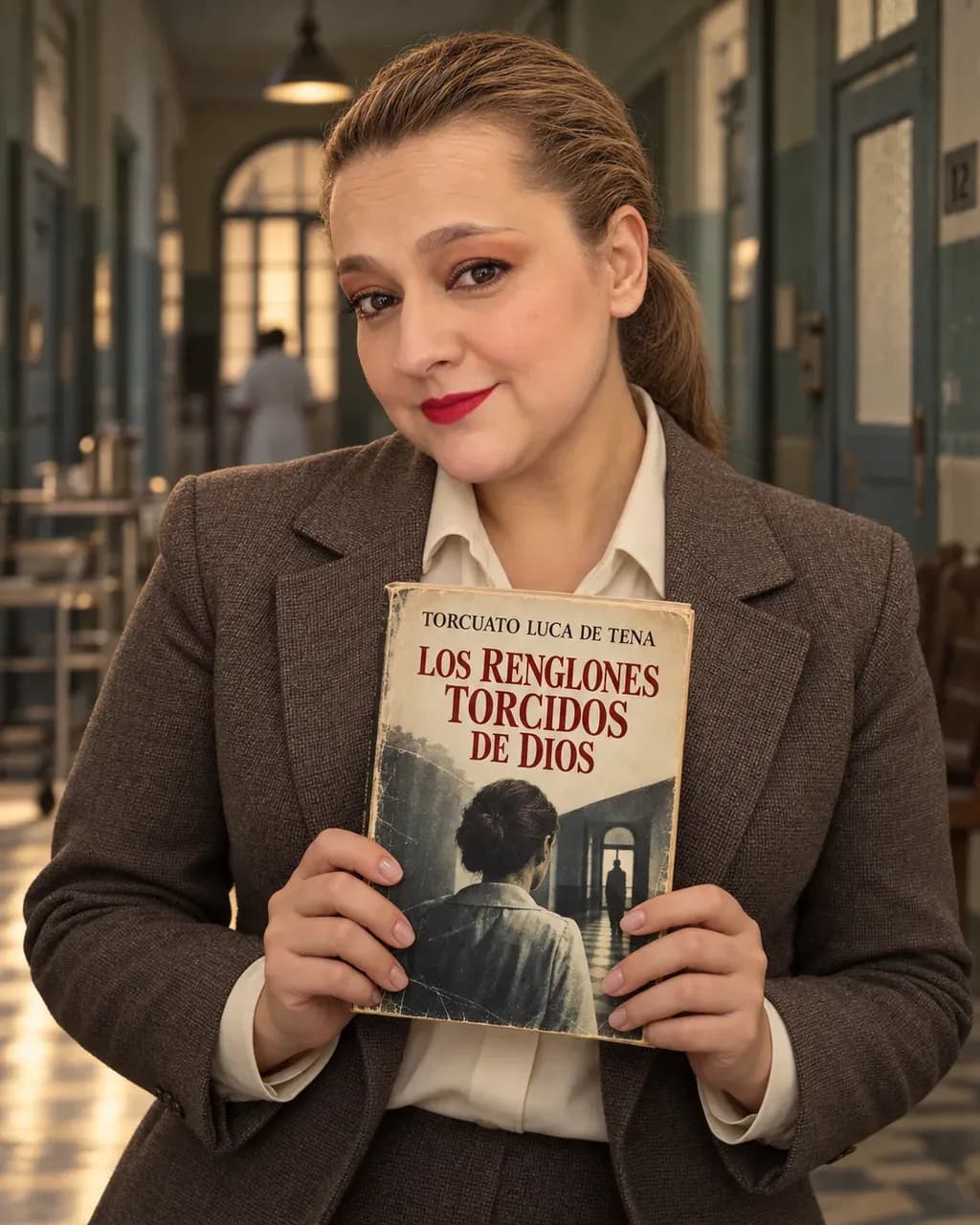
Torcuato Luca de Tena
God's Crooked Lines
God's Crooked Lines by Torcuato Luca de Tena: who gets to decide who is sane?
Alice Gould enters a psychiatric institution with a story of her own. The hospital has another version. That is where the novel starts asking a question institutions would rather keep in their paperwork: who gets to name someone sane, and what happens when the person holding the file is wrong?
October 26, 2026
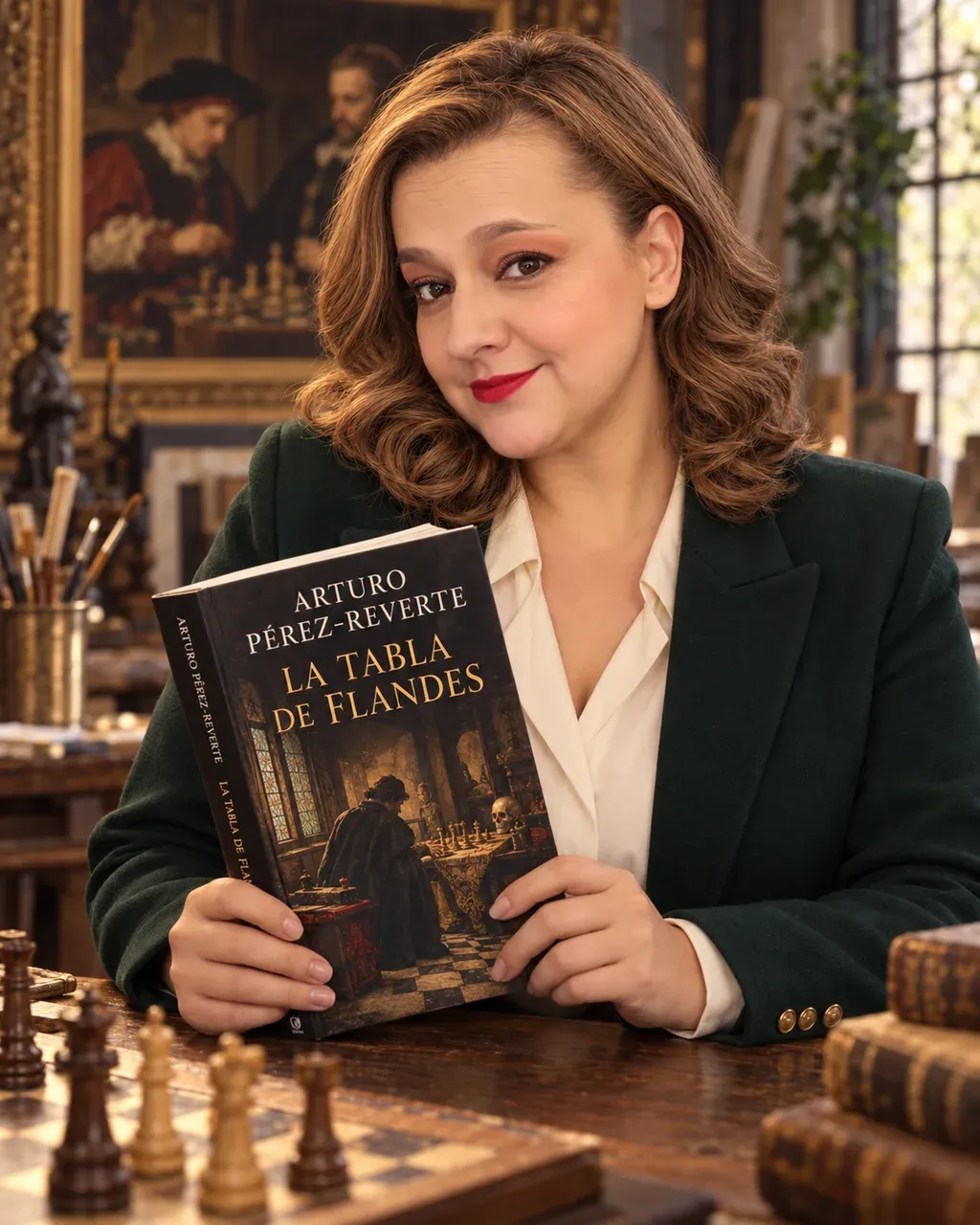
Arturo Pérez-Reverte
The Flanders Panel
The Flanders Panel by Arturo Pérez-Reverte: a painting, a chess game and far too many suspects
My review of The Flanders Panel, by Arturo Pérez-Reverte: an art-and-chess mystery in which restoring a painting becomes an invitation to investigate an old murder. What could possibly go wrong?
October 23, 2026
Want more like this? Join the Readers Club and get one of my books for free.
Share
My books
Books by Yenny Astrid Londoño


About the author
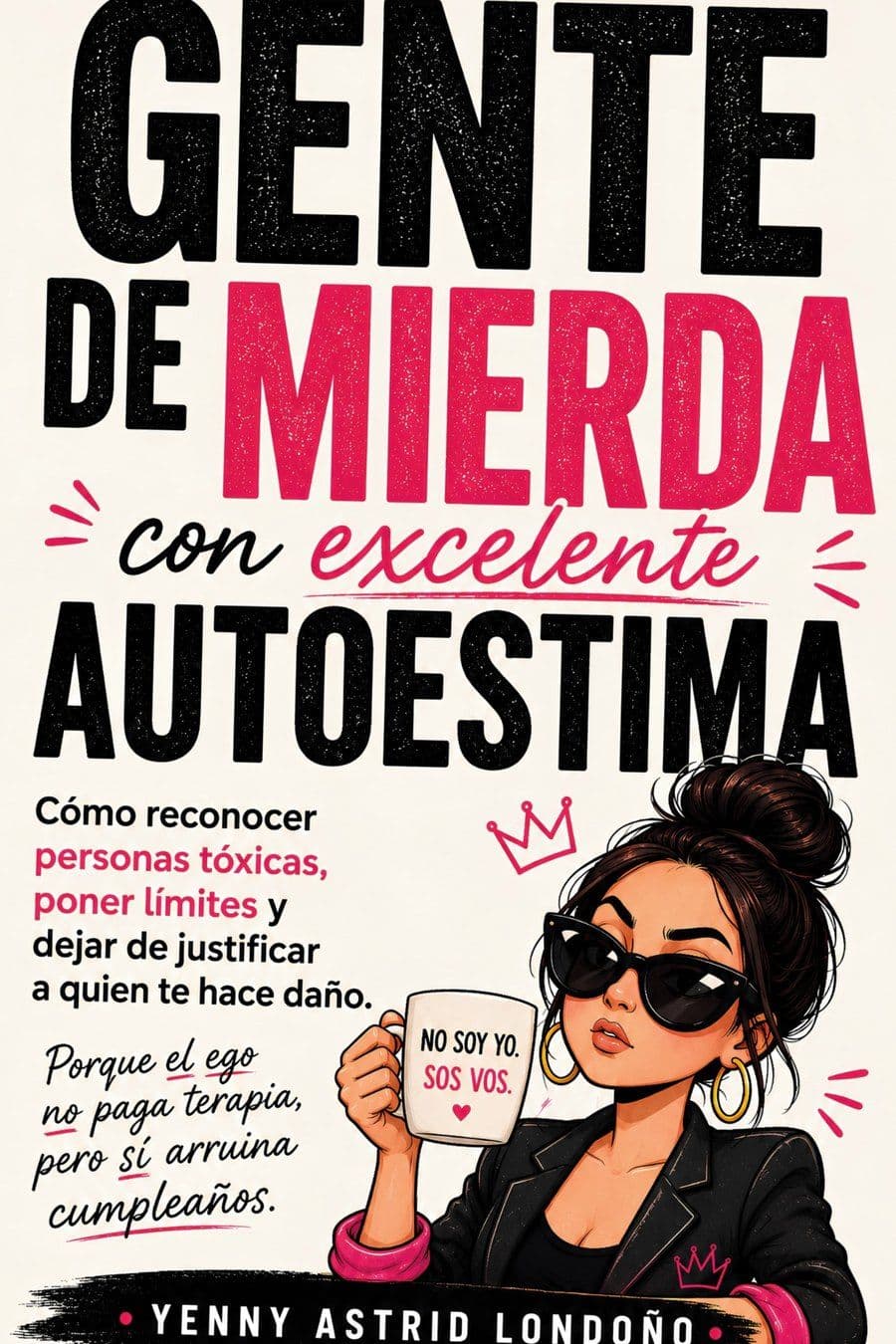
Yenny Astrid Londoño
Yenny Astrid Londoño is a Colombian author and entrepreneur, founder of Anchetas Medellín. She writes about real life with sarcasm, irony and smart humor, turning everyday situations, mistakes and imperfect relationships into stories that readers can laugh at and recognize themselves in.

A free book from me
Get a free book from me
Subscribe and get Sobreviviendo a mis muertos in full as a PDF.
After that, I'll only write when I have something worth telling you.
Also available: Read this review in Spanish →