
Book review
Misery by Stephen King:
Paul Sheldon wakes up in the wrong house, with the wrong person in charge and a reader who thinks “I love your books” means “you belong to me now.” Annie Wilkes calls herself his number-one fan. Paul learns that the phrase can sound a lot like a threat when you cannot get out of bed.
By Yenny Astrid Londoño · October 26, 2026 · 6 min read
Share

The Book
Misery
by Stephen King
More reviews by Stephen King →
5 out of 5 stars
The confinement, the dynamic between Paul and Annie and writing as a form of resistance hold the book from start to finish.
Paul Sheldon wakes up in the wrong house
Paul is a successful novelist who survives a car crash and is taken in by Annie Wilkes, a former nurse and devoted reader of his Misery books. At first, she seems like the person who saved his life. Then she reads the new manuscript, learns that Paul has ended her favorite character’s story, and makes it clear that he will write the version she wants.
That change from rescue to captivity is terrifying because Annie is not a supernatural creature. She is right there, deciding what Paul may eat, read, write and survive. The room becomes the whole world, and the person who controls the door controls the story.
Annie is not a demanding fan. She is a threat
Annie’s attachment to the Misery books is not ordinary enthusiasm. She treats the fictional character as someone she owns and Paul as the employee responsible for bringing Misery back. Every demand is framed as devotion: she loves the story, therefore she has a right to make the author obey.
That is the horror of confusing admiration with ownership. Readers can love a character. They cannot claim the person who wrote her. The book understands how quickly “I am your biggest fan” can turn into “you owe me the ending I ordered.”
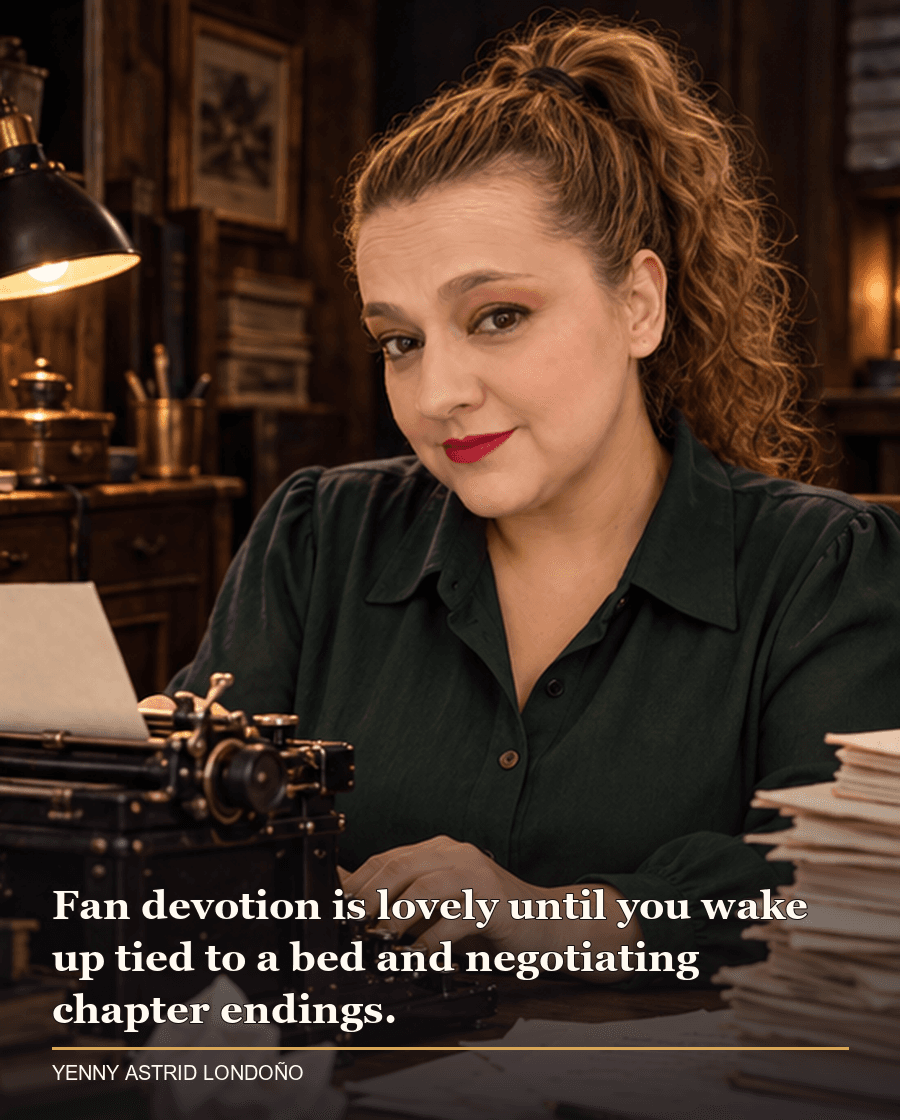
A small room and a body that will not cooperate
Paul is injured and dependent on Annie. His body has limits, and the house has none of the ordinary exits a healthy person takes for granted. King makes the practical details matter: pain, medication, mobility, food and the difficulty of planning when someone else controls your care.
The confinement is frightening without ghosts because it is built from dependence. Annie can be kind one moment and dangerous the next. Paul must read her moods while trying to keep enough of himself intact to survive.
The novel inside the novel
Annie forces Paul to write a new Misery book. The manuscript becomes a negotiation, a delay tactic and a reason to keep living. Writing is not romanticized here as a magical calling that fixes everything. It is exhausting work done under pressure, with a captor judging every page.
I like how King turns the act of writing into plot. Paul has to make sentences while terrified, and the story he creates becomes a way to buy time. The novel knows that a blank page can be a problem; under Annie, it is also a survival deadline.
Paul’s work is not a clean escape into imagination. Annie reads what he writes, judges it and makes the fictional world obey her demands. The writer has to keep creating while the person reading him can punish him for the wrong choice. It is a brutal version of the familiar fear that the audience will hate what you do next—except this audience has a key and a lot of free time.
King turns the writing desk into a battlefield
The book understands the strange relationship between an author and a character. Paul can invent people, but he cannot control Annie. She can control his body, but she cannot fully control the story he writes in his head. That imbalance gives the book a sharp argument about creative freedom without turning it into a lecture.
There is also a question about who gets to own a story once it has mattered to somebody. Annie treats her feelings as a contract Paul never signed. The novel does not mock readers for caring deeply about fiction; it draws a line between loving a story and believing that love entitles you to command its creator.

A locked room does not need a ghost
The horror is human, intimate and physical. The reader is trapped with Paul in the same narrow set of possibilities. Annie’s affection makes the danger more disturbing, not less: she can say she loves him while hurting him because her version of love has no room for his consent.
The lack of supernatural explanation keeps the fear close. There is no curse to break and no monster that vanishes with daylight. Paul has to pay attention to a person whose moods and rules can change without warning. That ordinary human unpredictability is much harder to dismiss as “just fiction.”
What I did not like
The explicit violence is effective, but there are moments when it is more than I need. The psychological pressure and the power imbalance are already strong; some scenes push the physical horror so far that the book risks making suffering its own attraction. I can admire the suspense and still wish it had trusted the reader a little more.
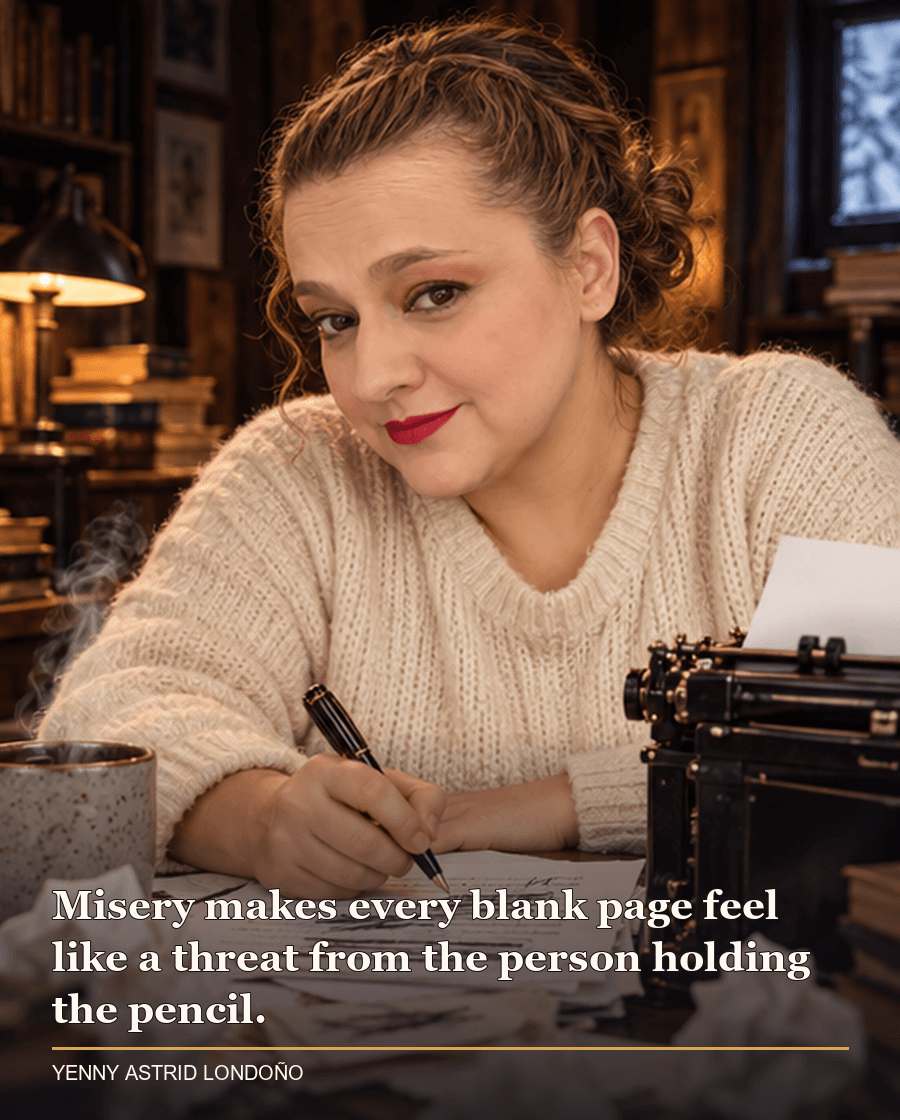
A brutal novel with very dark humor
King gives the book flashes of humor without making Annie less dangerous. That contrast helps the story breathe. Paul can be terrified and sarcastic at the same time; fear does not automatically cancel a person’s personality.
The humor also stops the suspense from becoming one long, solemn scream. Paul’s inner voice remains active even when his body is not free. That small stubbornness is part of his resistance: Annie may dictate the conditions, but she cannot make him admire them.
Annie does not accept that Paul can end the story
That is the book’s nastiest little truth: the creator may finish a character’s story, but a fan can refuse to accept the ending. Annie turns admiration into control, and Paul has to write his way through a house where every page has a price.
My rating
5 out of 5 stars. The confinement, the dynamic between Paul and Annie, and writing as a form of resistance hold the book together from beginning to end. Some explicit violence is more than I need, but it does not break the whole. This is one of those novels that makes you look at your front door with a little more respect. I give it five because the premise keeps producing new pressure rather than relying only on the first shock. The relationship between author and reader, the practical terror of dependence and Paul’s use of writing all work together. The violence is the one part I would trim, but the book knows exactly how to make a locked room feel larger than a whole city.
Frequently asked questions
What is Misery about?
After a car crash, novelist Paul Sheldon is rescued and held captive by Annie Wilkes, a fan who demands that he write a new story for her favorite character.
Who is Annie Wilkes?
She is Paul’s self-described number-one fan and the person controlling his recovery and confinement.
Is Misery supernatural horror?
No. The terror comes from human behavior, confinement and Annie’s control over Paul.
Is the novel about writing?
Yes. Paul’s forced work on a new Misery novel becomes part of his struggle to survive.
Is Misery very violent?
Yes. It contains explicit physical violence and captivity.
Do I need to read other Stephen King books first?
No. Misery stands alone.
Is Annie Wilkes obsessed with the fictional character Misery?
Yes. Her obsession drives her demand that Paul continue the character’s story.
The Book
Misery
by Stephen King
Get the bookIf you buy through this link, Yenny earns a small commission and you pay the same price.
Keep reading
If you liked it, keep going

Stephen King
The Shining
The Shining: the Overlook doesn't need ghosts to make a family miserable
Stephen King's The Shining: Jack, Wendy and Danny at the Overlook Hotel, snowed in and under pressure. My honest review of the novel, not just the film.
October 22, 2026
Stephen King
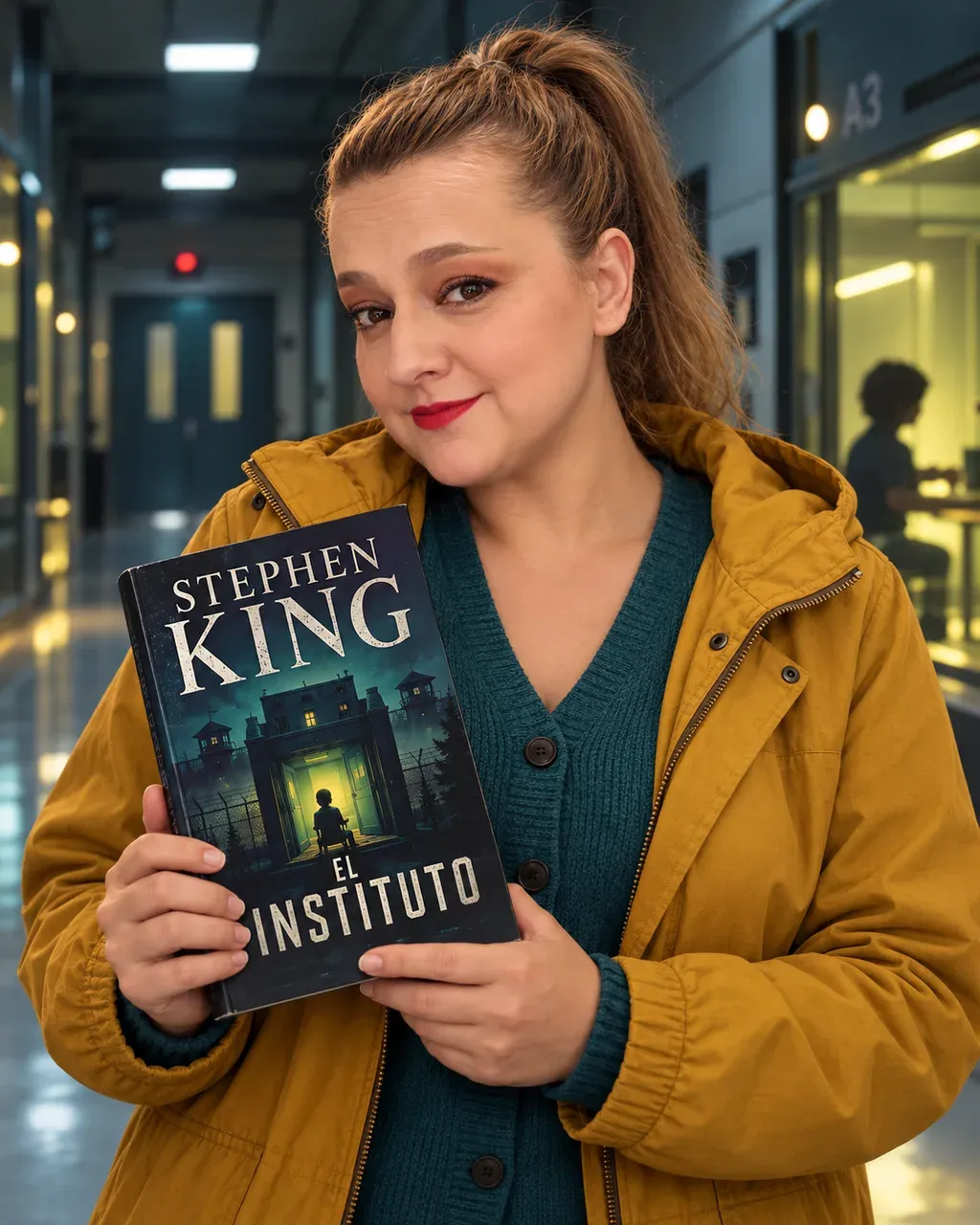
The Institute
The Institute: gifted kids and adults with terrible priorities
Stephen King's The Institute: children with special abilities, a system that calls its abuse research and adults who wash their hands. Review, 4 out of 5.
October 21, 2026
Agustina Bazterrica
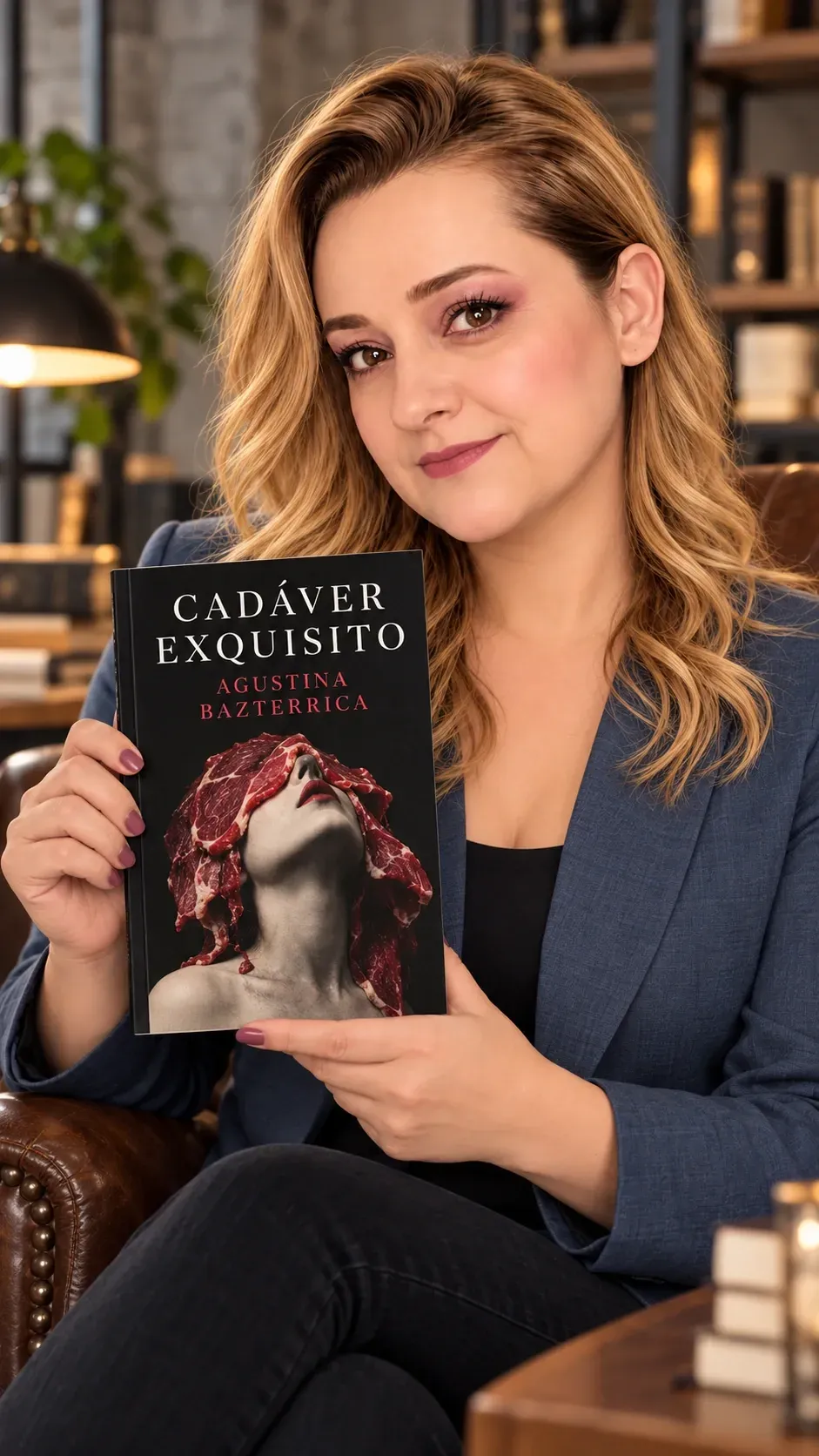
Tender Is the Flesh
Tender Is the Flesh: a society changes the name and keeps buying
Agustina Bazterrica's Tender Is the Flesh: legal human meat, corporate euphemisms and a complicit society. My honest review, 4.5 out of 5 stars.
October 21, 2026
Want more like this? Join the Readers Club and get one of my books for free.
Share
My books
Books by Yenny Astrid Londoño



About the author
Yenny Astrid Londoño
Yenny Astrid Londoño is a Colombian author and entrepreneur, founder of Anchetas Medellín. She writes about real life with sarcasm, irony and smart humor, turning everyday situations, mistakes and imperfect relationships into stories that readers can laugh at and recognize themselves in.

A free book from me
Get a free book from me
Subscribe and get Sobreviviendo a mis muertos in full as a PDF.
After that, I'll only write when I have something worth telling you.
Also available: Read this review in Spanish →