
Book review
The Shining:
Stephen King's The Shining: Jack, Wendy and Danny at the Overlook Hotel, snowed in and under pressure. My honest review of the novel, not just the film.
By Yenny Astrid Londoño · October 22, 2026 · 7 min read
Share
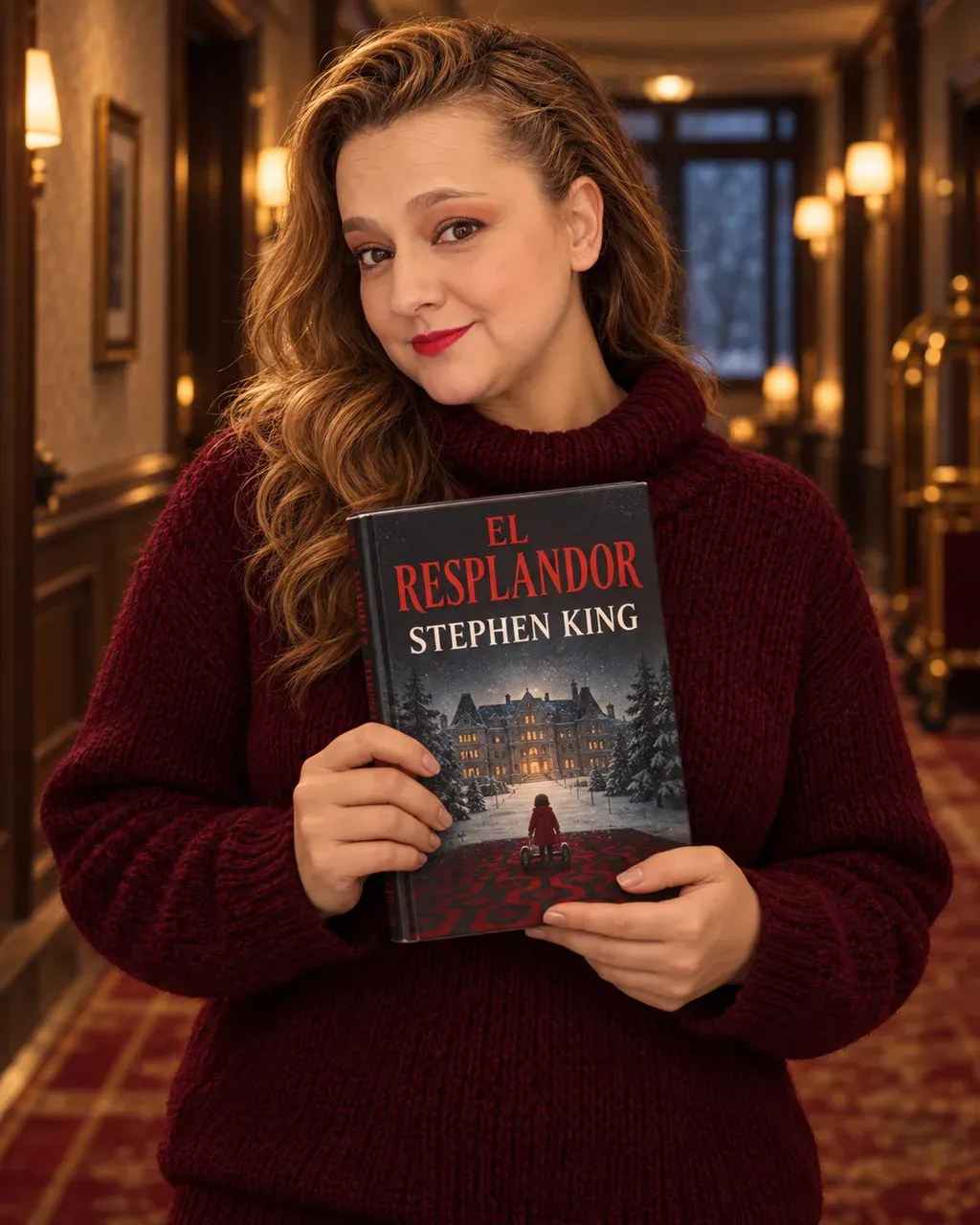
The Book
The Shining
Horror
by Stephen King
More reviews by Stephen King →
4.5 out of 5 stars
It has atmosphere, tension, and an emotional core that holds up very well over time.
What The Shining is about
Jack Torrance takes Wendy and Danny to the Overlook Hotel, where he will work as the winter caretaker. Snow cuts the hotel off from the outside world, and the job seems to offer Jack what he badly needs: time to write, a chance to put his life back together, and an opportunity to prove he is no longer the man alcohol and rage used to run. The hotel, naturally, has other plans. A family trying to start over in an empty mountain was apparently too simple, so Stephen King adds a building with a memory and a collection of presences that do not respect office hours.
Danny is a sensitive, perceptive child with an ability to notice what adults would rather not see. It makes the hotel dangerous long before everyone else is ready to admit it. Wendy tries to hold the family together while figuring out what can still be explained and what has crossed the line. Jack wants to write and stay sober, but the cracks in his past start getting visitors. The danger, the novel makes clear, is not limited to the hallways.
The hotel as character and trap
The Overlook is not a pretty backdrop for snow and creepy music. Its history seeps into every room, every enormous lounge, every corner that looks empty. King uses physical isolation to tighten the family’s emotional isolation too: when the road is impassable and help is nowhere nearby, their conflicts get locked in with them. The mountain is not exactly a customer-service desk.
I liked how the hotel feels familiar and strange at once. There are ordinary rooms, objects, and work routines, but the narration loads them with tension until a closed door feels like an invitation to make bad decisions. Fear does not need a sheet ghost going “boo.” Sometimes it is enough for a character to know a room too well when they have never been there.
Jack, Wendy, and Danny: a family under pressure
Jack is not a flat villain who arrives already determined to hurt people. He has guilt, pride, a real desire to change, and a relationship with anger that cannot be fixed by saying, “This time I mean it.” The novel gets usefully uncomfortable here: good intentions are easy to use as proof that we have changed, even when our actions have not caught up with the speech. Jack wants his family’s trust back, but trust does not return just because someone asks for it in a wounded voice.
Wendy felt more interesting to me than the version many people remember from the movie. The novel gives her doubts, strength, fear, and the ability to observe. She does not have a perfect answer to everything, but she is not there just to scream and run down the hall either. Danny carries a huge amount of perception for a child who still needs adults to explain the world. That leaves a painful question: how much can a family protect a child when the threat is also inside the house?
The fear that comes from inside the family
The supernatural horror works, but the domestic reading unsettled me more. A child watches his father and tries to believe the version he needs most: a man who loves him, will control himself, and will not repeat what happened before. Wendy performs a similar calculation. When does hope turn into an excuse to put off a decision? The book offers no comfortable answer, and it does not need one.
King writes about addiction, inherited violence, shame, and the fear of being defined forever by the worst thing you have done. That gives the apparitions a different weight. The hotel may amplify what is already wrong, but it does not erase the characters’ responsibility. The paranormal explanation is not a magic laundry cycle for guilt, thank goodness; too many stories use a demon to avoid talking about human choices.
The pace and the way the story is told
The build is gradual. King takes his time introducing the hotel, the family’s routine, and Jack’s memories. Some readers will want the scare on page three, complete with violin music. This novel would rather make us understand what is at stake first. That patience worked for me, though I did feel a few passages could have been tightened.
The narration moves in and out of the characters’ minds, changing how we read a scene. What seems like a minor detail to one person is proof to another that something is badly wrong. That creates suspense without hiding every scrap of information behind a curtain. Knowing more does not always reassure us; sometimes it is the nastier option.
What I did not like
The novel spends a long time inside the hotel and the Torrance family. That claustrophobia serves the horror, but some stretches can feel slow. Jack’s spiral also blends alcoholism, rage, and the supernatural presence, so at times it is hard to separate which part of the danger comes from him and which from the Overlook. Depending on what you want, that ambiguity can feel unsettling or repetitive.
How the novel differs from the film
If you come in expecting an exact copy of Stanley Kubrick’s film, you may be surprised. The novel develops more of Jack’s history and gives Wendy and Danny more room; the adaptation makes its own choices and changes important things. I am not turning this review into a family fight between book and film, because each version has different tools. Read the novel for what it does on the page, not as a checklist of scenes to compare with the movie.
The book also depends on more than the image of a haunted hotel. Its center is a family trying to live with wounds that do not heal just because they changed addresses. The supernatural threat shapes the fear, but the relationships are why we care who makes it out of each room. Without that, we would have a collection of scares and an ugly carpet.

Who I recommend The Shining to
I recommend it to readers who enjoy psychological horror, isolated settings, and people with contradictions that cannot be fixed by one inspirational conversation. It is also a good choice if you want a Stephen King classic and want to understand why the Overlook keeps coming up whenever people talk about horror novels.
If you prefer fast plots, little introspection, or a scare every three pages, this may feel slow. And if stories of family violence hit too close, know that the book gives that subject real weight. Not all the horror is paranormal, and the novel does not pretend otherwise.
The difference between fear and guilt
A supernatural presence can distort what people see, but the book does not let everything disappear into a magical excuse. Jack still has to answer for what he does, and Wendy still has to decide what she can accept. That distinction matters: understanding where harm comes from does not mean justifying it.
The tension works because each character tries to make sense of what they see using what they already know about the family. The Overlook does not invent the Torrances’ wounds out of nowhere; it makes them impossible to ignore. When a horror novel can get me thinking about ghosts and responsibility at the same time, it has earned its place in the conversation.
The Overlook gives the Torrances no break
I give it 4.5 out of 5 stars. It has atmosphere, tension, and an emotional center that holds up. I take off half a point because some sections drag and certain thoughts repeat more than they need to. The Overlook can keep its ghosts; I do not need to be told three times that this family is in trouble.
Frequently asked questions
Is The Shining more psychological horror or supernatural?
A mix. It has a clear supernatural presence, but the psychological tension comes from living together, isolation and the conflicts between Jack, Wendy and Danny. The novel works best when both layers feed each other.
Do I need to watch the film before reading the book?
No. You can read it without having seen any adaptation. If you already know the film, the novel still offers important differences in character development and family history.
Does the novel have very graphic scenes?
The book deals with terror and violence, but much of its effect comes from atmosphere and sustained tension. It also addresses addiction and family violence, topics that can feel harsher than the supernatural elements.
Who is Danny Torrance?
Jack and Wendy's son. He has a special sensitivity that lets him perceive things others don't see, and his experience at the Overlook is central to the story.
Does the Overlook Hotel exist?
The Overlook is fictional. Stephen King drew on real hotels and the sense of isolation of a winter stay, but the hotel in the novel belongs to fiction.
Does Stanley Kubrick's film follow the book exactly?
No. It keeps the general premise but changes aspects of the story and the characters. The novel and the film are different works, so comparing them can be interesting, but don't expect a scene-by-scene adaptation.
Who is the caretaker at the Overlook Hotel?
Jack Torrance is hired as the hotel's winter caretaker and moves there with Wendy and Danny during the season when the hotel is cut off.
The Book
The Shining
by Stephen King
Get the bookIf you buy through this link, Yenny earns a small commission and you pay the same price.
Keep reading
If you liked it, keep going
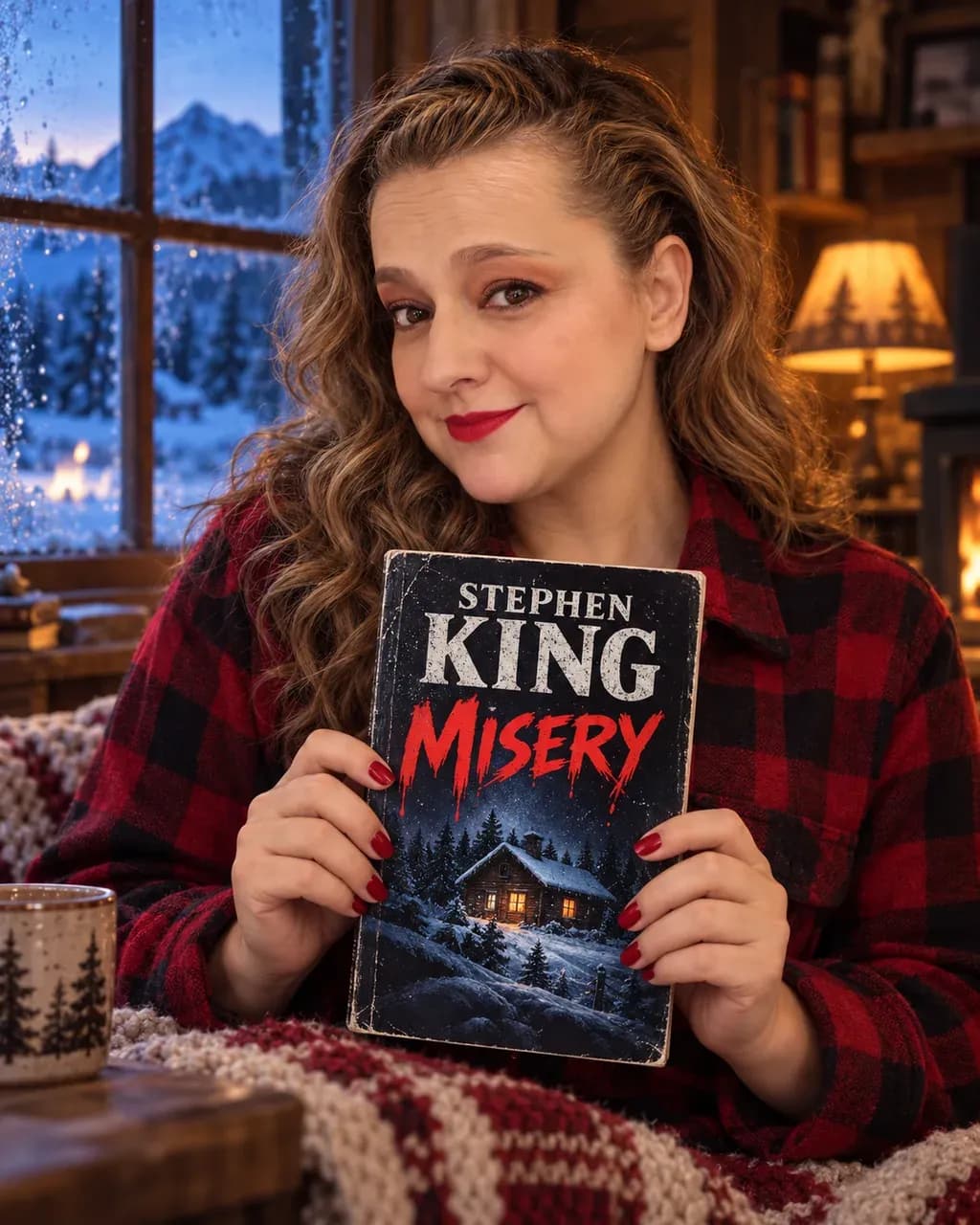
Stephen King
Misery
Misery by Stephen King: the number-one fan does not accept returns
Paul Sheldon wakes up in the wrong house, with the wrong person in charge and a reader who thinks “I love your books” means “you belong to me now.” Annie Wilkes calls herself his number-one fan. Paul learns that the phrase can sound a lot like a threat when you cannot get out of bed.
October 26, 2026
Stephen King
The Institute
The Institute: gifted kids and adults with terrible priorities
Stephen King's The Institute: children with special abilities, a system that calls its abuse research and adults who wash their hands. Review, 4 out of 5.
October 21, 2026

Agustina Bazterrica
Tender Is the Flesh
Tender Is the Flesh: a society changes the name and keeps buying
Agustina Bazterrica's Tender Is the Flesh: legal human meat, corporate euphemisms and a complicit society. My honest review, 4.5 out of 5 stars.
October 21, 2026
Want more like this? Join the Readers Club and get one of my books for free.
Share
My books
Books by Yenny Astrid Londoño



About the author
Yenny Astrid Londoño
Yenny Astrid Londoño is a Colombian author and entrepreneur, founder of Anchetas Medellín. She writes about real life with sarcasm, irony and smart humor, turning everyday situations, mistakes and imperfect relationships into stories that readers can laugh at and recognize themselves in.

A free book from me
Get a free book from me
Subscribe and get Sobreviviendo a mis muertos in full as a PDF.
After that, I'll only write when I have something worth telling you.
Also available: Read this review in Spanish →