
Book review
The Institute:
Stephen King's The Institute: children with special abilities, a system that calls its abuse research and adults who wash their hands. Review, 4 out of 5.
By Yenny Astrid Londoño · October 21, 2026 · 7 min read
Share
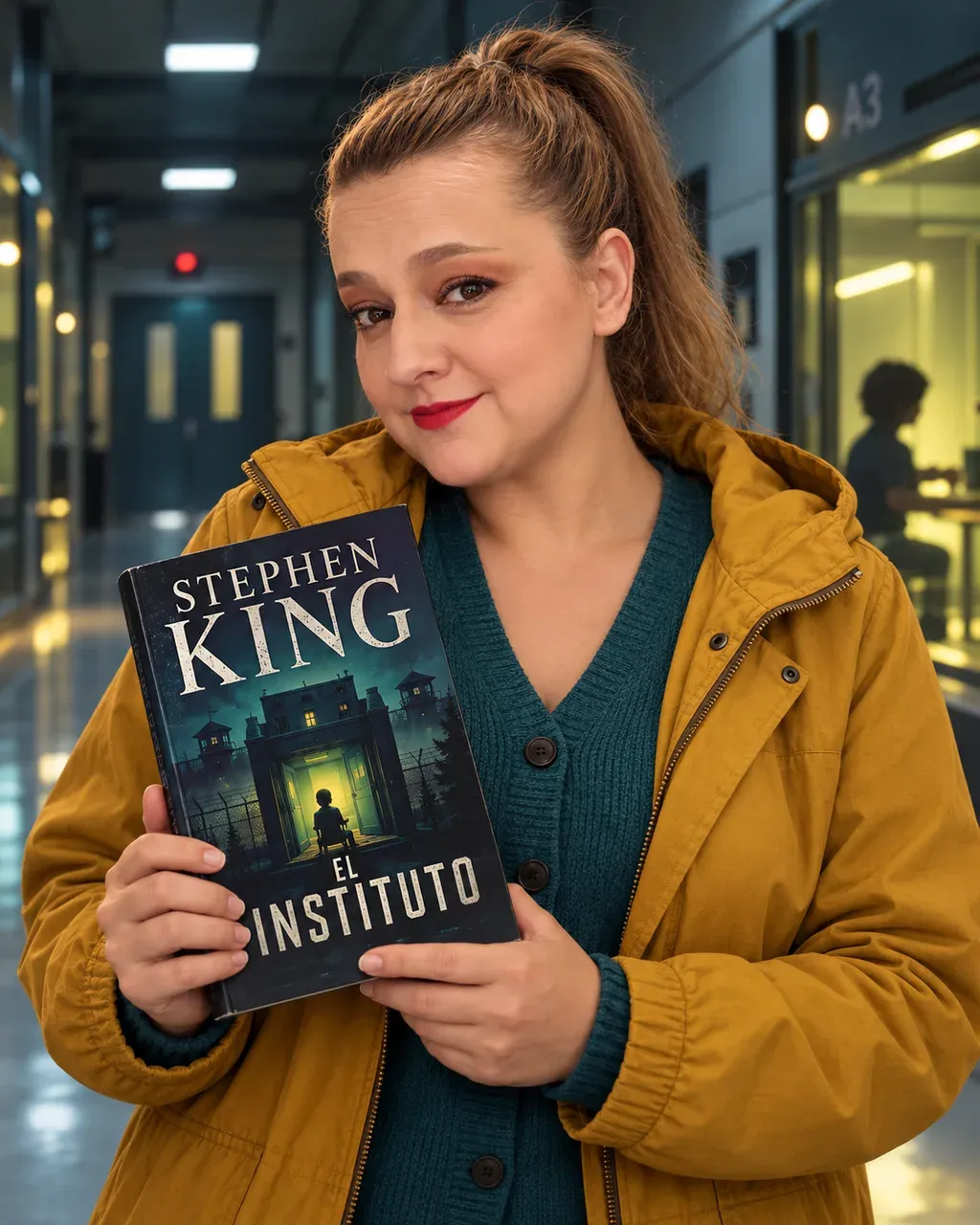
The Book
The Institute
Horror
by Stephen King
More reviews by Stephen King →
4 out of 5 stars
The group of characters, the premise and the pace of the second half hooked me.
Luke wakes up somewhere that calls itself reasonable
Luke Ellis is a brilliant boy who wakes far from home in a place he does not recognize. The building is neat; the corridors are clean; the staff speak as if every decision has a sensible explanation. Other children have unusual abilities, and the adults say the Institute is doing something important. Right. ‘It is for everyone’s good’ tends to show up just when someone wants us to stop asking questions.
Luke tries to understand the rules, learn what is happening to the others, and find a way out. This is not an ordinary school or clinic. The young residents are tested by a system that believes their differences give adults the right to use them. The novel also follows Tim Jamieson, a man who arrives in a South Carolina town whose story eventually intersects with Luke’s. That is enough of the setup; no need to spoil how the roads meet.
A science-fiction premise with a very human problem
King begins with a straightforward speculative question: what would an organization do if it could measure and exploit extraordinary abilities? The answer is not an ethics committee with coffee and minutes. The Institute sorts children into categories, tests them, and describes its decisions in technical language that cannot make the harm disappear.
That is one of the book’s strongest ideas. Abuse does not always arrive with a villain laughing in a dramatic chair. Sometimes it comes with forms, professionals, and a sentence like ‘this is necessary.’ The problem is not curiosity or science by itself; it is what happens when power stops recognizing the people affected as people who can say no.
Luke and the other kids are not tiny adults
Luke is intelligent, but he is not a miniature grown-up who knows what to do in every crisis. He thinks, gets scared, makes mistakes, and tries to keep a little autonomy in a place designed to take it away. His intelligence helps him; it does not make him invulnerable or turn him into the leader of a perfectly choreographed operation.
The other young people bring different personalities and ways of responding. Their friendships are not just a soft decoration on a bleak premise. They help one another remain more than a file or a measurement. The warmth matters, but it does not magically cancel the threat. Solidarity helps people endure; it does not turn an institution with power into a safe place.
The Institute is dangerous because of the system around it
The building feels dangerous not only because of what happens in its rooms, but because of the logic that supports it. There are routines, hierarchies, and a sharp divide between those who decide and those who absorb the consequences. A clean wall does not make a place ethical. A credential does not make every choice fair.
I was interested in the different degrees of obedience, opportunism, and doubt among the staff. People can normalize what they do by calling it protocol, following orders, or preventing a greater disaster. Normalizing harm does not make it less serious. Bureaucracy may not have horns, but it knows how to fill out the boxes.
The second storyline changes the rhythm
The first part takes time to show how the Institute works; later, the story accelerates and the pieces begin to connect. King shifts between the suspense of an escape, a conversation that lets us breathe, and a question about whom the characters can trust. That blend kept me reading.
The parallel story with Tim Jamieson can also interrupt the claustrophobia just as it starts to tighten. Luke’s plot has more immediate urgency, so each cut to the outside world risks loosening the pressure. Some rules are explained again after the scenes have already made them clear. At a certain point, the reader does not need the user manual for the disaster.
What the novel asks about care and control
The Institute claims its work matters, but the children inside have no meaningful choice about what is done to them. That gap between the language of protection and the experience of being controlled runs through the book. The story asks who gets to decide that one person’s life can be used as a tool for a larger goal.
I liked that King does not treat intelligence as the same thing as maturity. Luke can solve problems and still be a child who needs protection. The adults around him sometimes use his ability as an excuse to pretend he can withstand anything. Being brilliant does not remove anyone’s right to be cared for. Put that on the door of every organization that thinks it is clever enough to make the rules for everyone else.
What I did not like
Luke’s time inside the Institute carries more urgency than Tim Jamieson’s parallel story, and the switches can interrupt the confinement just as it begins to bite. The violence against children is also direct. The story’s criticism of institutional abuse is strongest when the young characters have space to be more than victims and the adults more than cruel employees.
The first stretch takes its time establishing the machinery, while the later part moves much faster. That contrast works for suspense, but some explanations repeat things we already understand. I rate The Institute 4 out of 5 stars: the group of children, the premise, and the second-half momentum held me; predictable turns and underdeveloped supporting characters keep it from a perfect score.
Who should read The Institute?
I recommend it to readers who like suspense, near-future science fiction, and young characters confronting a powerful institution. It is also for Stephen King readers who want a story with adventure, a group of kids who rely on one another, and a clear ethical question.
If stories about children in danger are difficult for you, you may want to leave this one for another time. Some scenes and the premise itself carry emotional weight. It may also disappoint readers seeking detailed scientific speculation; the book is more interested in people, power, and momentum than in defending a rigorous scientific model.
Luke has to escape a place built to keep him
This is a story about getting out, but also about what a system tries to take while it keeps a person inside. Luke and the others are not valuable because of the abilities adults can measure. They are young people with plans, fears, friendships, and a right to decide what happens to their own lives. The novel’s most useful question survives the last page: when an institution says it is protecting you, who gets to check whether that is true?
Frequently asked questions
Luke Ellis, a gifted boy, is taken to a secret facility where children with unusual abilities are tested and exploited by adults who claim their work serves a greater purpose.
It blends suspense, horror, and science-fiction elements. The story focuses less on scientific explanation than on the children, the institution, and the danger they face.
Luke is a bright young boy taken from his home and held at the Institute, where he tries to understand the rules and find a way out.
It centers on young characters, but includes children in danger and direct violence. It is not automatically a children’s book; consider the reader’s age and sensitivity.
The novel takes time to establish the facility and its rules before the plot accelerates. The parallel story can also interrupt the confined atmosphere.
I give it 4 out of 5 stars for its characters, premise, and later momentum, with deductions for predictable turns and supporting characters who could use more depth.
Frequently asked questions
Is The Institute a horror novel?
It has tension and unsettling scenes, but it also leans toward thriller and science fiction. Its center is the institution and the experience of the young people who live there.
Who is Luke Ellis?
The protagonist, a very intelligent boy who wakes up in an unknown institution and must understand what is happening and how to get out.
What abilities appear in the story?
The novel includes extraordinary abilities that interest the people who run the institute. The review avoids detailing how they develop so as not to spoil surprises.
Is the novel suitable for young readers?
It depends on each reader's sensitivity. Although its protagonists are young, the story deals with kidnapping, coercion and danger. It's better to check those topics before recommending it to a minor.
Does the book scientifically explain the abilities?
Not in a technical or extended way. The novel prioritizes suspense, adventure and the human consequences of those abilities.
Is it related to other Stephen King novels?
It can be read on its own. You don't need to know other King books to understand the story.
What are the Front Half and the Back Half in The Institute?
They are the two areas of the institution that separate children by age. Luke discovers that those who move to the Back Half don't come back.
The Book
The Institute
by Stephen King
Get the bookIf you buy through this link, Yenny earns a small commission and you pay the same price.
Keep reading
If you liked it, keep going

Stephen King
Misery
Misery by Stephen King: the number-one fan does not accept returns
Paul Sheldon wakes up in the wrong house, with the wrong person in charge and a reader who thinks “I love your books” means “you belong to me now.” Annie Wilkes calls herself his number-one fan. Paul learns that the phrase can sound a lot like a threat when you cannot get out of bed.
October 26, 2026
Stephen King
The Shining
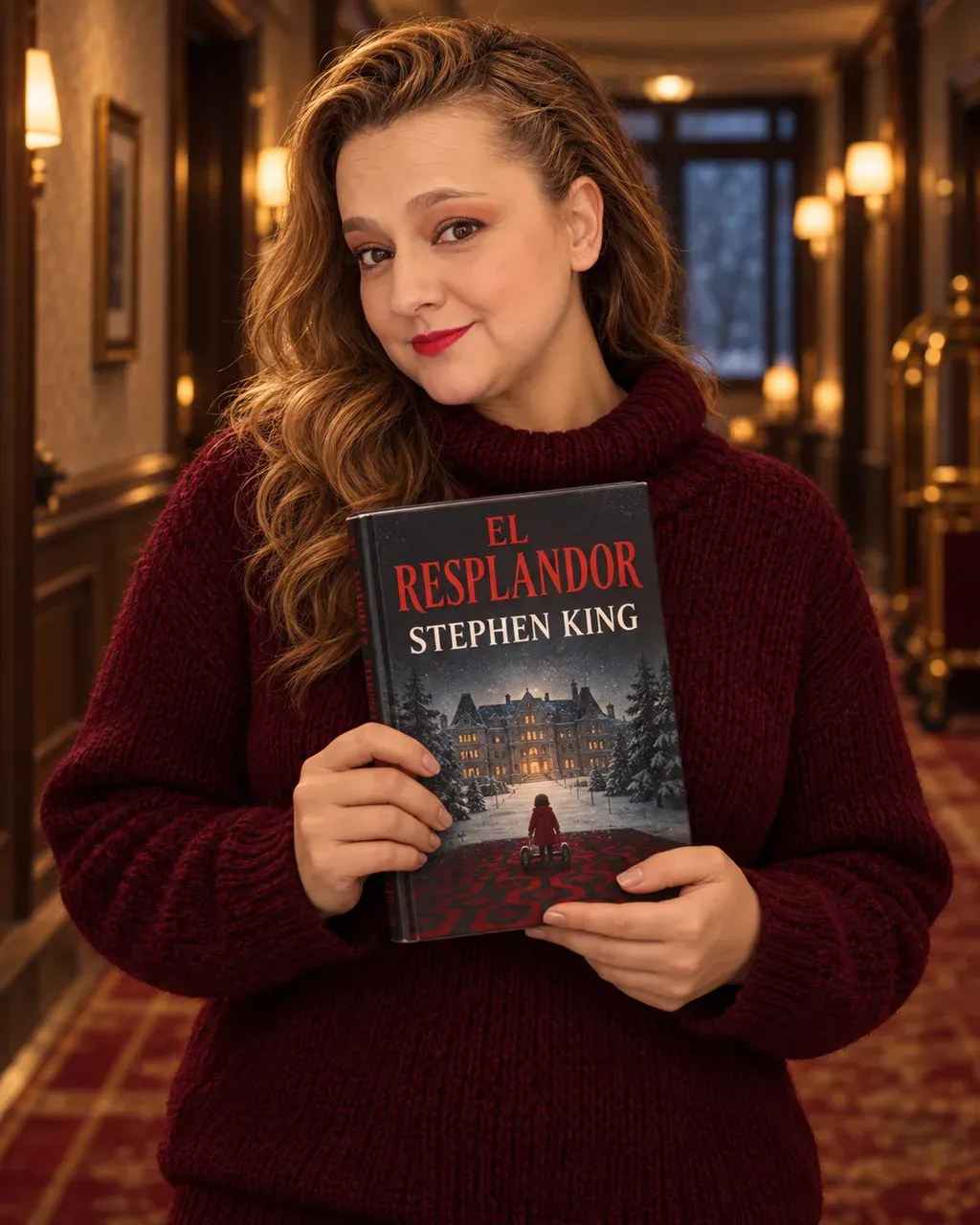
The Shining: the Overlook doesn't need ghosts to make a family miserable
Stephen King's The Shining: Jack, Wendy and Danny at the Overlook Hotel, snowed in and under pressure. My honest review of the novel, not just the film.
October 22, 2026

Agustina Bazterrica
Tender Is the Flesh
Tender Is the Flesh: a society changes the name and keeps buying
Agustina Bazterrica's Tender Is the Flesh: legal human meat, corporate euphemisms and a complicit society. My honest review, 4.5 out of 5 stars.
October 21, 2026
Want more like this? Join the Readers Club and get one of my books for free.
Share
My books
Books by Yenny Astrid Londoño



About the author
Yenny Astrid Londoño
Yenny Astrid Londoño is a Colombian author and entrepreneur, founder of Anchetas Medellín. She writes about real life with sarcasm, irony and smart humor, turning everyday situations, mistakes and imperfect relationships into stories that readers can laugh at and recognize themselves in.

A free book from me
Get a free book from me
Subscribe and get Sobreviviendo a mis muertos in full as a PDF.
After that, I'll only write when I have something worth telling you.
Also available: Read this review in Spanish →