
Book review
Tender Is the Flesh:
Agustina Bazterrica's Tender Is the Flesh: legal human meat, corporate euphemisms and a complicit society. My honest review, 4.5 out of 5 stars.
By Yenny Astrid Londoño · October 21, 2026 · 6 min read
Share
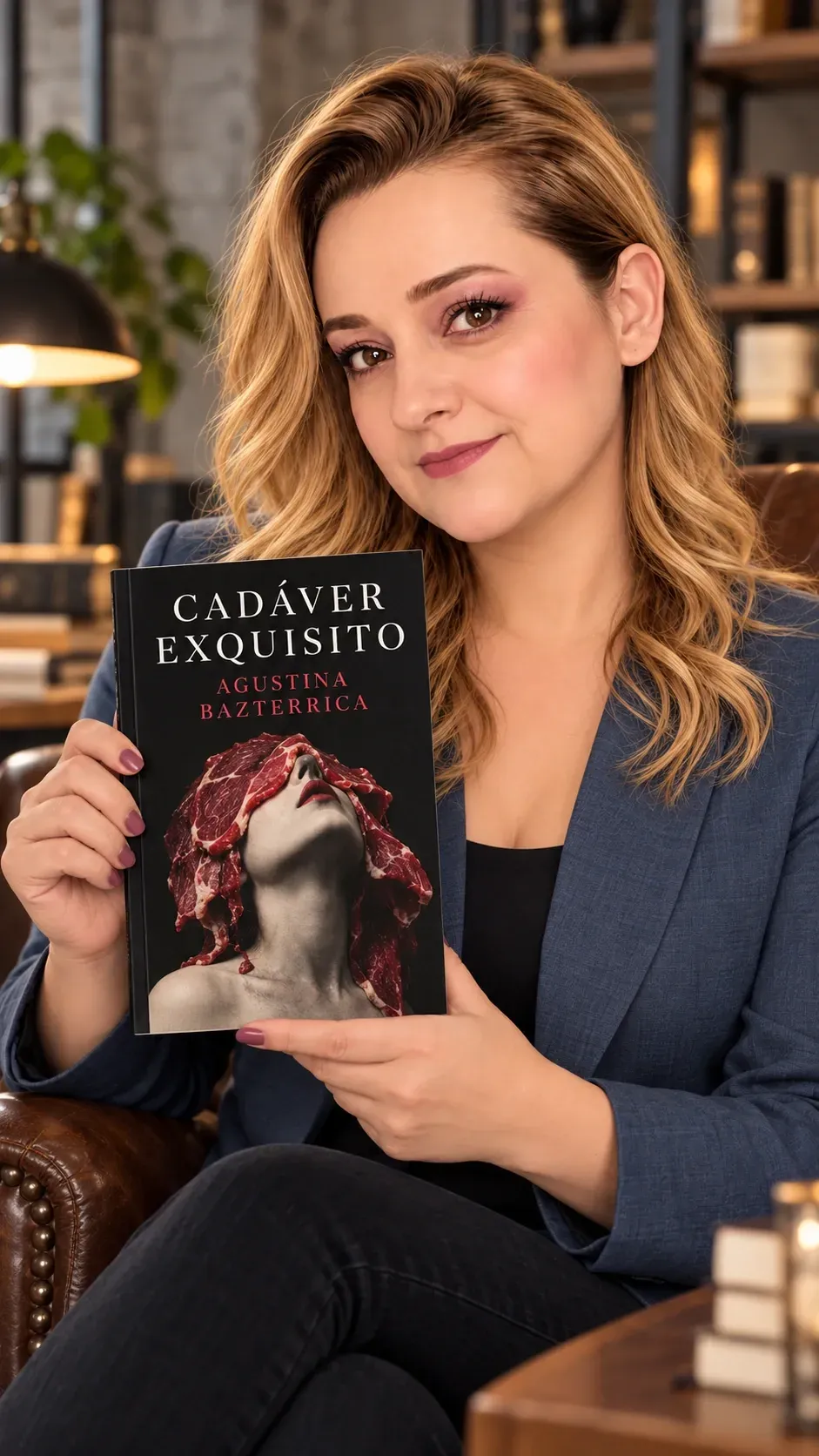
The Book
Tender Is the Flesh
Noir fiction
by Agustina Bazterrica
4.5 out of 5 stars
Agustina Bazterrica does not need to hide a monster under the bed.
A society changes the name and keeps buying
After a health crisis makes eating animals dangerous, the society in Tender Is the Flesh legalizes the breeding and slaughter of human beings for meat. Bazterrica does not hide a monster under the bed. She puts it to work in a uniform, with a contract and corporate language. The question that held me was not the easy “How far would people go?” but the more uncomfortable “How long would it take us to call the unforgivable normal?”
Words help people sleep after doing something monstrous
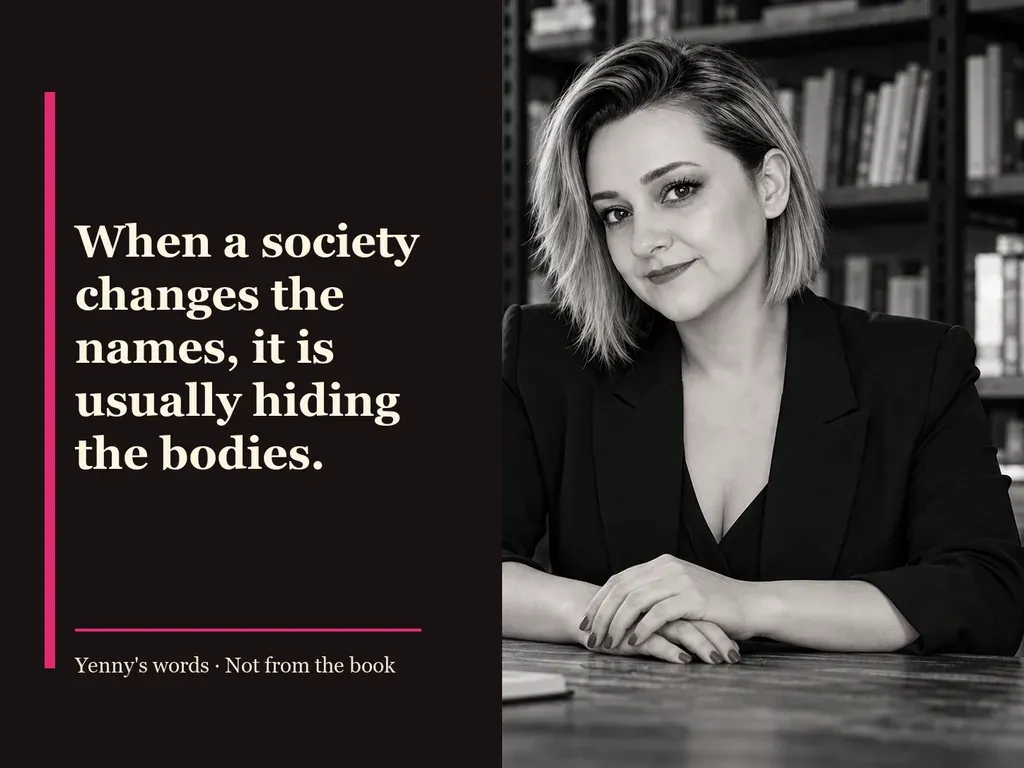
The Transition does not remove violence; it makes it manageable. To sell human meat, the industry first has to remove a person’s name, biography, and any chance of being recognized as a neighbor. People talk about product, processing, and quality. The language is not an innocent layer on top of the crime; it helps organize the crime.
Marcos Tejo works at a processing plant. He knows the machinery, the commercial categories, and the calculated distance between the consumer and the body behind the purchase. He cannot claim ignorance. The interesting question is what he does with that knowledge and how much comfort he keeps while feeling disgusted inside. If a business needs that many euphemisms, maybe vocabulary was not the original problem, parce.
Marcos Tejo is not my moral tour guide
Marcos is grieving, separated, and worried about his father. Those wounds explain some of his distance, but they should not clean up his choices for us. The novel brings us close enough to understand his exhaustion without handing him automatic absolution. I appreciate that; too many stories turn one emotional gesture into a full pardon for a complicit man.
When he receives a woman raised for consumption as a gift, the book pushes us into a difficult question. Can he relate to her differently inside a system that has given him power over her body? Is feeling pity enough? What does it mean to “protect” someone when the structure still lets you decide for them? The savior fantasy does not survive long in this room.
The horror is in the supply chain
The lasting effect is not only a graphic scene. It is the logistics: training, quality control, hierarchy, gifts for clients, a whole society that manages to consume without looking. The horror has paperwork, uniforms, and work meetings. It no longer needs an exceptional psychopath to keep it running.
The premise invites a conversation about animals, but reducing the whole novel to a vegetarian slogan takes away some of its teeth. Bazterrica also writes about slavery, the objectification of women, economic inequality, and how institutions turn people into resources. Those forms of violence are not interchangeable, and the novel’s provocation asks us to examine what we do when we need another being to stop counting.
Private compassion does not close the business
There is a comforting fantasy in some dystopias: one person recognizes a victim as human, and the system begins to collapse. Bazterrica is crueler. Personal recognition may change the person looking, but it does not shut down the machines, cancel contracts, or rewrite the law. If Marcos feels compassion for one woman, we still have to ask what happens to everyone he will never see.
Consumers are part of this too. The worker or manager cannot carry all the responsibility alone. An industry needs appetite, money, and a choreography of not asking questions. The person who buys may not hold the knife, but the demand still matters. That does not mean everyone has equal power; it means the innocence of the last link in the chain deserves an uncomfortable conversation.
What I did not like
Not everything brutal is automatically profound. At times, the pileup of atrocities can numb us; when every page offers a new way to objectify someone, I begin to anticipate the blow and the shock loses force. I would sometimes rather spend longer with the small rationalizations of people who do not look like villains. That is where normalization spreads.
I am also uneasy about the risk that the woman given to Marcos becomes mainly an instrument for his moral awakening. Her silence belongs to the system the novel depicts, but I still want readers to ask what the story allows her to be beyond a mirror for him. The book is graphic and deals with bodily exploitation and institutional cruelty. It is not a casual “you’ll love this” recommendation. I give it 4.5 out of 5 stars for the precision of the premise and the force of its language; I take half a star off for the accumulation of blows and the central woman’s limited agency.
What the language makes ordinary
The novel reaches beyond its fictional world because the choices, contradictions, and euphemisms resemble patterns we recognize. The question is not only whether a society could accept eating people. It is how easy it becomes once that society decides they are no longer people. That recipe did not originate in fiction.
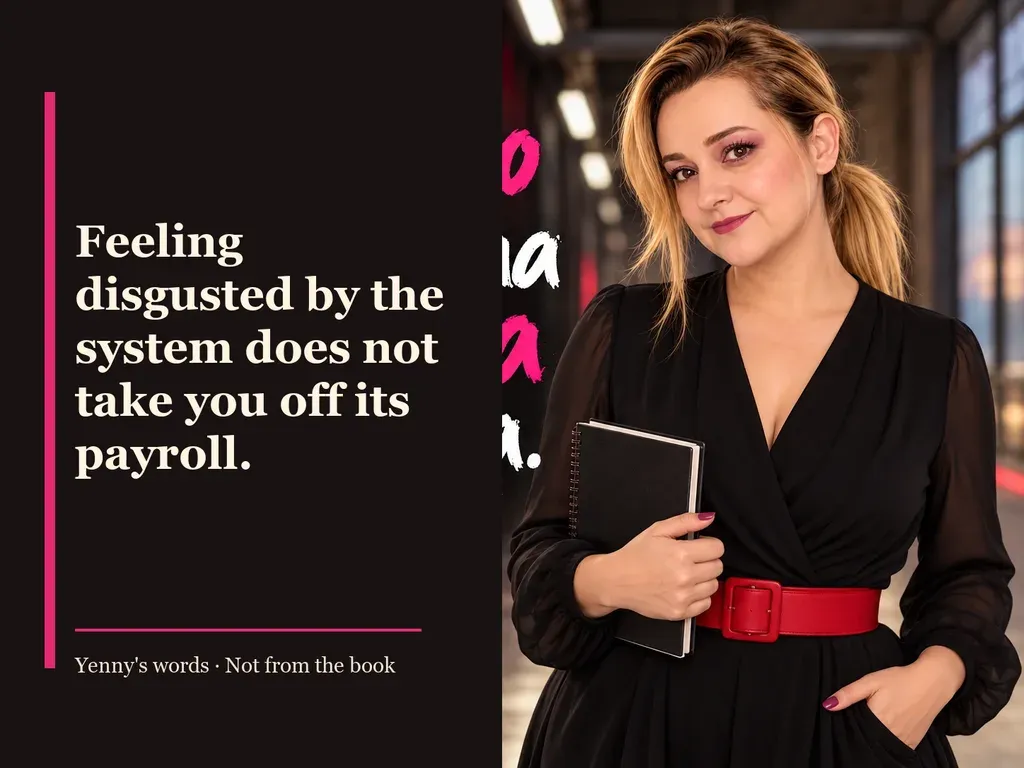
I recommend the book to readers who want social horror that will not let them pretend cruelty belongs only to a handful of sick individuals. If you need a morally safe protagonist to guide you, you may have to walk alone for a while. And if you avoid graphic violence, bodily exploitation, or institutional cruelty, check a sample or choose another book. Feeling disgusted by the system does not take you off its payroll; that is part of the discomfort.
The monster works a shift
Tender Is the Flesh is short compared with the conversation it leaves behind. It makes language, labor, appetite, and private compassion part of the same machinery. I do not finish it thinking only “Marcos is bad.” I think about the structures that let someone feel for one person while accepting the system producing thousands.

Frequently asked questions
After a crisis makes animal meat unsafe, a society legalizes the breeding and slaughter of human beings for food. Marcos Tejo works in the industry and struggles with his place in the system.
It combines dystopia, social horror, and satire. The speculative premise organizes the world, while the fear comes from how ordinary and bureaucratic the system becomes.
Yes. It includes bodily violence, industrialized slaughter, and dehumanization. Readers who avoid graphic material should know that before starting.
The story uses Marcos as a point of view, but understanding his grief does not automatically excuse his complicity. That tension is one of the book’s central questions.
No. It also examines the language that hides victims, economic systems that turn bodies into products, social inequality, and who benefits from normalized cruelty.
I rate it 4.5 out of 5 stars for its sharply executed premise and the questions it leaves behind, with reservations about the accumulating brutality and the central woman’s limited agency.
Frequently asked questions
What is Tender Is the Flesh about, without spoilers?
After a crisis makes eating animals dangerous, a society legalizes the production of human meat. Marcos Tejo, a worker at a processing plant, receives a woman raised for that purpose, and his relationship with the system becomes harder to sustain.
Is Tender Is the Flesh horror or science fiction?
It combines dystopia, social horror and satire of the industry. The speculative premise organizes the world, but the fear comes mostly from how it works day to day.
Is it a very graphic book?
Yes. It contains bodily violence, industrial sacrifice and dehumanization. It's good to know before you read, especially if these topics affect you.
Is Marcos the hero of the story?
The novel uses him as the point of view, but understanding his losses does not mean excusing his complicity. That difference is one of the most valuable discussions in the book.
Is the novel only about vegetarianism?
No. It makes you think about animal consumption, but also about the structures that turn bodies into merchandise, the power of euphemisms and inequality.
Why does language matter so much in Tender Is the Flesh?
Because the system needs words that hide the victims' identity. Changing names makes it easier for citizens and workers to accept practices they would recognize as atrocious if they spoke with precision.
The Book
Tender Is the Flesh
by Agustina Bazterrica
Get the bookIf you buy through this link, Yenny earns a small commission and you pay the same price.
Keep reading
If you liked it, keep going
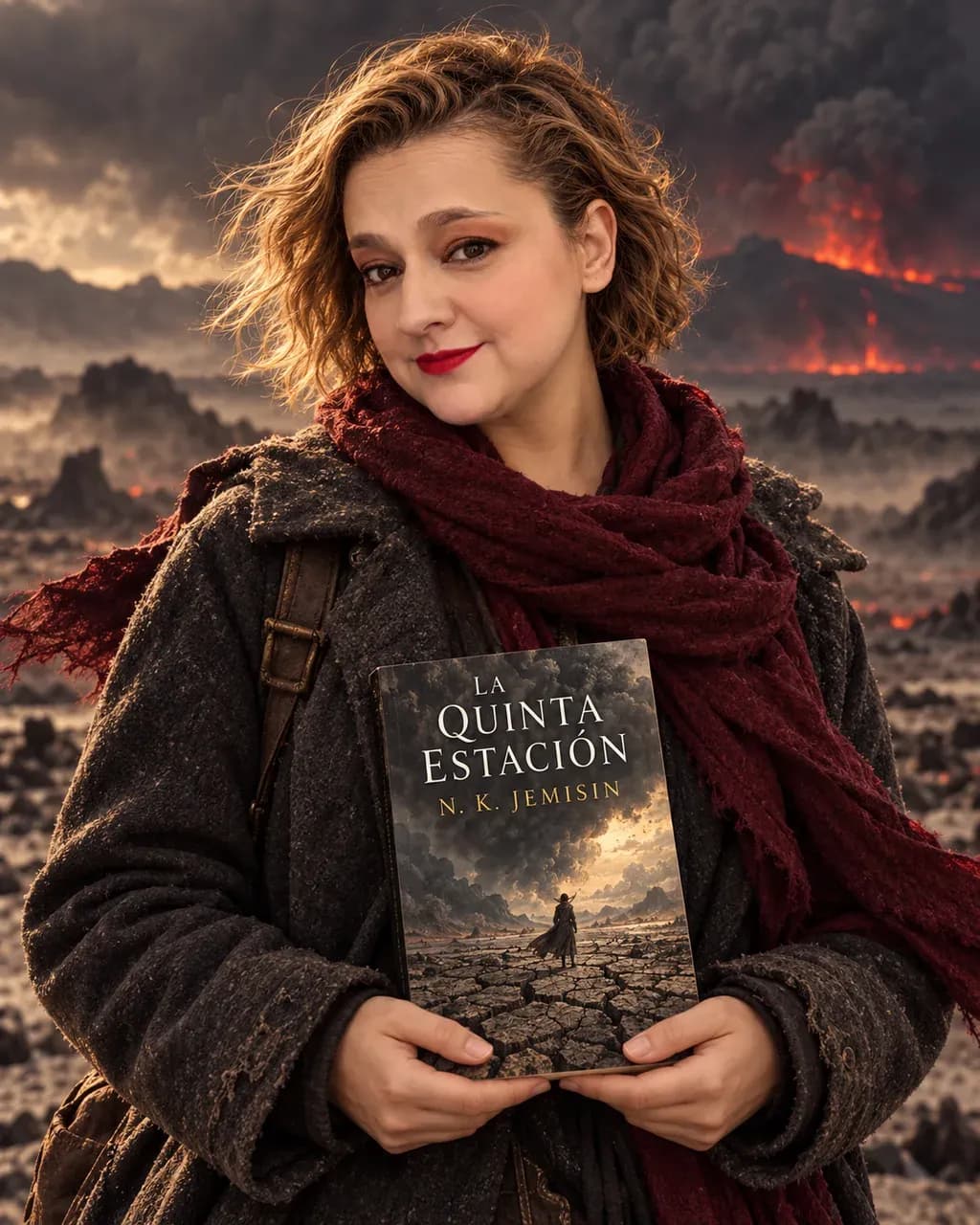
N. K. Jemisin
The Fifth Season
The Fifth Season by N. K. Jemisin: the world breaks again, and Essun has to find her daughter
In the Stillness, the end of the world has a calendar. Essun is looking for her daughter while the ground starts breaking again, and the society that survives these disasters is much better prepared for earthquakes than for treating people humanely. This is my spoiler-light review of N. K. Jemisin’s The Fifth Season, a book that makes catastrophe political before anyone has time to call it weather.
October 27, 2026

Stephen King
Misery
Misery by Stephen King: the number-one fan does not accept returns
Paul Sheldon wakes up in the wrong house, with the wrong person in charge and a reader who thinks “I love your books” means “you belong to me now.” Annie Wilkes calls herself his number-one fan. Paul learns that the phrase can sound a lot like a threat when you cannot get out of bed.
October 26, 2026
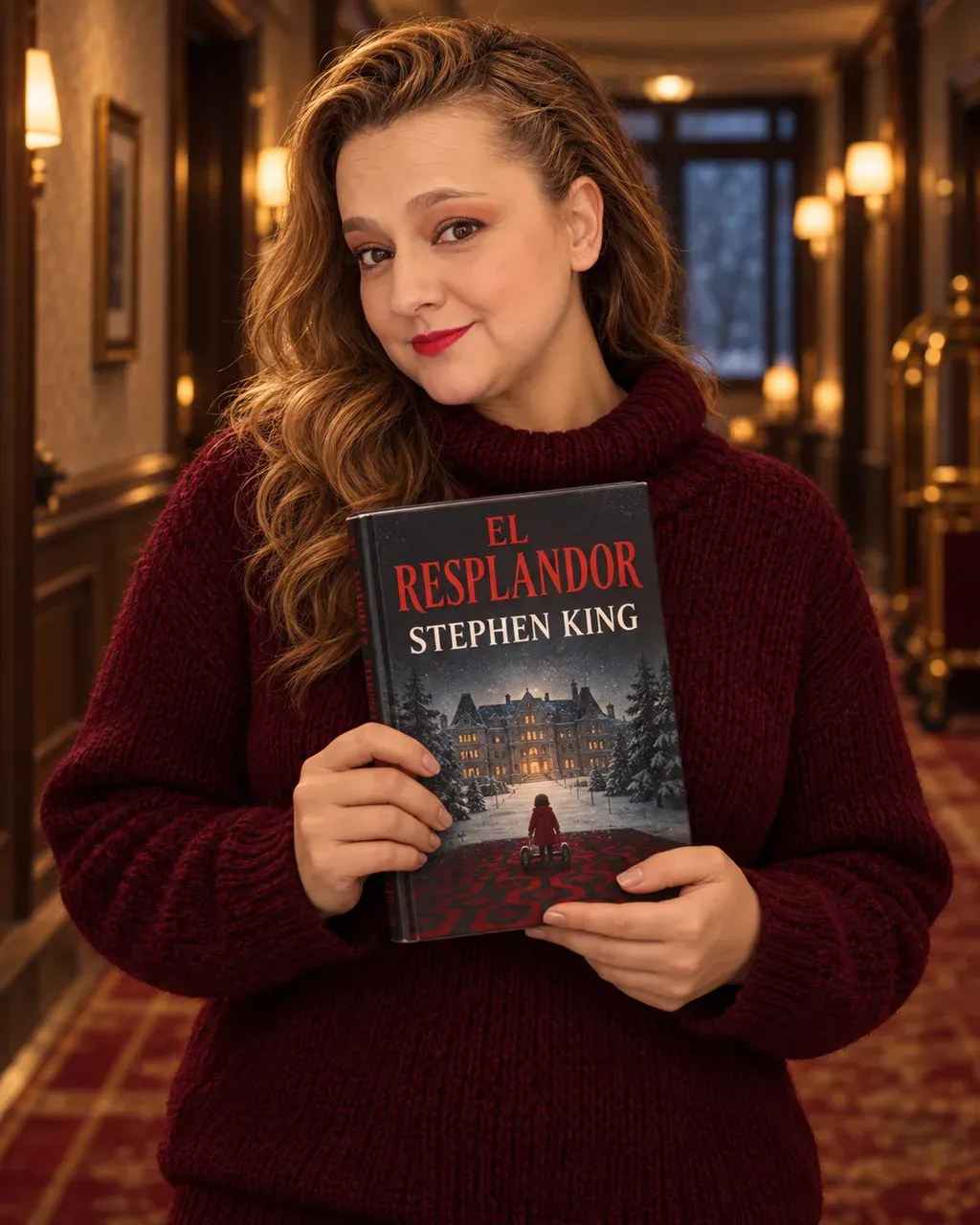
Stephen King
The Shining
The Shining: the Overlook doesn't need ghosts to make a family miserable
Stephen King's The Shining: Jack, Wendy and Danny at the Overlook Hotel, snowed in and under pressure. My honest review of the novel, not just the film.
October 22, 2026
Want more like this? Join the Readers Club and get one of my books for free.
Share
My books
Books by Yenny Astrid Londoño



About the author
Yenny Astrid Londoño
Yenny Astrid Londoño is a Colombian author and entrepreneur, founder of Anchetas Medellín. She writes about real life with sarcasm, irony and smart humor, turning everyday situations, mistakes and imperfect relationships into stories that readers can laugh at and recognize themselves in.

A free book from me
Get a free book from me
Subscribe and get Sobreviviendo a mis muertos in full as a PDF.
After that, I'll only write when I have something worth telling you.
Also available: Read this review in Spanish →