
Book review
Fingersmith:
Sarah Waters's Fingersmith: Sue, Maud and a con built on social position and a believable identity. My honest review, 4.5 out of 5.
By Yenny Astrid Londoño · October 9, 2026 · 12 min read
Share

The Book
Fingersmith
Literary fiction
by Sarah Waters
4.5 out of 5 stars
The relationship between Sue and Maud, the use of social position and the dispute over a believable identity support a high rating.
Sue enters a Victorian house with a job, a plan, and no idea how expensive it can get when a con starts treating people like people.
Falsa identidad
Sarah Waters · Historical intrigue and psychological suspense
Yenny’s rating: 4.5 out of 5 stars
Amazon affiliate link. As an Amazon Associate, I may earn from qualifying purchases.
What this review covers
In Sarah Waters’s Fingersmith, a man offers to save a young woman while calculating how much money he can make from her. The setting is Victorian, the scheme is criminal, and the confidence of the man arranging it is so complete that I immediately want to ask who gave him the authority to explain the women to themselves. A plan can be clever and still be built on a very stupid assumption.
Sue Trinder enters Maud Lilly’s house as a maid because she is meant to help pull off a fraud. The plot has a con at its center, but the sharper question is what happens when the person you are supposed to use stops being an idea and becomes somebody whose routines, fears, and choices you know. Intimacy is useful to a scheme until it starts changing the people inside it.
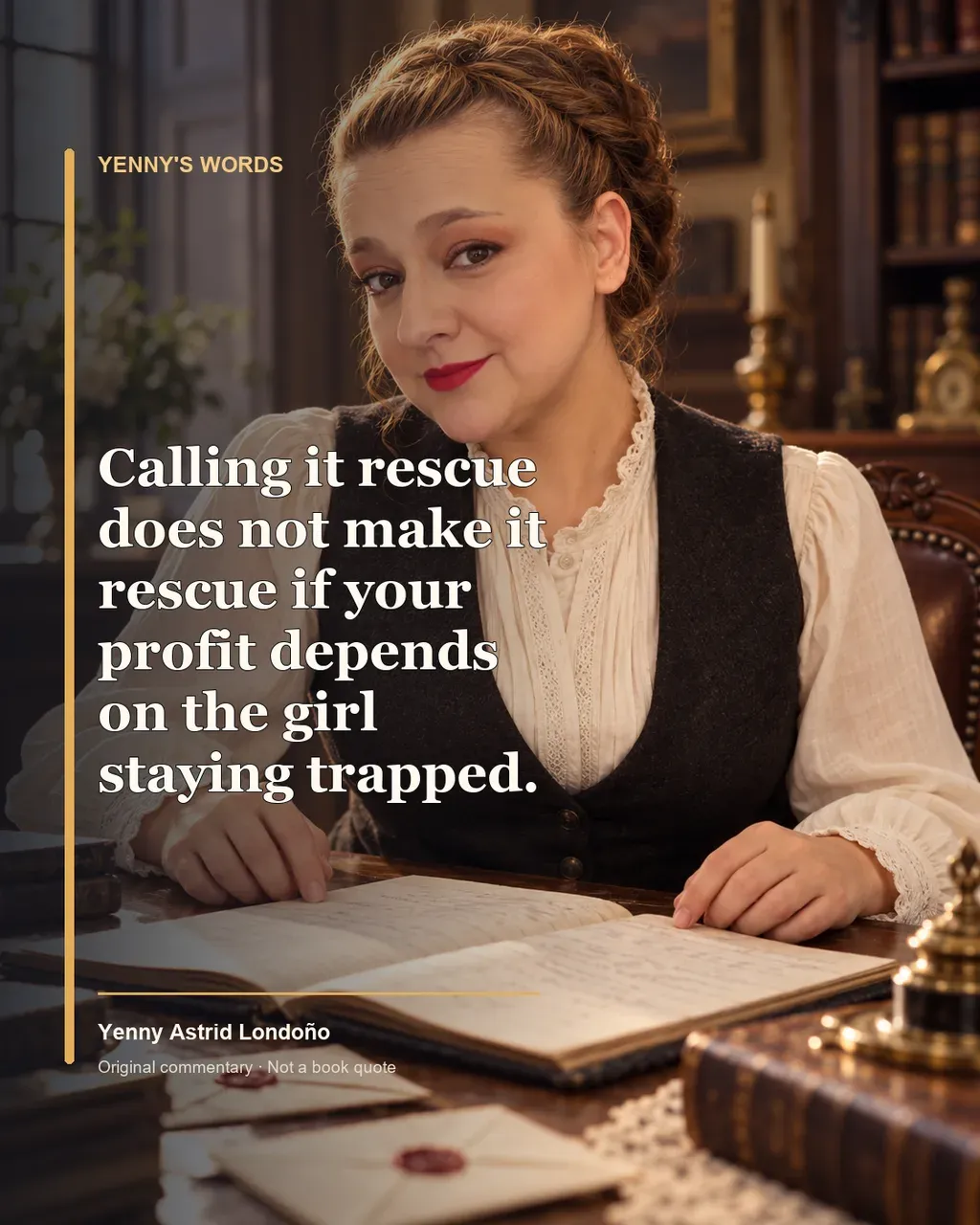
I like that the book makes us look at the difference between being rescued and being transferred from one person’s control to another. A promise can sound tender while keeping a profit margin in the background. There are people who call a cage a favor because they remembered to decorate it.
Sue knows how to survive, but not every room is legible
Sue grows up among small-time thieves in London and arrives at the mansion with a job, a plan, and confidence shaped by the world she knows. The house has its own rules: class, silence, money, and the tiny rituals that tell you who is allowed to speak first. Being good at surviving one place does not come with a universal key for every other one.
Working as Maud’s maid places Sue close to her body and daily life. She is not watching from a convenient distance; she is part of the routine the scheme needs to create. That closeness brings information and a chance of trust, but it also makes the plan harder to keep emotionally clean. Fraud is much easier when the other person remains a number on a page.
Sue is observant, but observation is not the same as understanding. People can read a room well and still misread what the room is doing to them. Waters lets her be clever without turning cleverness into a superpower. I appreciate a protagonist who can make a bad call without the book pretending she has stopped being intelligent.
Sue's competence is practical: she reads a room, notices what people need, and knows how quickly a poor girl can be blamed when a plan goes wrong. That skill does not make her invulnerable. The house offers food and shelter while narrowing what she is allowed to know, which is why 'opportunity' can be another pretty word for dependence.
Maud’s privilege does not add up to freedom
Maud appears to have what Sue does not: money, a respectable name, and a mansion that ought to protect her. But being protected by a household can also mean being watched, isolated, and expected to perform a role. The difference in class is real; so is the limit on what Maud gets to decide for herself.
I do not want to confuse education with innocence or confinement with an empty mind. Maud observes, thinks, and develops ways to move within a space that keeps trying to define her. That makes the relationship between the women more interesting than a simple rescue story in which one woman knows everything and the other needs to be taught how to live.
A house can preserve a person’s identity and restrict it at the same time. The daughter is expected to behave like a daughter; the servant like a servant. Those roles help everyone predict them, which is precisely why the two women have room to surprise the people who think they have already been catalogued.
The difference between the women is not a simple ladder where one has everything and the other has nothing. Maud's education and family position provide protection, but also keep her under other people's supervision. The novel makes privilege feel like a room with locked doors: safer than the street, perhaps, but not the same as choosing where to go.
The con changes when its targets develop inner lives
The scheme needs Sue and Maud to occupy assigned positions. Their growing closeness makes those positions harder to maintain. That is the tension I care about more than whether a trick will work: what does a person owe a plan once it depends on another woman remaining an object?
A con can be exciting because the reader is asked to notice what the characters miss. Fingersmith complicates that pleasure by asking us to examine the person doing the noticing. We can enjoy the machinery and still see that money and gender shape whose word sounds believable.
I will not explain the turns here. The pleasure of this book depends on watching assumptions shift, and the plot earns more when you meet it without a guide standing beside you with a neon sign. Let the women keep some secrets until the story is ready to spend them.
Their closeness makes the emotional thread part of the plot, not a pause between tricks. Once Sue and Maud see each other beyond the roles assigned to them, loyalty becomes harder to calculate. Affection does not erase the fraud or the class gap; it forces both women to notice what the arrangement has asked them to ignore.
The man who designed the con thinks he has read the whole board
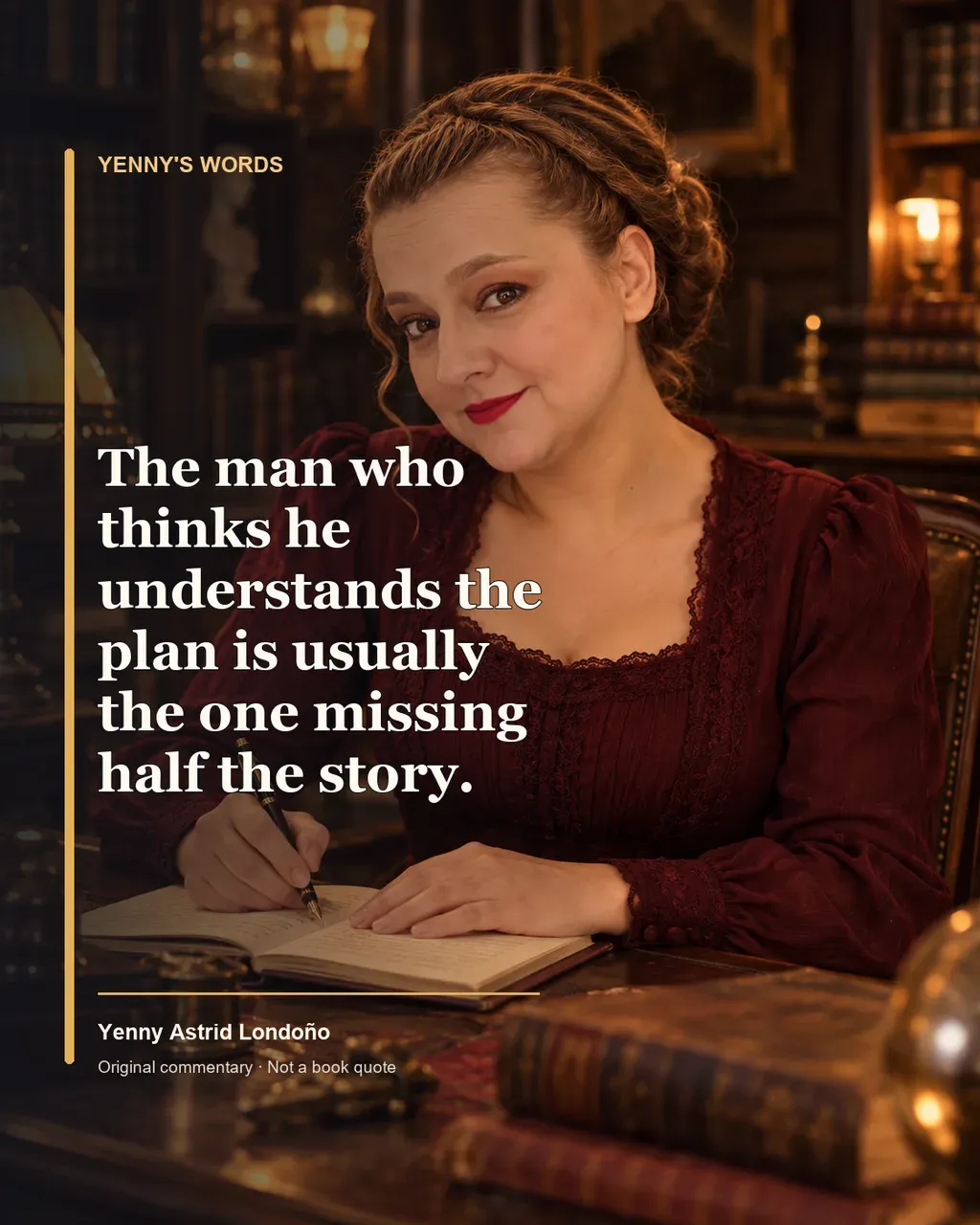
The scheme depends on a man who believes he can assign everyone a role and then predict what they will do inside it. That confidence is part of the danger. He knows the plan he made; he does not know the whole life of either woman, and he mistakes access to their circumstances for access to their minds.
That distinction gives the con its human pressure. Sue and Maud are not interchangeable pieces just because somebody has written instructions for them. Every new detail they learn makes the original arrangement harder to control. I enjoy watching a plan lose its smug little certainty when the people inside it begin making choices the planner did not authorize.
The story benefits from showing how a confident plan can misunderstand the people it depends on. The man arranging the con has information, money, and the privilege of calling his version the sensible one. He still cannot predict what happens when the women stop behaving like the roles he wrote for them. A tidy plan is not the same thing as control.
Identity depends on who has the power to make it believable
The novel keeps asking who gets believed when two versions of a person are competing. Names, manners, education, money, and a respectable address can all help one account sound more convincing than another. That does not make the polished story true; it makes it easier to pass around.
Sue and Maud have to deal with the gap between knowing who they are and being recognized as that person by people with authority. A name can be stolen, but so can the right to explain yourself. Waters makes identity feel social as well as private, which is why the fraud reaches beyond a clever exchange of places.
The question becomes sharper when a person’s name and history can be presented by someone else first. If the world already trusts the person with money and education, the person without those protections must do more than tell the truth; she has to make the truth sound acceptable to people who benefit from doubting her. That imbalance gives the novel's reversals their social weight.
What I did not like about Fingersmith
The Victorian setting is part of the machinery, but the book asks for patience while it establishes its houses, arrangements, and social codes. Readers who want a fast con with a new reversal every few pages may feel that the opening takes the scenic route. The details matter; there are moments when I still wanted the carriage to stop for a minute.
The story also asks you to hold more than one version of events in mind. That is rewarding when a perspective changes what you thought you knew, but it can make the reading experience feel deliberately withholding. I do not think every surprise is automatically elegant just because the author hid the cards well.
Those reservations did not erase the book’s strongest work for me: the way it links identity to class, gender, money, and credibility. The delays have a purpose, even when I occasionally wanted that purpose to hurry up and introduce itself.
The Victorian setting organizes money, class, and credibility
The period matters because it determines who can travel, earn, inherit, speak publicly, or have a story taken seriously. The house is not just a Gothic backdrop with good furniture; it is part of the machinery that decides which woman may be watched and which may be believed. Class changes what a choice costs, even when two people appear to want the same thing.
I also like that the book does not hand out moral certificates based on class. Privilege gives Maud options Sue does not have, but it does not make Maud free. Sue's resourcefulness is real, but it does not magically cancel the risks attached to her position. Desire can cross a boundary; it does not make the boundary disappear.
The historical detail also keeps the romance from floating outside its material conditions. Who can leave the house, earn money, or refuse a future matters to the relationship. I do not need a novel to explain every rule in a lecture; I do need the setting to make the consequences visible. Waters gives class a job to do in the plot.
Who I would recommend it to—and how to protect the surprise
I would hand Fingersmith to readers who enjoy historical settings that actually shape the plot, morally complicated women, slow-building intimacy, and a crime story that keeps rearranging what you thought you understood. It is especially rewarding if you like going back mentally to earlier scenes and realizing you trusted the wrong explanation.
The trade-off is length and the deliberate return to events through another perspective. That structure has a purpose, but it asks for patience. If you are about to read it, avoid plot breakdowns and adaptation comparisons until you finish. The pleasure is not only in learning that the story changes; it is in noticing how confidently you accepted the first version.
If you like a book that asks you to revise your judgment without making the earlier reading meaningless, this is a strong choice. If you need a brisk mystery that tells you what to think as soon as a clue appears, the changes of perspective may feel like the author is moving the furniture while you are still looking for the door.
My verdict: two women can wreck a script written for them
Fingersmith is a historical crime novel with a con at its center, but its best material is not simply the cleverness of the fraud. It is the gap between what people say they are doing for a woman and what they expect to gain if she stays where they put her.
I give the novel 4.5 out of 5 stars. The layered structure, the Victorian social world, and the shifting relationship between Sue and Maud make it a strong choice for readers who enjoy historical suspense with characters more complicated than their assigned roles. Go in knowing the book takes its time and that the less you know about its turns, the better.
My recommendation comes with one request: let the women be people before you decide which one is clever, which one is the victim, and which man in the room has the plan under control. He may be due for a surprise.
A 4.6 is high because the novel earns its complexity through character and power, not only surprise. I still wanted the long reconstruction to be leaner, and not every reader will enjoy having earlier scenes recalibrated so patiently. But the women stay with me longer than the trick does, which is the right order of importance.
Frequently asked questions
Yes. Falsa identidad is the Spanish title of Sarah Waters’s novel known in English as Fingersmith. Check the edition details when buying, since the Spanish and English editions use different titles.
It combines criminal intrigue, a Victorian setting, and a relationship between women that changes the con. The period shapes power and the choices available; it is not just decorative wallpaper.
Yes. Sue enters Maud’s household as a maid to take part in a fraud. Their growing closeness changes how we understand their starting positions and what each woman risks.
No. I discuss how the shifting perspectives work without explaining their specific reversals. If you want the surprise intact, avoid plot breakdowns and adaptation comparisons until you finish.
Not in my reading. Desire and recognition change loyalties and responsibilities. Treating them as romantic decoration would leave out a central part of the conflict.
The length and the return to events from another perspective may test your patience. I value the reconstruction when it changes the meaning, but I have reservations about how long the machinery takes.
For the relationship between the leads, the inequalities sustaining the con, and the fight over identity. I held back points for the pace of the reconstruction and the weight of the twist mechanism.
For the Spanish edition, check the publisher’s book page. The editions and translations may differ by market.
Falsa identidad
Sarah Waters
Read the original Spanish review: Falsa identidad
About the author
I’m Yenny Astrid Londoño, a Colombian author and the founder of Anchetas Medellín. I write with sarcasm, irony, and humor about everyday life, without dressing it up.
The story behind the stories
From behind the pages
Stories, reviews, uncomfortable truths, and the occasional direct hit of sarcasm in your inbox. No spam and no calendar quotes.
Keep reading
© Yenny Astrid Londoño
Frequently asked questions
Is Falsa identidad the original novel behind Fingersmith?
Yes. Falsa identidad is the Spanish title of Sarah Waters's novel known in English as Fingersmith. It is the Anagrama edition.
Is it a thriller or a historical novel?
It combines criminal intrigue, a Victorian setting and a relationship between women that changes the deception. The historical setting shapes power and the options available; it is not just decoration.
Are Sue and Maud the two central protagonists?
Yes. Sue enters as Maud's maid to take part in a swindle. Their closeness changes how the initial positions should be read.
Does the review reveal the midpoint twist?
No. It comments on the effect of the shifting perspectives without explaining their specific reversals. It is best to avoid analyses of the twist and of the adaptations until you finish.
Is the relationship between women secondary to the mystery?
Not in this reading. Desire and recognition change loyalties and responsibilities. Reducing them to a romantic ornament would leave out a central part of the conflict.
What can feel slow?
The length and the return to information seen from another perspective. The review values the reconstruction when it changes meaning, but keeps reservations about its duration.
Why do I give it 4.5 out of 5?
For the relationship between the protagonists, the inequalities that sustain the swindle and the dispute over identity. The reservations are in the pace of the reconstruction and the weight of the twist machinery.
The Book
Fingersmith
by Sarah Waters
Get the bookIf you buy through this link, Yenny earns a small commission and you pay the same price.
Keep reading
If you liked it, keep going
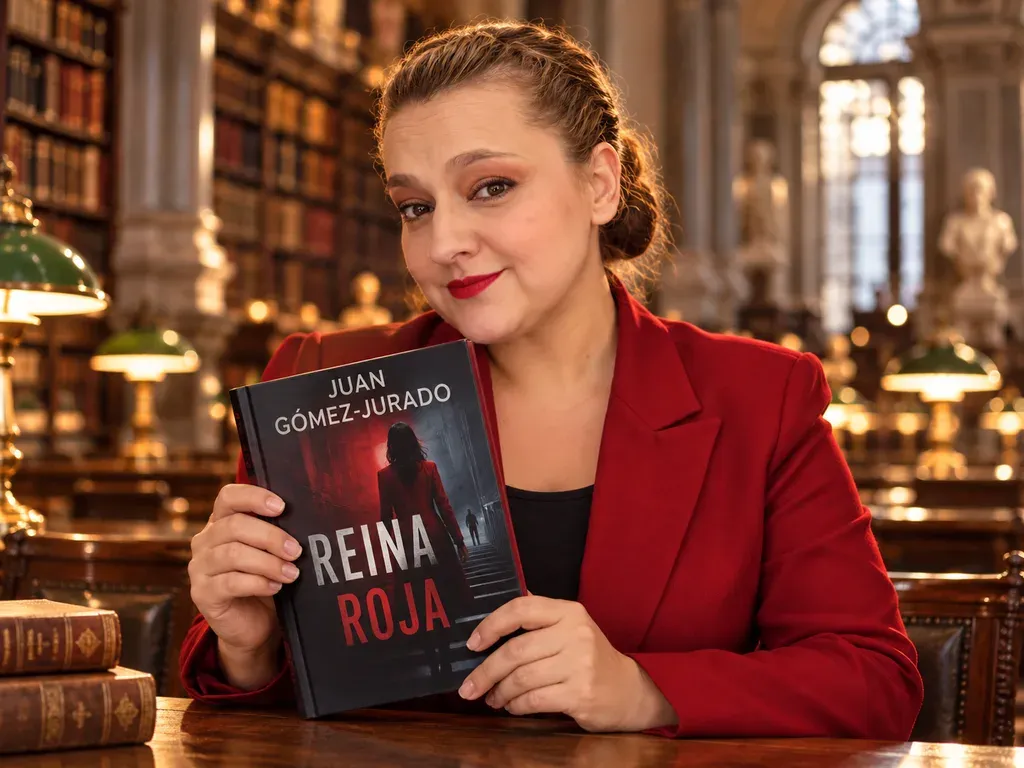
Juan Gómez-Jurado
Red Queen
Red Queen by Juan Gómez-Jurado: Antonia Scott sees everything except a reason to leave her apartment
Antonia Scott has no badge, no official job and an intelligence powerful enough to make a room uncomfortable. Jon Gutiérrez arrives at the wrong door and gets pulled into a case involving wealth, power and people who believe money can buy silence. It can buy quite a lot. It cannot always buy good judgment.
October 26, 2026
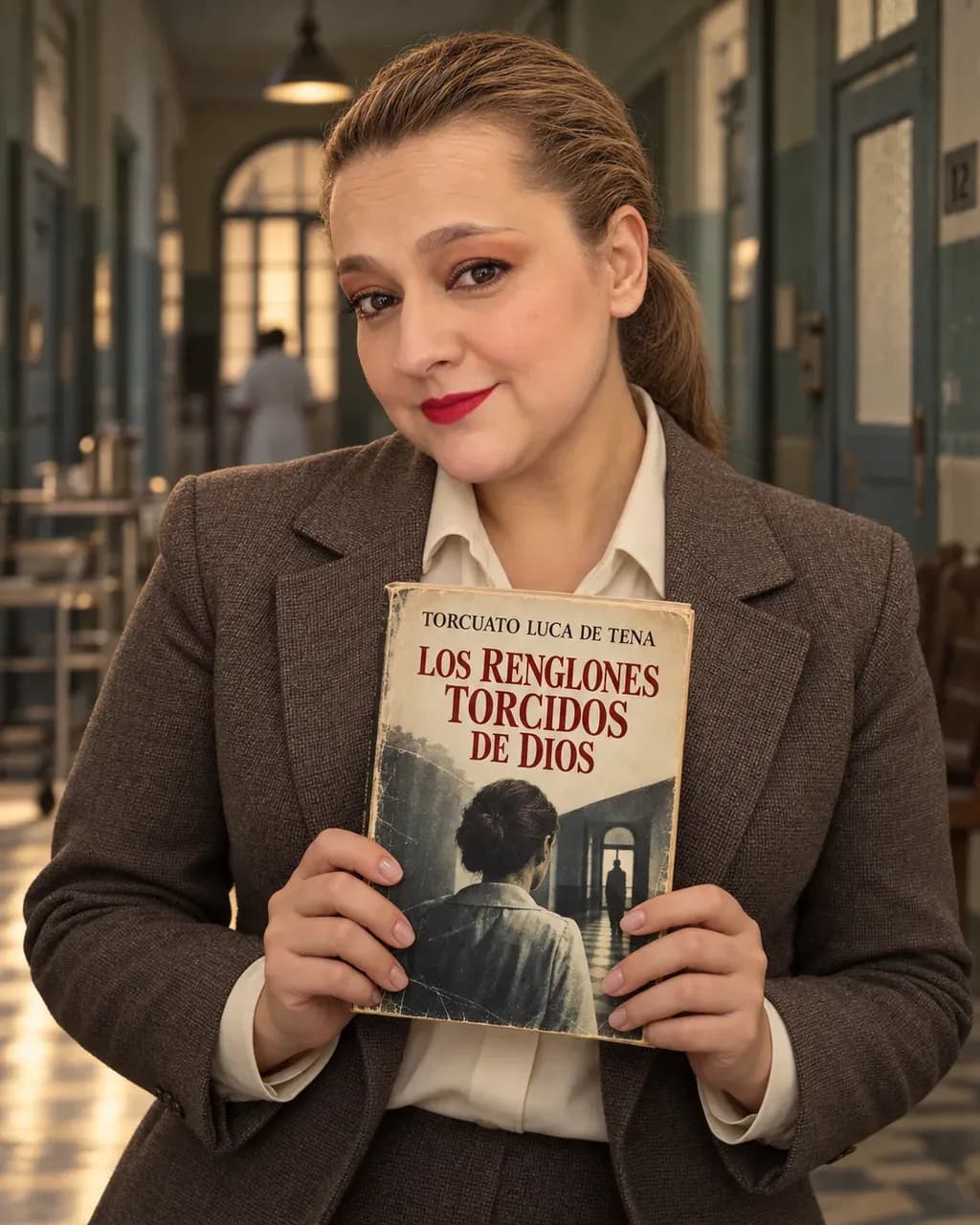
Torcuato Luca de Tena
God's Crooked Lines
God's Crooked Lines by Torcuato Luca de Tena: who gets to decide who is sane?
Alice Gould enters a psychiatric institution with a story of her own. The hospital has another version. That is where the novel starts asking a question institutions would rather keep in their paperwork: who gets to name someone sane, and what happens when the person holding the file is wrong?
October 26, 2026
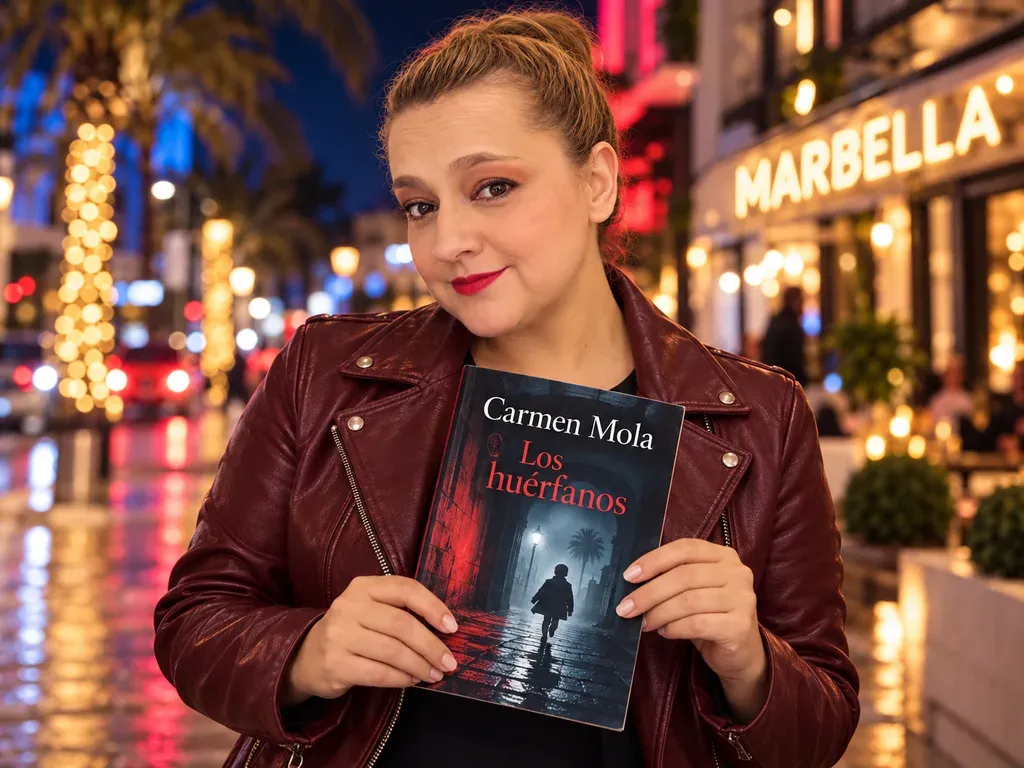
Carmen Mola
The Orphans
The Orphans by Carmen Mola: abandoned children grow into crime bosses. What a hell of a career path
Three children meet in Belfast, build a family out of survival and grow into adults who have learned how to make money from crime. Years later, a case pulls Laura Pastor and her family into a world where loyalty is real, but so are the bullets. The title sounds sad; the career path is considerably worse.
October 25, 2026
Want more like this? Join the Readers Club and get one of my books for free.
Share
My books
Books by Yenny Astrid Londoño



About the author
Yenny Astrid Londoño
Yenny Astrid Londoño is a Colombian author and entrepreneur, founder of Anchetas Medellín. She writes about real life with sarcasm, irony and smart humor, turning everyday situations, mistakes and imperfect relationships into stories that readers can laugh at and recognize themselves in.

A free book from me
Get a free book from me
Subscribe and get Sobreviviendo a mis muertos in full as a PDF.
After that, I'll only write when I have something worth telling you.
Also available: Read this review in Spanish →