
Book review
I Will Find You:
My review of Harlan Coben's I Will Find You: David Burroughs sees a possible trace of his dead son, and hope turns a prison sentence into a search.
By Yenny Astrid Londoño · October 9, 2026 · 9 min read
Share
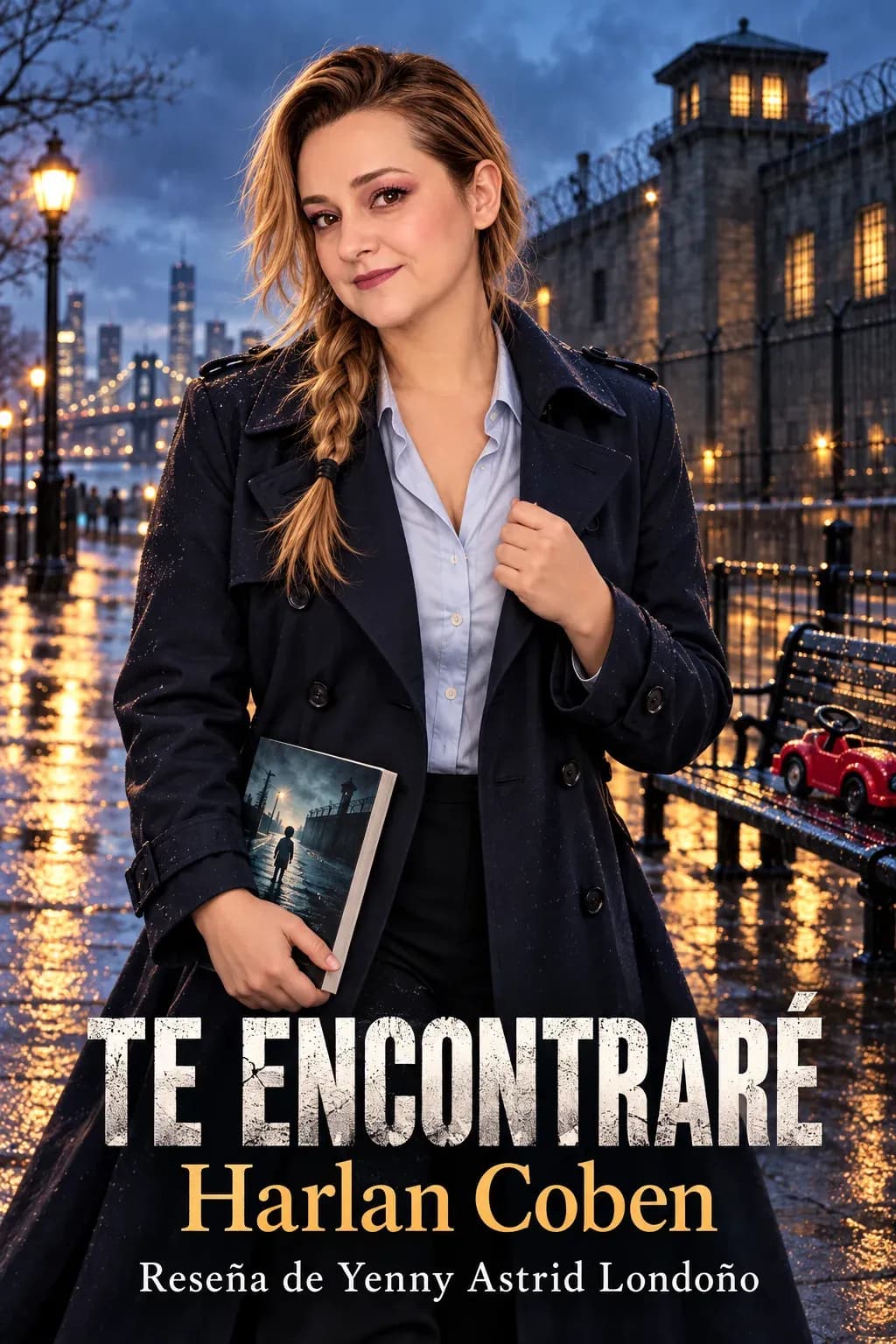
The Book
I Will Find You
Suspense thriller
by Harlan Coben
4 out of 5 stars
I give it 4 out of 5.
One photograph disturbs a sentence that looked final
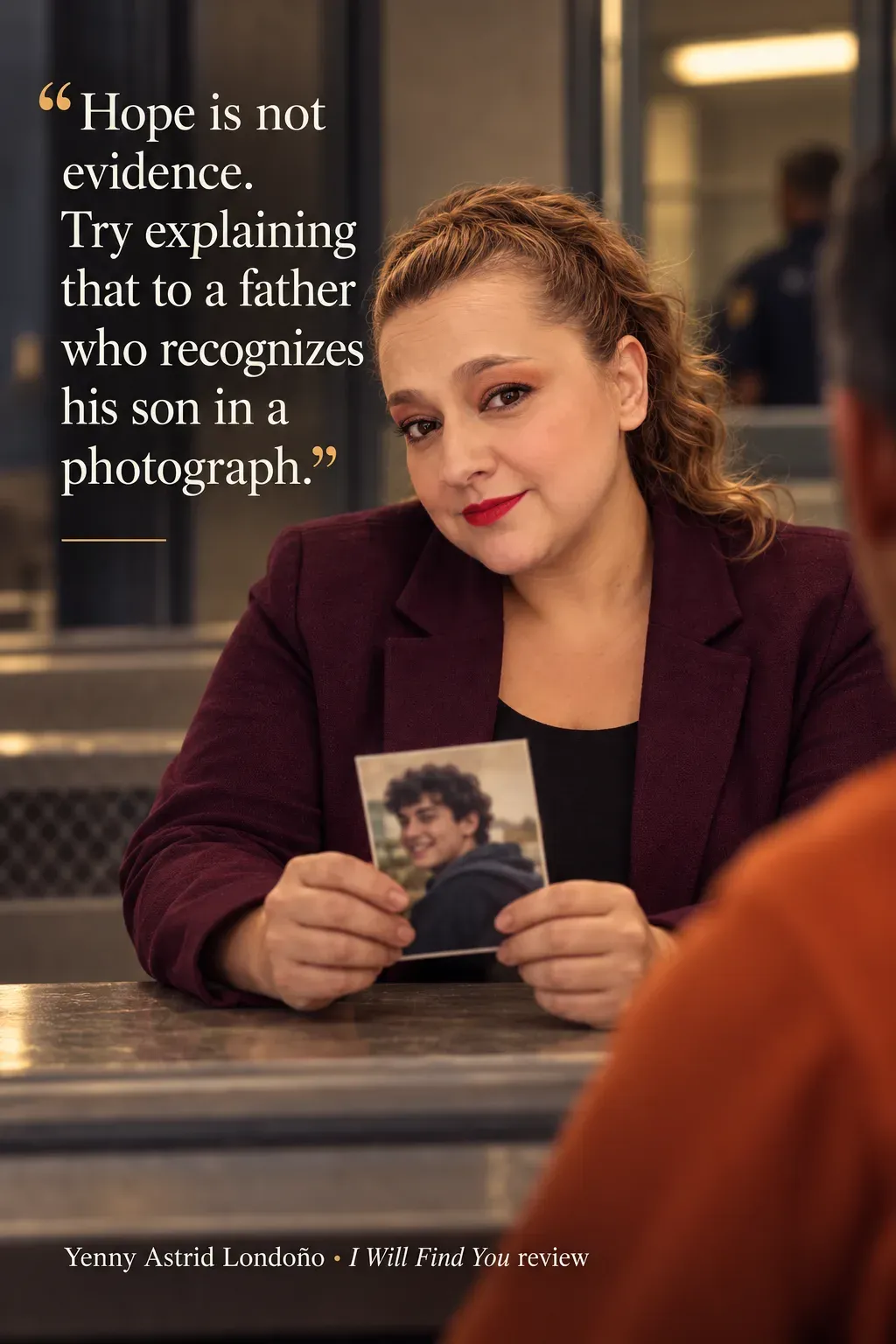
Rachel's visit changes the meaning of an image before it proves anything. David sees a possibility where everyone else may see grief arranging pixels into a familiar face. Both reactions are understandable. Parents recognize their children; grieving parents can also cling to resemblance. The story draws energy from keeping those possibilities uncomfortably close.
I appreciate that the initial clue is not a dossier handed over with a bow. It asks for investigation, and the stakes make caution difficult. If Matthew is alive, time matters. If the image is wrong, David may be putting himself through another loss. Nobody gets to be coolly analytical when the subject of the analysis is their child. The thriller begins in that gap between what David needs to believe and what he can demonstrate.
The photograph matters because it does not arrive as a tidy forensic report. It asks David to trust a resemblance that could be hope doing what hope does when grief has gone on too long. A parent might be wrong about a face and still be right to demand another look. That uncomfortable gap gives the premise its force. If the child is alive, the case was never closed; if he is not, the image has reopened a wound for nothing.
David needs answers and the right to ask for them
Prison has taken David's freedom, but it has also changed how his questions are heard. A convicted father cannot point to a suspicious detail without other people weighing the conviction first. His insistence may sound like denial even when he has a reason to insist. Coben uses that imbalance to make the search a fight over credibility as well as facts.
That does not make David a saint. I do not need him to be one. I want to know what he notices, what he may misremember and what his hope leads him to overlook. A good thriller lets a man act desperately without asking the reader to treat desperation as proof. Every new lead should move us toward Matthew, not simply make David look determined enough to deserve the answer he wants.
David's prison sentence means the world has already given his search a label: denial, desperation, perhaps another attempt to evade responsibility. I kept thinking about how hard it is to investigate anything when every question you ask is read through the verdict against you. Coben gives his protagonist urgency, but the book is more interesting when it remembers that urgency alone does not make him credible to the people who control the files.
Rachel turns a private glimpse into a shared risk
Rachel could have dismissed the resemblance or kept the photograph to herself. Showing David means she accepts that he will probably do something with it. That choice matters because a clue becomes a course of action only when somebody carries it across a threshold. She is not merely the convenient visitor who starts the plot; she joins the burden of deciding whether hope is worth reopening.
I wanted to keep her position in view while David's urgency took over. The person who brings a possible truth may not control what happens next, yet can still feel responsible for the consequences. The search is less solitary than its father's-war-against-the-world shape first suggests. It needs people willing to doubt the settled version, and that willingness has a cost for them too.
Rachel's role keeps the initial sighting from remaining a private vision in David's cell. She carries a possible clue into a world where it can be checked, ignored or used against him. That does not make her a courier for the hero's certainty. I wanted to know what it costs her to believe enough to act while keeping enough doubt to remain useful. A rescue story needs somebody willing to ask the question out loud before the chase starts.
The escape changes grief into motion
Once David moves outside prison, the book changes gear. Obstacles arrive, help and danger can be hard to separate, and Coben keeps the story traveling. That movement is satisfying when it follows from David's need to check the photograph. It can also make the emotional weight harder to hold. A chase gives the reader a next step; grief does not offer such efficient directions.
The strongest moments let those speeds meet. David is trying to find a child, not collect adventure points. Every shortcut or risky choice should be measured against that fact. I enjoy a breathless escape as much as anyone. I also want the boy at the center of the story to remain a person, not the trophy waiting at the end of the obstacle course. A father can be heroic in motion and still need to listen when he reaches somebody else.
Coben is better at urgency than stillness
Harlan Coben has a talent for making one more chapter seem reasonable at an hour when I should be asleep. A new clue changes the question, a danger interrupts the answer and the pace keeps pressure on David. The plot knows that a photograph offers just enough information to prevent peace without offering enough to restore it.
That speed has a trade-off. The book can rush through the ordinary consequences of a startling event because the next revelation is already at the door. I did not ask it to become a quiet novel about mourning. I did want the search to make space for what David and Matthew have lost, whether or not the next scene delivers a twist. The action is most persuasive when the need beneath it remains legible.
Coben excels at making one answer create an immediate new obstacle. I kept turning pages, even when I could hear the plot tightening its shoelaces for another sprint. The emotional test is whether the search for the boy remains visible underneath that motion. A twist is thrilling for a second; the possibility that David has mourned a living child changes the meaning of years. That is the idea I wanted the book to return to between escapes.
What did not work for me
The chain of lucky encounters and timely discoveries asks for a generous reader. I can accept heightened thriller logic; I cannot pretend every convenience is invisible because the pages fly. At a few points, a route opens so neatly that I wanted the story to make David earn it more painfully or let a wrong lead truly alter the plan.
My other reservation concerns Matthew. The child can become an engine for the father's decisions, a face in a photograph and a reason for pursuit. The emotional premise needs us to remember he has a life beyond what he means to David. Even in a fast thriller, a missing child should not be reduced to the plot's most effective motivational device. Those two limits keep my rating below the sheer pleasure of reading it quickly.
There are turns that require me to accept a remarkable amount of timing and access. One convenient encounter is a thriller's breakfast; several in a row can become its entire diet. I am willing to suspend disbelief when a story pays me back with a stronger understanding of its people. Here, some logistical shortcuts buy speed at the expense of consequences. I wanted at least one hard-won answer to stay hard won.
What is worth discussing without giving away the ending
Ask what counts as a reason to reopen a case once society has grown comfortable with its conclusion. A verdict deserves respect, but a new trace should be examined on its own merits. Then ask who is allowed to make that examination. David's conviction means that even a reasonable question arrives with suspicion attached.
I would also talk about the photograph itself. Images feel authoritative because they show something. They do not supply the whole story of what, when or why. Rachel sees one possibility, David sees another, and their shared search tests both. That is a useful tension to carry through the book without handing the ending to the next reader.
Who should read it, and how much plausibility to pack
I recommend it to readers who want a propulsive standalone thriller and can accept some improbable turns in exchange for forward motion. You do not need to know the Myron Bolitar books. This is David Burroughs's story, built around one question that refuses to let him remain where he is.
If you want a restrained courtroom novel or painstakingly plausible prison procedure, adjust expectations. The plot wants to move. The death of a child, parental grief and imprisonment are central, so I would also warn somebody looking for light escapism. In Spanish the book is Te encontraré; the English title is I Will Find You. At least the translation of the promise is clear. Fulfilling it is where all the trouble starts.
My rating: 4 out of 5 for a search that kept me moving
I give it 4 out of 5. The photograph is an excellent spark, and Coben makes David's urgency contagious. I wanted fewer helpful coincidences and more room for Matthew as a person beyond his father's mission. The speed is real pleasure, but it should not get a free pass on every shortcut.
What stays with me is the terrible power of a maybe. David does not receive a son at the prison door. He receives a reason to doubt the story that put him there and an unbearable need to find out whether that doubt is justified. Hope is not evidence. It can still be enough to make a person start looking.
The 4.1 belongs to a book that knows how to make the next chapter irresistible. It loses a little ground whenever a coincidence does the work a person could have done. I still cared about the father behind the pursuit, and that is more than can be said for every thriller with a neat central gimmick. Hope is not proof, but telling David to stop looking would be a cruelly comfortable opinion from outside his cell.
Frequently asked questions
Is I Will Find You the English title of Te encontraré?
Yes. Te encontraré is the Spanish title of Harlan Coben's I Will Find You.
Is it part of the Myron Bolitar series?
No. David Burroughs's story is a standalone thriller.
Is Matthew definitely alive in the photograph?
The possibility motivates the search, but this review does not confirm the image's meaning or reveal the outcome.
Why is David in prison?
He was convicted after the death of his young son. The book reopens questions about that settled account.
Is the novel more emotional or action-driven?
The premise is emotionally severe, but Coben delivers it through a fast-moving thriller with escape and pursuit.
What did I question about the plot?
Several discoveries and encounters are very convenient, and I wanted the missing child to have weight beyond serving the father's quest.
Why do I rate it 4 out of 5?
The photograph, David's credibility problem and the momentum kept me invested. Plot conveniences held it back.
The Book
I Will Find You
by Harlan Coben
Get the bookIf you buy through this link, Yenny earns a small commission and you pay the same price.
Keep reading
If you liked it, keep going
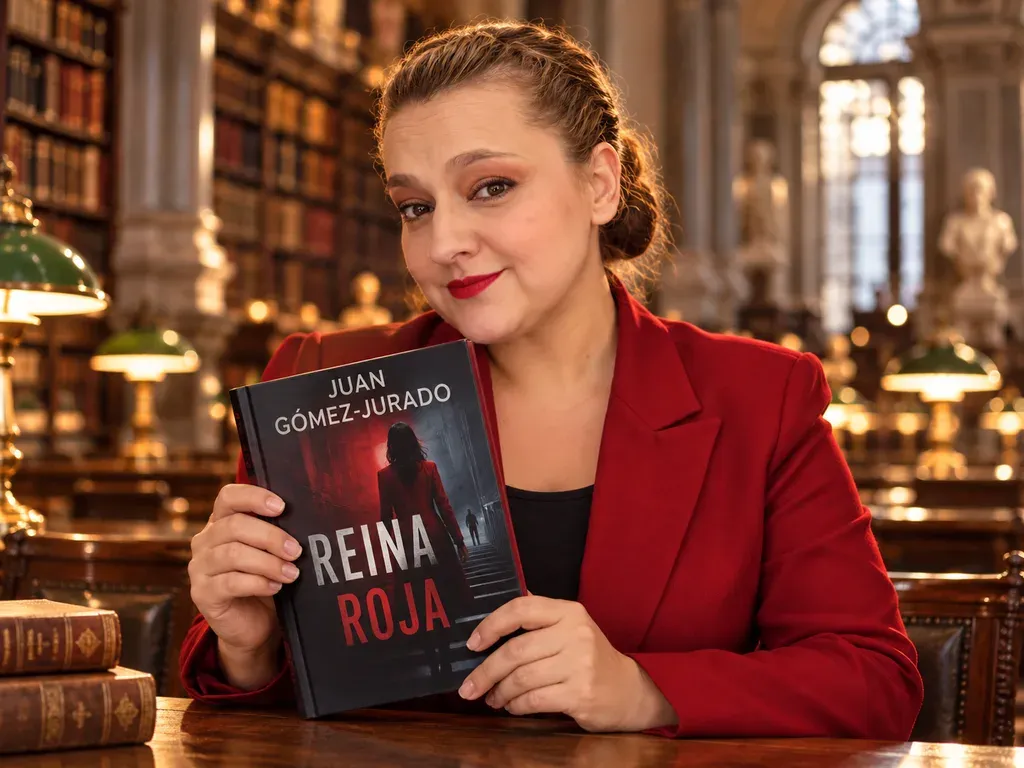
Juan Gómez-Jurado
Red Queen
Red Queen by Juan Gómez-Jurado: Antonia Scott sees everything except a reason to leave her apartment
Antonia Scott has no badge, no official job and an intelligence powerful enough to make a room uncomfortable. Jon Gutiérrez arrives at the wrong door and gets pulled into a case involving wealth, power and people who believe money can buy silence. It can buy quite a lot. It cannot always buy good judgment.
October 26, 2026
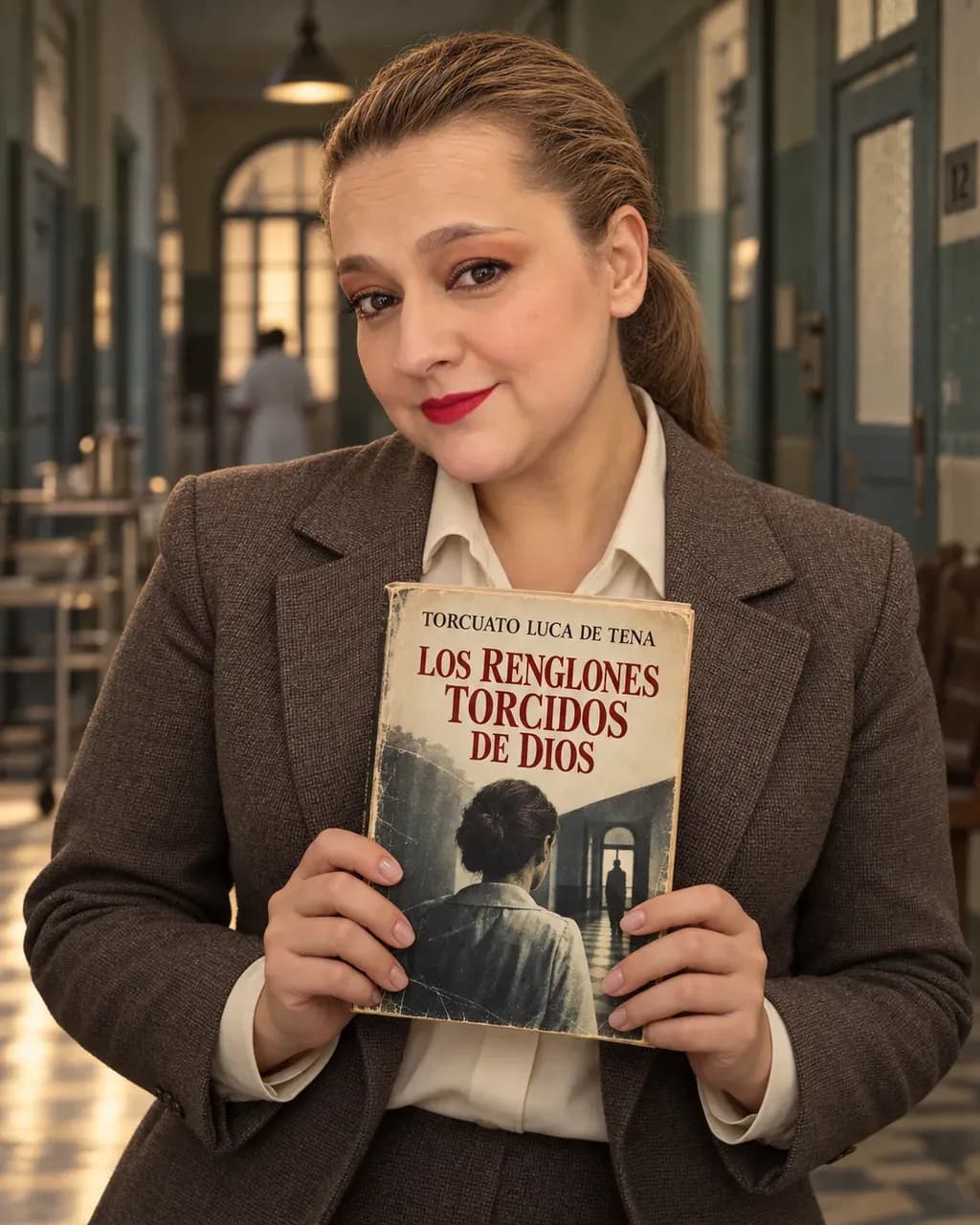
Torcuato Luca de Tena
God's Crooked Lines
God's Crooked Lines by Torcuato Luca de Tena: who gets to decide who is sane?
Alice Gould enters a psychiatric institution with a story of her own. The hospital has another version. That is where the novel starts asking a question institutions would rather keep in their paperwork: who gets to name someone sane, and what happens when the person holding the file is wrong?
October 26, 2026
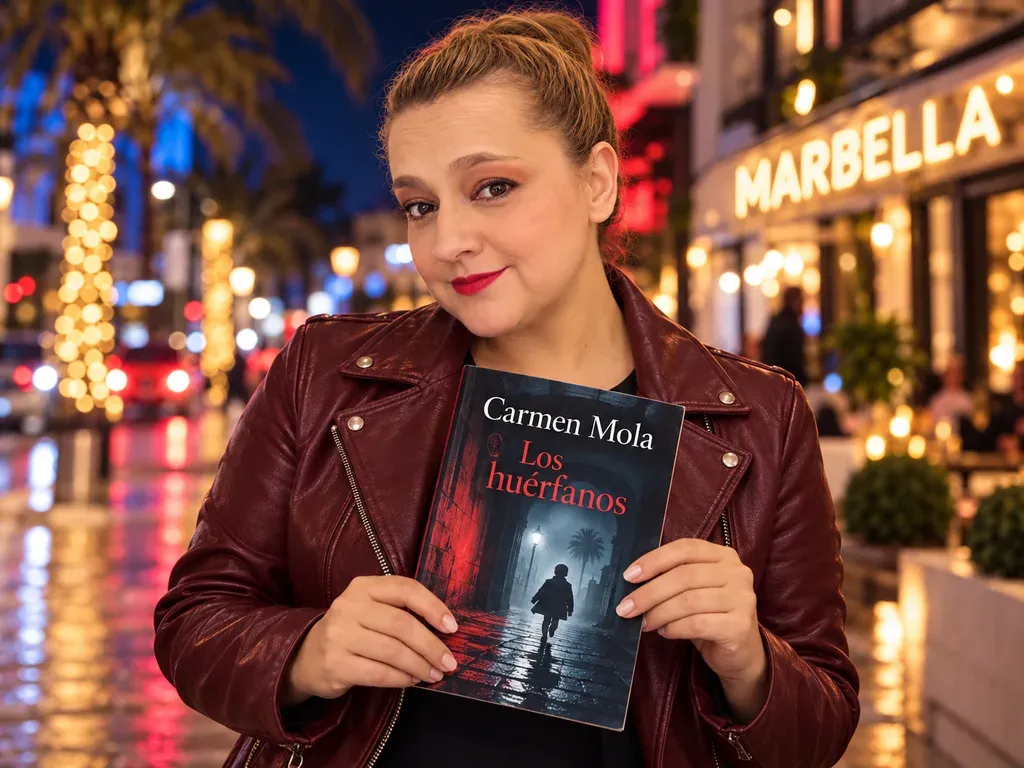
Carmen Mola
The Orphans
The Orphans by Carmen Mola: abandoned children grow into crime bosses. What a hell of a career path
Three children meet in Belfast, build a family out of survival and grow into adults who have learned how to make money from crime. Years later, a case pulls Laura Pastor and her family into a world where loyalty is real, but so are the bullets. The title sounds sad; the career path is considerably worse.
October 25, 2026
Want more like this? Join the Readers Club and get one of my books for free.
Share
My books
Books by Yenny Astrid Londoño



About the author
Yenny Astrid Londoño
Yenny Astrid Londoño is a Colombian author and entrepreneur, founder of Anchetas Medellín. She writes about real life with sarcasm, irony and smart humor, turning everyday situations, mistakes and imperfect relationships into stories that readers can laugh at and recognize themselves in.

A free book from me
Get a free book from me
Subscribe and get Sobreviviendo a mis muertos in full as a PDF.
After that, I'll only write when I have something worth telling you.
Also available: Read this review in Spanish →