
Book review
The Beast:
Carmen Mola's The Beast: Madrid in 1834, cholera, murdered girls and Lucía's search for the truth. A dark historical thriller, my honest review.
By Yenny Astrid Londoño · October 22, 2026 · 8 min read
Share
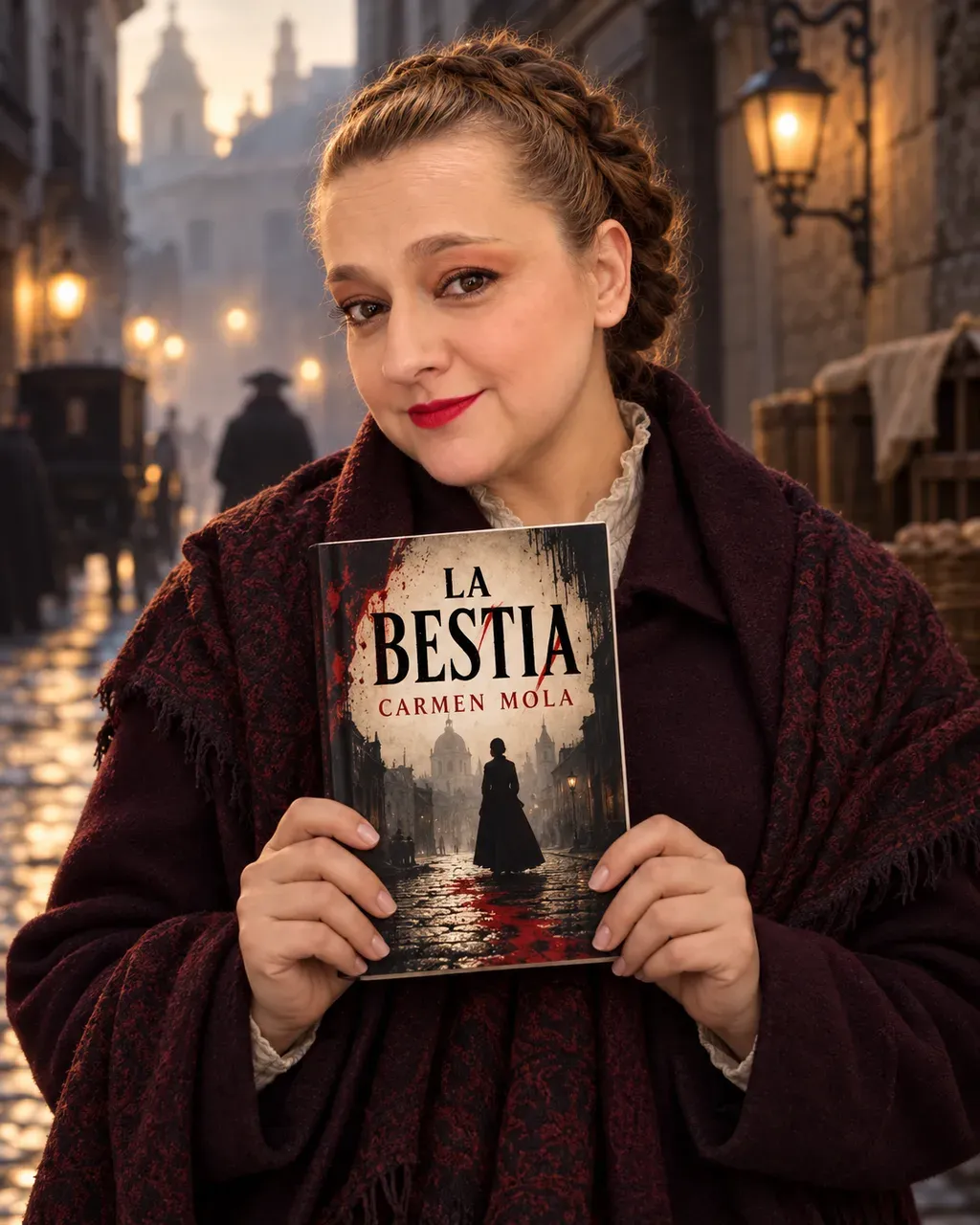
The Book
The Beast
Noir fiction
by Carmen Mola
4.5 out of 5 stars
I give it high marks for the setting, the pace and the uncomfortable question of whom a city protects.
Madrid, 1834: the city had problems before the monster showed up
Carmen Mola takes us to a Madrid sick with cholera, poor, crowded, and pressed against its own walls. People are afraid, and murdered girls begin turning up in the neighborhoods nobody important seems eager to protect. The rumors give the bodies a name: the Beast. How convenient. If the culprit is some inhuman creature, nobody has to ask what kind of city leaves girls exposed and their families without enough power to demand answers.
The epidemic is more than historical wallpaper. Health, safety, trust, and the belief that the authorities might actually fix something are all coming apart at once. A sick city wants a quick explanation, and the Beast supplies one, whether it exists or is simply the neat label someone stuck on a horror that refuses to stay neat.
Lucía’s search will not fit inside a case report
Lucía has personal reasons not to settle for the rumor. Her search takes her through streets where poverty is not picturesque scenery; it is a daily threat. I like that she is not some parlor-room detective who studies a crime from a safe distance and then goes to bed with a perfectly pressed conscience. Here, staying alive already means learning to read danger before it reaches you.
She moves through a web of people who investigate, conceal things, and bargain with information. That gives the mystery several angles, though it also asks you to keep track of more than one story at a time. Blink while deciding who is speaking and Madrid has changed streets, threats, and bodies.
The Beast is a useful name for a fear nobody can grab
The nickname gives people a way to talk about terror, but it can also hide where that terror comes from. The Beast might be a creature, a legend, a family’s worst fear, or a word someone uses to push an investigation away from the people who should be answering questions. I like that ambiguity because it asks who benefits when fear gets a spectacular name and the actual responsible parties stay out of focus.
A storybook monster announces itself with fangs. The monster a society makes may wear a uniform, have useful friends, or simply look away when the victim has no important surname. The novel is strongest when it follows that question instead of reaching for an easy scare.
The murdered girls are not props for making the plot darker
The bodies of murdered girls drive the story, and that choice asks the book to handle violence carefully. Horror cannot become a stack of brutal images for readers to consume with dinner. At its best, the novel makes the violence weigh something because the girls are more than clues: their vulnerability shows whose lives count and who can be erased without the city stopping.
I am still left with an uncomfortable question. When a mystery turns a victim into a reason for revenge or a search, does it restore her dignity or use her as fuel? The book does not offer tidy answers, and I am glad it does not. Violence against children does not become less awful because the historical setting is convincing.
Cholera and fear spread in different ways
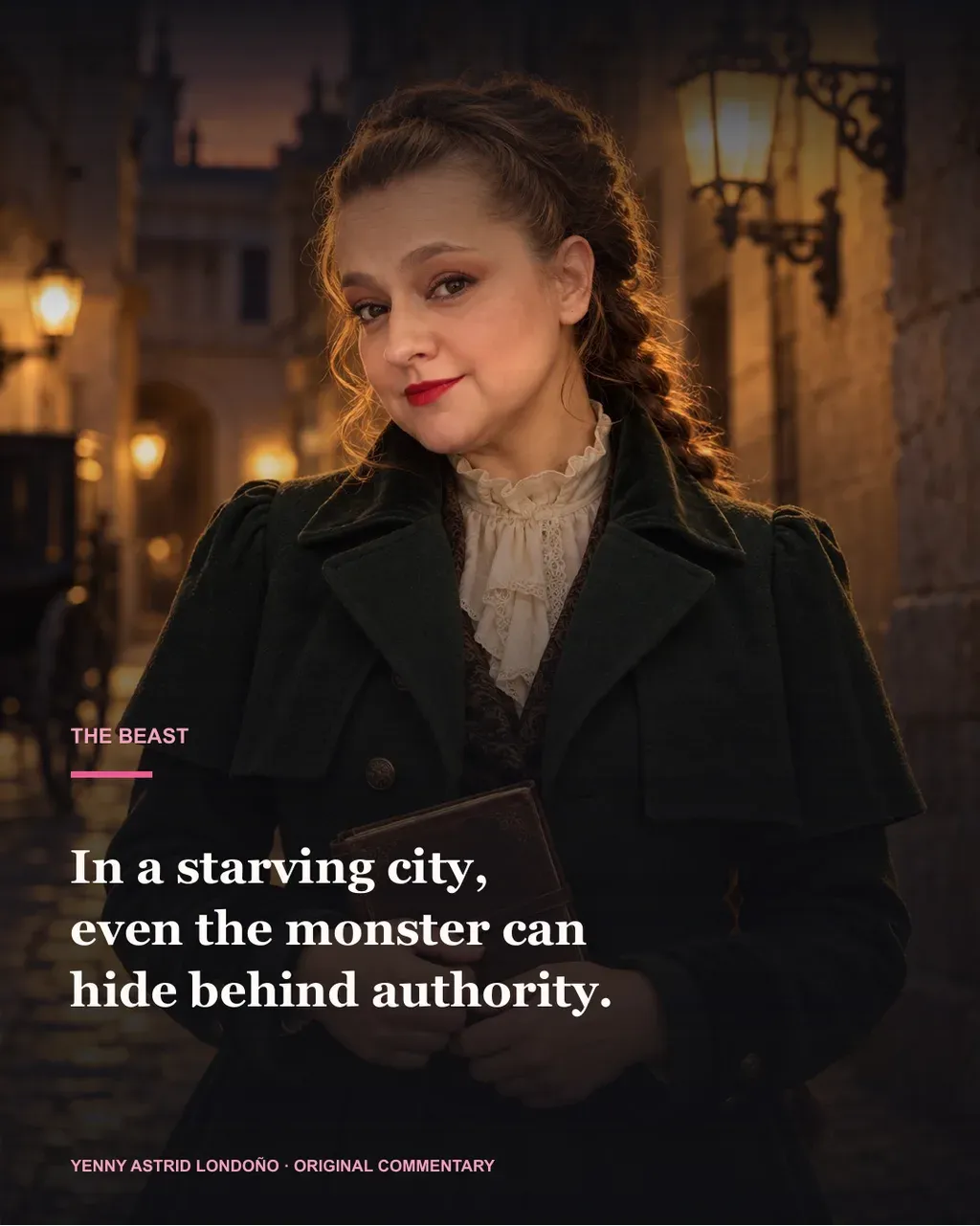
The epidemic makes people wary of one another’s bodies. The Beast makes them fear the street, the neighbor, every shadow that moves. One threat travels through the air; the other through rumor. In both cases, people with the fewest resources pay first. If you can close your door, buy medicine, or arrange protection, you get to call yourself cautious. Everyone else learns to survive with whatever they have.
The disaster does not invent inequality; it gives it overtime. Anyone who thinks that only happened in 1834 can take a look at any line where money decides who waits and who gets through.
Madrid feels lived in, not dressed for a history exam
I like that this Madrid has grime, hunger, alleys, fear, and movement. The setting is not there for the reader to say, “What excellent research,” and stroll off. Living conditions shape who gets believed, who can disappear without a fuss, and who can walk home without checking behind them every two minutes.
The research shows, but it does not land like an encyclopedia dropped on the plot. The novel wants us to feel the period, not sit an exam on it. If a historical detail cannot be smelled, touched, or feared along with the characters, I do not need it served with an imaginary footnote.
A bloody thriller with secrets and more than one voice
The story moves between investigation, action, and historical drama. Secrets arrive by the spoonful, people hold things back, and the twists rearrange what we thought we knew. That is part of Carmen Mola’s appeal: you suspect, you are wrong, and then you suspect again with the dignity of someone who has already said “I knew it” three times.
The large cast gives Madrid texture, but asks for attention. Not everyone gets the same depth, and a few transitions feel as if the story is hurrying to reach the next twist. Still, the whole thing keeps moving. You want to know what happened, and every answer opens a door that might have been better left shut.
Violence should not be the only hook
The novel does not spare us the brutality. That can work when a scene changes what we understand about the city, the investigation, or the person in danger. It gets more debatable when the horror seems to compete with itself: which scene can unsettle the reader most before the next one arrives?
I do not need a crime novel to protect me from everything. I do need it to know why it uses violence. Here, the brutality belongs to the world being portrayed, but there are moments when impact starts to feel like part of the spectacle. If I have to close the book, let it be because the story made me face something, not because someone dumped a bucket of blood on the page to distract me from how the plot works.
The novel asks who deserves to be searched for
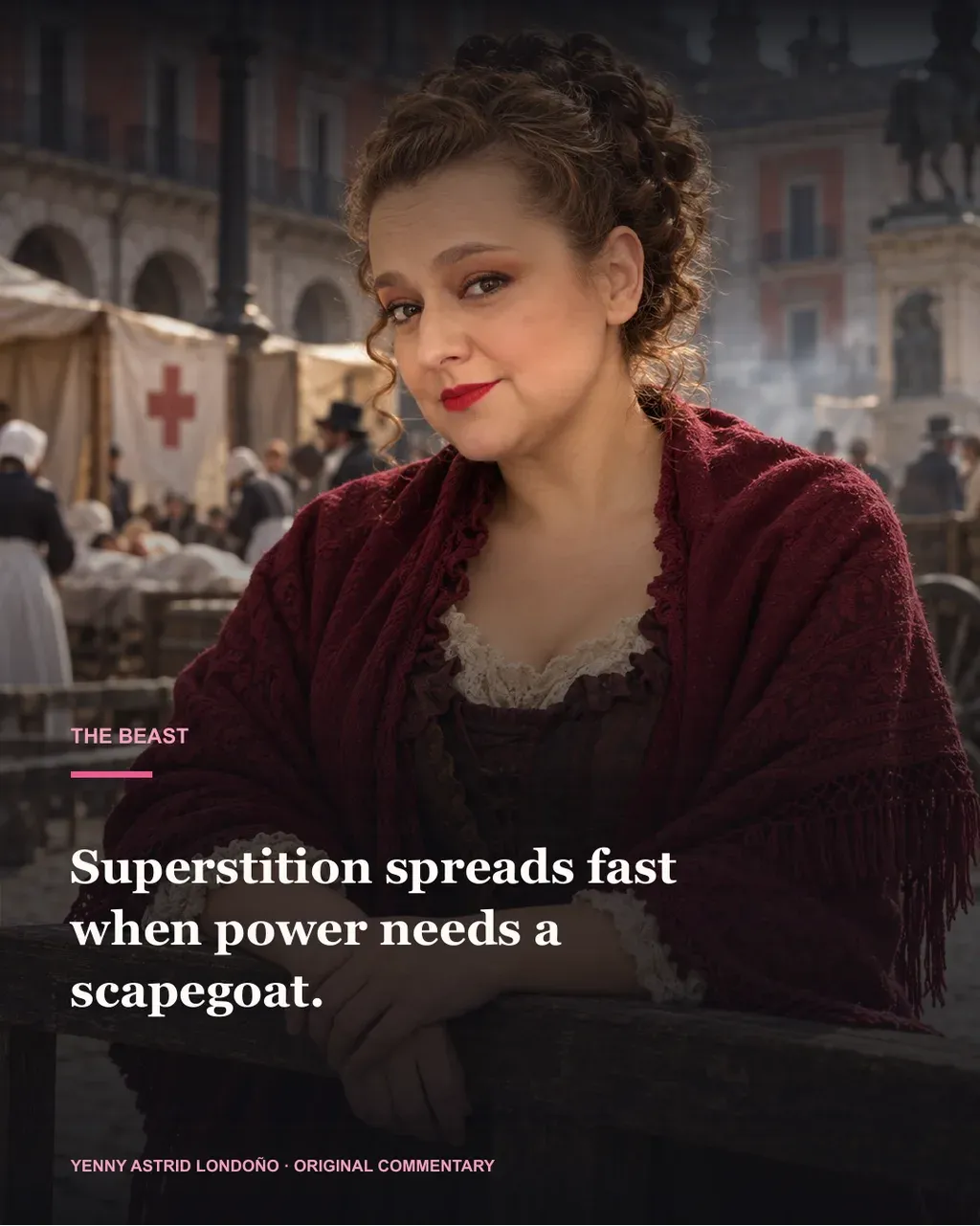
The search does not happen in a vacuum. Girls disappear, and people can go days without anyone influential asking where they are. A city distributes attention the way it distributes food and shelter: very conveniently for those born at the top.
That turns the mystery into a larger question. How long does justice take when the victim is neither famous nor rich? What happens to families nobody believes? How many crimes get filed under an easy explanation because nobody can force the powerful to look? The Beast may be a creature, a person, or a word. Indifference, on the other hand, is painfully familiar.
What I did not like
The epidemic, the murders, and several conspiracies all compete for the center of an already crowded novel. When every chapter promises an even bigger disaster, the missing girls can start to look like fuel for the pace. The 1834 setting is strong, but not every thriller turn needs the same show of violence to keep me reading.
Who should read it
Pick this up if you like historical thrillers with investigations, a strong setting, and scenes that do not pull their punches. It is not a light read for forgetting that human beings can be cruel. The period weighs on the story, and the plot is not especially interested in treating you gently.
It also suits readers who want a mystery with a social root. The investigation matters, but so do the questions of who can ask for justice, who gets heard, and who becomes a number. If all you want is to guess the culprit, you will get a case. If you keep looking at the city, you will find the problem the novel leaves behind.
A hard story about a city that looks away
Violence against girls, cholera, poverty, and cruelty are part of the reading experience, and some scenes can be difficult. If those subjects affect you, taking breaks or choosing another book is a sensible decision. There is no medal for finishing a novel at the cost of feeling awful.
I give it 4.5 out of 5 stars. The setting, pace, and uneasy question of whom a city protects earn the high score. I take off half a point when the brutality seems to chase impact for its own sake and when a few characters have to sprint between twists before they can become fully themselves. The book kept me alert and thinking; it could have trusted what it had already built.
Frequently asked questions
What is The Beast by Carmen Mola about?
It is set in Madrid in 1834, during a cholera epidemic and a series of murders of young girls. Lucía's search and the investigations around the crimes cut through a city dominated by fear.
Is The Beast a real character?
The Beast is the name that circulates to explain the murders and the city's terror. Its identity and the meaning of the name are part of the mystery, so I won't reveal them here.
Is the novel part of Elena Blanco's series?
No. It is a standalone novel by Carmen Mola, separate from the series about Inspector Elena Blanco.
Is The Beast a historical novel or a thriller?
It combines thriller, noir and history. The nineteenth-century Madrid setting affects the investigation and the characters' lives.
When was The Beast published?
The Planeta edition was published in 2021 and won that year's Premio Planeta.
Is it a very violent read?
Yes. It includes criminal violence, an epidemic and crimes against girls. Keep those topics in mind before you start.
Who is Lucía in The Beast?
Lucía searches for her younger sister, Clara, who disappeared in Madrid in 1834. She is accompanied by Donoso and Diego.
The Book
The Beast
by Carmen Mola
Get the bookIf you buy through this link, Yenny earns a small commission and you pay the same price.
Keep reading
If you liked it, keep going
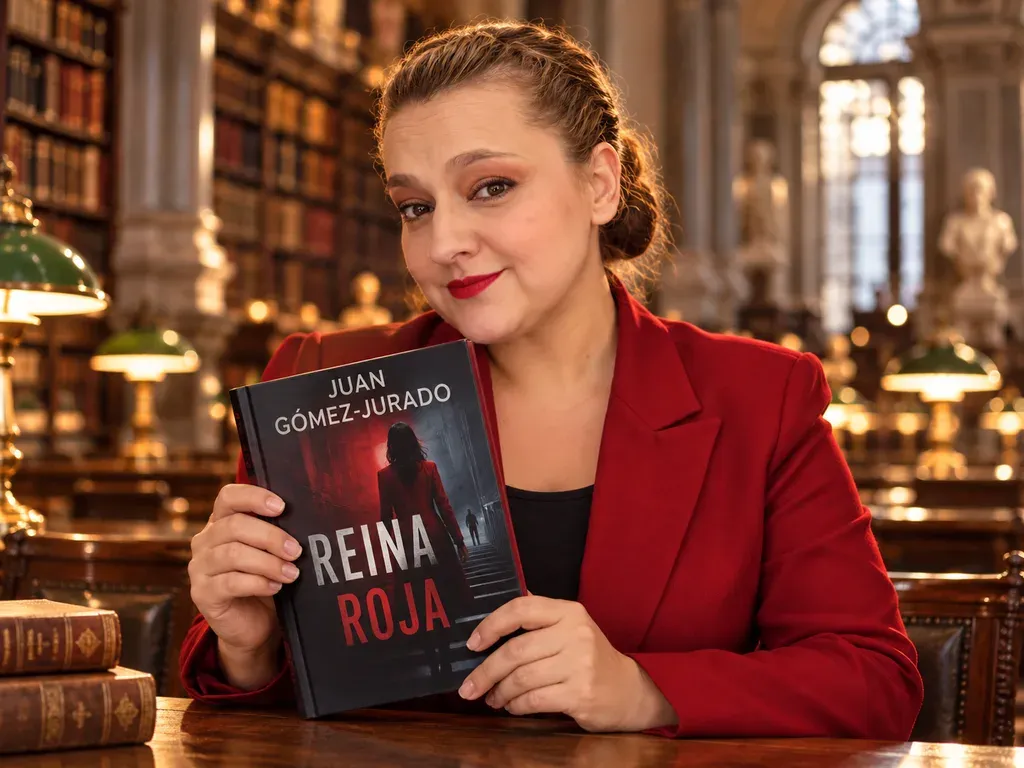
Juan Gómez-Jurado
Red Queen
Red Queen by Juan Gómez-Jurado: Antonia Scott sees everything except a reason to leave her apartment
Antonia Scott has no badge, no official job and an intelligence powerful enough to make a room uncomfortable. Jon Gutiérrez arrives at the wrong door and gets pulled into a case involving wealth, power and people who believe money can buy silence. It can buy quite a lot. It cannot always buy good judgment.
October 26, 2026
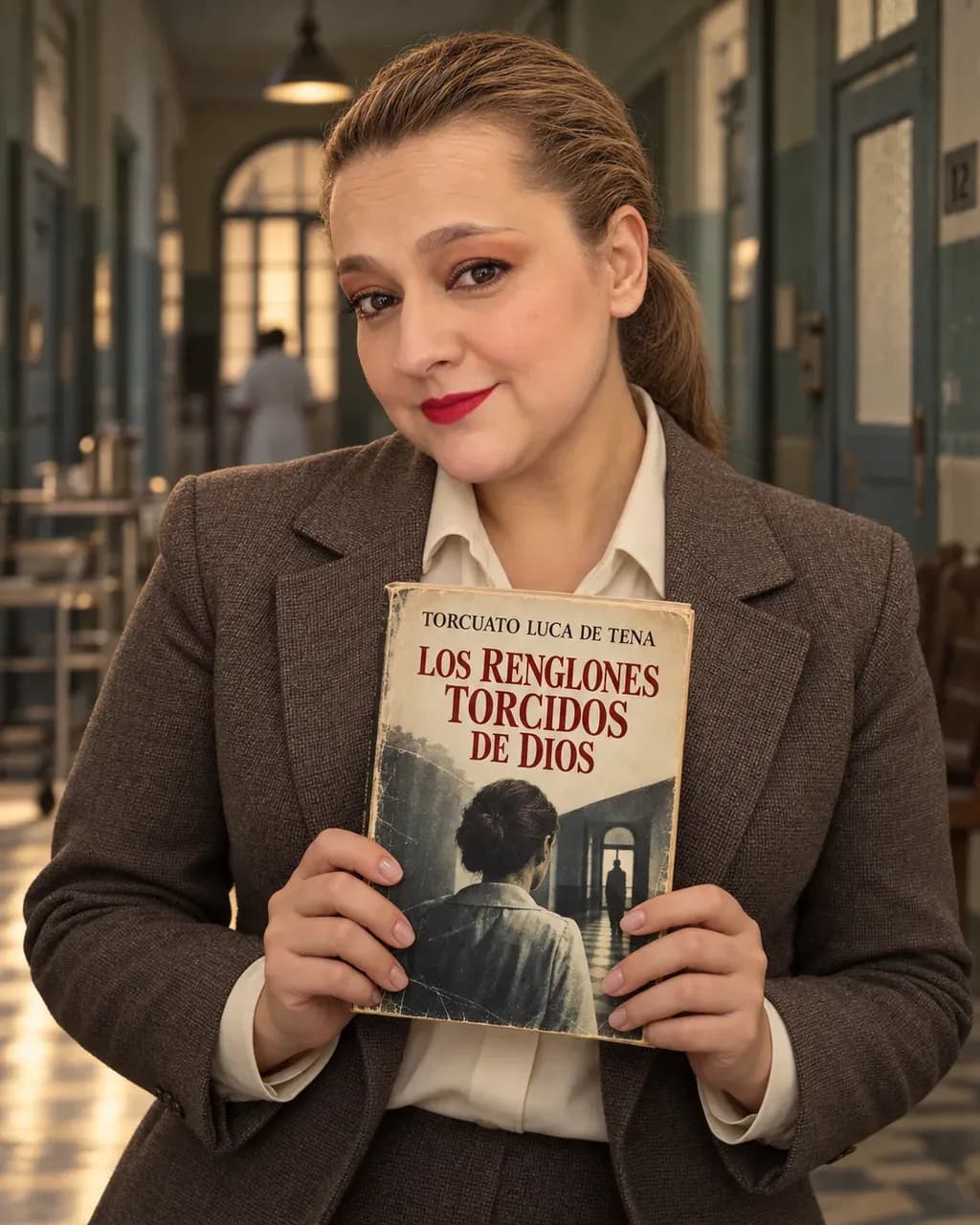
Torcuato Luca de Tena
God's Crooked Lines
God's Crooked Lines by Torcuato Luca de Tena: who gets to decide who is sane?
Alice Gould enters a psychiatric institution with a story of her own. The hospital has another version. That is where the novel starts asking a question institutions would rather keep in their paperwork: who gets to name someone sane, and what happens when the person holding the file is wrong?
October 26, 2026
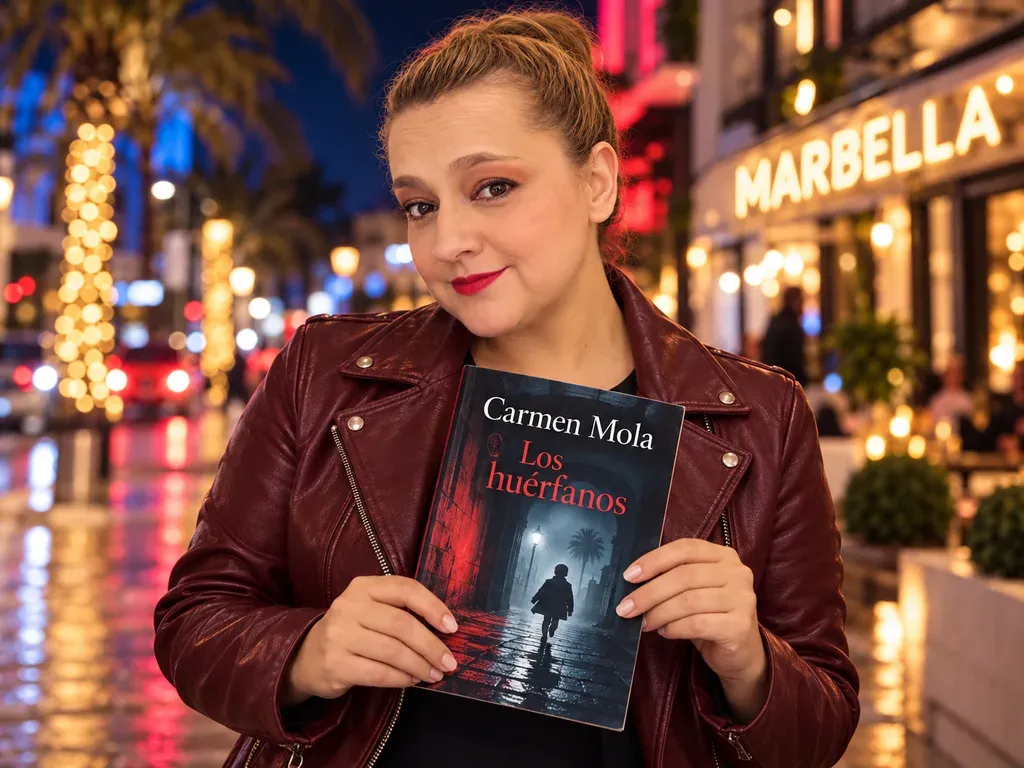
Carmen Mola
The Orphans
The Orphans by Carmen Mola: abandoned children grow into crime bosses. What a hell of a career path
Three children meet in Belfast, build a family out of survival and grow into adults who have learned how to make money from crime. Years later, a case pulls Laura Pastor and her family into a world where loyalty is real, but so are the bullets. The title sounds sad; the career path is considerably worse.
October 25, 2026
Want more like this? Join the Readers Club and get one of my books for free.
Share
My books
Books by Yenny Astrid Londoño


About the author
Yenny Astrid Londoño
Yenny Astrid Londoño is a Colombian author and entrepreneur, founder of Anchetas Medellín. She writes about real life with sarcasm, irony and smart humor, turning everyday situations, mistakes and imperfect relationships into stories that readers can laugh at and recognize themselves in.

A free book from me
Get a free book from me
Subscribe and get Sobreviviendo a mis muertos in full as a PDF.
After that, I'll only write when I have something worth telling you.
Also available: Read this review in Spanish →