
Book review
The Eye of the World by Robert Jordan:
An Aes Sedai arrives in the Two Rivers and turns a quiet life into a race against monsters, prophecy and decisions nobody was ready to make. Good evening, peaceful village. This is my spoiler-light review of the opening novel in Robert Jordan’s The Wheel of Time.
By Yenny Astrid Londoño · October 26, 2026 · 7 min read
Share
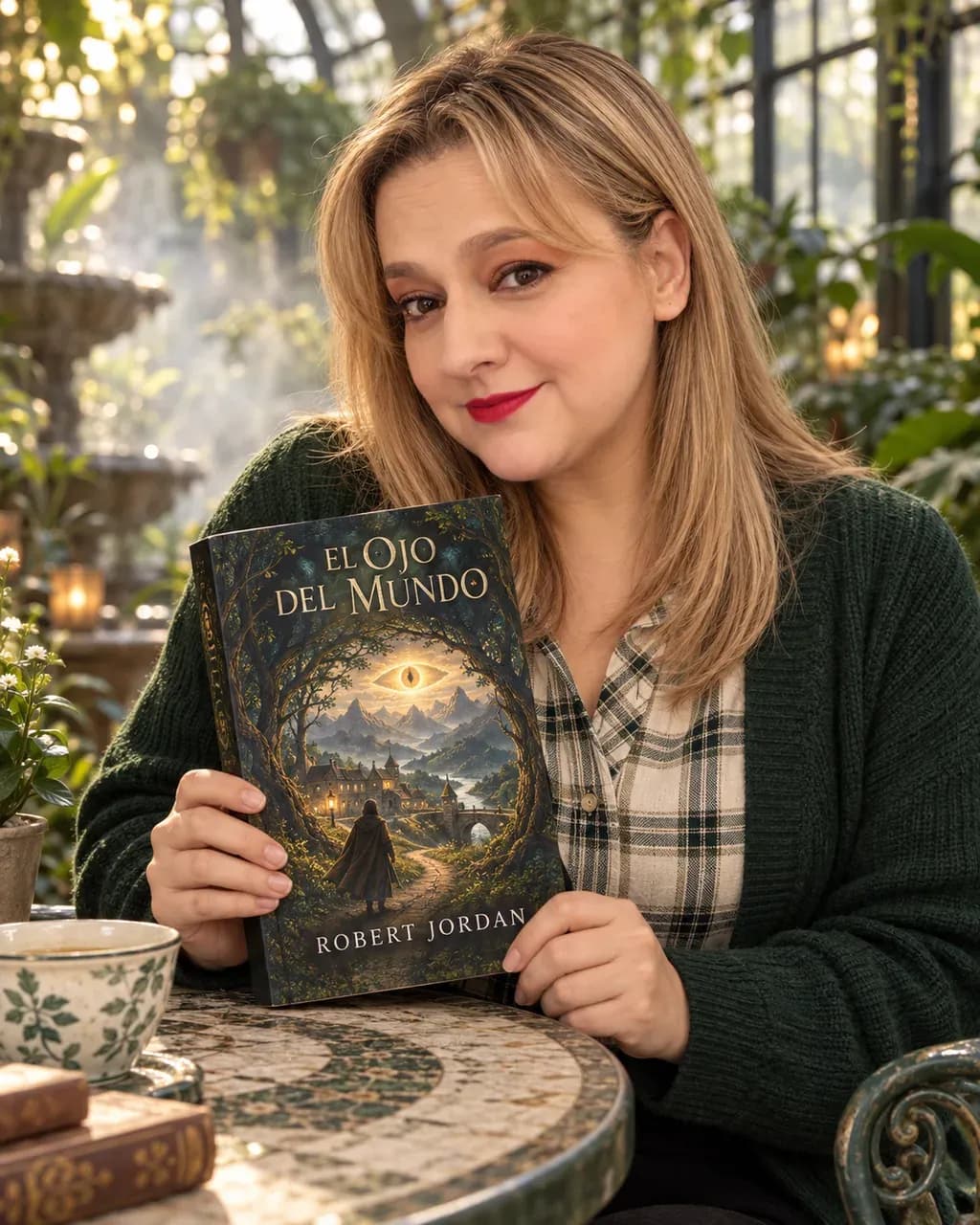
The Book
The Eye of the World
by Robert Jordan
4 out of 5 stars
The world and the group invite me to keep going; the familiarity of the premise, the names and some long stretches take away my fifth star.
Visitors arrive, and Tuesday is over
The Two Rivers feels far away from capitals and the conflicts people tell stories about. Then Moiraine Damodred, an Aes Sedai, arrives just as Trollocs attack. The local peace lasts about as long as it takes a dangerous situation to say, “This has nothing to do with you,” before dragging everybody into it.
Rand al’Thor, Mat Cauthon and Perrin Aybara leave with other companions, including Egwene al’Vere. What begins as an escape becomes a story about the world beyond childhood’s borders and the forces that were already looking for them. The premise draws on familiar fantasy bones: young villagers, a dark threat and a journey. Jordan’s ambition is to expand those bones into a world large enough to hold a long history.
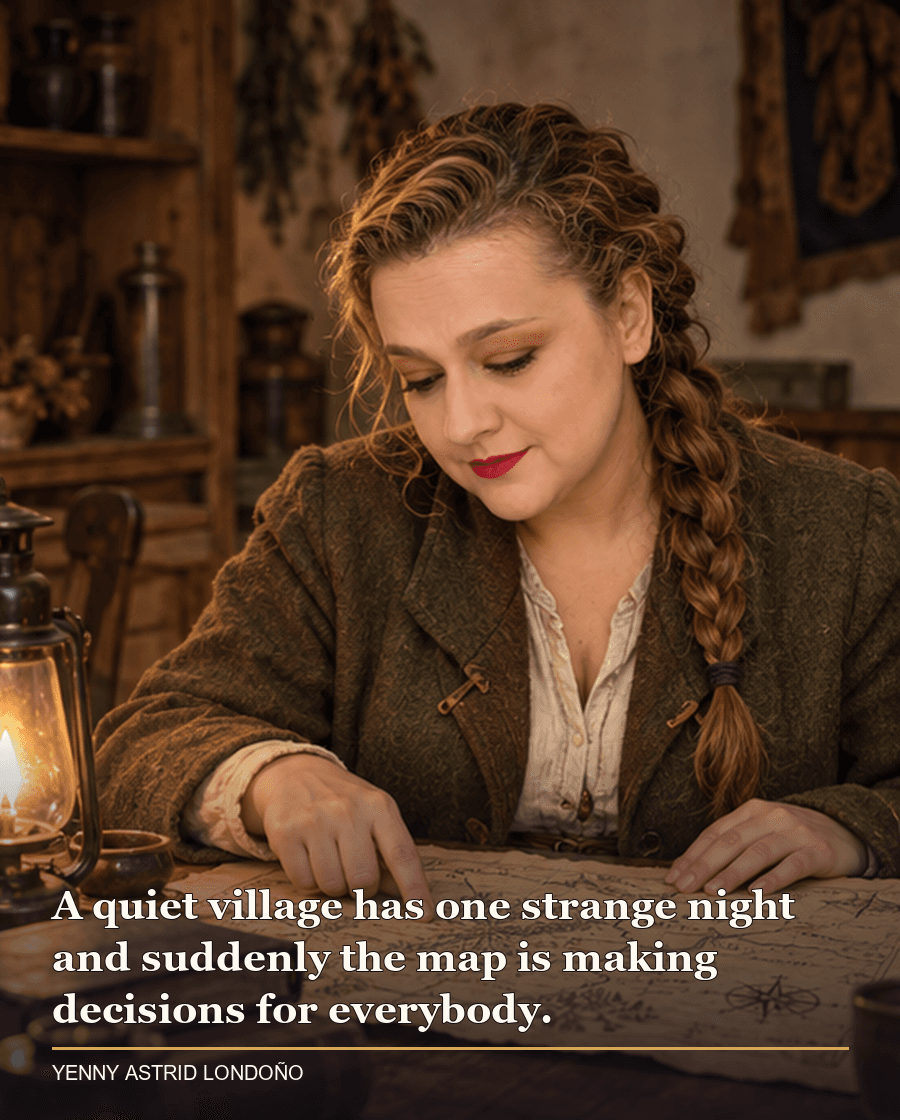
Rand did not ask to be the center of an ancient story
Rand is a young man from the Two Rivers who suddenly finds himself watched by people who know more than he does. Signs, names and suspicions follow him. The reader can feel that a larger importance is waiting, while Rand is still trying to understand what is happening and why every adult seems to have a different answer.
I like that destiny is treated as pressure rather than a golden prize with a cape included. If everyone looks at you as the solution to a problem you do not understand, even choosing lunch starts to feel like an assignment. Rand can be stubborn and make poor choices, but that resistance is more interesting to me than a hero who accepts a dangerous mission with a smile and a tidy list of goals.
The familiar structure is also my first reservation. The farm boy, the dark force, the mysterious guide and the exceptional destiny all arrive early. Jordan adds complexity, but I was waiting to see when the road would turn instead of following the tracks I already knew.
Moiraine and Lan arrive with half the answers
Moiraine has a commanding presence and knows more than she explains. Lan, her Warder, speaks so little he seems to have practiced silence until it became a uniform. The young people need to know why they should follow them; Moiraine needs them to move quickly. They do not always receive the explanation they deserve.
The tension between knowledge and authority works for me. Moiraine’s experience does not automatically make every choice correct or every secret a safety measure. Guiding someone without telling them the plan may work in a crisis and remain deeply irritating afterward. If I were in the group, I would also ask whether the excursion includes coming back alive or if that is a feature planned for a later edition.
The group is not traveling for the same reason
As the party grows and splits along different routes, its members begin to develop separate motives. Egwene is not decoration behind the young men; her own relationship with power and training matters. Nynaeve, the Wisdom of the Two Rivers, has the sort of presence that could run a meeting with one look. Thom Merrilin brings performance, stories and a different kind of knowledge.
The group works when each person has a reason to be there and something to lose. Not every disagreement disappears just because the characters are “a team.” Their loyalties get tested under pressure. At the same time, there are so many names, ranks and roles that I sometimes wanted a break between one title and the next. A small glossary would not have hurt anyone.
The Wheel of Time: prophecy, repetition and history’s weight
The world believes history turns in cycles. Ages change, names become legends, and legends can fade only to return in another form. That gives the novel scale, but it also opens a plain question: if this has happened before, how free is anyone living through the current turn?
Prophecy is more than a way to announce who matters. It is also a tool for persuasion and control. Anyone who knows part of what may happen can use it to convince, frighten or direct people who know less. Nobody receives a prediction neutrally; people interpret it through their own fears and ambitions. That gives the mythology political consequences, though its terms can be hard to hold in your head while the story keeps introducing more history.
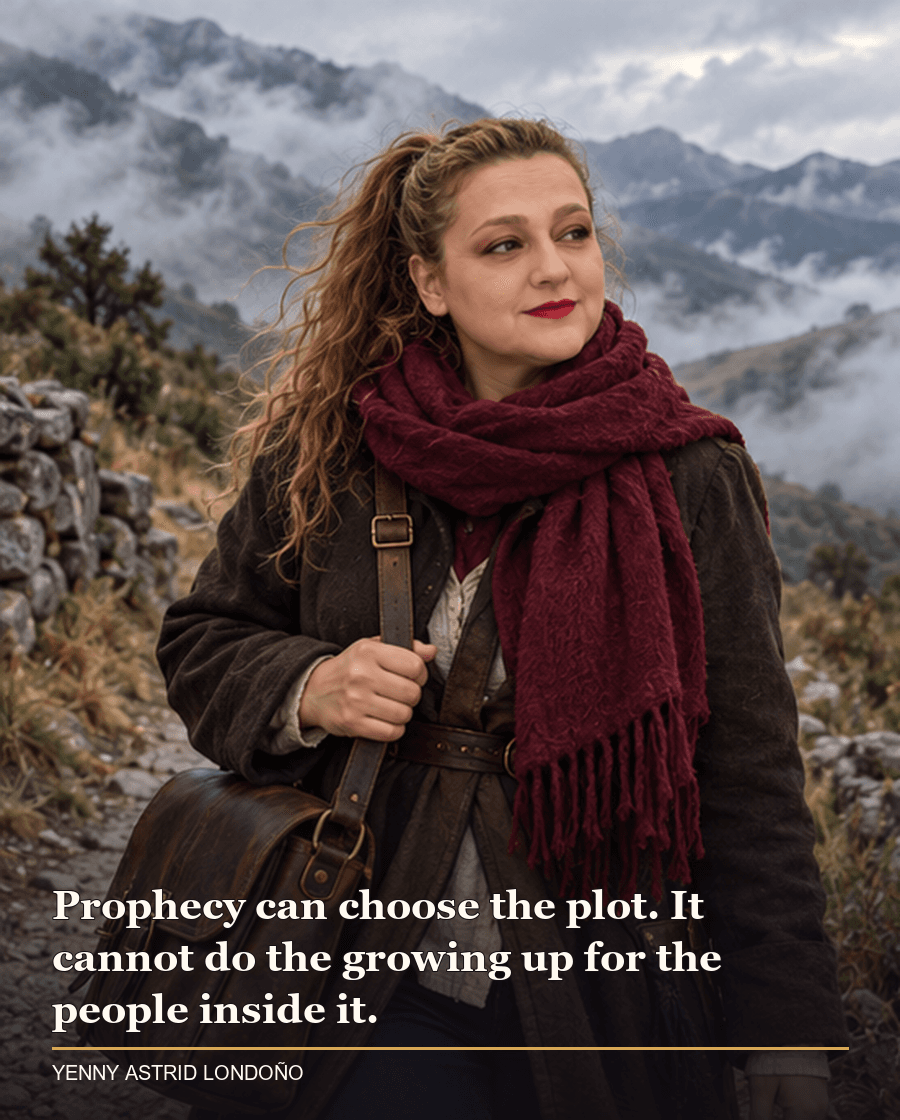
A fantasy journey that has no reason to hurry
Jordan takes time with landscapes, towns, danger and the changing relationships among the travelers. There are stretches of travel where I enjoyed feeling the distance; there are others where I wished the story would move its boots a little faster. The world-building has a strong sense of age, and the changing settings make the journey feel real rather than like a line drawn between action scenes.
That scale is part of the promise of The Wheel of Time. This first novel is not trying to resolve every conflict. It is laying foundations for a much larger series. Readers who like long fantasy journeys will recognize the invitation. Readers who want a compact story with all its answers may want to look at the page count and consider their weekend plans.
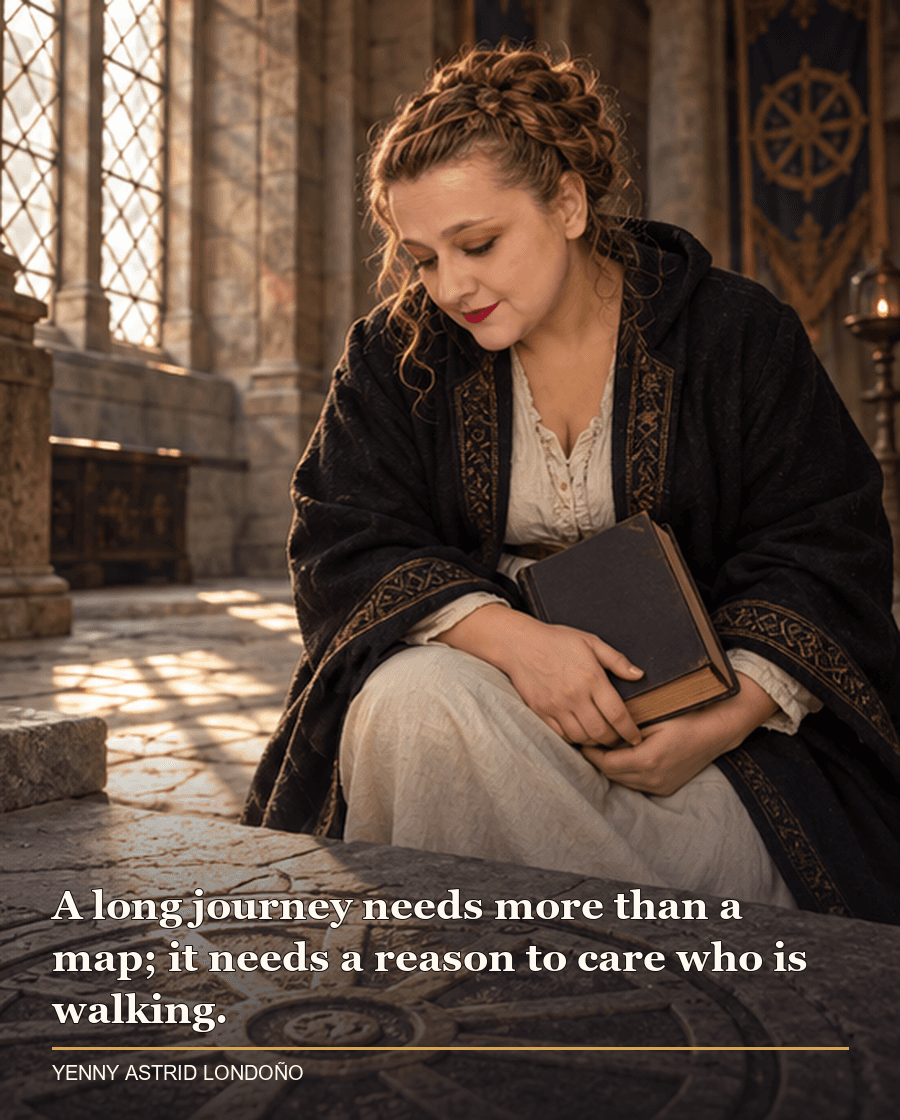
Familiar foundations, distinctive world
The book’s structure recalls older quest fantasies, but its details start to separate it from the template: the Wheel, the One Power, the Aes Sedai and the different ways communities remember the past. The history feels layered, and its mysteries are connected to how people use power now.
The characters also bring different temperaments to the same threat. Their arguments give the group friction, and the lack of complete information keeps the journey uncertain. I am more interested when their choices push against the structure of the prophecy than when the plot seems to be ticking through a familiar checklist.
What I did not like
The story’s opening leans hard on recognizable fantasy conventions: the village, the ancient danger, the travelers and the special young person. It takes a while before the book’s own qualities push those conventions into the background. The number of names, terms and historic references can also feel like being handed an encyclopedia while someone is already shouting that we need to run.
Some stretches of travel slow the momentum. I appreciate the atmosphere and the sense of scale, but not every rest stop adds the same amount to the characters or the conflict. The book asks for patience; I gave it a lot, although there were moments when I checked whether the road itself had a subplot.
Who should read it
Choose The Eye of the World if you want a large-scale fantasy journey, an old-fashioned quest structure and a world with enough history to fill several books. It is a good fit for readers willing to learn the vocabulary as they go and spend time with a wide cast.
If you prefer short fantasy, a quick opening or a single-volume conclusion, this may not be the best place to start. I enjoyed its sense of scale and the pressure of prophecy more than its familiar opening beats. This is a door into a very long series, so open it knowing the road is the point.
My rating
4 out of 5 stars. I like the scale, the characters’ different motives and the way prophecy becomes a question of power, not just fate. I take off a star for a familiar opening, the heavy load of new terms and stretches where the journey takes longer than my attention wanted. It is a promising beginning to an enormous series, with a road that expects you to walk it rather than take a shortcut.
Frequently asked questions
What is The Eye of the World about?
It follows a group of young people from the Two Rivers after an attack forces them to leave home and draws them into a much older conflict.
Is The Eye of the World the first Wheel of Time book?
Yes. It is the first novel in Robert Jordan’s The Wheel of Time series.
Is the series finished?
The series is complete. Robert Jordan wrote most of it, and Brandon Sanderson completed the final books from Jordan’s notes after his death.
Is the book difficult to read?
The prose is accessible, but the large cast, terms and world history require attention. It also takes its time with travel and setup.
Does the novel follow classic fantasy tropes?
Yes. It uses familiar quest elements while building a distinctive setting, magic system and history around them.
Should I read The Eye of the World before the rest of the series?
Yes. It introduces the characters and central conflict that continue through the series.
Who would enjoy it?
Readers who like expansive fantasy, a large cast, long journeys and a story that gradually reveals its history.
The Book
The Eye of the World
by Robert Jordan
Get the bookIf you buy through this link, Yenny earns a small commission and you pay the same price.
Keep reading
If you liked it, keep going
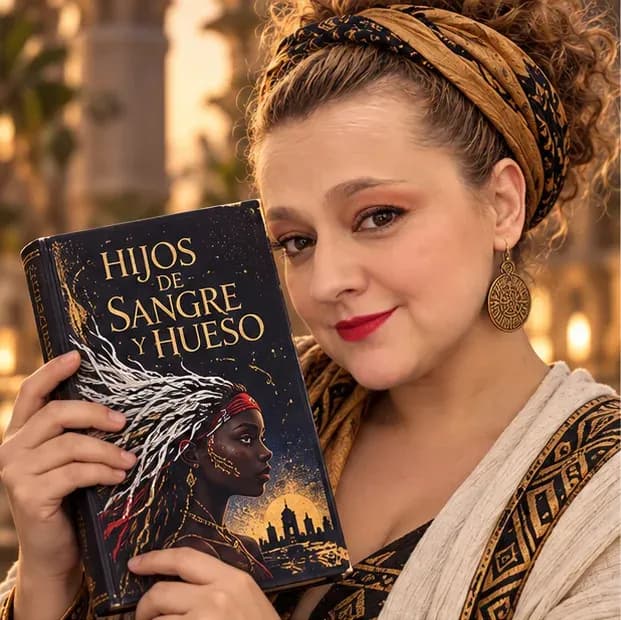
Tomi Adeyemi
Children of Blood and Bone
Children of Blood and Bone by Tomi Adeyemi: when magic returns, power refuses to hand it back quietly
This is an epic fantasy about magic taken away, political violence and a young woman deciding what to do with a power she barely understands. Zélie’s world has a strong identity, and the magic does not sit quietly in the corner while the palace makes decisions. Here is my spoiler-light review of Tomi Adeyemi’s first Legacy of Orïsha novel.
October 27, 2026
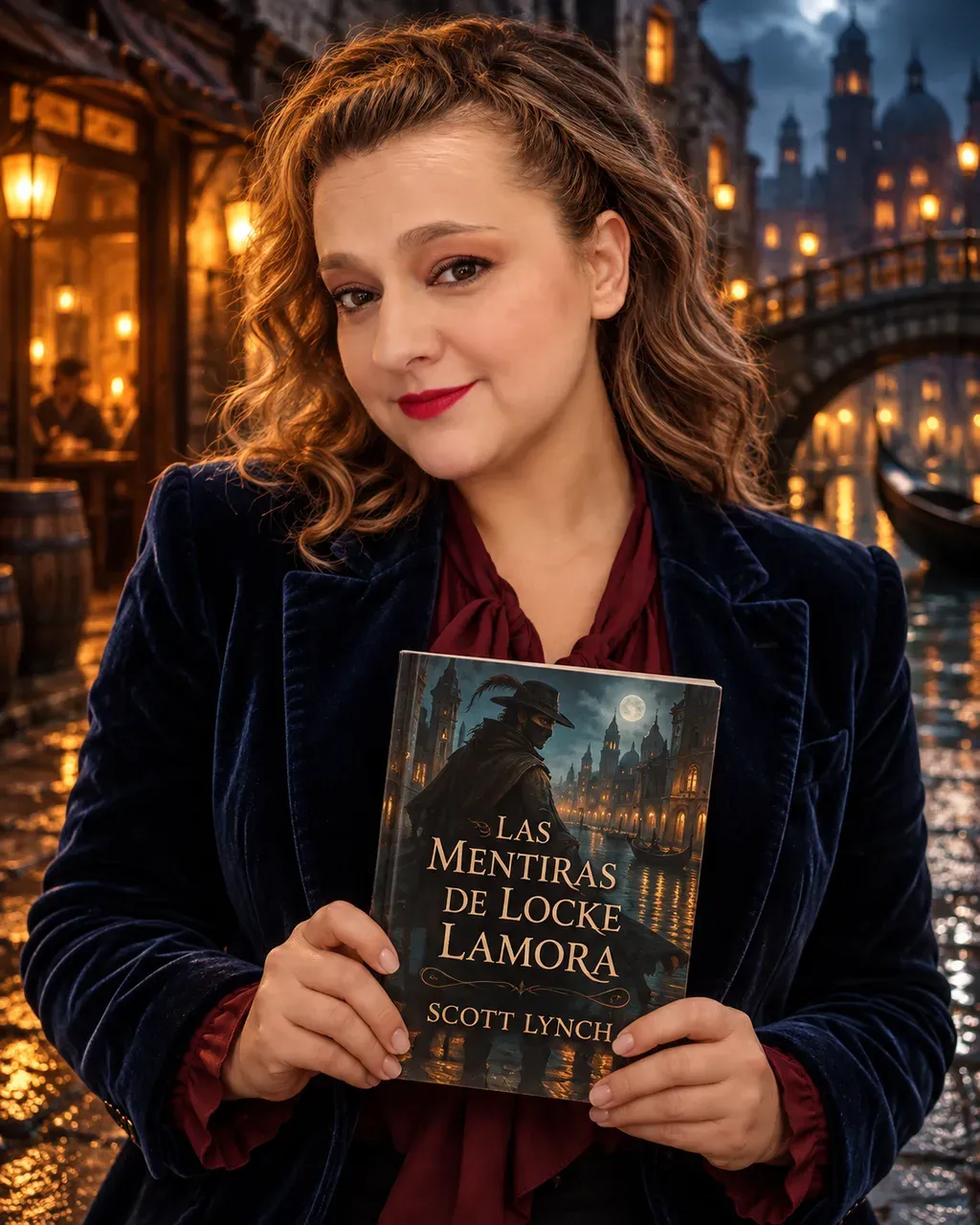
Scott Lynch
The Lies of Locke Lamora
The Lies of Locke Lamora by Scott Lynch: robbing the rich works until someone worse shows up
Crime fantasy, cons and a city where talent attracts trouble. Locke Lamora and the Gentlemen Bastards make their living by taking money from the rich—until a more dangerous player changes the rules. This is my spoiler-light review of Scott Lynch’s first Gentleman Bastards novel: a clever caper whose humor does not make its violence pretend.
October 27, 2026
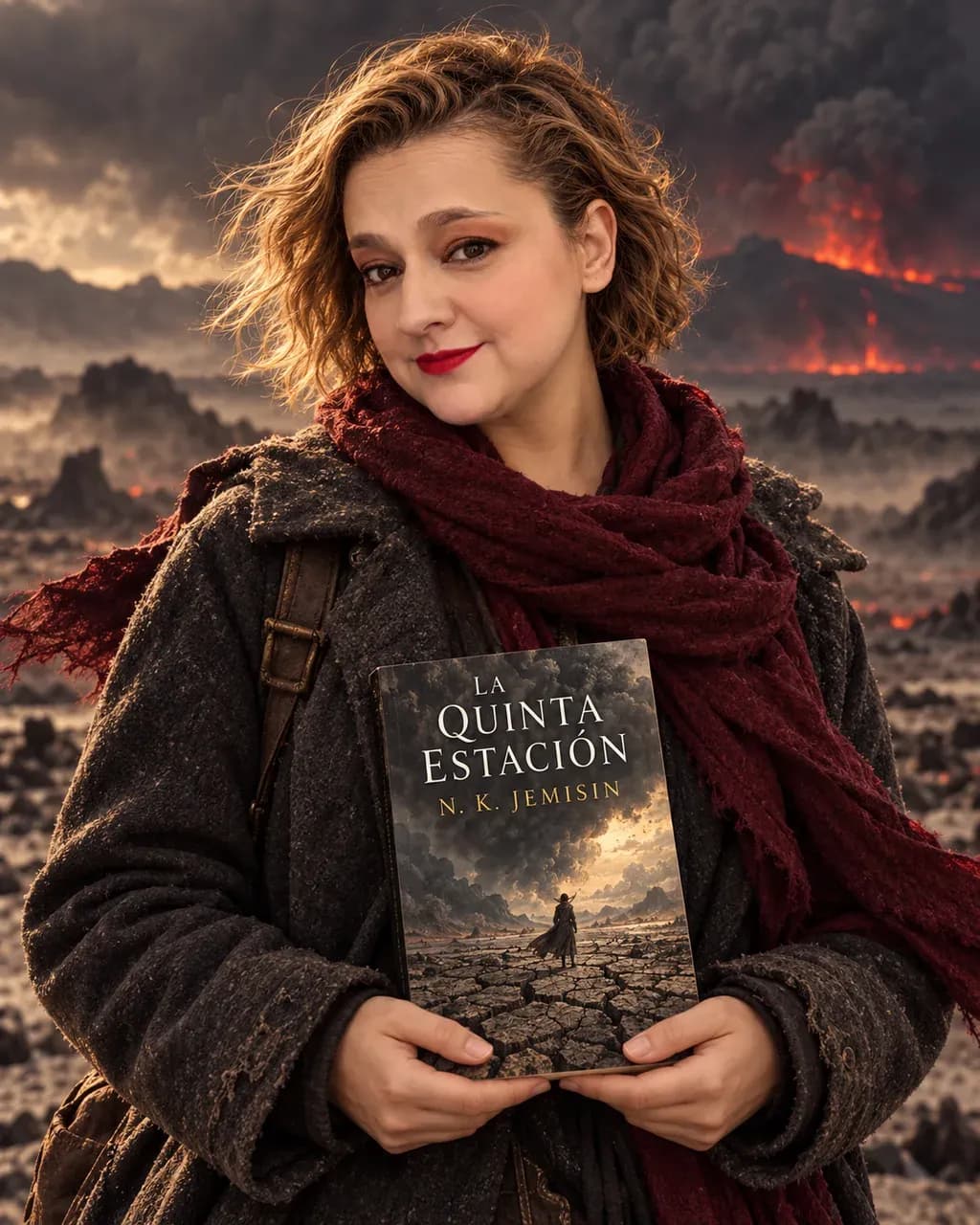
N. K. Jemisin
The Fifth Season
The Fifth Season by N. K. Jemisin: the world breaks again, and Essun has to find her daughter
In the Stillness, the end of the world has a calendar. Essun is looking for her daughter while the ground starts breaking again, and the society that survives these disasters is much better prepared for earthquakes than for treating people humanely. This is my spoiler-light review of N. K. Jemisin’s The Fifth Season, a book that makes catastrophe political before anyone has time to call it weather.
October 27, 2026
Want more like this? Join the Readers Club and get one of my books for free.
Share
My books
Books by Yenny Astrid Londoño



About the author
Yenny Astrid Londoño
Yenny Astrid Londoño is a Colombian author and entrepreneur, founder of Anchetas Medellín. She writes about real life with sarcasm, irony and smart humor, turning everyday situations, mistakes and imperfect relationships into stories that readers can laugh at and recognize themselves in.

A free book from me
Get a free book from me
Subscribe and get Sobreviviendo a mis muertos in full as a PDF.
After that, I'll only write when I have something worth telling you.
Also available: Read this review in Spanish →