
Book review
Mistborn:
Ash falls from the sky, the Lord Ruler has held power for a thousand years and a crew of rebels wants to bring him down. Kelsier calls it a plan. I call it a project that could use a contingency plan, a second contingency plan and maybe an adult in the room.
By Yenny Astrid Londoño · October 26, 2026 · 10 min read
Share
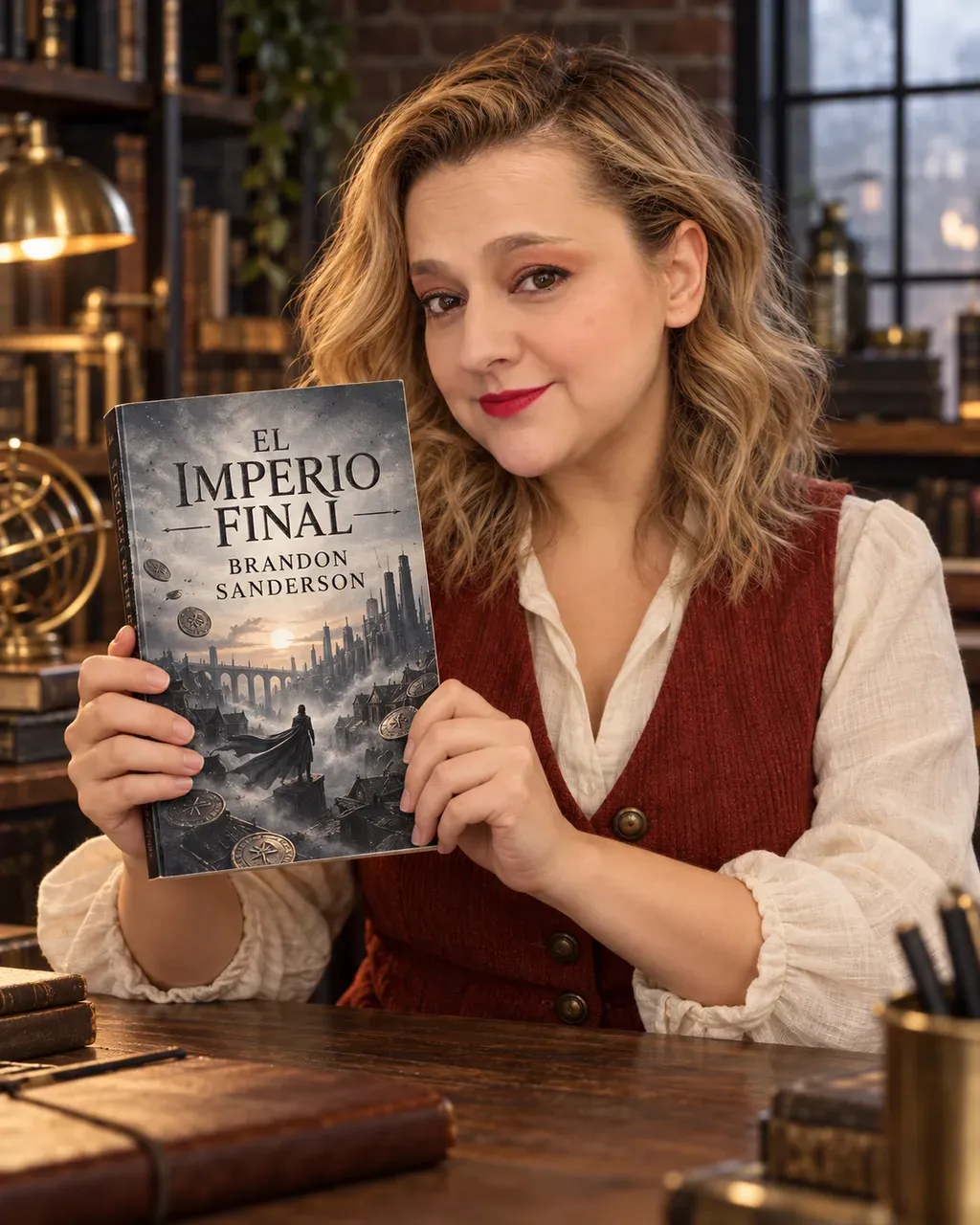
The Book
Mistborn: The Final Empire
by Brandon Sanderson
More reviews by Brandon Sanderson →
4.5 out of 5 stars
I take off half a point for the density of the opening and for explanations that sometimes slow the action.
A world where ash falls as if the sky is in a bad mood
Mistborn: The Final Empire is built on oppression, fear and a ruler whose power seems permanent. The ashfall gives the setting a physical pressure: the sky itself looks dirty, and ordinary people live under systems designed to keep them in their place. This is not a rebellion against one rude boss. The Lord Ruler’s regime has had centuries to arrange the world around itself.
The question that organizes the book is a good one: what happens when the villain in the prophecy wins and rules for a thousand years? Kelsier, a thief with allomantic skills and a personal history full of anger, wants to organize the empire’s fall. For that, he needs a crew, a strategy and a young woman named Vin who has spent her life expecting betrayal. Her distrust is not a pose; it is the tool she learned to use to stay alive. A rebellion against a ruler who seems almost divine is not only a sword fight. It is convincing people that the system can lose.
The skaa are not background scenery for a hero to rescue. Their exhaustion and fear are part of the machinery that keeps the empire standing. The ash, the rigid class system and the Lord Ruler’s mythology reinforce one another: when people are told for generations that this is simply how the world works, imagining another version becomes an act of resistance. That gives the rebellion a real emotional obstacle. It is not enough for Kelsier to be furious; other people have to believe that change is possible and worth the danger.
Vin does not arrive with a speech; she arrives counting exits
Vin has survived by distrusting people and watching for danger. She does not become brave because someone gives her a pep talk; she has to work out what trust costs and whether she can afford it. Her place in the crew gives the story a useful point of view: the rebellion may have a grand design, but she is still figuring out which people will use her and which might let her choose.
Her entry into the crew means learning to use powers she did not know she had and adopting an identity that lets her move near the aristocracy. That creates a fun tension: Vin can be lethal, but she also has to attend balls, listen to conversations and survive people who kill with rumors and perfect manners. She is not a hidden princess waiting for someone to tell her she is special. She is a young woman who learned to read intentions because nobody took care of her. When she begins to trust, she does not abandon her intelligence; she finds more ways to use it. Trust is useful, sure. Knowing where the exit is remains useful too.
That shift is one of the parts I enjoyed most because the book does not pretend a few kind people can instantly undo a life built around self-protection. Vin can be curious and suspicious at the same time. She can want a place in the crew and still test whether that place has conditions attached. She learns from people without becoming smaller, which matters in a story full of men who are very comfortable explaining how the rebellion is supposed to work.
Kelsier wants a revolution; a revolution needs more than a charismatic leader
Kelsier is a magnetic organizer with a plan to topple the Lord Ruler. His confidence gives the crew momentum, but charisma is not the same thing as a guarantee. A rebellion needs people, resources, secrecy and a reason to believe that life after victory will be more than a new face on the wall.
I liked that the story opens room for that question. Defeating a tyrant is not the same as building something better. The plan can succeed and still leave people arguing over what freedom is supposed to look like.
The crew is not made of interchangeable extras with one skill each. Everyone brings a specialty, a history and a different way to measure risk. The plan looks like a heist because it needs deception, infiltration and precision. It also needs more coordination meetings than a large wedding. Their loyalty and humor do not turn them into a perfect family; they do not always want the same thing or agree that every risk is worth taking.
Kelsier does not only want to take a city; he wants the skaa to imagine another life. That idea can be dangerous when the symbol of hope is a man willing to put himself at the center of everything. What happens if people learn to wait for a hero to make the revolution for them? Sanderson leaves that question inside the story.
The crew’s jobs also make the rebellion feel planned rather than magically convenient. They need information, money, influence and people who can get close to the parts of society the skaa are kept away from. A clever idea is not a working strategy until somebody knows where to stand, whom to fool and what happens if the first part fails. The novel has fun with the heist machinery, but it understands that a group can be brave and still be badly outnumbered. Apparently even saving the world requires somebody to manage the details.

Allomancy: metal in the stomach, rules in the magic
The magic system, allomancy, lets certain people burn metals to gain specific abilities. The rules are one of the book’s pleasures: powers have limits, and the action depends on how characters use them. The system is inventive, though the explanations can be dense at first. If you are new to Sanderson, expect to learn the mechanics as Vin learns them.
Characters push or pull metals, change their balance and use the abilities to move through the city. That makes the action feel particular to this world instead of interchangeable with any fantasy spell list. The system’s limits matter: a fight depends on what a metal can do and what it cannot, so a last-minute miracle cannot solve everything. The explanations can slow the story, but the magic is not decoration; it changes how characters choose to move and what they believe is possible.
Ballrooms are also undercover operations
Vin’s training and infiltration among the nobility give the book a different sort of tension. A ballroom can be as dangerous as a battlefield when everyone is reading status, watching every word and hiding what they want. The contrast between elite performance and the lives the empire crushes helps the world feel wider than the rebel crew.
Vin has to use different tools in each setting. In one scene she depends on reflexes; in another, she has to stop herself from saying the first thing she thinks. Both require power. A person can be strong and still lose if she has not noticed who is watching and what they want from her. The aristocracy does not stop being dangerous because the wine comes in fine glasses. If anything, its threats are better hidden under the napkin.
These scenes also show how class performs itself. The nobles read clothes, family names, invitations and small mistakes as if they were evidence in court. Vin has to learn not only how to play a role but how to notice that everyone else is playing one too. The ballroom chapters are another battlefield, one where a wrong expression can do the damage a blade would do elsewhere.

What happens after a dictator falls?
That is the question that makes the rebellion more than a heist. It is easy to name the person you want gone. The harder work is deciding what comes after and whose idea of justice wins. The novel points toward that problem without pretending a victory can clean up a thousand years in a chapter.
That question keeps the story from being only a spectacular heist. It also opens conversations about faith, propaganda, memory and who gets to tell a society what its past means. Religion and legend are not ornamental here; they help explain how the empire sustains itself and which stories people need in order to accept the present. The conflict grows when Kelsier’s plan connects to the possibility that people might believe in themselves. It depends on what each character understands by freedom and what each is willing to pay for it. That stayed with me longer than the count of magical abilities.
What I did not like
The entry into the world is dense, and some explanations slow the action. The book has a lot of names, history and mechanics to introduce before the rebellion’s shape becomes fully clear. I admire the construction; I still wanted a few of the explanations to let the scene breathe first.
Some secondary characters are defined for a while by their specialty or by the job they do for the crew. The story gives them more eventually, but I wanted a few relationships to breathe before the plan moved to its next stage. If this crew is risking their lives together, let me know them when they are not executing a task. Kelsier can also take up an enormous amount of room. His magnetism moves the plot, but the book becomes more interesting when it remembers that Vin does not exist to admire him. A rebellion needs a leader; it does not need every scene to light a candle for him.
There is a useful tension here: a revolution needs a story big enough to gather people, but a story can become another instrument of control if nobody is allowed to question it. The book does not wrap that up in a neat slogan. It leaves the reader with the messier work of asking what justice should look like after victory, who gets to define it and how much of the old order survives inside the people who defeated it. I prefer that uncertainty to a tidy ending where one tyrant falls and every problem retires with him.
The real blow is the day after
I recommend Mistborn: The Final Empire for readers who want an inventive magic system and a crew attempting something that sounds impossible for good reason. The book understands that overthrowing a dictator is not the same as knowing what to do the next morning. That question is where the story’s rebellion starts getting interesting.
My rating
4.5 out of 5 stars. I take off half a star for the dense opening and explanations that sometimes slow the action. Vin, the design of allomancy and a rebellion that refuses to settle for replacing the ruler’s portrait earn the rest. The novel grabs me with its question about what to do after evil wins, with Vin learning to trust without losing caution and with a magic system that feels invented for this world. The political conflict and allomancy are thoughtfully built. I still fault the crowded opening and a few secondary characters who take time to feel like complete people. Once the heist gets underway and magic, strategy and revolution start working together, the book is hard to put down. I came for fantasy and ended up thinking about who gets power after the applause.
Frequently asked questions
Is Mistborn: The Final Empire the first Mistborn book?
Yes. It opens the original Mistborn trilogy.
What is Mistborn: The Final Empire about?
It follows Vin, Kelsier and a crew of rebels planning to overthrow the Lord Ruler in an empire built on oppression.
What is allomancy?
It is a magic system in which people burn particular metals to gain specific abilities.
Do I need to know the Cosmere to read it?
No. It works as an entry point and does not require prior Cosmere reading.
Is it more action or politics?
It combines a rebellion and heist structure with political questions about power, class and what comes after a regime falls.
Does the story end here?
The central plan has a major arc in this book, but it is the first novel in a trilogy.
Who would I recommend it to?
Readers who enjoy a clever magic system, a crew with a risky plan and fantasy that asks what a revolution is meant to change.
The Book
Mistborn: The Final Empire
by Brandon Sanderson
Get the bookIf you buy through this link, Yenny earns a small commission and you pay the same price.
Keep reading
If you liked it, keep going
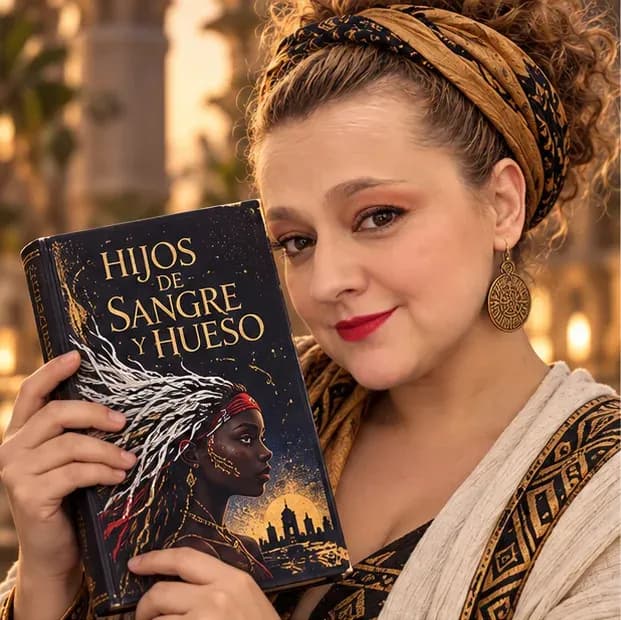
Tomi Adeyemi
Children of Blood and Bone
Children of Blood and Bone by Tomi Adeyemi: when magic returns, power refuses to hand it back quietly
This is an epic fantasy about magic taken away, political violence and a young woman deciding what to do with a power she barely understands. Zélie’s world has a strong identity, and the magic does not sit quietly in the corner while the palace makes decisions. Here is my spoiler-light review of Tomi Adeyemi’s first Legacy of Orïsha novel.
October 27, 2026

Scott Lynch
The Lies of Locke Lamora
The Lies of Locke Lamora by Scott Lynch: robbing the rich works until someone worse shows up
Crime fantasy, cons and a city where talent attracts trouble. Locke Lamora and the Gentlemen Bastards make their living by taking money from the rich—until a more dangerous player changes the rules. This is my spoiler-light review of Scott Lynch’s first Gentleman Bastards novel: a clever caper whose humor does not make its violence pretend.
October 27, 2026
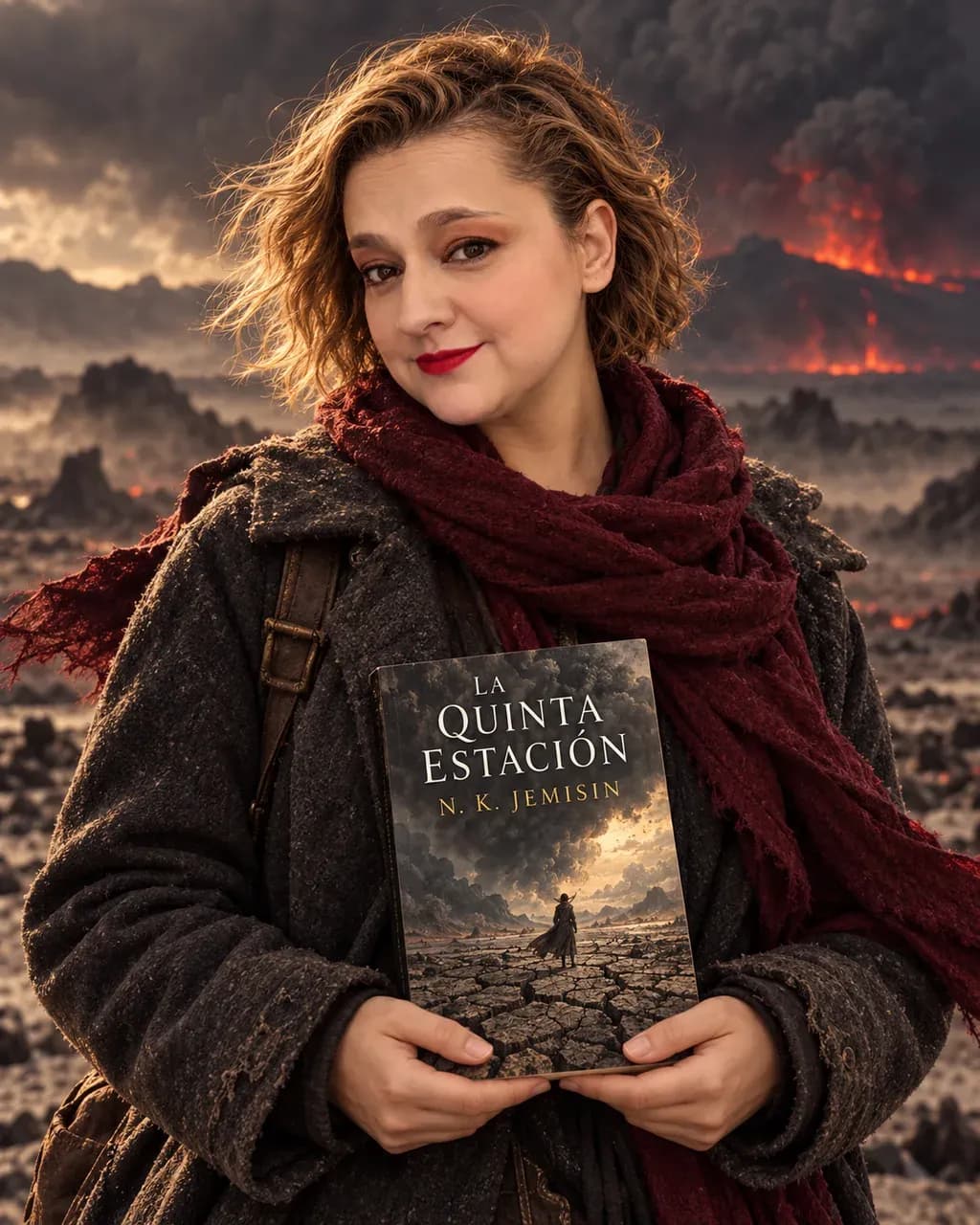
N. K. Jemisin
The Fifth Season
The Fifth Season by N. K. Jemisin: the world breaks again, and Essun has to find her daughter
In the Stillness, the end of the world has a calendar. Essun is looking for her daughter while the ground starts breaking again, and the society that survives these disasters is much better prepared for earthquakes than for treating people humanely. This is my spoiler-light review of N. K. Jemisin’s The Fifth Season, a book that makes catastrophe political before anyone has time to call it weather.
October 27, 2026
Want more like this? Join the Readers Club and get one of my books for free.
Share
My books
Books by Yenny Astrid Londoño



About the author
Yenny Astrid Londoño
Yenny Astrid Londoño is a Colombian author and entrepreneur, founder of Anchetas Medellín. She writes about real life with sarcasm, irony and smart humor, turning everyday situations, mistakes and imperfect relationships into stories that readers can laugh at and recognize themselves in.

A free book from me
Get a free book from me
Subscribe and get Sobreviviendo a mis muertos in full as a PDF.
After that, I'll only write when I have something worth telling you.
Also available: Read this review in Spanish →