
Book review
The Mothers:
Carmen Mola's The Mothers: Elena Blanco investigates a horror that also knows how to wear a white coat. My honest review, 4 out of 5.
By Yenny Astrid Londoño · October 9, 2026 · 12 min read
Share
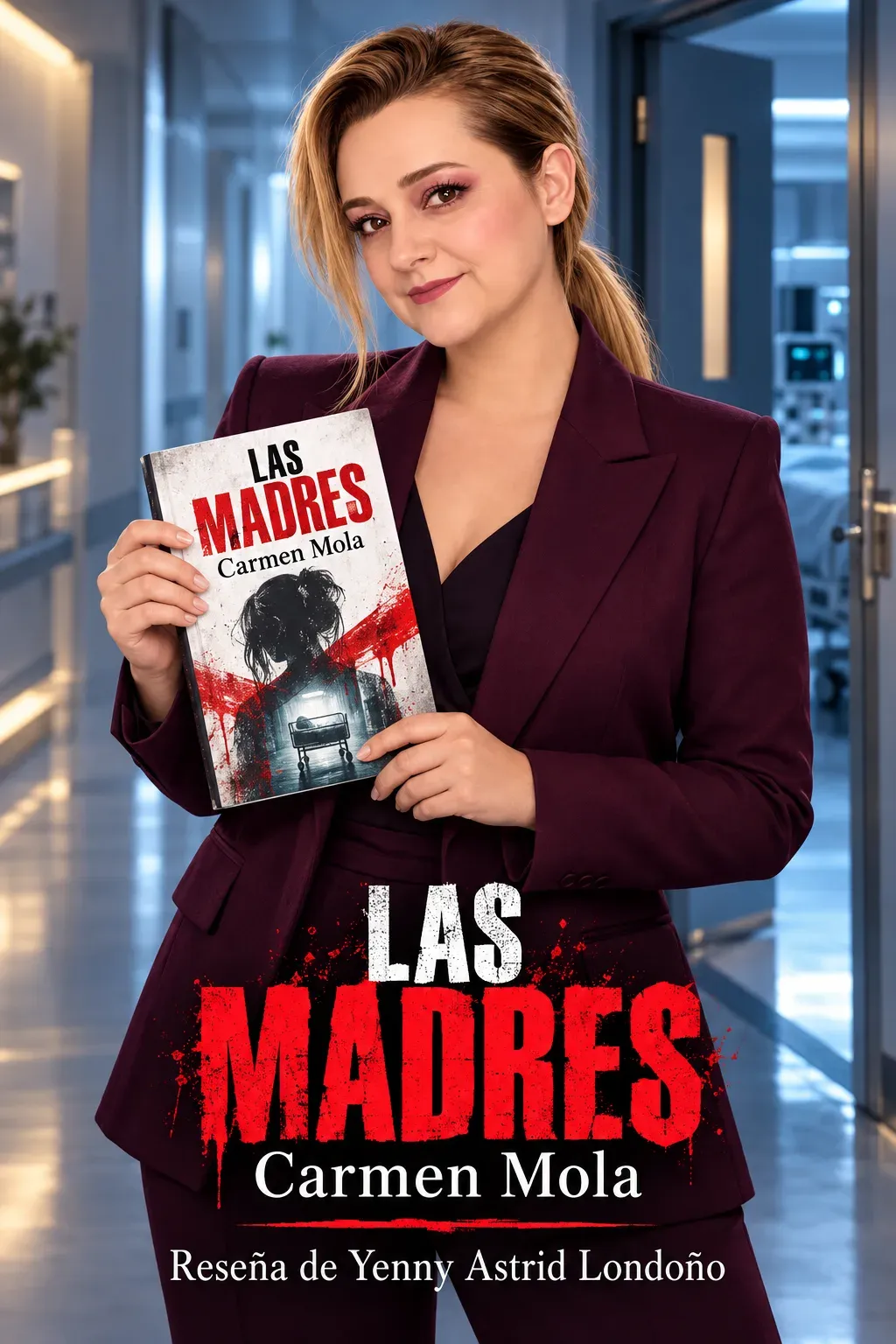
The Book
The Mothers
Noir fiction
by Carmen Mola
4 out of 5 stars
The exploitation plot and the continuity of the BAC give strong interest, but my rating depends on intensity not being mistaken for depth.
Elena Blanco and the BAC investigate a case that makes motherhood, exploitation, and the uses of violence impossible to discuss politely.
Las madres
Carmen Mola · Crime fiction and psychological thriller
Yenny’s rating: 4 out of 5 stars
Amazon affiliate link. As an Amazon Associate, I may earn from qualifying purchases.
What this review covers
Elena Blanco enters a case built around bodies
In The Mothers, the fourth novel featuring Elena Blanco, the body becomes the place where a criminal has left a message nobody wants to read. The investigation brings the BAC into a case tied to motherhood, exploitation, and people treated as material for somebody else’s purpose. Carmen Mola does not ease readers into the horror, and neither does the story.
I enjoy dark thrillers. I do not confuse darkness with a contest to see who can put the most unbearable image on the page. A brutal scene can make me angry and still leave me asking whether the book understands the harm it is showing or simply expects my shock to count as depth.
The question that interests me is who decides what happens to another person’s body, who profits, and what language they use to make that decision sound useful. The investigation works best when it keeps those choices visible instead of treating the crime as a theatrical effect.
Elena's personal history matters because an investigator is not a clean instrument who leaves every case untouched at the end of a shift. The BAC team carries its own strain into this investigation, making their decisions feel lived-in. It can also make the series heavy going if you expect every book to introduce a fresh team with no emotional receipts.
The title cannot sort women into good and bad mothers
The word mother arrives with expectations nobody bothered to negotiate: sacrifice, endless patience, self-erasure, the ability to keep going while everyone else takes a nap. Then a woman needs rest and people act as if she violated a contract she never signed. The title opens a complicated subject; it should not be reduced to a sentimental one.
Motherhood can mean an experience, a relationship, an imposition, a desire, or a business. Those meanings do not belong to the same person and cannot be swapped without consequence. A story about exploitation has to ask who is being used and who gets to name the arrangement.
I want the victims to remain people beyond what was done to them. If a woman exists only to prove that a criminal is monstrous, the novel has made her useful in another way. The crime is already terrible. The story still owes the people it depicts more than a body and a reaction shot.
The word 'mother' can make people reach for a ready-made moral ranking: devoted, selfish, natural, monstrous. The novel pushes against the fantasy that biology or a label tells us what somebody is worth. That question matters when the plot treats bodies as resources and asks who gets to make decisions over them.

The BAC brings its own history to the investigation
Elena Blanco and the Brigade of Case Analysis have a history. The Mothers follows La novia gitana, La red púrpura, and La nena, so readers arriving here may already know the team and the personal costs attached to previous cases. That background changes the investigation: these detectives do not walk into each case untouched.
A series can deepen a detective by allowing earlier events to matter. It can also make a new novel carry the weight of several books before the present one gets room to breathe. I like following Elena’s work, but a reader should know this is not the cleanest entry point if they want the whole arc without context.
The team’s history is not decorative lore. It affects trust, vulnerability, and the way people react to another brutal assignment. I appreciate that the book lets the investigators have lives that are not reset between crimes, even when that continuity can make the series feel demanding.
That continuity is also a reason to read in order rather than treating every installment as a sealed box. A new case may have its own investigation, but the team’s previous decisions remain part of the present. The series asks readers to remember that investigators are people with limits, loyalties, and histories, not convenient machines that reset when a new victim appears.
The coldest horror is the kind that calls itself practical
The case becomes more disturbing when exploitation is presented as a method or a service, something people can administer and justify. Organized harm rarely introduces itself with a villain’s laugh. It uses forms, euphemisms, and a story about necessity. That is a different chill from a shocking crime scene.
The novel asks readers to look at the system around the violence. Who participates? Who has access? What happens when someone’s body becomes a resource? I find those questions more difficult than the puzzle of how one person commits a crime, because they make the harm feel less like an isolated eruption and more like a chain of choices.
A thriller does not have to deliver a policy paper. It does have to understand the people it places inside its argument. The Mothers is most compelling when the investigation gives those people weight and lets the language of utility sound as ugly as the actions it describes.
Calling something practical does not make it ethical. The most disturbing idea here is how exploitation can sound administrative, as if a clean process and useful outcome could wash away the person being used. That language is colder than a villain twirling a mustache because it resembles the excuses people make when they want harm to look efficient.
Violence needs to produce more than the next jolt
A brutal scene can make a reader flinch; that is an effect, not yet a reason. The book is strongest when the violence exposes a system of exploitation and forces us to consider who is treated as usable. When shock becomes the only engine, the victims risk turning into evidence props for the investigators and fuel for the next twist.
That is where I set my limit as a reader. I can follow a dark story without asking it to be polite, but I need the cruelty to lead somewhere beyond 'look how horrible this is.' The novel raises questions about power and reproductive exploitation. It has to keep looking at the people caught in that machinery, not only at how efficiently the machinery horrifies us.
The book's subject gives it a real chance to connect brutality with power and exploitation. That connection is more demanding than simply making the reader recoil. When a narrative uses a body to shock us, I want it to ask what kind of system made that body available to someone else and what happens to the person after the clue has served its purpose.
What I did not like about The Mothers
The graphic violence will be too much for some readers. It is not a little warning in the margins; the novel is deliberately harsh. I prefer dark fiction when each difficult scene opens a door to character, consequence, or an idea the plot cannot express another way. At points, the book risks asking the scene itself to do all the talking.
The pace also depends on repeated escalation. Each new revelation has to compete with the previous one, and that can flatten the emotional response. If everything is designed to be the most horrifying thing yet, the reader can end up numb instead of engaged. The victims need more space than the mechanics of the case sometimes allow.
That is why I stop short of a higher rating. The novel has a substantial subject and a capable investigative team, but it does not always balance the force of its imagery with the quieter work of keeping the people affected fully present.
The escalation sometimes feels as if it is competing with the theme for attention. A scene can be so graphic that it becomes the thing readers remember, even when the book is trying to discuss exploitation and reproductive control. I wanted a steadier balance between the force of the image and the lives behind it; the latter deserve more than a brief appearance before the next reveal.
What this installment adds after The Nena
The Mothers is the fourth Elena Blanco novel, after The Gypsy Bride, The Purple Net, and The Nena. The case has a new focus, but the BAC team and its relationships arrive with history. That continuity affects how the investigators work and how much emotional baggage they bring into another crime scene.
I would read the earlier books first, preferably in order. This one can explain enough to keep a new reader moving, but it cannot give back the experience of watching Elena and the team change across the series. If you jump in here, do not be surprised when the characters behave like people with a past instead of employees who reset at the start of every book.
Who this book works for—and who I would warn first
This is for readers who want a dark police thriller with a continuing team, reproductive exploitation at the center of its questions, and no expectation that the investigation will keep its hands clean. The book is willing to make readers uncomfortable, and for some people that is exactly the point.
I would warn readers with low tolerance for graphic violence, bodily harm, coercion, and reproductive trauma. Choosing another book is not failing a genre test. And none of the plot's inventions should be mistaken for documentary information about real medical practice; it is fiction that can prompt questions, not evidence about an entire profession or group of people.
The content warning is part of an honest recommendation, not a fence around who is allowed to read the book. Some readers actively seek difficult material; others do not want graphic bodily violence or reproductive trauma in their leisure reading. Both responses are reasonable. A thriller does not earn extra literary points because it made someone endure a scene they did not choose.
My verdict: the horror needs to know who it is about
The Mothers is a grim crime novel about Elena Blanco, the BAC, and an investigation that links bodies to exploitation and power. It belongs to a series with a strong ongoing character arc, and it asks readers to consider the difference between depicting violence and turning it into spectacle.
I give it 4 out of 5 stars. I recommend it to readers who already enjoy the Elena Blanco series and can handle explicit, disturbing material. I would start with La novia gitana if you want to meet the team at the beginning. If graphic violence is not something you want in your reading, nobody needs to prove their toughness to a book.
The crime can be shocking. The novel earns my attention when it asks what that shock reveals about who had power, who benefited, and whose life gets remembered afterward. Horror should not get to call itself meaningful just because it made the room uncomfortable.
The 4.1 reflects a novel with a serious subject and a compelling continuing team, held back by how easily graphic escalation can take over. I do not need dark fiction to behave itself. I do need it to remember that a victim is a person before becoming a clue, an image, or proof that detectives have found another layer of the case.
Frequently asked questions
Yes. It follows The Gypsy Bride, The Purple Net, and The Nena. The investigation has a new focus, but the team and its relationships continue.
Yes, preferably after the first two books and in series order. That way you can follow Elena and the BAC’s development without learning earlier consequences out of sequence.
No. I identify the kind of content and discuss its function without reproducing the physical acts or explaining the full criminal method.
It would not be my first recommendation. Bodily violence, exploitation, and reproductive themes carry significant weight. Choosing another book does not mean you understand the genre any less.
No. This is crime fiction, not documentary research. The questions it raises do not make its invented atrocities a general description of real medical practice or real people.
The name is the collective pseudonym of Jorge Díaz, Agustín Martínez, and Antonio Mercero. This review focuses on their Elena Blanco series novel.
For the exploitation conflict and the continuing team. I have reservations about the escalation of violence and how much space the victims get beyond supporting the case.
For the Spanish edition, check the publisher’s book page. The editions and translations may differ by market.
Las madres
Carmen Mola
Read the original Spanish review: Las madres
About the author
I’m Yenny Astrid Londoño, a Colombian author and the founder of Anchetas Medellín. I write with sarcasm, irony, and humor about everyday life, without dressing it up.
The story behind the stories
From behind the pages
Stories, reviews, uncomfortable truths, and the occasional direct hit of sarcasm in your inbox. No spam and no calendar quotes.
Keep reading
© Yenny Astrid Londoño
Frequently asked questions
Is The Mothers the fourth Elena Blanco book?
Yes. It follows La novia gitana, La red púrpura and La nena. The investigation has a new axis, but the team and their ties continue.
Should I read La nena first?
Yes, and preferably the first three in order. That way you keep Elena's and the BAC's development and avoid learning consequences from earlier books through this one.
Does the review describe the most violent scenes?
No. It identifies the type of content and analyzes its function without reproducing the physical interventions or explaining the full criminal mechanism.
Is it an appropriate thriller if I tolerate little graphic violence?
It would not be my first recommendation. Bodily violence, exploitation and reproductive themes weigh heavily. Choosing another book does not mean understanding the genre less.
Can the plot be used as information about real medical practices?
No. It is criminal fiction, not documentary research. The questions it raises do not allow its atrocities to be treated as a general description of real practices or people.
Who writes under the name Carmen Mola?
Jorge Díaz, Agustín Martínez and Antonio Mercero. The pseudonym is collective; this review focuses on its novel in the Elena Blanco series.
Why do I give it 4 out of 5?
For the exploitation conflict and the continuity of the team. The reservations are in the escalation of violence and in how much space is given to the victims beyond sustaining the case.
The Book
The Mothers
by Carmen Mola
Get the bookIf you buy through this link, Yenny earns a small commission and you pay the same price.
Keep reading
If you liked it, keep going
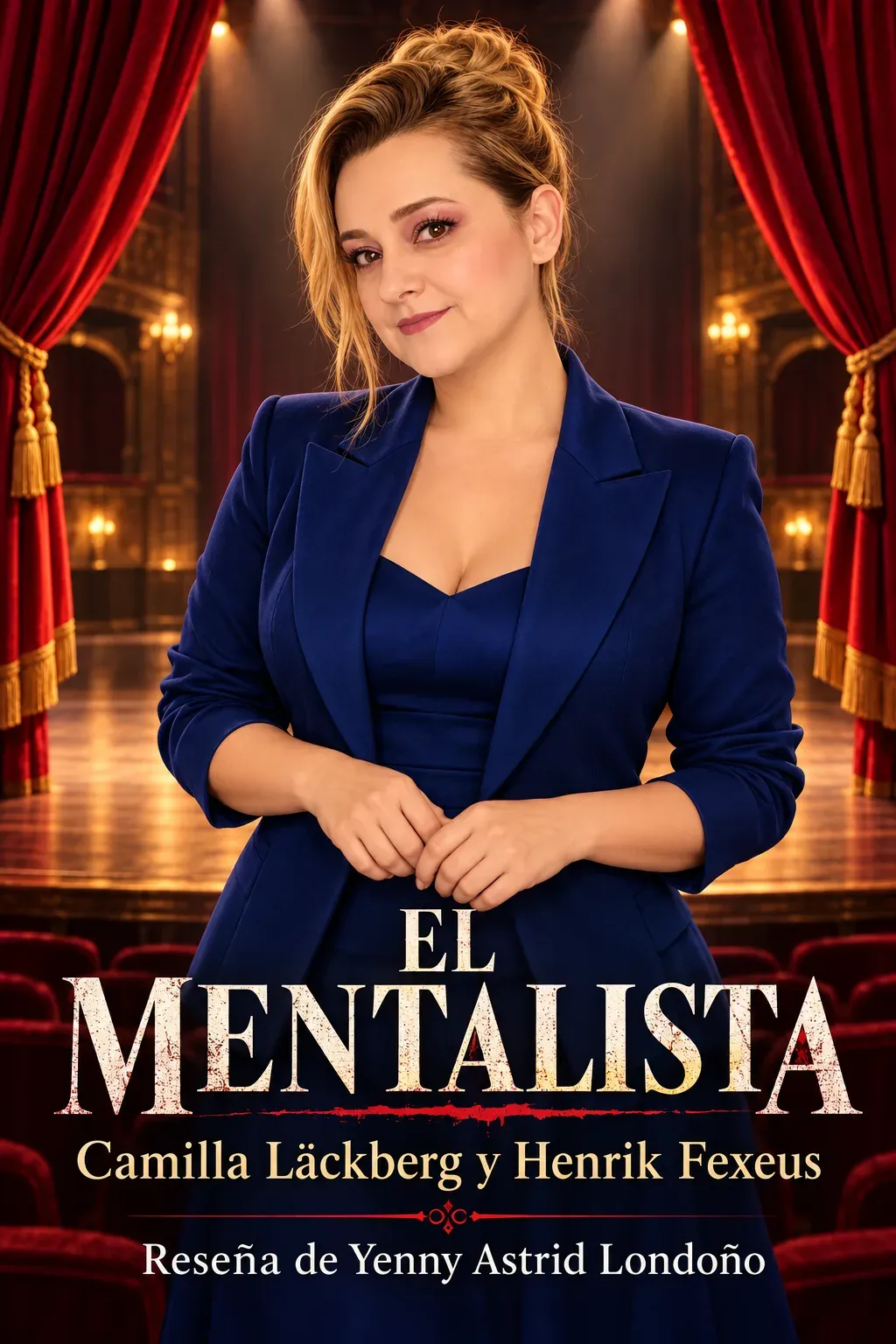
Camilla Läckberg and Henrik Fexeus
The Mentalist
The Mentalist: the trick is not the only thing under suspicion
Camilla Läckberg and Henrik Fexeus's The Mentalist: Inspector Mina Dabiri and mentalist Vincent Walder against a staged murder. Review, 4/5.
October 9, 2026
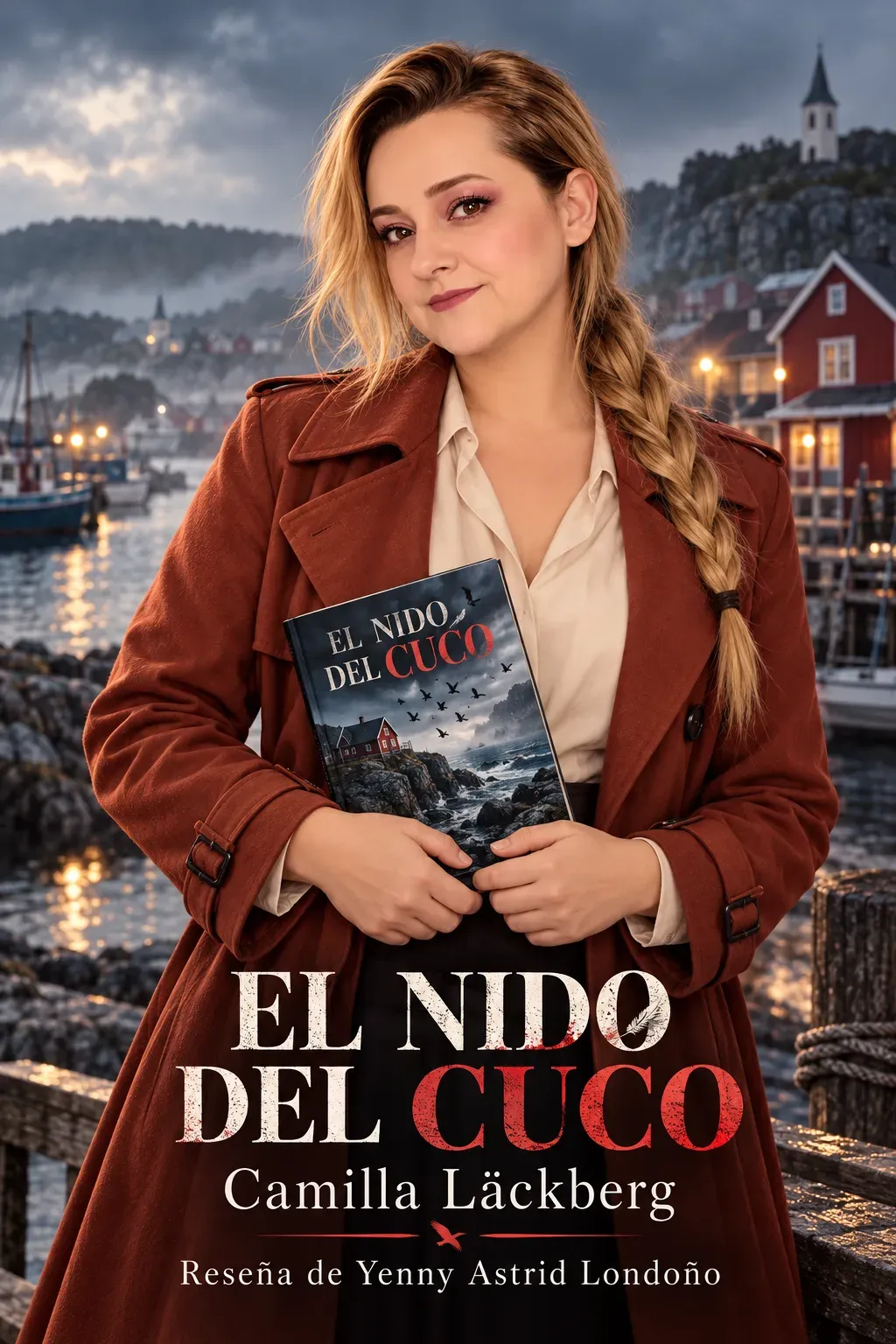
Camilla Läckberg
The Cuckoo
The Cuckoo: Fjällbacka remembers what it prefers to forget
Camilla Läckberg's The Cuckoo: a present-day investigation in Fjällbacka and an old crime that keeps coming back. My honest review, 4 out of 5.
October 9, 2026
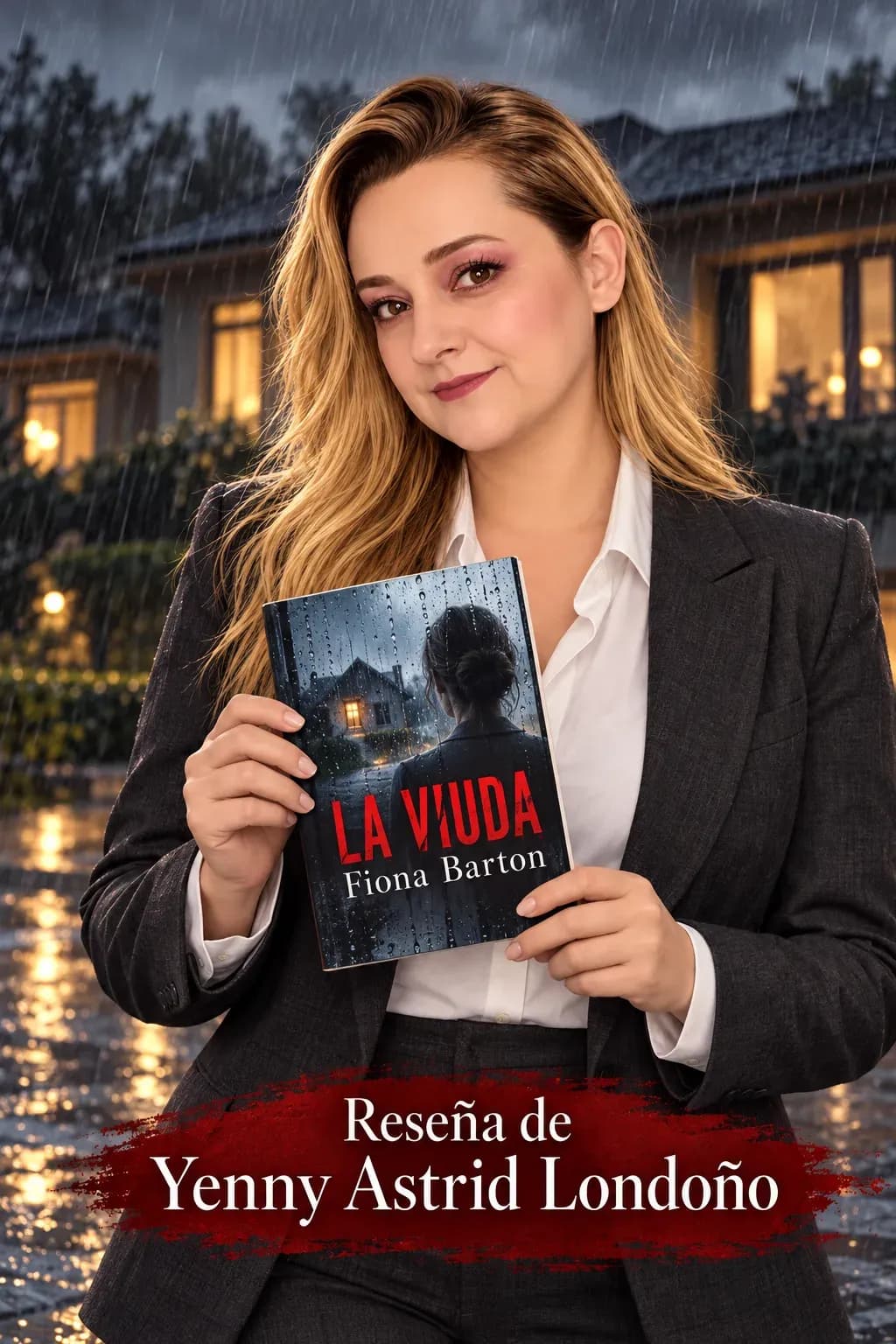
Fiona Barton
The Widow
The Widow: “I didn’t know” is not a complete answer
Fiona Barton's The Widow: Jean Taylor, a journalist and the truth about a husband's crime. My honest review, 3.5 out of 5.
October 9, 2026
Want more like this? Join the Readers Club and get one of my books for free.
Share
My books
Books by Yenny Astrid Londoño


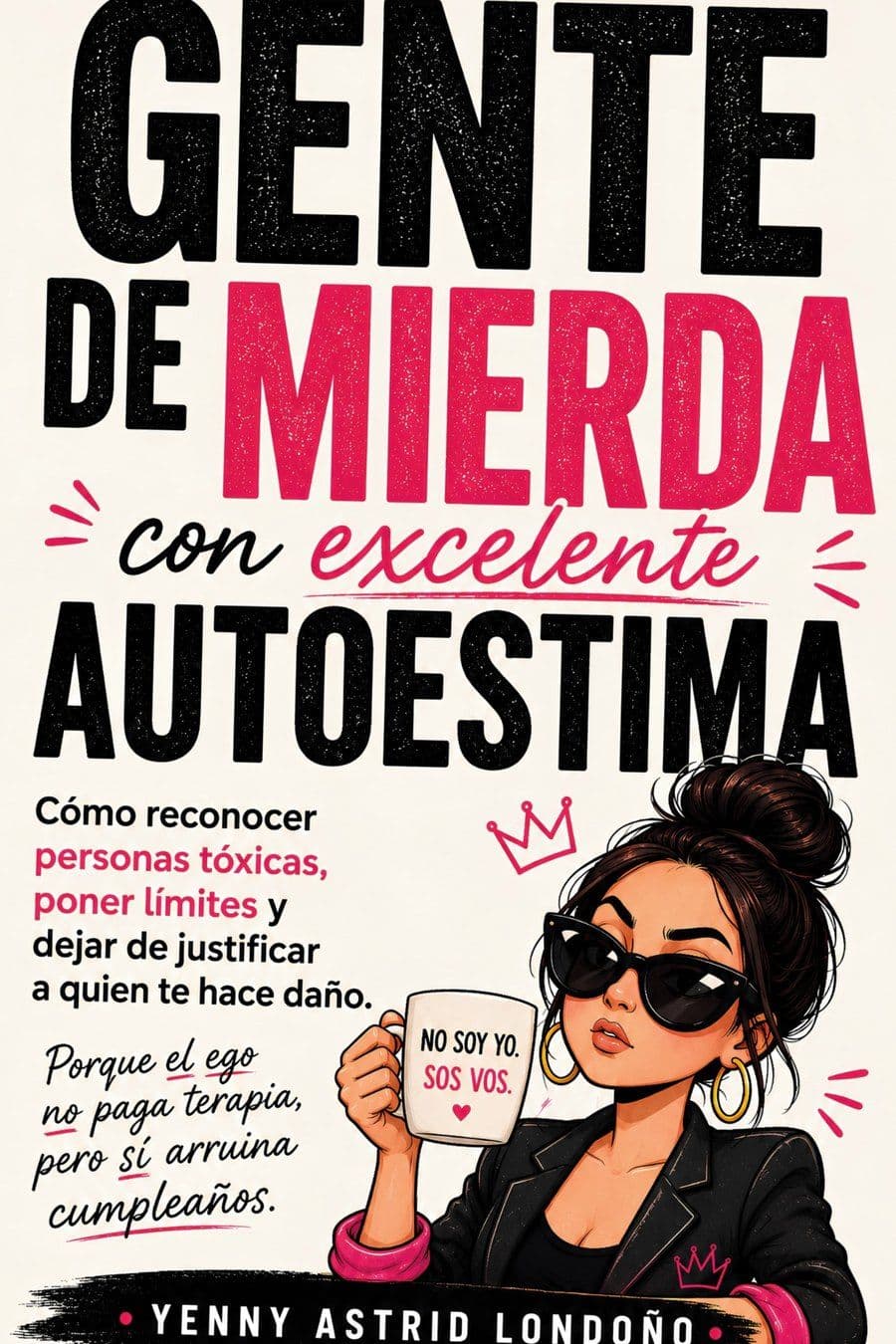
About the author
Yenny Astrid Londoño
Yenny Astrid Londoño is a Colombian author and entrepreneur, founder of Anchetas Medellín. She writes about real life with sarcasm, irony and smart humor, turning everyday situations, mistakes and imperfect relationships into stories that readers can laugh at and recognize themselves in.

A free book from me
Get a free book from me
Subscribe and get Sobreviviendo a mis muertos in full as a PDF.
After that, I'll only write when I have something worth telling you.
Also available: Read this review in Spanish →