
Book review
The Purple Network by Carmen Mola:
Elena walks into a teenager’s bedroom while following a lead on a criminal network. What she finds brings the case close to Lucas, the son she lost years ago. Some days, being a police officer and being a mother feel like two different ways to break yourself.
By Yenny Astrid Londoño · October 23, 2026 · 8 min read
Share

The Book
The Purple Network
by Carmen Mola
4 out of 5 stars
The connection between the BAC investigation and the search for Lucas has real force, and the horror-spectator economy gives a lot to think about.
A teenager’s bedroom is a terrible place to find a crime scene
Elena Blanco and her team enter an ordinary middle-class home and reach the teenage son’s bedroom. I like how unsettling that image is: a familiar house, a room that could belong to any kid in any apartment building, and a screen connecting it to violence that does not live in some separate, imaginary world. Horror does not always need a movie basement. Sometimes it has Wi-Fi and a teenager asking his mother to knock first.
The Case Analysis Brigade is investigating an organization known as the Purple Network. Elena suspects it may be linked to Lucas, her son, who disappeared years ago. She has not told everything to Zárate, her partner. That is enough to make the problem clear: while she is looking for evidence in a criminal case, she is also chasing an answer she has needed for years as a mother.
Lucas is the absence around which a life keeps moving
When a child disappears, the mother’s story does not freeze on the day of the kidnapping. She keeps working, gets older, gets angry at the wrong people, pours coffee and finds out the cup has brought no news. Elena has made the search part of the way she lives. That gives her determination, but it can also damage everything that is not the next clue.
I do not want Lucas reduced to the photograph of a missing child. “Where is he?” is a brutal question. “Who is he now?” may be worse. Years pass even when a family would rather stop the clock. Finding someone does not guarantee getting back the person you remember. That discomfort has more weight than any scream in a dark room.
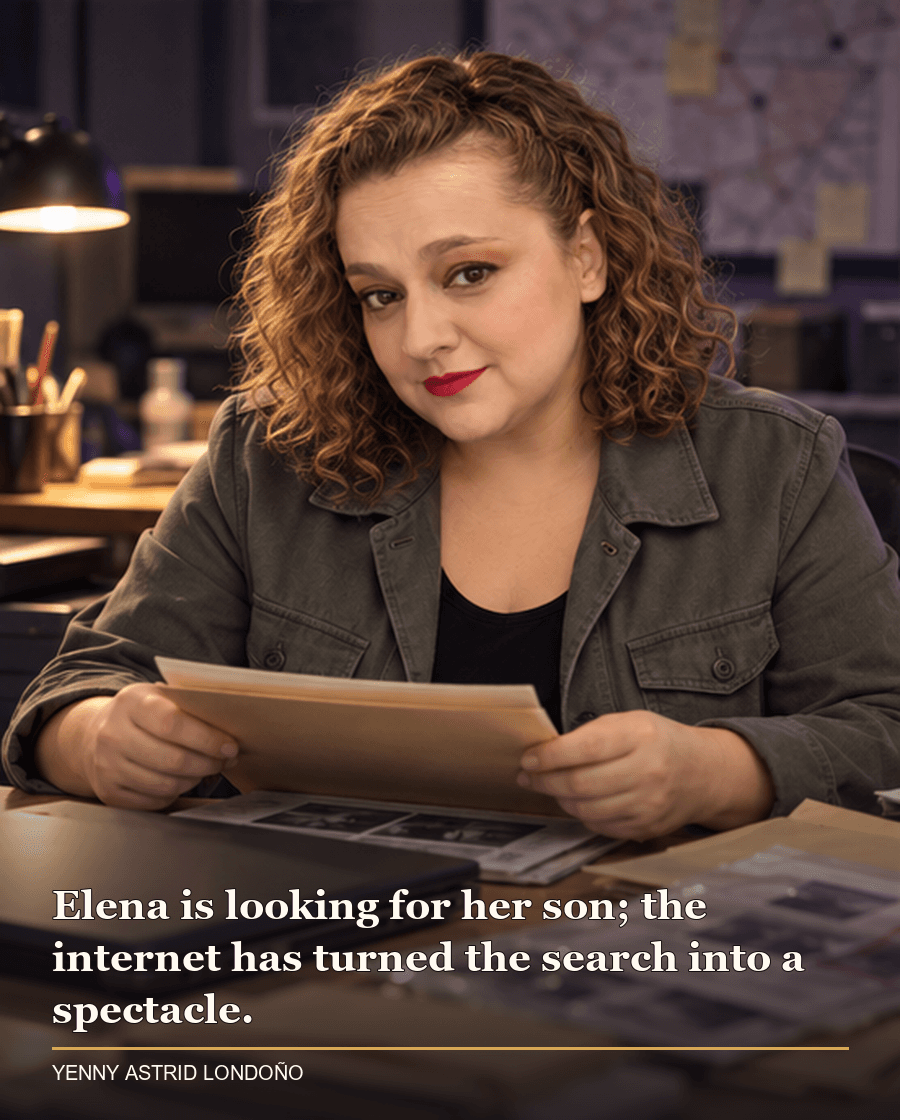
A police badge does not cancel out being a mother
Elena has professional duties and a private need to know. It is easy to demand “objectivity” from a table where nobody has had a child taken away. It would also be irresponsible to pretend that pain gives her permission to ignore every rule. That is the interesting tension: how close can she get to the truth without turning the investigation into an extension of her desperation?
Elena hides from Zárate the possibility that the Purple Network could lead to Lucas. That is no small omission between partners; it changes what each of them thinks the case is and what risks they believe they are taking. A mother’s urgency does not make the silence harmless. I like that the novel lets their trust take a hit instead of handing Elena an automatic pass because she is suffering.
The internet did not invent cruelty. It gave it a storefront
The Purple Network trades in violent images through hidden corners of the internet. The most disturbing part is not the technology. It is the people willing to make, buy or watch those images. We talk about the “dark web” as if a different species lives there. No. It is human beings with screens, money and a chilling talent for pretending that what they are watching is not happening to someone real.
That is why it irritates me when a novel treats digital violence as trendy decoration. Saying “dark web” and turning on purple lights is not enough. There are victims, middlemen, viewers and silences. Every click can be part of an economy. If the case wants to unsettle me, show me the power behind the file, not just the most grotesque file you could find.
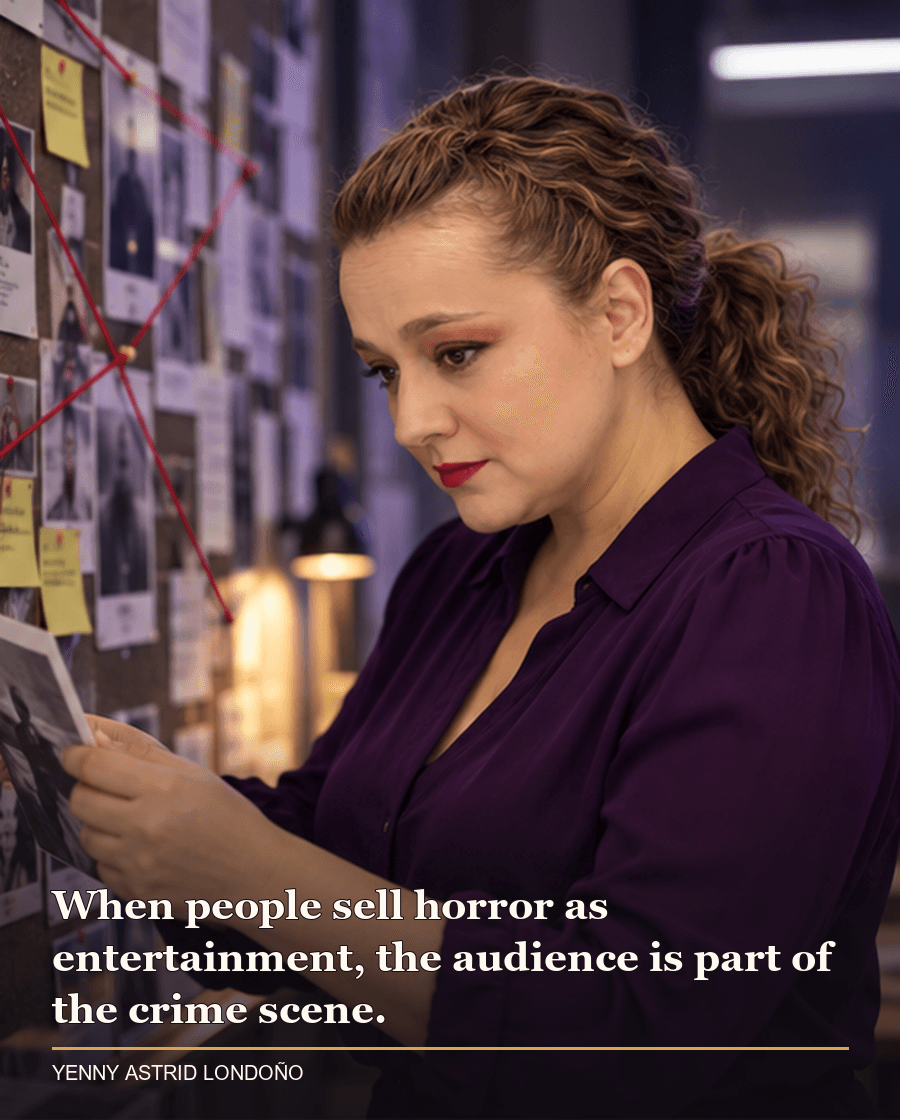
Zárate is investigating beside a woman who is not telling him everything
Elena even hides her suspicion about Lucas from her partner. That changes the trust between them. A team can work through a disagreement; it is harder to work through a secret that changes the meaning of every decision. Zárate may believe they are following a criminal lead while Elena is also pursuing a personal answer.
I am not putting her on trial so everyone else can walk free. I am pointing out that badly understood loyalty can wreck families and police teams alike. One person keeps quiet “so you won’t worry.” Another keeps quiet “until there is proof.” When the secret finally breaks, both have spent months asking for trust while treating information as private property. That is domestic-thriller behavior with a badge.
The case cannot turn every teenager into a suspect
The search in a teenager’s room raises an uncomfortable question: how much do adults know about their children’s digital lives? The easy answer is “nothing,” followed by a sprint toward monitoring everything. Great for selling surveillance apps; terrible for building trust.
Teenagers can be victims, witnesses, accomplices or people unlucky enough to be standing nearby. An investigation has to tell the difference. I do not need a story using technology to suggest every kid is hiding a monster under the bed. Some are hiding conversations, shame, desire or fear. Same as adults, only with less privacy that anyone is willing to recognize.
The series should not ask me to admire every atrocity
After The Gypsy Bride, Carmen Mola knows readers expect darkness. That expectation comes with a price: every new book can start acting as if it has to outdo the last one in shock value. Elena already has plenty of reason to enter this case. Lucas, the Purple Network and the BAC can sustain the pressure without turning every scene into a cruelty contest.
I can read hard crime fiction. What I dislike is noticing that a victim appears only to raise the chapter’s temperature. Violence can reveal something about power, indifference or fear. If it exists only so I can say “that was awful,” the novel is charging me with someone else’s suffering for an effect it could have built more carefully.
A personal search can sharpen your sight and distort it
Elena has spent years trying to find Lucas. That makes her notice signals other people might miss. It can also make her see Lucas where there is not yet evidence of Lucas. I care about characters who live inside that ambiguity: neither perfect machines nor mothers reduced to pure emotion.
There is a sentence people say with good intentions that drives me up the wall: “A mother always knows.” I wish. Sometimes a mother suspects, hopes, fears and needs someone to check. That does not make her less of a mother. It makes her human. If Elena gets a step wrong, what matters is what she does next and whom she asks for help—not whether the story rewards her for suffering enough.
Lucas’s disappearance changes the weight of every decision Elena makes
The Purple Network is not separate from the inspector’s past. The possible connection to her son and her silence with Zárate affect the investigation in the present. The plot also places digital violence inside an economy of producers, buyers and spectators. Those two lines of pressure make the case personal without making the professional questions disappear.
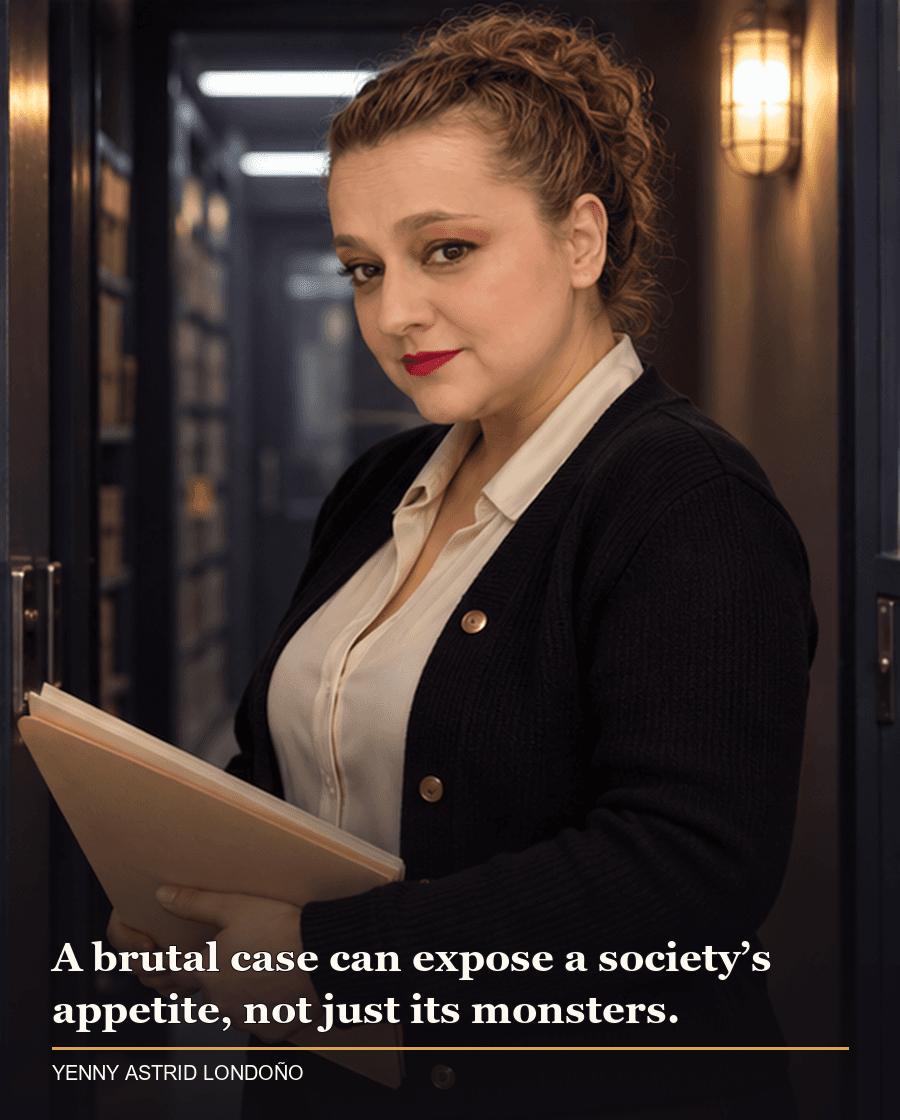
The viewer cannot pretend they have nothing to do with the business
A network selling violent images exists because buyers and curious viewers are willing to look. That is the part we least want to admit. It is comfortable to picture a distant monster operating in a strange corner of the internet. Less comfortable is asking why so many people share a cruel video “to expose it” without thinking that every view puts the victim on display again. The police are chasing an organization; the reader can also check their own reflection on the screen. That discomfort matters more than a technical explanation full of software names.
The horror also has customers, administrators and a customer-service department from hell.
What I did not like
The case includes violent images involving minors, and those references can become relentless. I do not need every new clue to raise the brutality level before I understand what the Purple Network sells. This is also a direct continuation: starting without knowing Lucas’s disappearance and Elena’s earlier journey takes weight away from her decisions and her trust with Zárate.
Who is this book for?
For readers who have already read The Gypsy Bride and want to follow Elena Blanco into a dark case involving organized crime, digital violence and a family search. If you prefer crime fiction without explicit violence or harm to minors, this may not be the book for you. No star rating obliges you to cross a line you do not want to cross today.
Looking for Lucas changes the investigation
I recommend reading this after The Gypsy Bride. Elena does not walk into the Purple Network as an investigator without a past: the possible link to Lucas works its way into every decision. That makes this continuation more personal and much harder to read.
My rating
4 out of 5 stars. The connection between the BAC investigation and Elena’s search for Lucas has real force, and the economy of people consuming horror gives you a lot to think about. I take off a star for the tendency to turn every blow into a spectacle. One image can be enough to show a monstrosity; the tenth starts to look like marketing.
Frequently asked questions
Is The Purple Network the second Elena Blanco novel?
Yes. It follows The Gypsy Bride in the Inspector Elena Blanco series.
Should I read The Gypsy Bride first?
I recommend it. The new case can be followed on its own, but Elena and Lucas’s story carries more weight in order.
What is the Purple Network?
In the novel, it is a criminal organization connected to the trade in violent images online.
Who is Lucas?
He is Elena Blanco’s son, who disappeared when he was a child. The possibility of a connection between his case and the Purple Network runs through this book.
Who is Zárate?
He is Elena’s partner and a sub-inspector in the Case Analysis Brigade.
Is this a disturbing novel?
Yes. It includes graphic violence and references to harm against minors. If those subjects are difficult for you, consider checking a sample before reading.
Does The Purple Network come after The Gypsy Bride?
Yes. It is the second Elena Blanco novel and continues personal threads from the previous book, especially Lucas’s disappearance.
The Book
The Purple Network
by Carmen Mola
Get the bookIf you buy through this link, Yenny earns a small commission and you pay the same price.
Keep reading
If you liked it, keep going
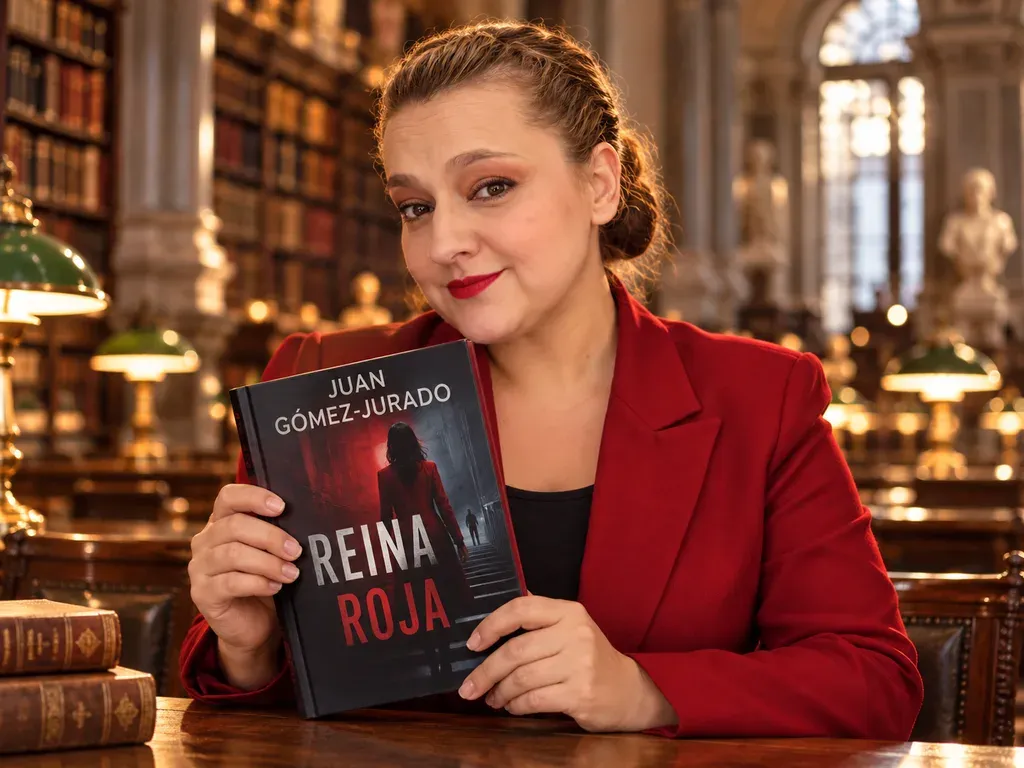
Juan Gómez-Jurado
Red Queen
Red Queen by Juan Gómez-Jurado: Antonia Scott sees everything except a reason to leave her apartment
Antonia Scott has no badge, no official job and an intelligence powerful enough to make a room uncomfortable. Jon Gutiérrez arrives at the wrong door and gets pulled into a case involving wealth, power and people who believe money can buy silence. It can buy quite a lot. It cannot always buy good judgment.
October 26, 2026
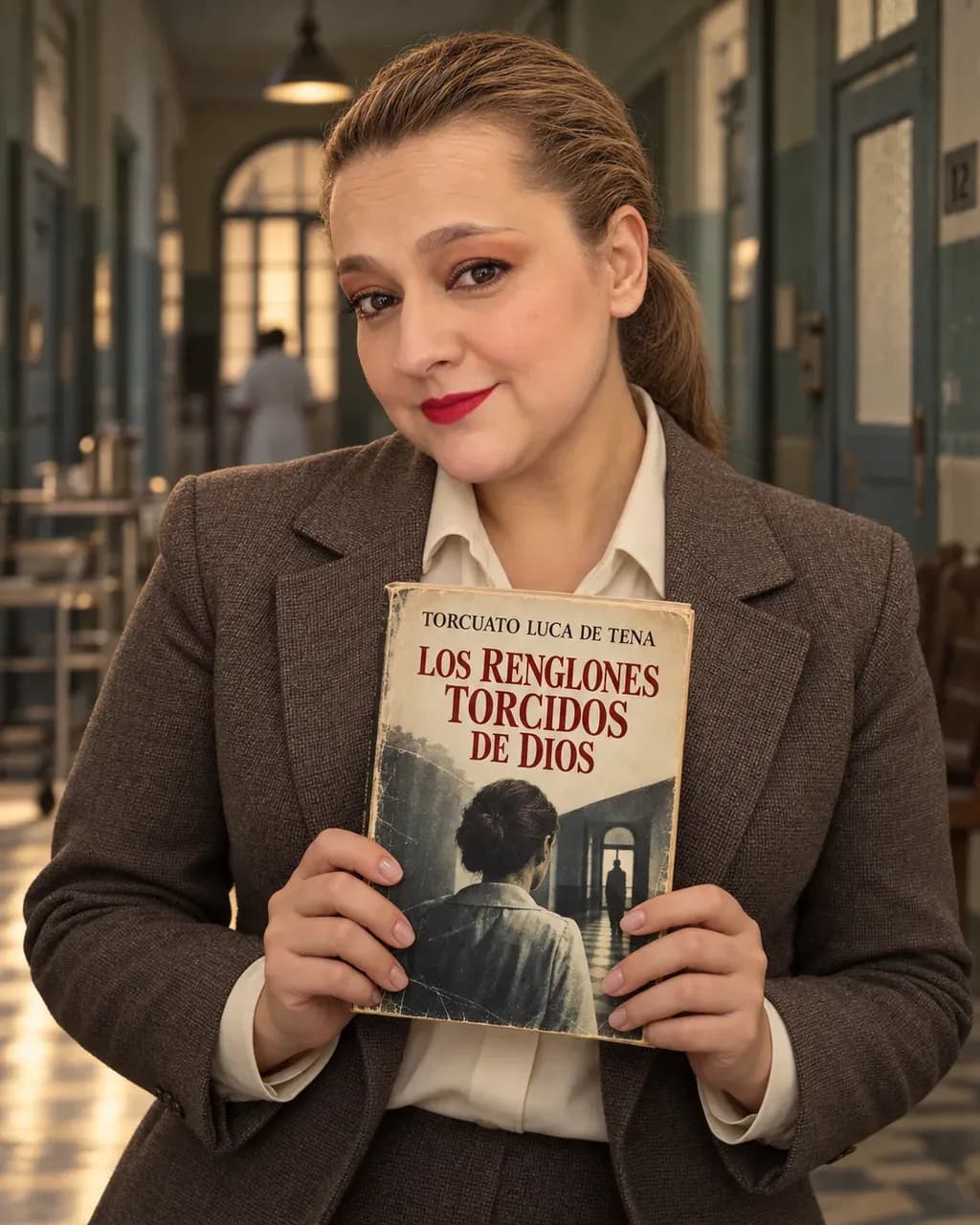
Torcuato Luca de Tena
God's Crooked Lines
God's Crooked Lines by Torcuato Luca de Tena: who gets to decide who is sane?
Alice Gould enters a psychiatric institution with a story of her own. The hospital has another version. That is where the novel starts asking a question institutions would rather keep in their paperwork: who gets to name someone sane, and what happens when the person holding the file is wrong?
October 26, 2026
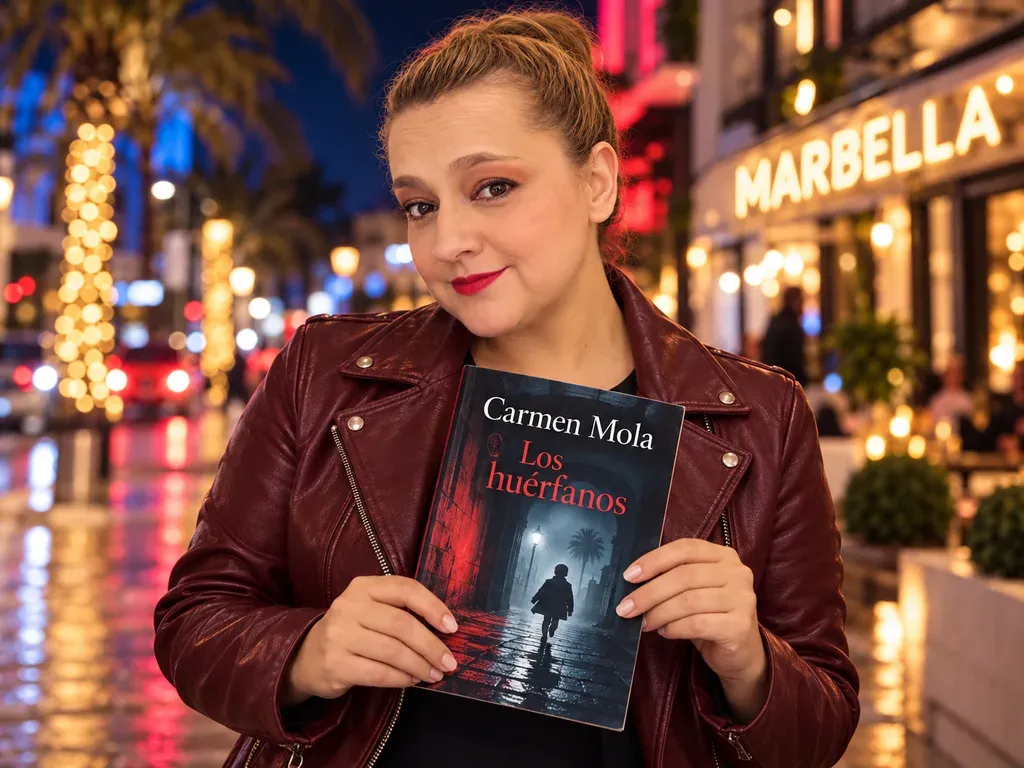
Carmen Mola
The Orphans
The Orphans by Carmen Mola: abandoned children grow into crime bosses. What a hell of a career path
Three children meet in Belfast, build a family out of survival and grow into adults who have learned how to make money from crime. Years later, a case pulls Laura Pastor and her family into a world where loyalty is real, but so are the bullets. The title sounds sad; the career path is considerably worse.
October 25, 2026
Want more like this? Join the Readers Club and get one of my books for free.
Share
My books
Books by Yenny Astrid Londoño



About the author
Yenny Astrid Londoño
Yenny Astrid Londoño is a Colombian author and entrepreneur, founder of Anchetas Medellín. She writes about real life with sarcasm, irony and smart humor, turning everyday situations, mistakes and imperfect relationships into stories that readers can laugh at and recognize themselves in.

A free book from me
Get a free book from me
Subscribe and get Sobreviviendo a mis muertos in full as a PDF.
After that, I'll only write when I have something worth telling you.
Also available: Read this review in Spanish →