
Book review
Gone Girl:
On their anniversary, Amy disappears and the evidence points toward her husband, Nick. The diary sounds convincing, Nick sounds guilty, and both of them have already been rehearsing the versions they want us to believe.
By Yenny Astrid Londoño · October 7, 2026 · 8 min read
Share
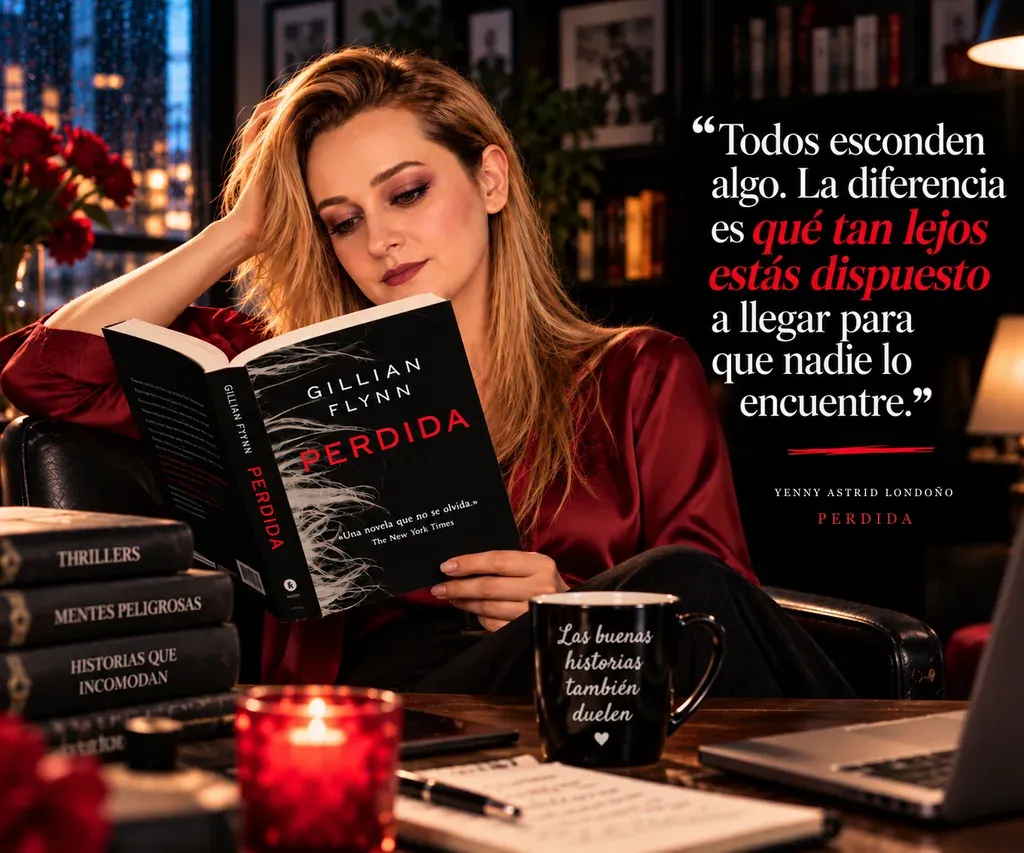
The Book
Gone Girl
Psychological thriller
by Gillian Flynn
5 out of 5 stars
Who the hell was that person each of them believed they had married?
On their fifth wedding anniversary, Amy Dunne disappears from the house she shares with Nick. There are signs of a struggle, a diary that describes a frightened wife, and a husband whose public behavior gives the investigation plenty to examine. Nick has lied and cheated. Amy’s account appears to lead toward one terrible conclusion. Gillian Flynn gives each spouse a voice and asks the reader to decide which story to trust.
That choice is the book’s real trap. Gone Girl is not simply a mystery about where Amy went. It is a novel about how two people use the stories they tell—privately, publicly, and to themselves—to control what others believe. Nick is not a good husband. Amy is not a harmless victim. The marriage can be rotten and the accusation can still be false. Flynn refuses to make one person’s wrongdoing clean up the other’s.
Nick is not a convincing husband, which does not prove he is a murderer
Nick’s affair and dishonesty give the police and the public reason to question him. He has been unfaithful, and he is not always honest about what happened in the marriage. His awkward responses to the investigation make him look worse. The story lets us watch him try to manage what people think while his own choices keep giving them new reasons to distrust him.
But suspicion and proof are different things. Nick can be a selfish husband and still be innocent of Amy’s murder. That sounds obvious until the evidence has been arranged to make one person look guilty. The book’s first half is good at showing how quickly a familiar story takes over: the wife disappears, the husband cheated, the neighborhood wants an explanation, and suddenly every facial expression becomes evidence.
Amy’s diary writes the story she wants discovered
Amy’s diary presents her as afraid and increasingly unsafe in her marriage. It gives the reader an intimate record that seems to confirm the growing suspicion around Nick. The entries are persuasive because they combine real fractures with a shaped narrative. Nick did betray her. The marriage was already damaged. Amy’s diary does not need to invent every detail; it needs to arrange the details so the audience reaches the conclusion she wants.
That is more disturbing than a simple lie. A lie can be corrected by a fact. A story built from real facts is harder to dismantle because each new piece gets interpreted through the frame already in place. Nick’s silence looks guilty; his defense looks rehearsed; his anger confirms the suspicion. Amy understands that the public does not need certainty if it has a story that feels satisfying.
“The marriage was broken. The murder story was manufactured. Both facts can fit in the same room.” — Yenny Astrid Londoño
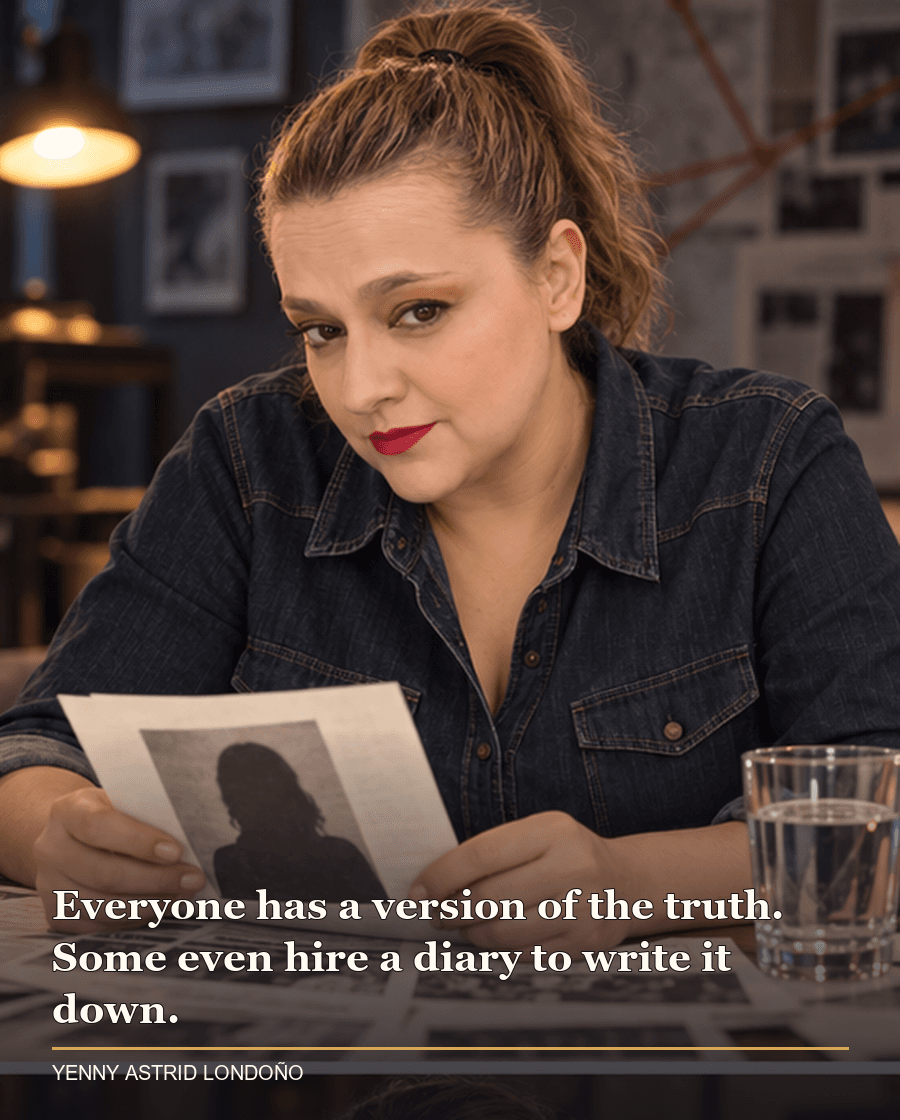
Amy is alive, and the mystery changes direction
Amy planned her disappearance after discovering Nick’s affair with Andie. She stages the scene, constructs the diary, and sets up the evidence that makes him look responsible. She does not simply vanish; she directs the investigation from a distance and watches the public react to the version of herself she has created.
The reveal works because it changes what we have already read. We have not only guessed the wrong future; we have been reading Amy’s performance as a private confession. The book asks us to go back through earlier details and notice how carefully they were selected. Amy is not powerful because every part of her story is invented. She is powerful because she can take something true and tell it in the most useful order.
The “Cool Girl” speech is sharp, but it is not a pardon
Amy’s reflections on the “Cool Girl” describe the woman many men say they want: effortlessly attractive, sexually available, relaxed about everything, never demanding, and enthusiastic about whatever the man enjoys. She understands the pressure to perform that person and how exhausting it is to maintain a self designed for someone else’s approval.
That observation is incisive. It does not excuse Amy’s actions. A character can correctly identify a social expectation and still do monstrous things. The novel is stronger because it does not require Amy to be wrong about everything before we are allowed to judge what she does. Nick’s affair and the broken marriage are real. Faking a death to frame him remains an act of extraordinary cruelty. One truth does not sanitize the other.
Nick does not become a good man when Amy becomes worse
Once we learn Amy is alive, it is tempting to flip the moral labels: she is the villain, Nick is the victim, and we can stop thinking. But Nick cheated, lied, and helped destroy the marriage long before Amy began her plan. None of that makes him guilty of the crime she is framing him for. It does mean he is not suddenly a model husband because someone else behaved more dangerously.
Flynn’s refusal to distribute clean certificates of virtue is one of the novel’s best choices. Nick can be innocent of murder and responsible for harm. Amy can be perceptive about gender and still be dangerous. They can both be right about parts of the marriage and deeply damaging in others. Very inconsiderate of the book to make us hold more than one thought at once.
“You can be right about a bad husband and still be a monster about what you do next.” — Yenny Astrid Londoño
The public becomes part of Amy’s plan
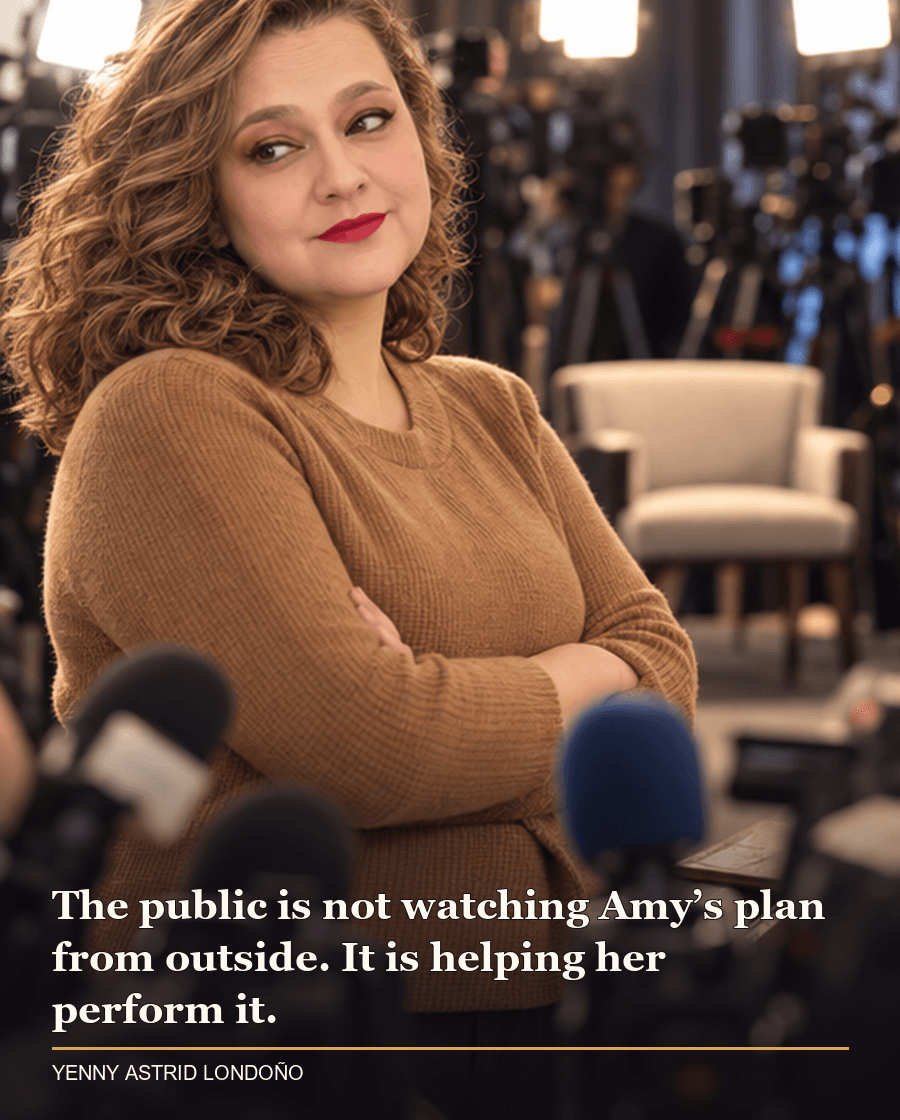
Amy does not manipulate only Nick. She understands the audience. The investigation, the press, the neighbors, and the people watching at home all bring their own expectations about what a missing wife should look like and how a guilty husband should behave. Amy builds her story for those expectations, while Nick tries to perform innocence in front of people who have already chosen a version of him.
That public theater makes the novel feel larger than one marriage. A person can lose control of their story once the audience decides what the evidence means. Television turns pain into a panel discussion; strangers decide which emotion looks authentic. Nick’s performance is clumsy, Amy’s is planned, and the public keeps rewarding whichever version fits the story it already understands.
The ending is not reconciliation; it is a decision about who controls the house
The final relationship between Nick and Amy is not a healed marriage. They remain together inside a structure of threat, surveillance, and mutual knowledge. Amy has made herself impossible to remove from Nick’s life, and Nick knows enough about her to understand the danger without having a clean exit. Their decision to stay is less romantic than strategic and more frightening than a conventional ending.
The arrival of the baby makes that choice even more disturbing. The child becomes part of the bond neither spouse can easily escape. Flynn does not hand us a comfortable conclusion where the truth comes out and justice restores order. The couple has found a way to live with what they know, which is not the same as a way to live well.
What I admired, and what makes this marriage exhausting
The dual narration gives the book its engine, and the reveal rearranges the first half instead of simply adding a surprise. Flynn is sharp about performance, media attention, gender expectations, and the way people turn private pain into a public story. The novel is funny in a mean, observant way and keeps the reader involved even when both narrators are difficult to like.
The characters’ cruelty can become so relentless that the emotional air grows thin. There are moments when the manipulation feels almost too perfectly engineered, and readers may disagree about how plausible the final arrangement is. But the discomfort is also part of the point: this is not a love story with a little mystery attached. It is a study of two people who understand each other well enough to do damage with precision.
“Having the truth is not much help when someone else has already taken over the story.” — Yenny Astrid Londoño
My verdict: a marriage can be broken and the story about it can still be a lie
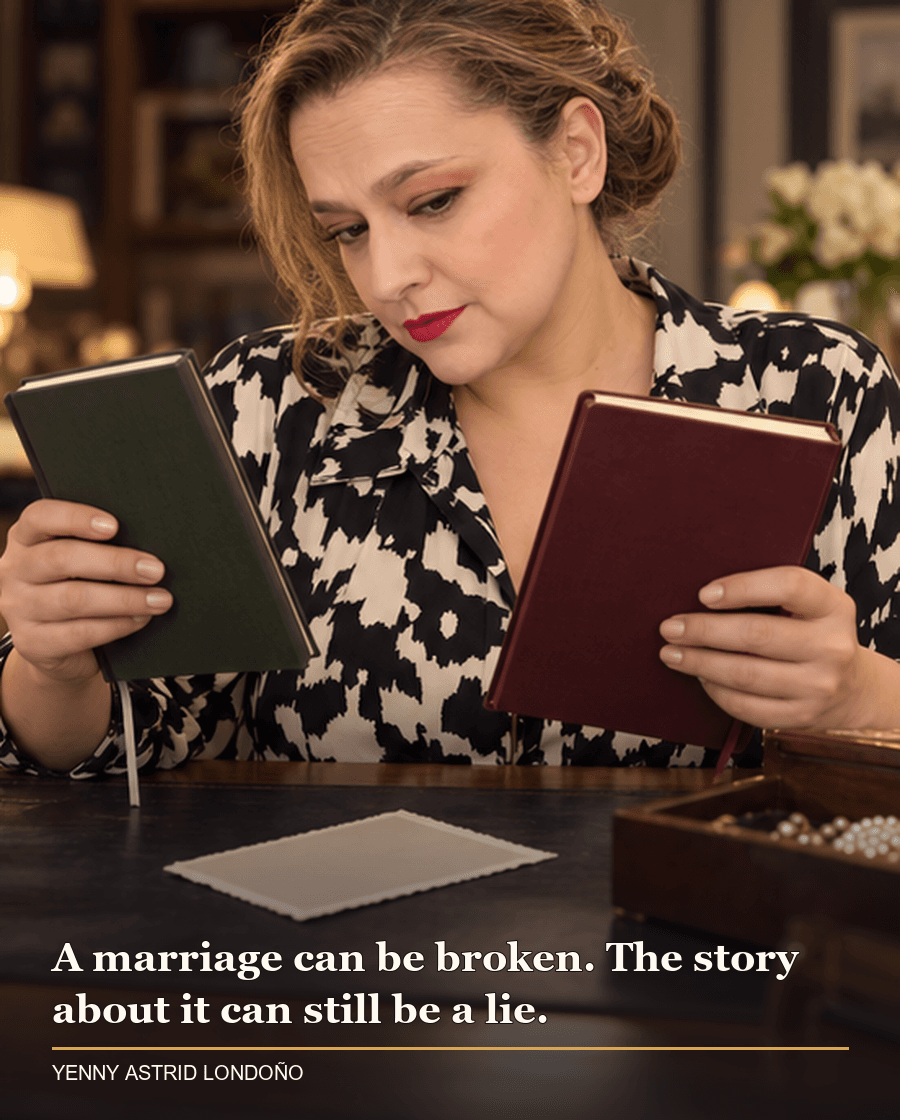
Gone Girl remains a gripping psychological thriller because it does not ask us to choose between “Nick is a bad husband” and “Amy framed him.” Both can be true. The shifting narrators, the diary, and the public investigation show how a person can use real details to construct a version of events that is nearly impossible to challenge.
I liked the way Flynn makes the reader examine their own appetite for a clear villain and a clean ending. The book can be emotionally exhausting, and its final marriage is more chilling than satisfying. But that is exactly why I remember it. We begin asking what happened to Amy. We end asking who gets to own the truth when the person with the best story has already taken the microphone.
Frequently asked questions
What is Gone Girl by Gillian Flynn about?
Amy Dunne disappears on her fifth wedding anniversary, and evidence points toward her husband Nick. The novel alternates between Nick’s present-day account and Amy’s diary, changing the reader’s understanding of their marriage and the disappearance.
Is Gone Girl a psychological thriller?
Yes. It is a psychological thriller about marriage, manipulation, public perception, and two narrators whose accounts shape how the reader understands the same relationship.
Is Amy a reliable narrator in Gone Girl?
No. Amy carefully constructs a diary and a public story as part of her plan. The reader must reconsider which parts reflect real events and which have been arranged to influence the investigation.
What does the “Cool Girl” speech mean?
It describes the pressure to perform an idealized version of femininity to please men: attractive, agreeable, sexually available, and never demanding. The novel presents the observation without making it an excuse for Amy’s actions.
Does this review reveal Gone Girl’s twist?
Yes. It discusses Amy’s plan, the diary, Nick’s affair, Desi, and the ending. Read after the novel if you want to preserve its central reveal.
What did Yenny think of Gone Girl?
I admire the dual narration and the way real marital failures become material for a manufactured murder story. It is sharp and gripping, though the characters and ending are deliberately exhausting rather than comforting.
Are Perdida and Gone Girl the same book?
Yes. Perdida is the Spanish title of Gillian Flynn's novel Gone Girl.
The Book
Gone Girl
by Gillian Flynn
Get the bookIf you buy through this link, Yenny earns a small commission and you pay the same price.
Keep reading
If you liked it, keep going

Javier Castillo
The Snow Girl
The Snow Girl: Kiera disappears and everyone moves on except her parents
Javier Castillo's The Snow Girl: Kiera vanishes at a New York parade and a tape reopens the case five years later. My honest review, 4 out of 5.
October 22, 2026
John Katzenbach
The Analyst
The Analyst: a birthday threat, fifteen days and a therapist who has lost control
John Katzenbach's The Analyst: a psychoanalyst gets fifteen days to find out who is threatening him. My honest review of this thriller.
October 22, 2026
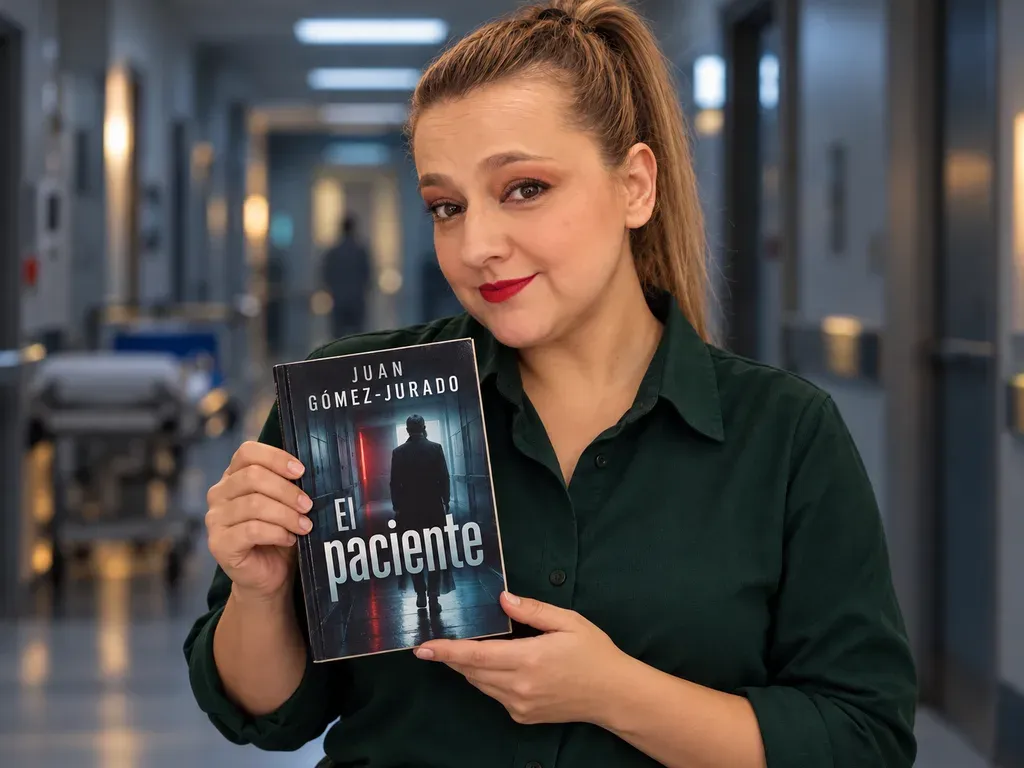
Juan Gómez-Jurado
The Patient
The Patient: the President on the operating table and a daughter nobody can trade
Juan Gómez-Jurado's The Patient: a neurosurgeon, a President on the table and a kidnapped daughter in sixty-three hours. My honest review.
October 22, 2026
Want more like this? Join the Readers Club and get one of my books for free.
Share
My books
Books by Yenny Astrid Londoño


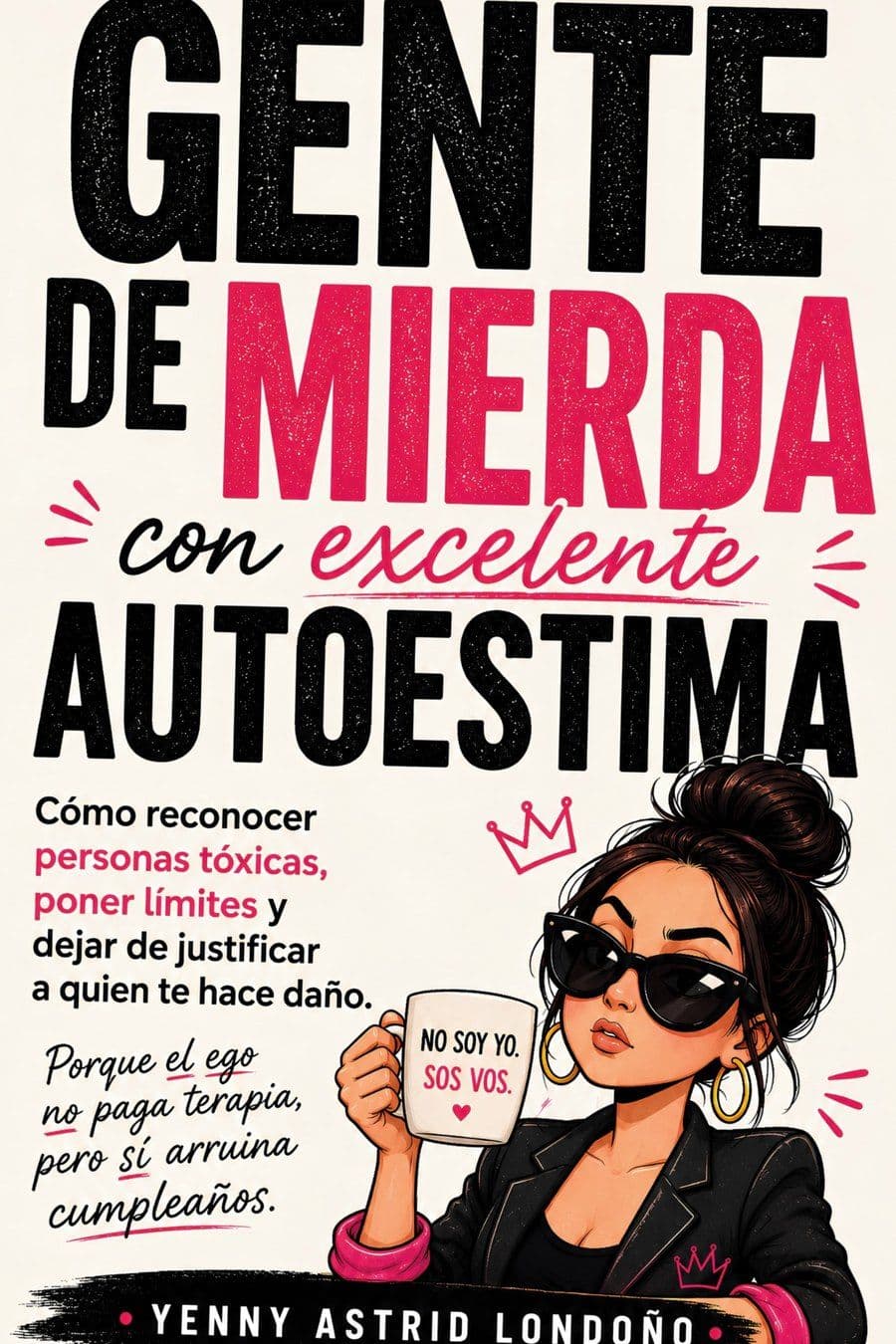
About the author
Yenny Astrid Londoño
Yenny Astrid Londoño is a Colombian author and entrepreneur, founder of Anchetas Medellín. She writes about real life with sarcasm, irony and smart humor, turning everyday situations, mistakes and imperfect relationships into stories that readers can laugh at and recognize themselves in.

A free book from me
Get a free book from me
Subscribe and get Sobreviviendo a mis muertos in full as a PDF.
After that, I'll only write when I have something worth telling you.
Also available: Read this review in Spanish →