
Book review
Verity:
Lowen is hired to finish Verity Crawford’s book series and finds a manuscript that reads like a confession. Jeremy seems devoted, Verity seems dangerous, and a letter arrives to make sure nobody gets to sleep peacefully.
By Yenny Astrid Londoño · October 5, 2026 · 8 min read
Share
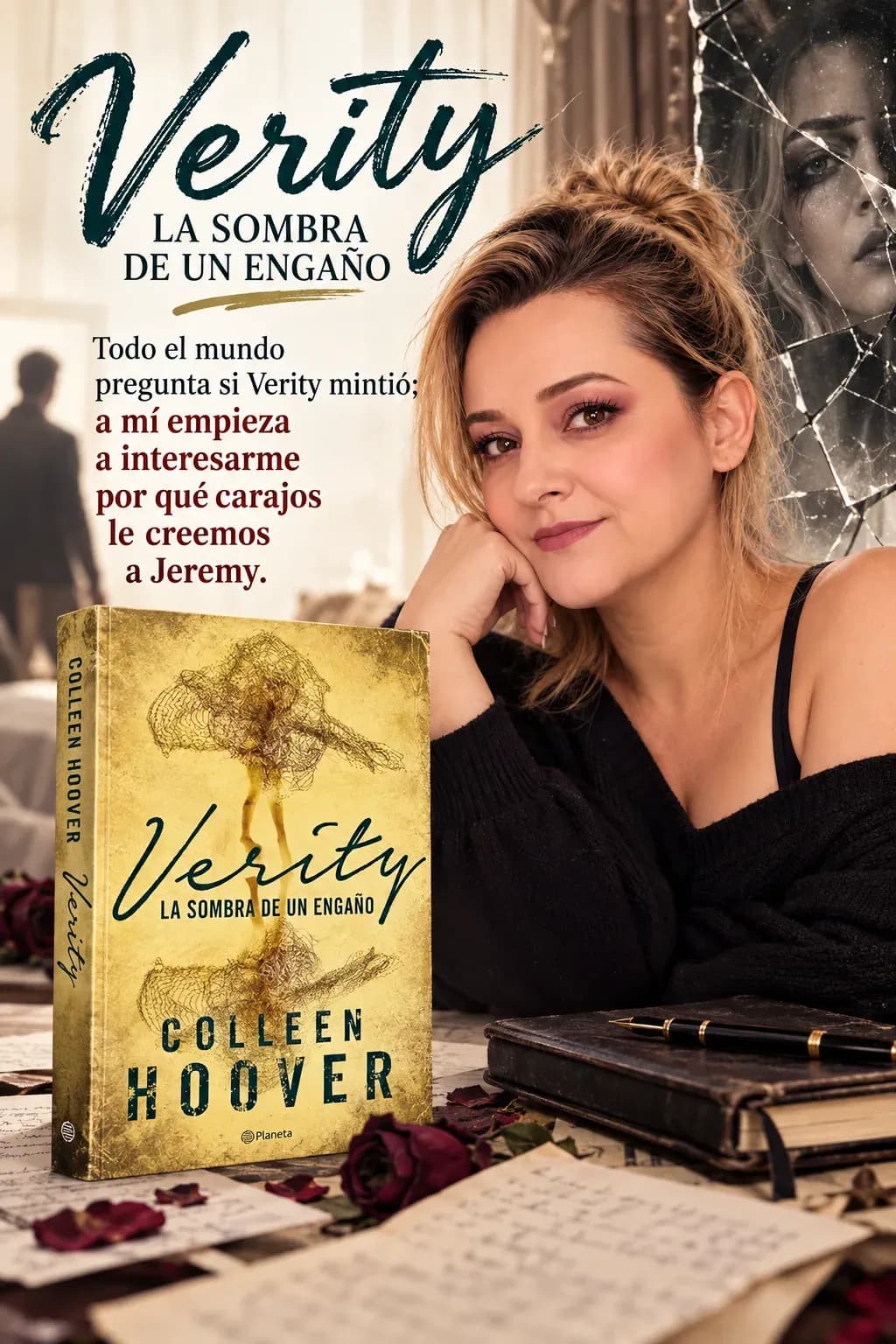
The Book
Verity
Psychological thriller / romantic suspense
by Colleen Hoover
4.5 out of 5 stars
Why the hell did we believe Jeremy so easily?
Lowen Ashleigh is a struggling writer who has just lost her mother when she is offered a job completing the remaining books in Verity Crawford’s popular series. Verity has been badly injured in an accident and cannot finish the work herself. Lowen moves into the Crawford home to review the notes and discovers a manuscript in which Verity appears to describe her obsession with Jeremy and her jealousy toward their daughters, Chastin and Harper.
Jeremy presents himself as a devoted husband and grieving father. Lowen is drawn to him, to the house, and to the possibility of a stable life after her own losses. Then Verity begins to seem less like an absent patient and more like the most threatening person in the room. The novel keeps shifting the question: is the manuscript a confession, a writing exercise, or the story someone needs us to believe?
Before Verity, there were two daughters
Chastin and Harper’s deaths shape the entire household. Chastin died after an allergic reaction; Harper drowned in a lake while with her mother. Those losses have left Jeremy and Verity in a marriage defined by grief, blame, and the different ways each parent understands what happened. Lowen enters a home where the past is not past and where every adult has a reason to protect a version of the family.
The children matter because they are not only the backstory explaining why the adults are devastated. Their deaths reveal how the parents respond to loss and how easily grief can become an argument about responsibility. The house is full of reminders, and Lowen has to decide whether she is looking at a family tragedy or a pattern of danger. Nobody should have to investigate a home while also trying not to fall in love with the husband. Yet here we are.
The manuscript is the book nobody was supposed to read
Lowen finds Verity’s manuscript and reads a version of the past that is deeply disturbing. If it is true, Verity is not simply a complicated woman or a mother who struggled. The text describes jealousy toward her daughters, fixation on Jeremy, and thoughts that make the family’s tragedies look like something far more deliberate.
The intimacy of the manuscript is what makes it frightening. Lowen is not reading a neutral case report; she is inside a voice that may be private, performative, or both. The document offers enough detail to make Verity look monstrous and enough uncertainty to keep the reader asking whether a writer can invent a disturbing narrator without being that narrator. A manuscript can tell you what its author wrote. It cannot, by itself, certify what happened.
“Everyone asks whether Verity wrote the truth. I want to know why Jeremy’s version gets a free pass.” — Yenny Astrid Londoño
Lowen arrives vulnerable and does not stay an innocent observer
At first, Lowen is easy to understand. She is alone, financially strained, grieving her mother, and offered the stability of a job and a place to stay. She also meets Jeremy, who is attentive, a loving father in the life we see, and deeply affected by the losses. That combination can make questionable choices arrive already wrapped in a sympathetic explanation.
But Lowen is not a passive observer for long. She becomes emotionally and sexually involved with Jeremy while living in his house and reading a manuscript that implicates his wife. Her circumstances explain why the situation is tempting; they do not make every decision neutral. The novel is more interesting when we notice her own agency rather than treating her as a woman who simply got swept into the plot by an attractive grieving man.
Verity’s stillness makes her the most threatening person in the house
Verity is physically incapacitated after the accident and appears unable to communicate in an ordinary way. Lowen begins to notice small movements and expressions that make her wonder whether Verity knows more than she is letting on. Crew’s behavior also adds to the sense that the family is responding to something unspoken.
The setup is effective because it makes stillness feel active. A person who barely moves can still control the room if everyone is afraid of what she might know. Lowen’s observations might be accurate, but they might also be shaped by the manuscript she has read and the relationship she is building with Jeremy. The question is not only what Verity can do. It is how much of Lowen’s fear has already been written for her.
Jeremy’s version gets protected by the women who look more suspicious
Jeremy spends much of the book in a convenient position. First, Verity is the obvious threat. Then Lowen makes increasingly questionable decisions. Between the two women, Jeremy can look like the only adult functioning in the house. That is exactly when I wanted to inspect him more closely.
He is grieving and caring for his son, but those facts do not automatically make his account complete. Lowen has reasons to believe him; Verity’s manuscript gives her reasons to fear his wife. The reader can get caught in that same arrangement, treating Jeremy as a calm center while the women around him look unstable or dangerous. I am not saying he is guilty of every accusation. I am saying a man should not get a free pass simply because the women in the room have more obvious reasons to be questioned.
“Lowen is not the villain when she arrives. She also does not work very hard to remain innocent.” — Yenny Astrid Londoño
The letter arrives with a second story
After the manuscript has shaped the reader’s image of Verity, a hidden letter presents a different explanation. Verity claims the disturbing text was an exercise in writing from the perspective of a villain, not a confession of her own actions. Suddenly the reader has to decide whether the manuscript exposed her or whether the letter is an attempt to reclaim control after the fact.
That reversal is the core pleasure and frustration of the book. The letter does not prove itself true merely because it contradicts the manuscript. Both documents come from people who have something at stake, and neither arrives with an independent witness attached. Lowen has to make a decision without certainty, which means the reader is left doing the same. I liked that uncertainty more than a tidy answer, though I also wanted the novel to be precise about what each version can actually establish.

Lowen finds a possible truth and chooses what to do with it
The letter could change everything, but Lowen destroys it. That decision moves her from a person caught between two accounts to someone who has chosen which account will survive. She may be protecting Jeremy, protecting the life she wants, avoiding the consequences of exposing the truth, or trying to convince herself the manuscript was accurate. There can be more than one reason, and none of them makes the choice small.
For me, this is the point where Lowen becomes hardest to treat as an innocent bystander. She has a piece of evidence that complicates the story and decides the others will not see it. The novel does not tell us what she believes with enough certainty to make the decision comfortable. It leaves us with the possibility that she chose love, self-interest, fear, or all three. A very human combination; also a very dangerous one.
The sex, the pacing, and the extra chapter do not solve the mystery
Sex and desire are not incidental in Verity. They shape the manuscript, Verity’s fixation on Jeremy, and Lowen’s growing attraction to him. In a story where two women seem to compete for a man even when one is barely moving, erotic tension is part of the conflict. The problem is that the novel sometimes spends so much time getting the characters into bed that the thriller is left waiting outside with its coat on.
I will not deny that the book is highly readable. Hoover knows where to end a chapter so “one more” turns into a very late night. That is craft. It does not mean every part is perfectly built. The additional chapter published later does not come with a flashlight to explain which version is true, and I am glad. It lets Lowen and Jeremy continue living under the shadow of their choices while keeping suspicion alive. The extra material extends the ambiguity; it does not close the case.
“The extra chapter does not solve the mystery. Thank God; the uncertainty is doing better work.” — Yenny Astrid Londoño
My verdict: the manuscript may be fiction, but Lowen’s choice is real
Verity is an addictive psychological thriller about a manuscript, a family marked by tragedy, and two competing versions of a woman who cannot easily defend herself. Lowen arrives looking for work and stability, finds a story that may be a confession, becomes involved with Jeremy, and finally destroys a letter that could change what everyone believes. The book keeps asking whether Verity lied while giving us reasons to question the people who benefit from either answer.
I liked the house’s atmosphere, the manuscript’s disturbing intimacy, and the refusal to resolve every doubt. The sexual plot occasionally takes over, and some of the thriller’s construction is more convenient than convincing. Still, the book kept me reading. The extra chapter does not give us certainty, and that is the right choice. I finished more interested in why we believe Jeremy than in receiving a stamp that says Verity was either innocent or guilty.
Frequently asked questions
What is Verity by Colleen Hoover about?
Writer Lowen Ashleigh is hired to finish Verity Crawford’s book series. In Verity’s home, Lowen finds a manuscript that appears to describe disturbing thoughts about Jeremy and their daughters, then discovers a letter offering another explanation.
Is Verity a romance or a psychological thriller?
It combines romantic suspense and psychological-thriller elements. The story includes Lowen and Jeremy’s attraction, but its central tension concerns the manuscript, Verity’s family, and competing accounts of the past.
Is the manuscript in Verity real?
Within the novel, the manuscript is real as a document Lowen finds. Whether it describes Verity’s true thoughts or a fictional writing exercise is disputed by the manuscript and the later letter.
What happened to Verity’s daughters?
Chastin died after an allergic reaction, and Harper drowned in a lake while with her mother. The novel discusses the circumstances and competing interpretations of those tragedies.
Does the extra chapter explain the ending of Verity?
No. The extra chapter adds material about Lowen and Jeremy but preserves uncertainty rather than conclusively proving whether the manuscript or the letter is true.
What did Yenny think of Verity?
I found it addictive and liked the ambiguity around the manuscript and letter. The sex sometimes crowds the thriller, and not every plot choice is equally convincing, but the book leaves a more interesting question than a simple verdict on Verity.
The Book
Verity
by Colleen Hoover
Get the bookIf you buy through this link, Yenny earns a small commission and you pay the same price.
Keep reading
If you liked it, keep going
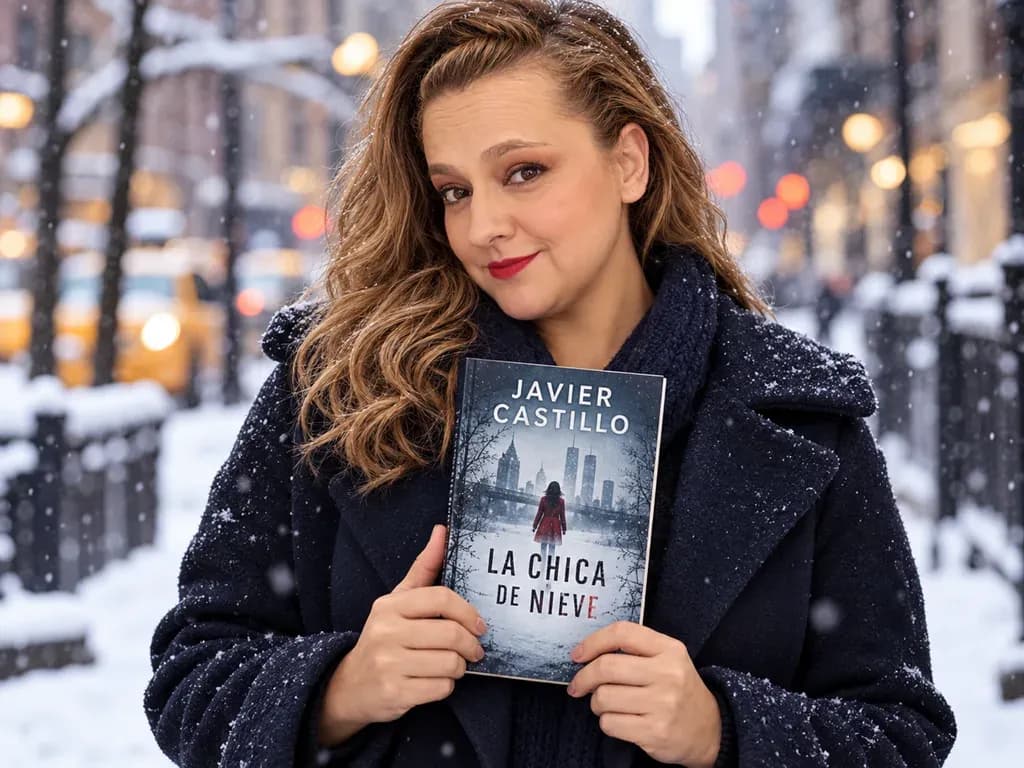
Javier Castillo
The Snow Girl
The Snow Girl: Kiera disappears and everyone moves on except her parents
Javier Castillo's The Snow Girl: Kiera vanishes at a New York parade and a tape reopens the case five years later. My honest review, 4 out of 5.
October 22, 2026
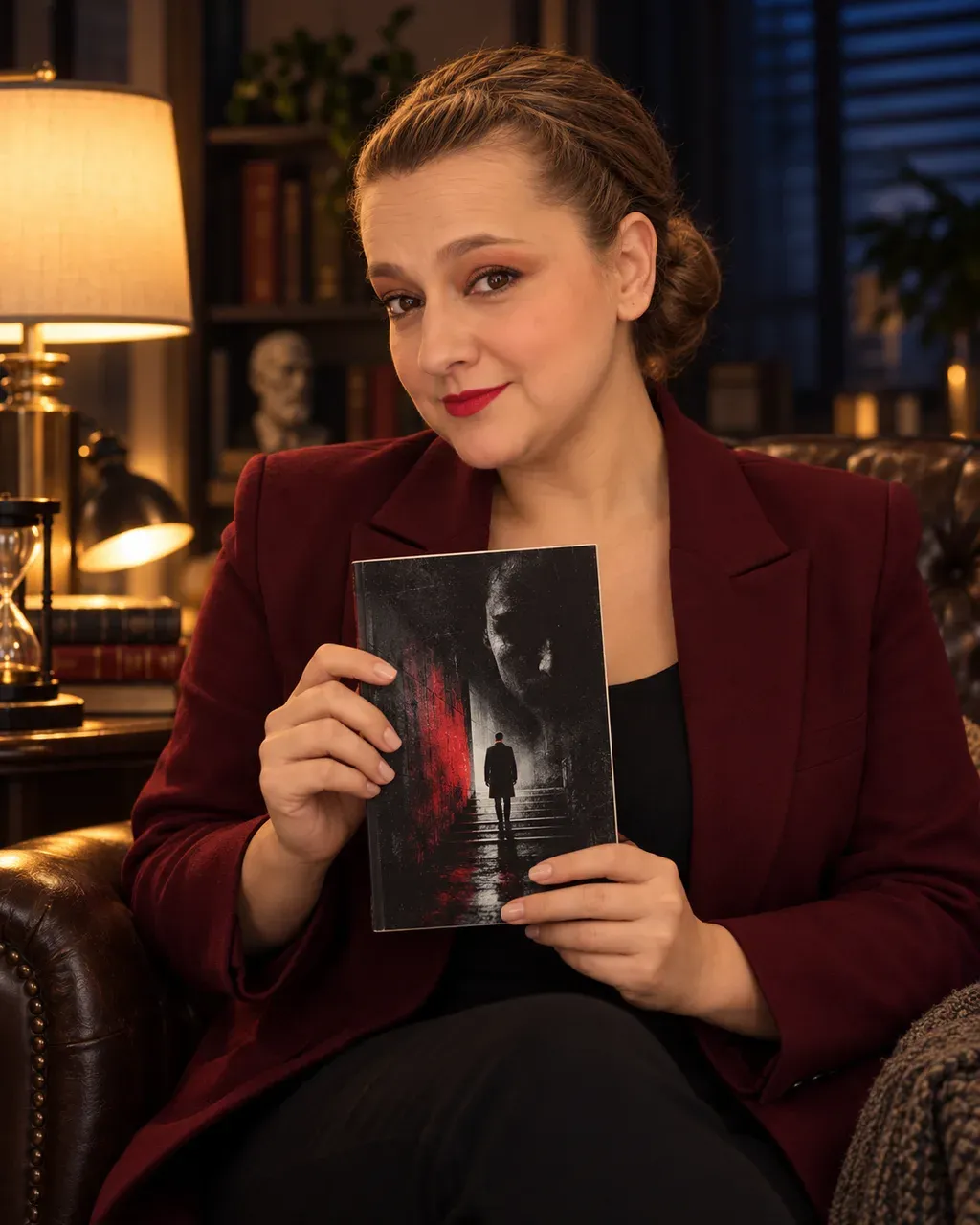
John Katzenbach
The Analyst
The Analyst: a birthday threat, fifteen days and a therapist who has lost control
John Katzenbach's The Analyst: a psychoanalyst gets fifteen days to find out who is threatening him. My honest review of this thriller.
October 22, 2026
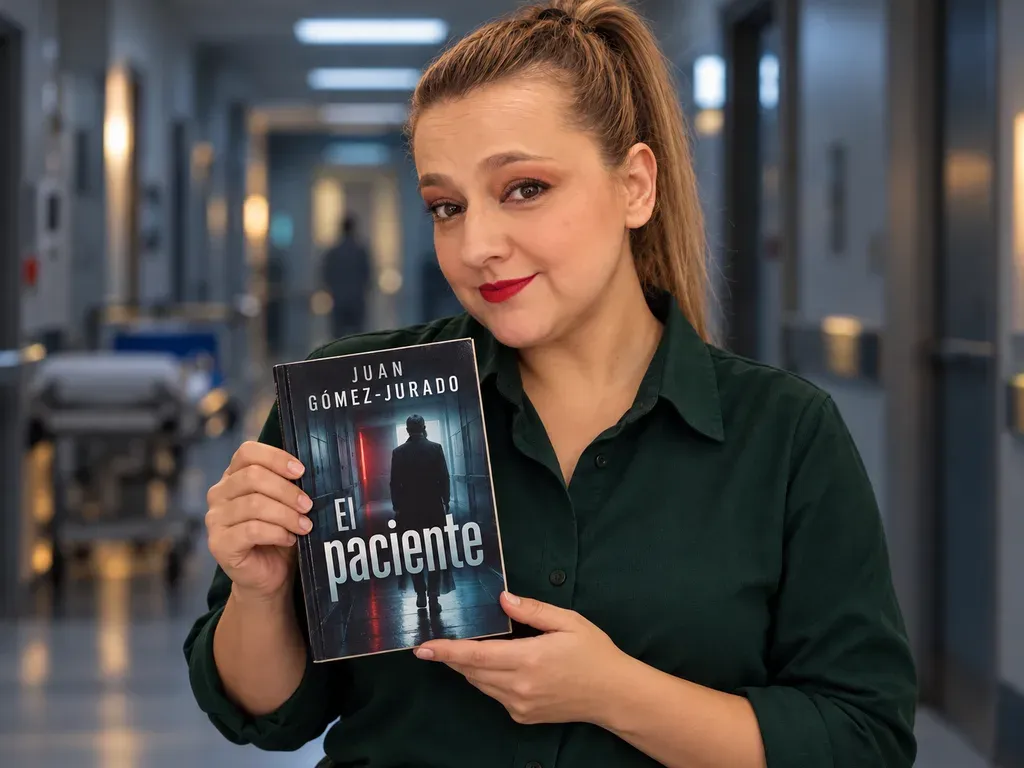
Juan Gómez-Jurado
The Patient
The Patient: the President on the operating table and a daughter nobody can trade
Juan Gómez-Jurado's The Patient: a neurosurgeon, a President on the table and a kidnapped daughter in sixty-three hours. My honest review.
October 22, 2026
Want more like this? Join the Readers Club and get one of my books for free.
Share
My books
Books by Yenny Astrid Londoño



About the author
Yenny Astrid Londoño
Yenny Astrid Londoño is a Colombian author and entrepreneur, founder of Anchetas Medellín. She writes about real life with sarcasm, irony and smart humor, turning everyday situations, mistakes and imperfect relationships into stories that readers can laugh at and recognize themselves in.

A free book from me
Get a free book from me
Subscribe and get Sobreviviendo a mis muertos in full as a PDF.
After that, I'll only write when I have something worth telling you.
Also available: Read this review in Spanish →