
Book review
A Game of Thrones by George R. R. Martin:
In Westeros, winter is not the only thing coming. There are also alliances with fine print, ambitious relatives and people smiling while calculating how much you are worth dead. My spoiler-light review of George R. R. Martin’s first A Song of Ice and Fire novel begins with one useful piece of advice: do not trust the family tree.
By Yenny Astrid Londoño · October 26, 2026 · 8 min read
Share
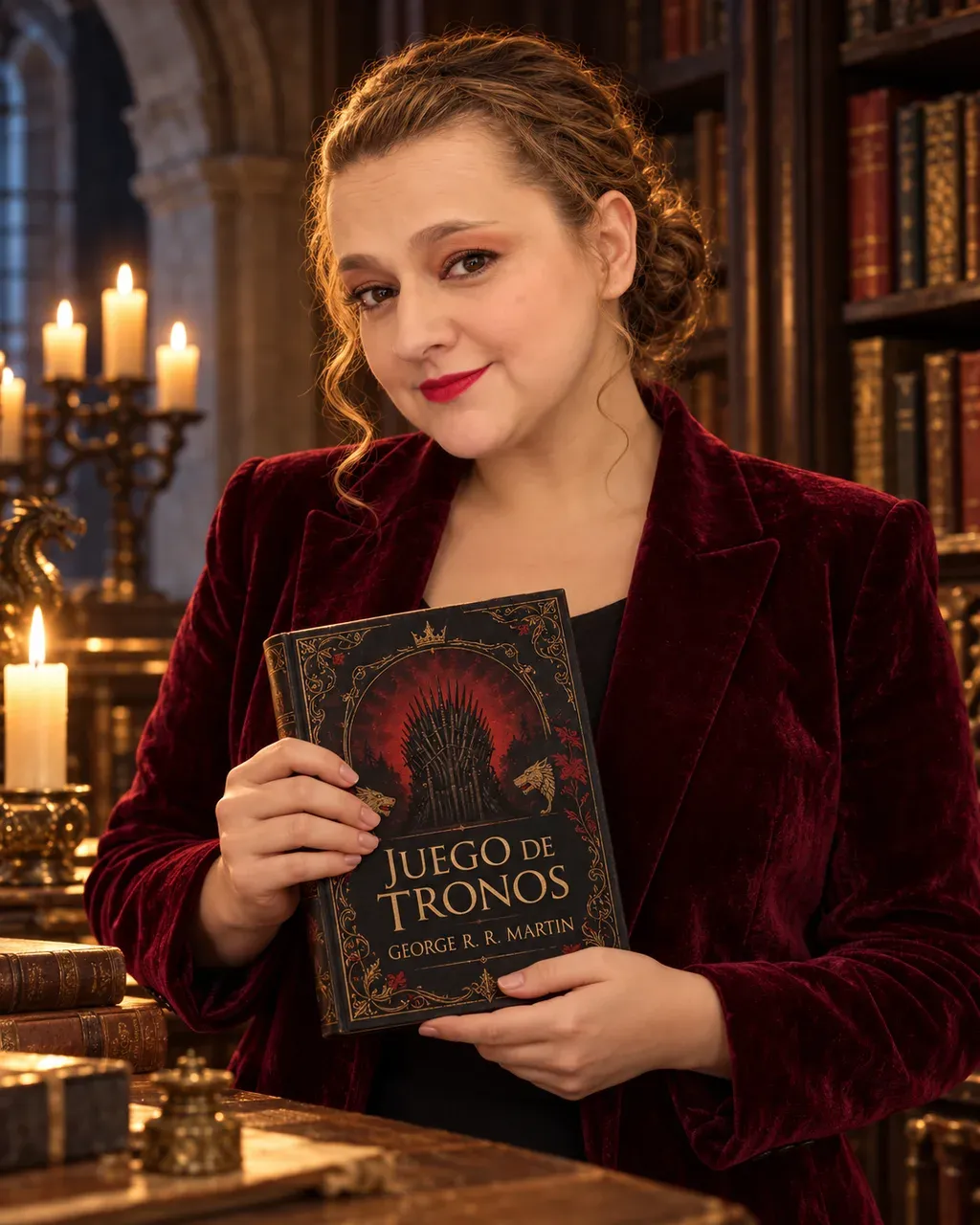
The Book
A Game of Thrones
by George R. R. Martin
4.5 out of 5 stars
I take off half a point for the excess of names and certain strategic twists; the rest it earns with characters who don’t fit a comfortable label and a conflict that mixes intimacy and politics without asking permission.
A kingdom where summer can be a threat too
The story opens with a promise of cold. In Westeros, seasons can last for years, and winter’s return comes with something most people would rather call a story. Meanwhile, the powerful in the south are busy with what they consider urgent: inheritance, marriages, appointments and who gets the best seat near the throne.
That distance between the real danger and the immediate political fight is one of the novel’s sharpest ideas. The kingdom has a huge problem on the horizon, but its rulers are too busy arguing about who deserves the chair. Very human. You can watch disaster arrive with lights and sirens and still find time to fight about parking.
The Stark family lives in the north, close to the Wall. Ned Stark receives an offer that pulls him into the politics of King’s Landing. From there, the story opens into rival houses, alliances and points of view that do not share the same idea of justice—or the same fear.
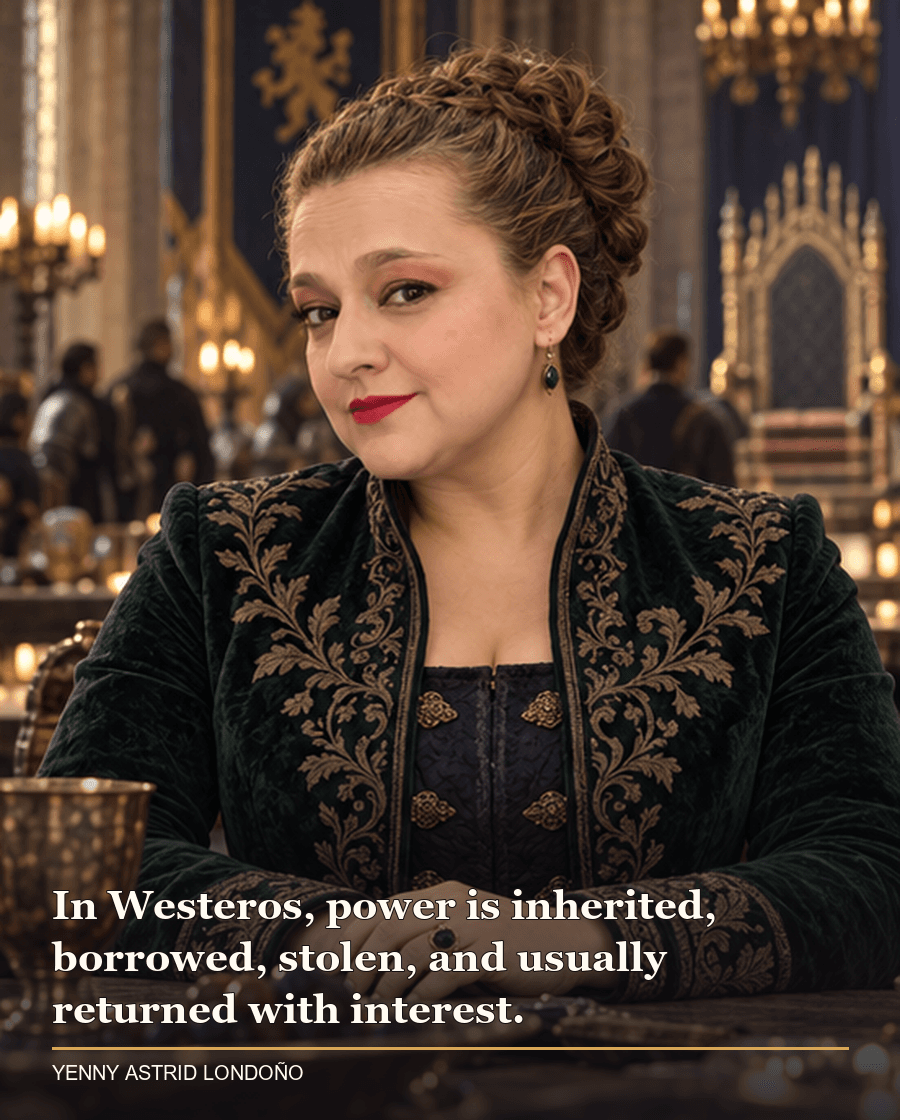
The Starks did not arrive with armor for this game
Ned believes in duty, keeping his word and doing what is right even when it is inconvenient. Lovely values. At court, they can also be an invitation for somebody more cunning to use you as a doormat.
The Stark children are not interchangeable pieces on one family board. Arya is not interested in obeying the role other people chose for her. Sansa is closer to the princess stories and the life she thinks awaits her. Jon carries a social status that follows him into every room, even the family home. Bran, Robb and the others have their own expectations placed on them.
Family gives the book an emotional center and a political one. It is not only about who loves whom; it is about what belonging to a house demands. Loyalty can be a virtue and a chain at the same time. The person protecting you may also be the one explaining why you cannot choose your own path.
King’s Landing: human resources for the disaster
When Ned reaches the capital, power does not arrive as a villain in a black cape. It wears custom, protocol, private jokes and a perfectly reasonable request. The court feels like an office where every conversation could be a job interview or the preparation for a betrayal. You never know which.
That atmosphere works because the characters are not all stupid. Everyone has a goal, a version of events and a different amount of information. Some people with power cannot govern; people without it read the room better than the king; others believe they are using someone while already doing that person’s work for them.
The maneuvering is not always equally exciting. Names, titles and alliances pile up until I wanted a little visitor’s pamphlet: “Welcome to Westeros; betrayal on your right, succession on your left.” The complexity adds depth, but it asks for attention. Read with your phone in your hand and one conversation may charge you for an alliance you never knew existed.
Daenerys and politics far from Westeros
The story also follows Daenerys and her brother Viserys, living far from the kingdom while the Targaryen name continues to shape their options. Viserys talks about reclaiming the throne as if the past owes him compensation. Daenerys begins with far less control over her own life.
Her storyline shows power from another position: not the ruler’s chair, but the person turned into a political bargaining chip. I was interested in watching her room to choose change and in what she learns while surviving a world that treats her as property. A character does not need to start by commanding armies to have agency; sometimes the first fight is getting people to stop deciding how you should breathe.
Some stretches of this plot grabbed me more than others. When it focuses on Daenerys changing, it feels personal and consequential. When it surrounds her with characters who mainly announce what might happen next, the story loses force. A promise of destiny does not replace the work of making me care about the road there.
The Wall and what nobody wants to take seriously
At the far north, the Night’s Watch guards a boundary most people in the south prefer to ignore. Its members are not glamorous knights taking on a noble assignment; the Watch is a place for people who have been sent away, disgraced or left with few choices. The warning beyond the Wall sounds like an old fear until the novel makes clear why old fears do not always stay old.
This strand contrasts with the court’s arguments. The political families fight over a throne while a more fundamental danger waits beyond the places they think matter. That structure adds suspense because it makes the kingdom’s priorities look absurdly small. The characters are not simply preparing for the wrong battle; many do not believe there is a battle to prepare for.
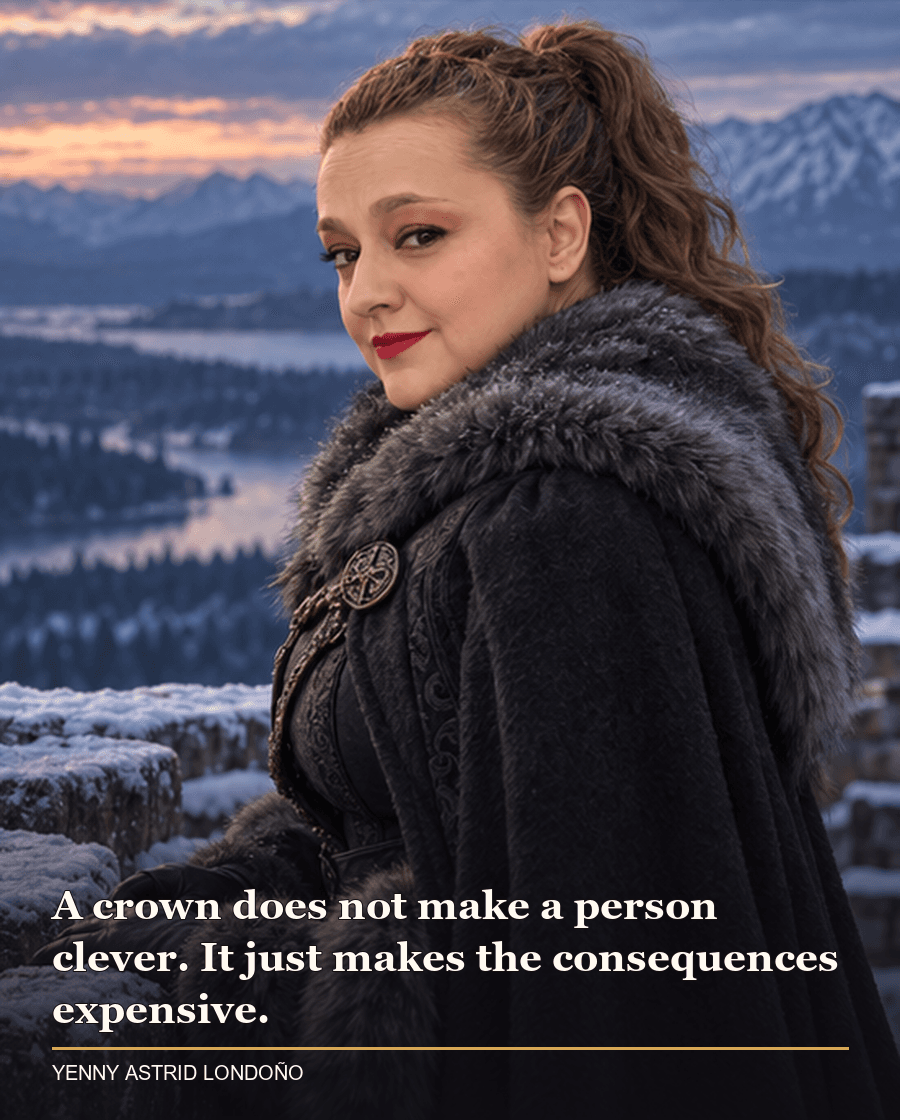
Power does not make the person holding it intelligent
Martin’s world is full of people who mistake status for judgment. A title gives someone reach, but not wisdom. A family name can command an army and still leave its owner unable to recognize a trap. The book’s politics keep asking what people will do to protect their place and what they are willing to sacrifice in the name of loyalty.
The point of view structure helps. Each chapter puts us near a different character, so one person’s certainty becomes another person’s blind spot. We see how incomplete information shapes decisions and how easily a good intention can become dangerous when a powerful person acts before listening. Nobody gets the whole board. Several people still insist on moving every piece.
A large cast that keeps the conflict personal
There are families, servants, soldiers, siblings and strangers with histories that stretch beyond the page. The scale could make the story feel like a list of names. Instead, the strongest chapters connect political choices to a specific person’s fear, hope or sense of duty. The large cast matters because the consequences of power do not stop at the throne room door.
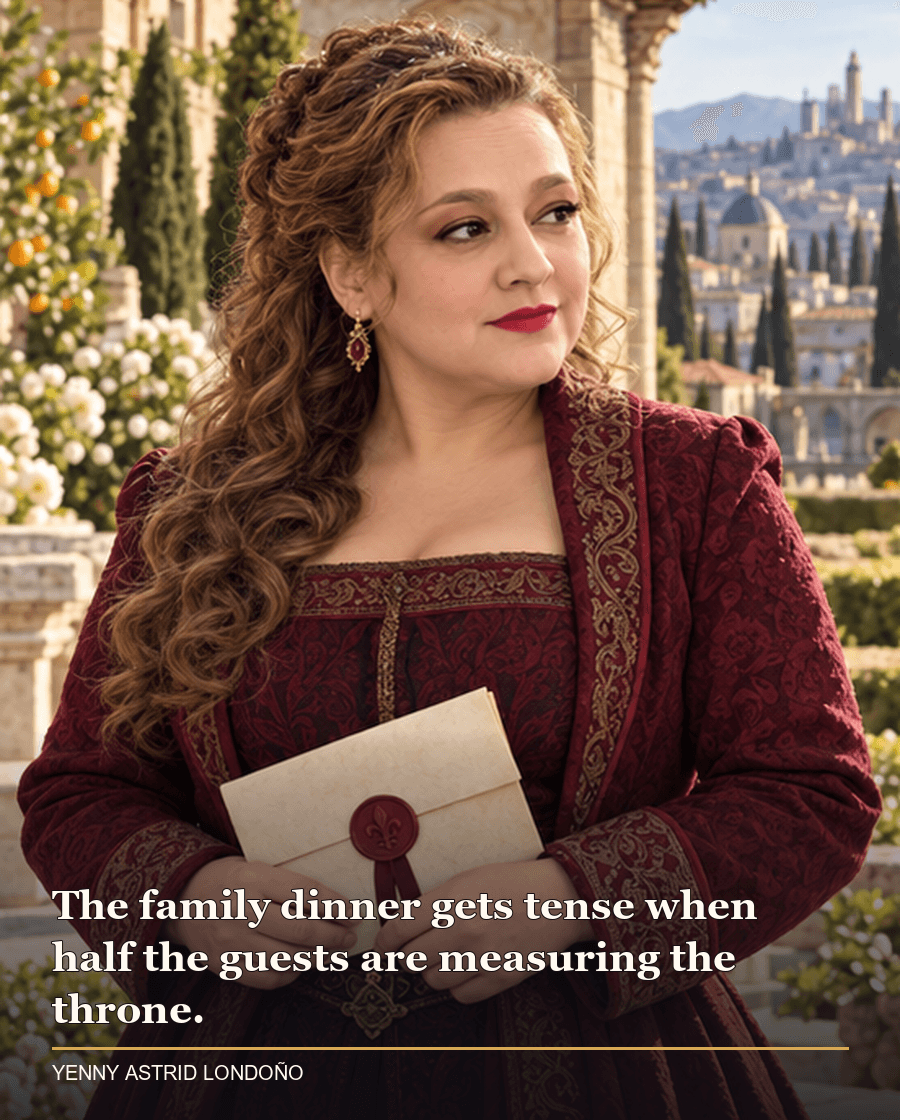
That said, the cast is a commitment. The first time through, I was occasionally doing mental filing: who is related to whom, who has sworn what, and who is being polite because they are kind or because they are waiting for the right moment to stab someone. The book rewards paying attention, but it does not offer a gentle onboarding session.
What I did not like
The number of names, houses and political details can make the early chapters feel crowded. The shifting viewpoints add complexity, but they also mean I may have to wait several chapters to return to a character whose situation I care about. Some scenes are more compelling than others, and the transitions can interrupt momentum just as a storyline gets moving.
The cruelty is deliberate, but the bleakness sometimes threatens to flatten the emotional range. Betrayal after betrayal can make it hard to feel surprise instead of merely bracing for the next loss. I respect the book’s refusal to make power safe; I still wanted a few more spaces where characters could be human without the plot immediately charging them for it.
Who should read it
Read A Game of Thrones if you enjoy political fantasy, morally complicated families, multiple points of view and a world where people’s decisions have consequences. It is for readers who like keeping track of motives and do not need every character to be likable before they become interesting.
If you want a short cast, quick answers or a comforting fantasy where honor automatically wins, this is going to test your expectations. The book asks you to notice how power works, who benefits and who gets left to manage the mess. It is a very large invitation to trust nobody, including the people whose names are printed on the cover.
My rating
4.5 out of 5 stars. The family conflict, the shifting viewpoints and the gap between the court’s petty battles and the threat beyond the Wall kept me hooked. I take off half a star for the crowded cast, uneven pacing between storylines and stretches of bleakness that pile up before the characters get a moment to breathe. The book is ruthless about power, and that is exactly why I kept reading—even while making a mental list of people I would never invite to dinner.
Frequently asked questions
What is A Game of Thrones about?
It follows several families competing for power in Westeros while a danger beyond the Wall grows and the seasons move toward winter.
Is A Game of Thrones the first book in a series?
Yes. It is the first novel in George R. R. Martin’s A Song of Ice and Fire series.
Do I need to watch the television series first?
No. The novel works on its own and introduces the setting and characters through its own structure.
Is A Game of Thrones high fantasy?
Yes. It is epic fantasy with multiple political factions, a large invented world and supernatural elements.
Is the book violent?
Yes. It includes war, death, political cruelty and sexual violence. Readers sensitive to those subjects may want to check a content guide first.
Is the book told from one point of view?
No. Chapters follow different viewpoint characters, allowing the political conflict to be seen from several sides.
Who should read it?
Readers who enjoy sprawling political plots, layered characters and fantasy that treats power as a problem with consequences.
The Book
A Game of Thrones
by George R. R. Martin
Get the bookIf you buy through this link, Yenny earns a small commission and you pay the same price.
Keep reading
If you liked it, keep going
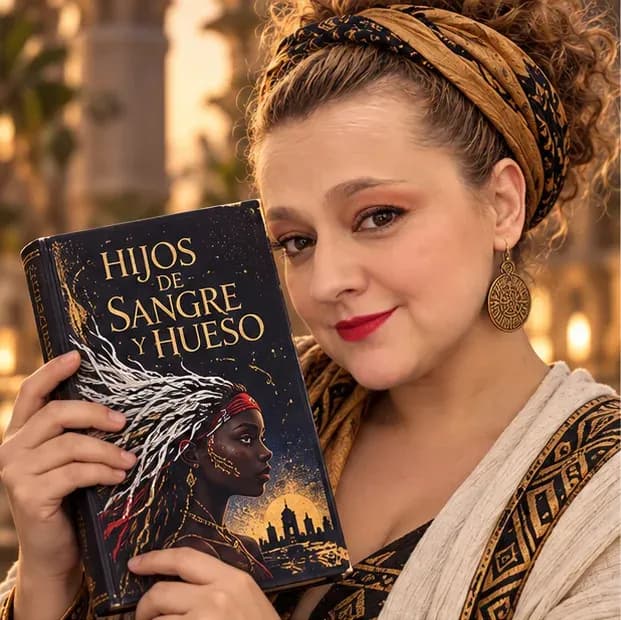
Tomi Adeyemi
Children of Blood and Bone
Children of Blood and Bone by Tomi Adeyemi: when magic returns, power refuses to hand it back quietly
This is an epic fantasy about magic taken away, political violence and a young woman deciding what to do with a power she barely understands. Zélie’s world has a strong identity, and the magic does not sit quietly in the corner while the palace makes decisions. Here is my spoiler-light review of Tomi Adeyemi’s first Legacy of Orïsha novel.
October 27, 2026
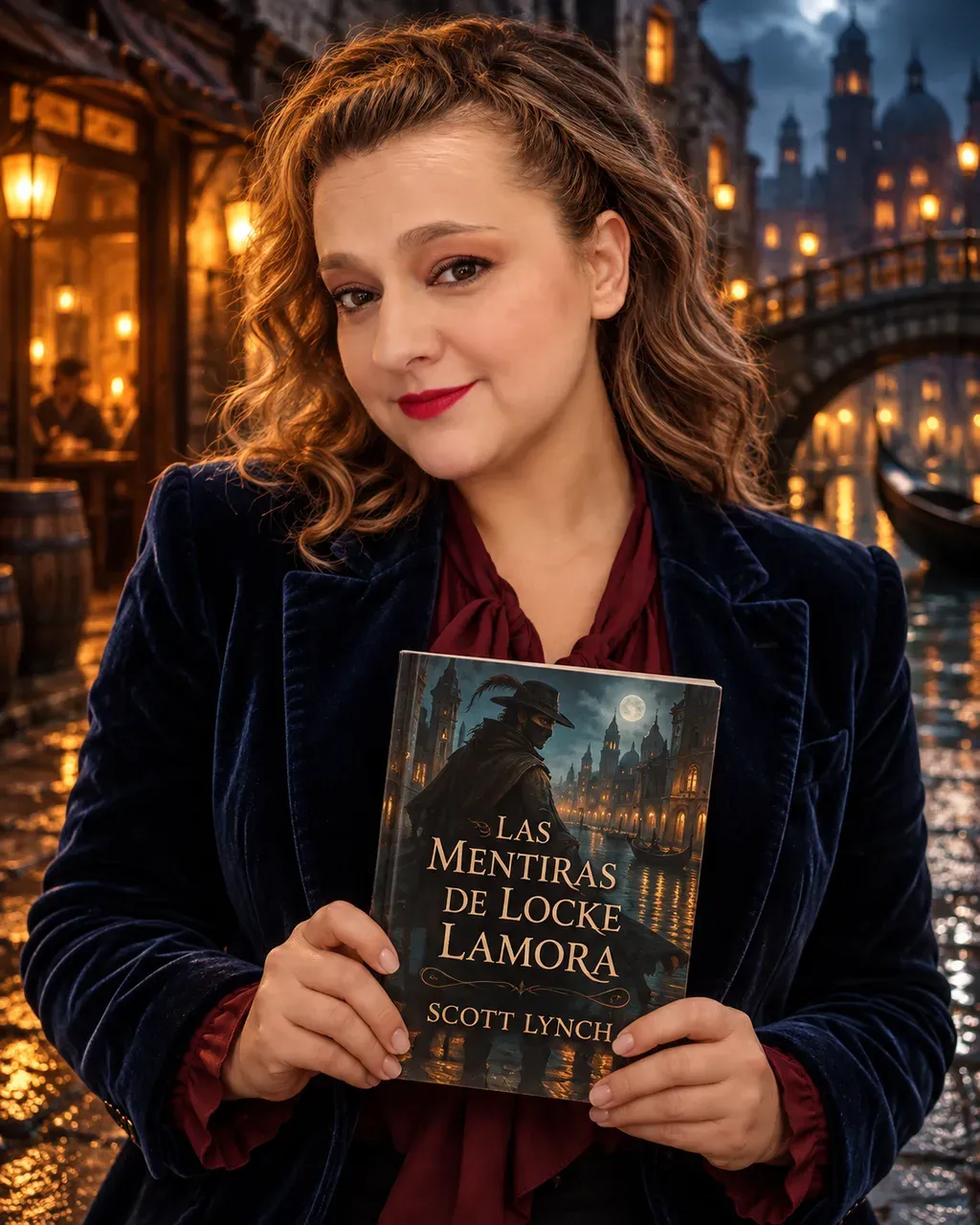
Scott Lynch
The Lies of Locke Lamora
The Lies of Locke Lamora by Scott Lynch: robbing the rich works until someone worse shows up
Crime fantasy, cons and a city where talent attracts trouble. Locke Lamora and the Gentlemen Bastards make their living by taking money from the rich—until a more dangerous player changes the rules. This is my spoiler-light review of Scott Lynch’s first Gentleman Bastards novel: a clever caper whose humor does not make its violence pretend.
October 27, 2026
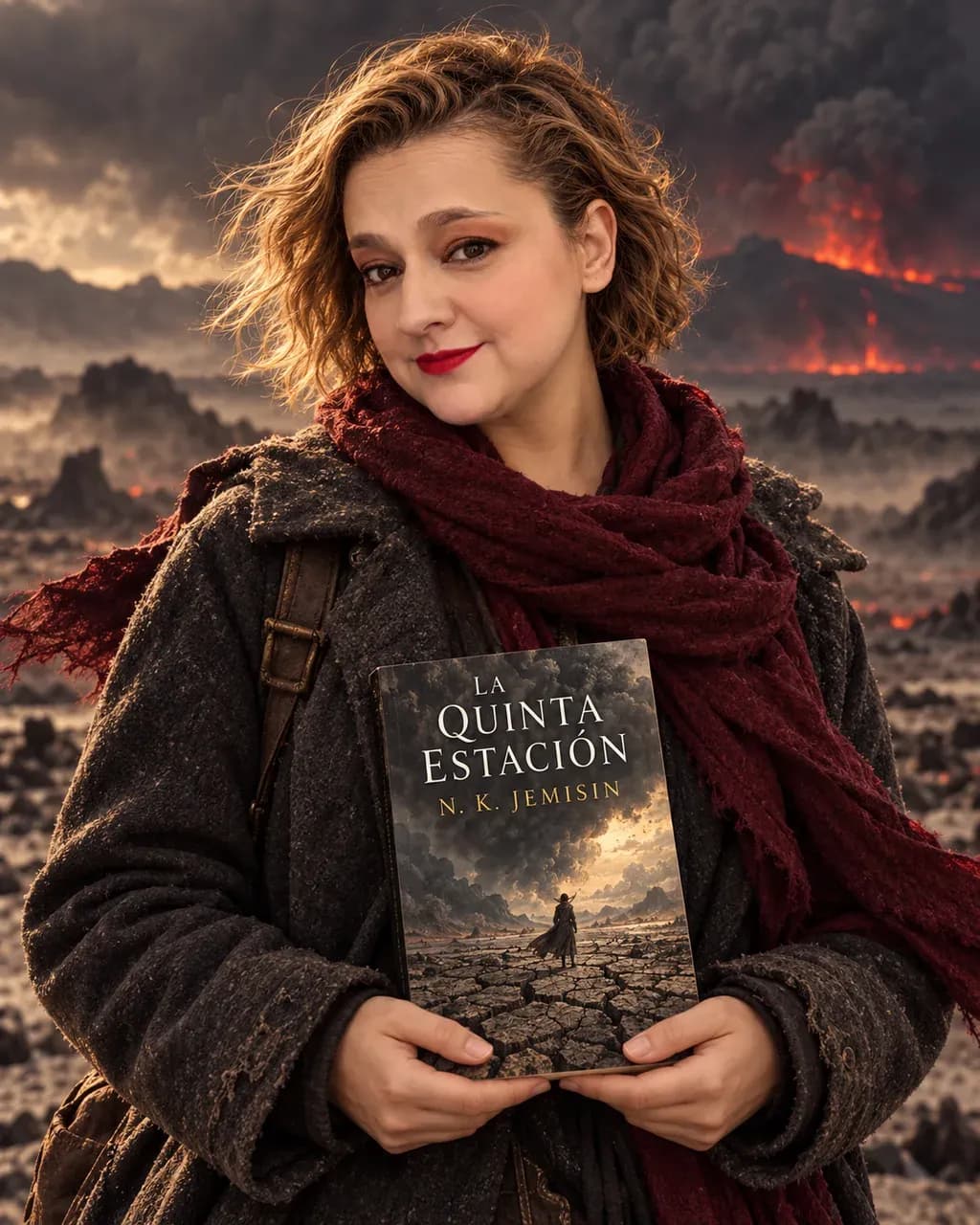
N. K. Jemisin
The Fifth Season
The Fifth Season by N. K. Jemisin: the world breaks again, and Essun has to find her daughter
In the Stillness, the end of the world has a calendar. Essun is looking for her daughter while the ground starts breaking again, and the society that survives these disasters is much better prepared for earthquakes than for treating people humanely. This is my spoiler-light review of N. K. Jemisin’s The Fifth Season, a book that makes catastrophe political before anyone has time to call it weather.
October 27, 2026
Want more like this? Join the Readers Club and get one of my books for free.
Share
My books
Books by Yenny Astrid Londoño



About the author
Yenny Astrid Londoño
Yenny Astrid Londoño is a Colombian author and entrepreneur, founder of Anchetas Medellín. She writes about real life with sarcasm, irony and smart humor, turning everyday situations, mistakes and imperfect relationships into stories that readers can laugh at and recognize themselves in.

A free book from me
Get a free book from me
Subscribe and get Sobreviviendo a mis muertos in full as a PDF.
After that, I'll only write when I have something worth telling you.
Also available: Read this review in Spanish →