
Book review
Lie:
Eva Ramos knows how to fabricate versions. I'm interested in what is left of a person when she has kept them up for too long.
By Yenny Astrid Londoño · October 8, 2026 · 8 min read
Share
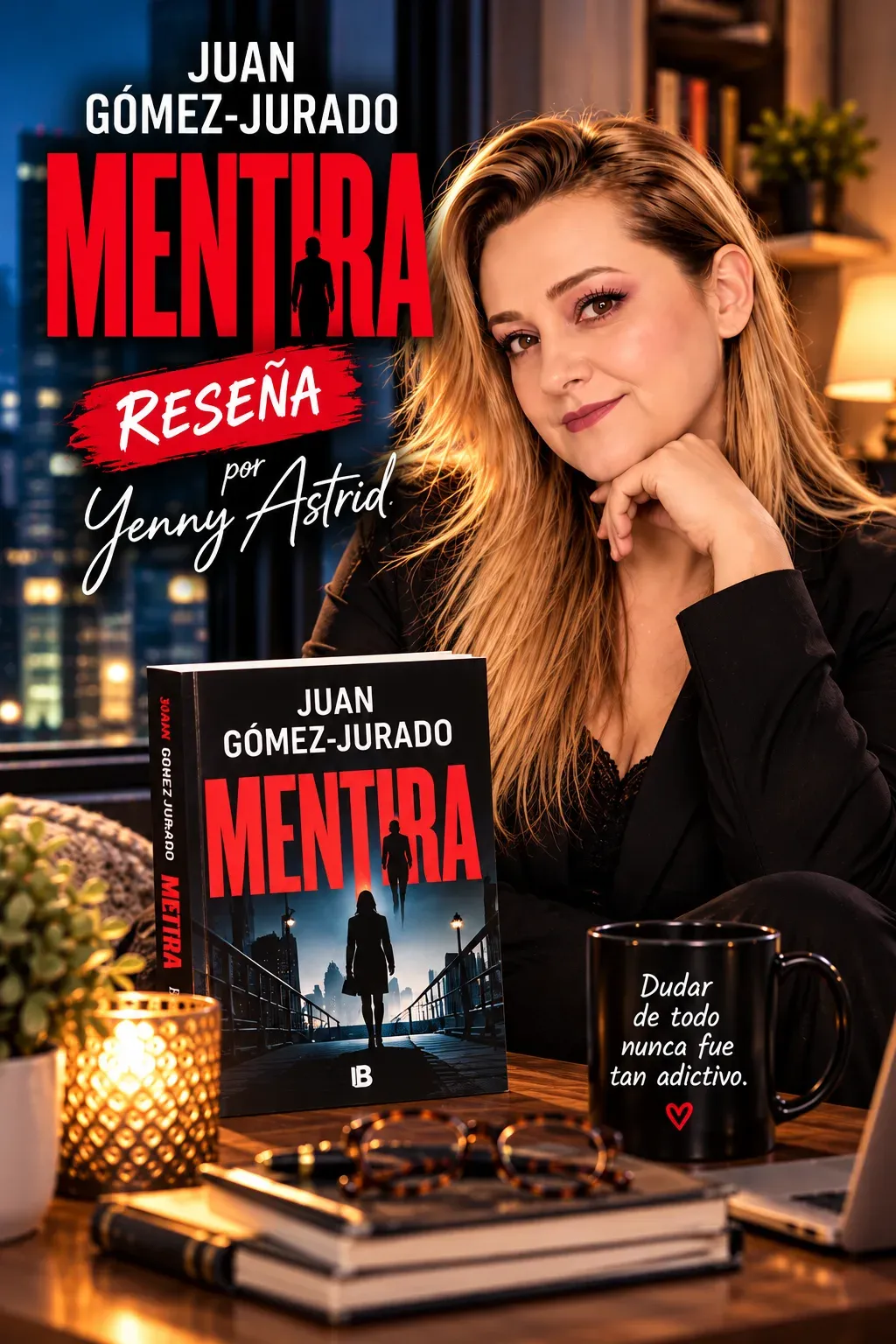
The Book
Lie
Mystery thriller
by Juan Gómez-Jurado
More reviews by Juan Gómez-Jurado →
4 out of 5 stars
If you keep believing her after that, you also have to ask yourself what you needed to hear.
When someone begins a conversation by warning you that their job is to lie, the sensible thing would be to move the chair closer to the exit. But it's enough for them to tell us that with us it will be different for that small vanity to kick in, the one so useful to con artists: others, yes; me, no. I deserve the exception.
Good Lord. She's already at work and we still haven't asked her name.
The narrator of Lie uses Eva Ramos as her identity. Gómez-Jurado sets that distrust up from the beginning, which is why the interest doesn't depend only on surprising us with a hidden lie. We've been warned. The hard part is working out what to do with the warning while we keep listening to her.
Eva doesn't owe us a confession just because we listen closely
A narrator who addresses the reader creates a very convenient intimacy. It seems she has stopped speaking to the others and leaned in to tell you something in your ear. You start to feel chosen, which is a splendid state for lowering your defenses.
I'm more interested in that effect than in the simple label of unreliable narrator. The label describes the device; it doesn't explain why, even knowing it, we let ourselves be carried along.
Partial frankness can be a very efficient way of managing trust. If someone admits a flaw, we expect them to admit the others too. If they admit a lie, we grant some credibility to whatever comes next. And that is where another deception can begin.
Eva makes us watch that negotiation. There's no reason to think that telling a story from the inside is the same as handing it over whole. A person can explain an enormous amount to avoid the one question they don't want to answer. We all know someone capable of producing forty minutes of context without getting close to what they did.
What not everyone has is the patience to turn it into a novel.
Snow has the irritating habit of not letting itself be persuaded
Eva and her brother Pablo are cut off in an Asturian village by a snowstorm. The job that brought them there turns into a situation with corpses, suspects and few chances of leaving.
Confinement changes the value of her skills. A professional liar can arrange what another person believes; she has far less authority over a blocked road. The weather is not flattered by being spoken to sweetly.
That makes the setting interesting. The ability to control versions has material limits. There is cold, there are bodies, and there are people trapped who need to make decisions before they have all the information.
In a situation like that, trust can't wait to become perfect. You'll have to believe someone in order to move, even if that someone hasn't passed a moral audit. Suspense feeds on that obligation: distrusting everyone can seem prudent until you need one of them to help you.
And a small village doesn't make the investigation simple. Knowing one another for years also offers plenty of chances for old grudges that a newcomer doesn't understand. Familiarity can hide things as effectively as it reveals them.
Pablo makes it uncomfortable to see her as a machine
Her brother's presence brings a responsibility that doesn't fit entirely into the portrait of a woman devoted to fabricating identities. Eva can treat a conversation as a maneuver; Pablo asks for something a maneuver cannot replace.
A close relationship has memory. It knows the versions you used before, what you do when you're frightened and the promises you still owe. It isn't necessarily impressed by the performance that works in front of other people.
I'm interested in the book letting us look at Eva from that closeness. A protagonist can be brilliant at solving other people's problems and rather clumsy when the problem includes someone she loves. That gives her a more concrete conflict than simply proving she is always the cleverest person in the room.
Because intelligence as spectacle wears out. You can admire one move, two, five. Then you also want to know what it costs the person to make them and what their talent fails to resolve.
Pablo offers a way of reading Eva's craft with a different question: what is she trying to protect when she lies? That doesn't automatically justify her decisions. But it stops us from confusing the person with an inventory of her tricks.
Learning to lie can also mean learning what powerful people want to hear
Eva's past includes her training under a manipulative man. That relationship matters because a craft doesn't appear out of nowhere: someone teaches procedures, sets the rewards and decides what the consequences of a mistake will be.
Sometimes we call character what another person trained for years. We see someone react coldly and forget to ask under what conditions they learned that showing fear was a disadvantage.
That doesn't turn her past into permission to do anything at all. It seems more interesting to hold both questions: how she became this way and what she is choosing now. Understanding a mechanism doesn't oblige you to celebrate it.
There is a particular perversity in training someone to deceive anyone and then demanding absolute loyalty. The master wants an exceptional tool, but he feels deeply offended to discover that the tool also learned how to defend itself against him.
With Eva, the fabricated identity stops being merely a thriller advantage. It also asks how much of you remains available after getting used to being whatever a situation demands. Changing versions can save you once. Doing it always may leave you unable to recognize when you're resting.
The reader also wants a lie that suits them
We love pointing out the credulity of characters, because from outside we think we see more. The book has given us a privileged place, and we occupy it as if it were our own merit.
But we still depend on someone who decides what to tell us. Careful reading helps; it doesn't manufacture information that isn't on the page yet. That's why I find it useful to observe not only what I suspect, but why one explanation attracts me more than another.
Sometimes we want to believe the character we like best. Or the one who speaks with confidence. Or the one who fits the kind of culprit we've already learned to look for. Afterwards we call that comfort intuition.
Lie proposes to play precisely in that zone. It isn't enough to keep noting falsehoods like someone grading an exam. We also have to admit that certain versions win us over because they offer us a pleasant position within the story.
I can distrust Eva and, even so, enjoy very much being led by the hand. That contradiction has a fair amount of humanity. It also carries a risk: when someone guides you with too much ease, it's worth looking now and then at where your feet are going.
What I didn't like about Lie
I accept that a novel called Lie lies to me.
It would be odd if it didn't.
What I don't like is being kept from information that the character does know, simply because they can't show it to me yet.
That's not the character deceiving me.
That's the writer covering my eyes.
And those aren't the same thing.
Deceive me.
But with some elegance.
Not by hiding the card under the table.
I won't declare perfect everything that manages to disorient me
The challenge of a novel built around lying is keeping a difference between hiding and cheating. The reader can accept that a character deceives. What costs more is feeling that the story changes the rules every time we get close to understanding it.
That's my criterion for this game. I want the revelations to let us review what came before, a lie to have a function and the past to explain without turning into a factory of excuses. Surprise alone doesn't meet those demands.
That's why I prefer to talk about what Lie sets in motion without handing you a verdict on every piece of the outcome. I won't tell you the culprit or the last twist here. Eva's interest lies elsewhere: in her capacity to come close to the reader while warning us that closeness isn't a guarantee either.
Gómez-Jurado offers a self-contained story, so you can enter without holding a map of Red Queen in your hand. What is worth bringing is a certain willingness to review what you believe.
Eva warns you from the start.
Frequently asked questions
Do I need to have read Red Queen first?
No. Lie is an independent novel from that universe.
Does this review reveal the ending?
No. It comments on the starting point and the construction of Eva without identifying the culprit or revealing the final twist.
Is it the Mentira by Care Santos?
No. I'm reviewing the novel by Juan Gómez-Jurado published in 2026; they are different books.
What is Lie about?
Eva and her brother Pablo are cut off in an Asturian village by a snowstorm. The job that brought them there turns into a situation with corpses, suspects and few chances of leaving.
What didn't I like about Lie?
That a novel made of lies runs the risk of cheating, not merely hiding things, and that intelligence as spectacle gets exhausted: after five moves I want to know what they cost Eva.
The Book
Lie
by Juan Gómez-Jurado
Get the bookIf you buy through this link, Yenny earns a small commission and you pay the same price.
Keep reading
If you liked it, keep going
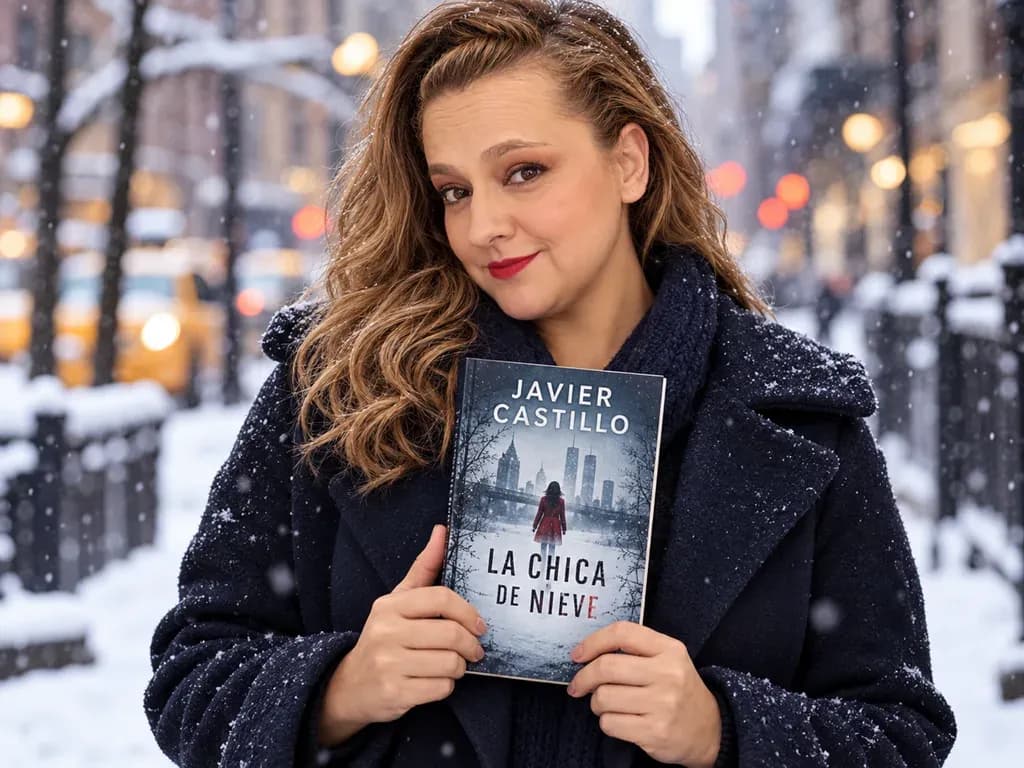
Javier Castillo
The Snow Girl
The Snow Girl: Kiera disappears and everyone moves on except her parents
Javier Castillo's The Snow Girl: Kiera vanishes at a New York parade and a tape reopens the case five years later. My honest review, 4 out of 5.
October 22, 2026
John Katzenbach
The Analyst
The Analyst: a birthday threat, fifteen days and a therapist who has lost control
John Katzenbach's The Analyst: a psychoanalyst gets fifteen days to find out who is threatening him. My honest review of this thriller.
October 22, 2026
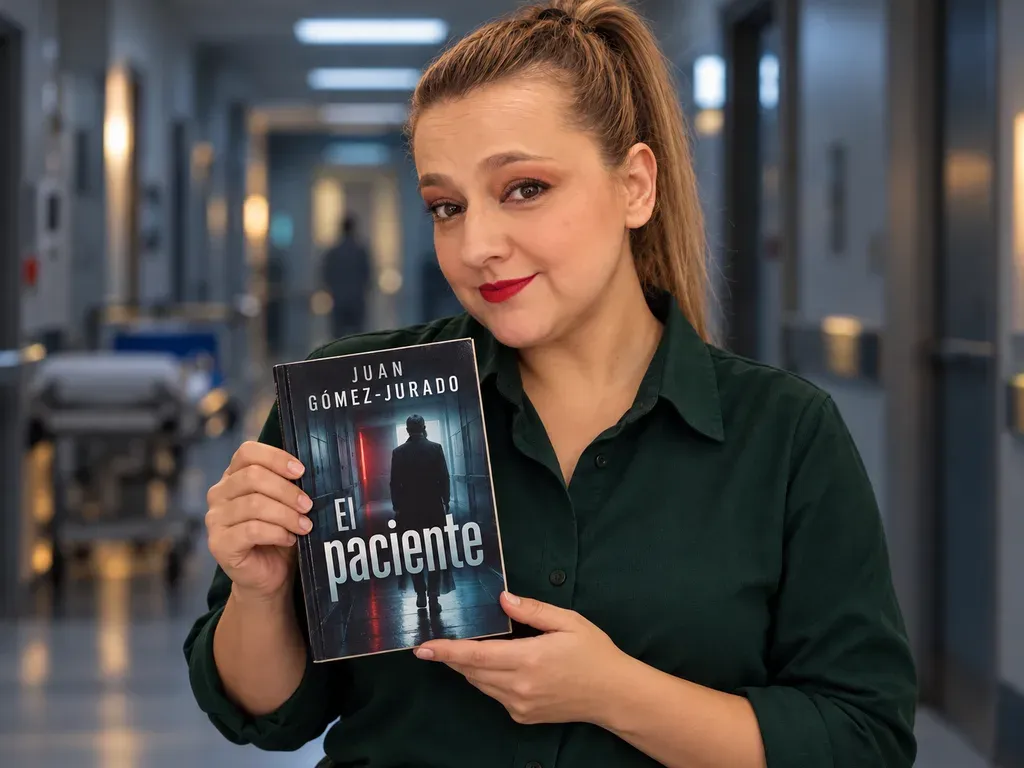
Juan Gómez-Jurado
The Patient
The Patient: the President on the operating table and a daughter nobody can trade
Juan Gómez-Jurado's The Patient: a neurosurgeon, a President on the table and a kidnapped daughter in sixty-three hours. My honest review.
October 22, 2026
Want more like this? Join the Readers Club and get one of my books for free.
Share
My books
Books by Yenny Astrid Londoño


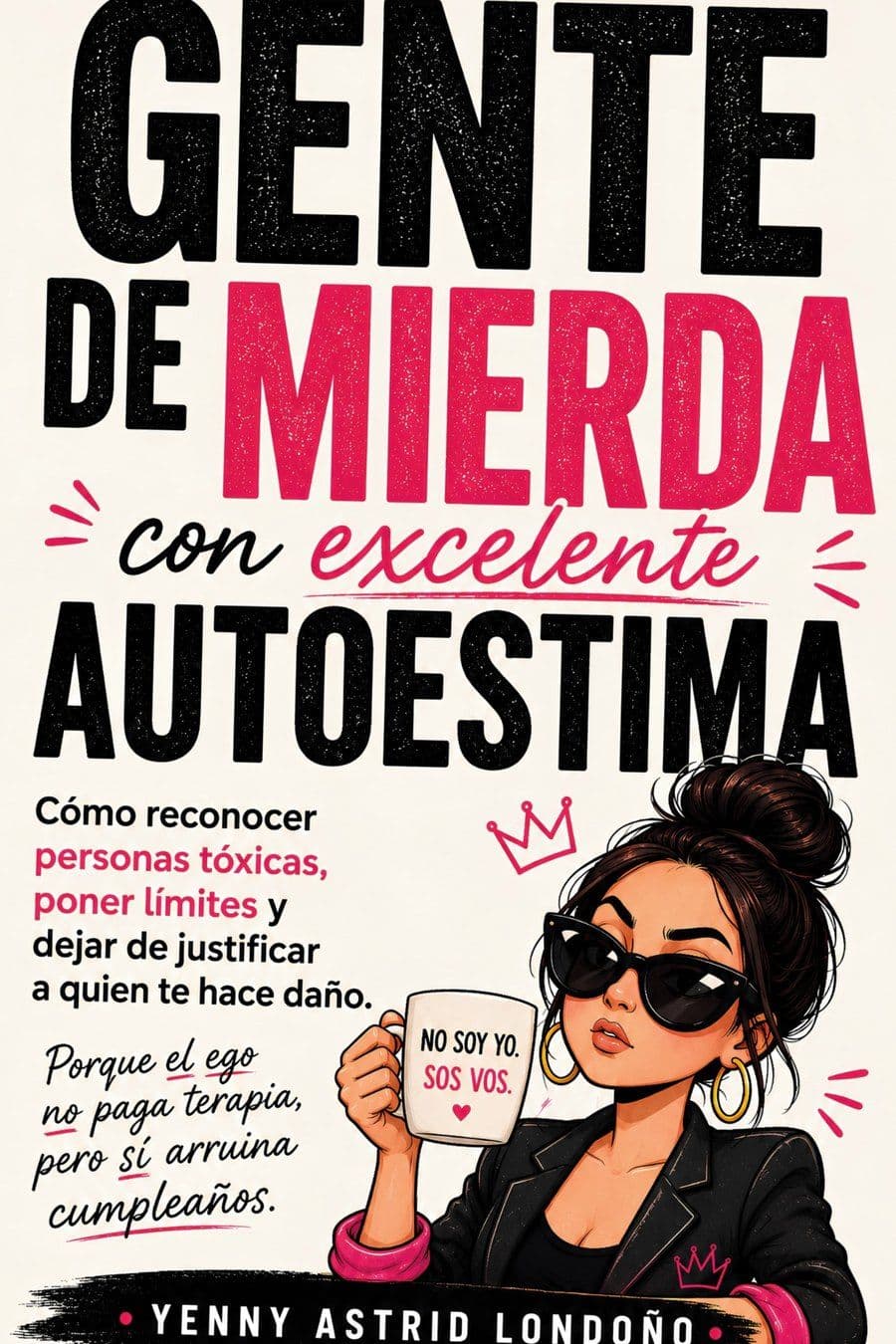
About the author
Yenny Astrid Londoño
Yenny Astrid Londoño is a Colombian author and entrepreneur, founder of Anchetas Medellín. She writes about real life with sarcasm, irony and smart humor, turning everyday situations, mistakes and imperfect relationships into stories that readers can laugh at and recognize themselves in.

A free book from me
Get a free book from me
Subscribe and get Sobreviviendo a mis muertos in full as a PDF.
After that, I'll only write when I have something worth telling you.
Also available: Read this review in Spanish →