
Book review
Satan:
Mario Mendoza's Satan: four lives in Bogotá and Campo Elías Delgado's story, based on the 1986 Pozzetto massacre. My honest review, 4.5 out of 5.
By Yenny Astrid Londoño · October 21, 2026 · 6 min read
Share
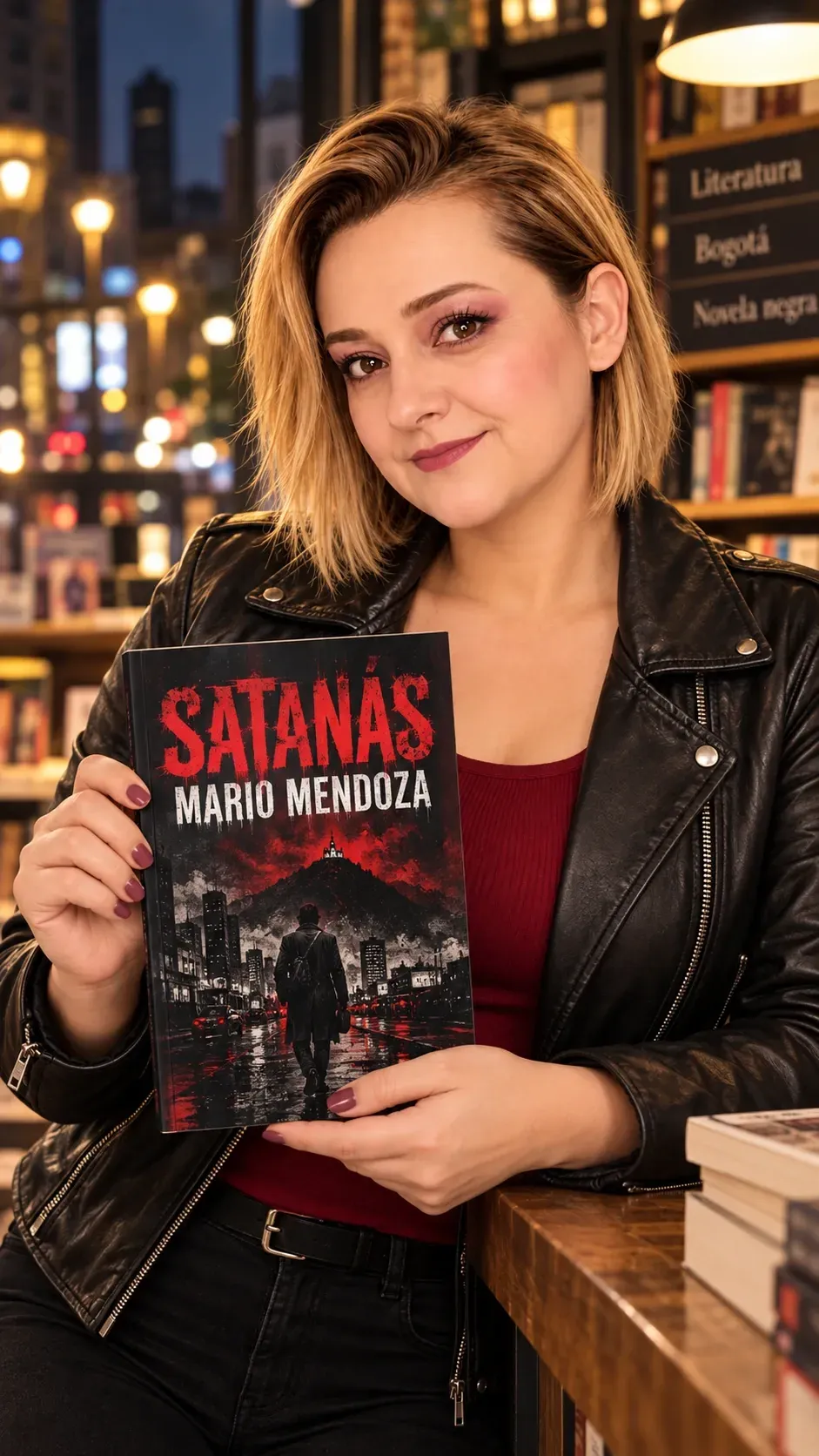
The Book
Satan
Horror
by Mario Mendoza
More reviews by Mario Mendoza →
4.5 out of 5 stars
I grant it the ambition of looking at several lives before a tragedy, and its ability to make Bogotá more than a map. I take points off for moments when fate seems too neatly designed and some characters are subordinated to the thesis.
A city, four lives, and the disaster gathering in the distance
Mario Mendoza’s Satan follows several people in Bogotá whose lives seem separate until the novel begins tightening the distance between them. We meet a woman who robs men, a painter wrestling with desire and frustration, a priest caught between his vocation and his own contradictions, and Campo Elías Delgado, whose story connects the fiction to the 1986 Pozzetto massacre. The structure asks us to look at ordinary days before they become part of something unbearable.
That choice matters. Mendoza is not giving us a neat detective puzzle where the only useful question is who did it. He is looking at isolation, power, desire, and the stories people tell themselves to keep going. Bogotá is more than a backdrop: its streets, inequality, and social distance shape the characters’ lives. The city feels like a place people inhabit and a pressure they carry around, which is a much harder thing to shrug off than a spooky old house.
Campo Elías: understanding is not absolution
Because Satan draws on a real massacre, the book needs to be read with care. Campo Elías is a real person represented through a literary construction; this novel is not a complete documentary account of the historical events. That distinction is important. Fiction can explore what violence does to people and communities, but it cannot turn a real tragedy into a convenient explanation with a single label attached.
I appreciate that the most responsible question is not “What made him do it?” as if finding a cause would close the case. We can examine conditions, choices, and warning signs without pretending that understanding a path is the same as pardoning the person who walked it. And please, let’s not use mental illness as a lazy universal explanation for violence. It harms real people and saves the rest of us from asking harder questions about behavior, power, and accountability.
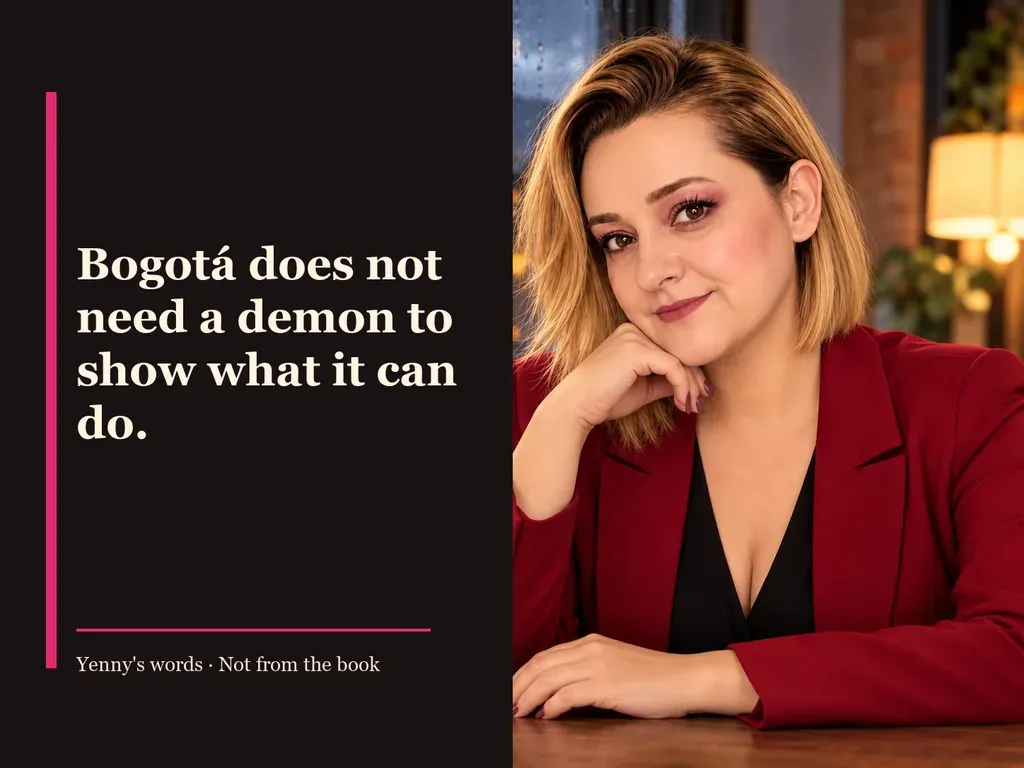
The everyday can become dangerous without turning into a demon story
The title may make you expect supernatural horror, but the novel’s force comes largely from human decisions and the environments that let them grow. Mendoza uses religious language and the idea of evil, yet Satan is not a conventional possession story. It is more interested in the unsettling possibility that cruelty does not need horns or a dramatic soundtrack to enter a room.
The characters’ private struggles do not all carry the same weight, and that unevenness is part of the book’s risk. At its best, each trajectory gives the city another angle: desire, shame, loneliness, or the attempt to make a life feel manageable. At other moments, I can see the architecture of the novel arranging people toward its central catastrophe. When I notice the scaffolding too clearly, the people start to look like evidence in an argument instead of lives that would continue beyond the page.
Violence is not more profound just because it shocks
Mendoza is willing to make the reader uncomfortable. That works when the discomfort opens a question about the person suffering, the person causing harm, or the society looking away. It works less well when the scene seems to assume that upsetting us is already the same as saying something. Shock is a tool; it is not a substitute for depth, even if it does make a louder entrance.
The novel also pushes toward fatalism. If every moment feels like the final step toward disaster, we can lose sight of the choices and social failures that still matter. A tragedy may have a terrible momentum without being inevitable. I wanted the book to leave more room for the possibility that people and institutions might have acted differently, because otherwise “this was bound to happen” can become a very comfortable excuse for everyone who watched from the edge.
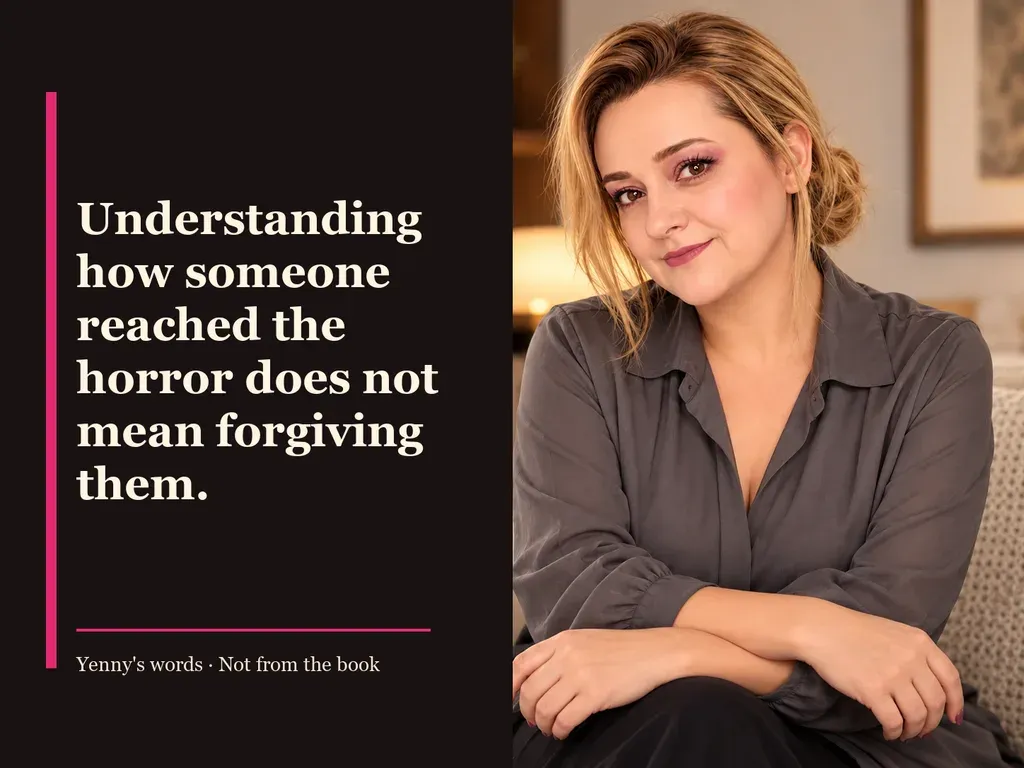
What I did not like
The ensemble does not give every character the same breathing room. Some figures feel more like a thematic function than a fully developed person, and the design of the coming disaster can sometimes show through the story. I also find the repeated sense of doom heavy-handed in places. I understand why Mendoza wants the reader to feel the pressure, but pressure and inevitability are not identical; the second can flatten the human choices that should remain visible.
A few scenes seem more invested in jolting the reader than staying with the person who is hurt. That is my clearest reservation, especially because the book has a strong eye for Bogotá and a serious subject. I give Satan 4 out of 5 stars: the city, the intersecting lives, and the questions about responsibility stay with me. I take off a point for the uneven character development and moments when the shock or fatalism gets more attention than the people living through it.
Who should read Satan, and what should they expect?
I recommend it to readers interested in Colombian fiction, urban stories, and novels that examine violence without turning the whole thing into a puzzle to solve. It helps to know that it draws on the Pozzetto massacre, but the book should not be treated as a complete historical record. If you want a traditional supernatural thriller, the title may point you in the wrong direction; the disturbing part here is how recognizably human the violence can be.
This is not a comforting book, and it does not tidy its questions into a lesson with a ribbon on top. Its best moments ask us to notice who is isolated, who is protected, and what stories allow a community to call horror somebody else’s problem. The weakest moments lean so hard toward the final catastrophe that I can feel the author steering. I still think it is worth reading, provided we discuss the real history with care and refuse to confuse explanation with absolution.
Frequently asked questions
It follows several lives in Bogotá, including a painter, a priest, a woman who robs men, and Campo Elías Delgado. Their stories explore isolation, desire, violence, and the real Pozzetto massacre.
It is a work of fiction that draws on real events and a real perpetrator connected to the 1986 Pozzetto massacre. It is not a complete documentary reconstruction.
Not in the conventional sense. It uses religious language and the idea of evil, but its main focus is human behavior, social conditions, and violence.
The novel refers to the 1986 massacre at the Pozzetto restaurant. Readers should distinguish Mendoza’s literary portrayal from a fully sourced historical account.
I give it 4 out of 5 stars for its portrait of Bogotá, intersecting stories, and questions about responsibility. Uneven character depth and some shock-driven scenes keep it from a perfect score.
Readers interested in Colombian literature, urban fiction, and stories about violence and social responsibility may find it compelling. It is not a conventional supernatural thriller.
Frequently asked questions
Is Satan by Mario Mendoza based on real events?
The novel incorporates material inspired by the Pozzetto massacre, which took place in Bogotá in 1986, and weaves it together with fictional characters and scenes. It should not be read as a complete documentary reconstruction.
Who was Campo Elías Delgado?
He was responsible for the murders linked to Pozzetto. In the novel he appears within a literary construction; it is important to distinguish that representation from verified historical facts.
What is Satan about without revealing the ending?
It follows several paths in Bogotá: a woman who steals, a painter, a priest and Campo Elías. Their lives explore loneliness, desire, violence and the justifications each one builds.
Is it supernatural horror?
The title and religious language may suggest it, but its central force is human and psychological violence, not a classic story of possession.
Do I need to know the Pozzetto story to read it?
No. Knowing that it is based on a real tragedy helps you read with more responsibility, but the novel has its own narrative structure.
Are there scenes that may be hard to read?
Yes. It includes murders, violence and material inspired by a real massacre. It's a good idea to check a sample if these contents affect you.
The Book
Satan
by Mario Mendoza
Get the bookIf you buy through this link, Yenny earns a small commission and you pay the same price.
Keep reading
If you liked it, keep going
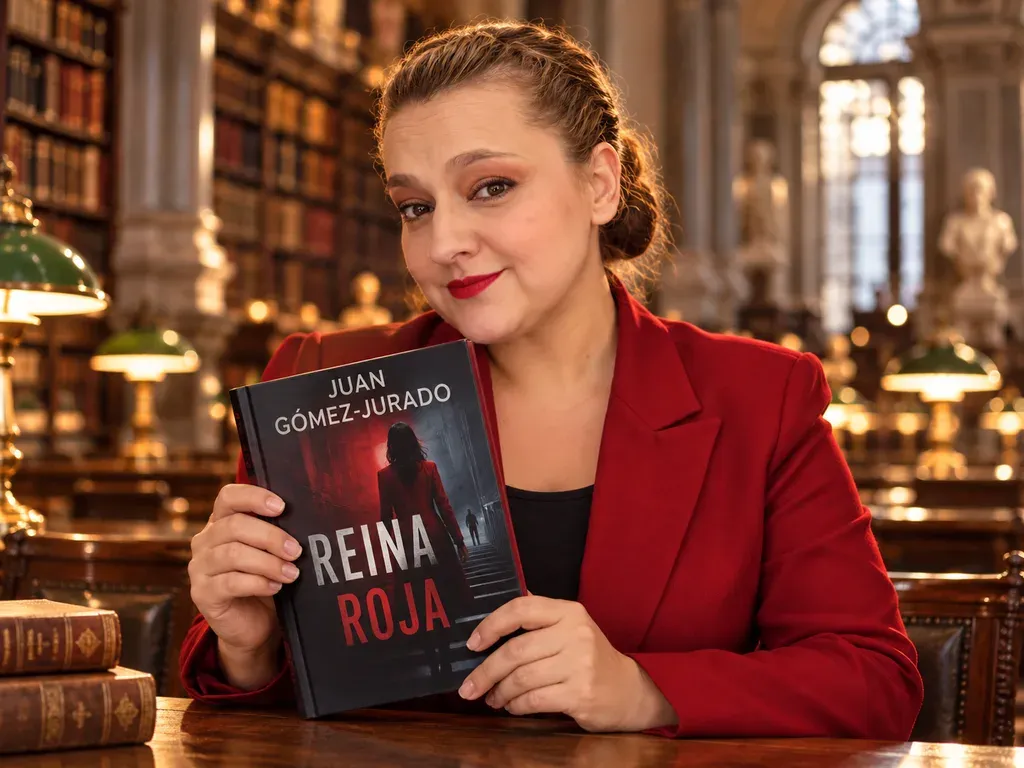
Juan Gómez-Jurado
Red Queen
Red Queen by Juan Gómez-Jurado: Antonia Scott sees everything except a reason to leave her apartment
Antonia Scott has no badge, no official job and an intelligence powerful enough to make a room uncomfortable. Jon Gutiérrez arrives at the wrong door and gets pulled into a case involving wealth, power and people who believe money can buy silence. It can buy quite a lot. It cannot always buy good judgment.
October 26, 2026
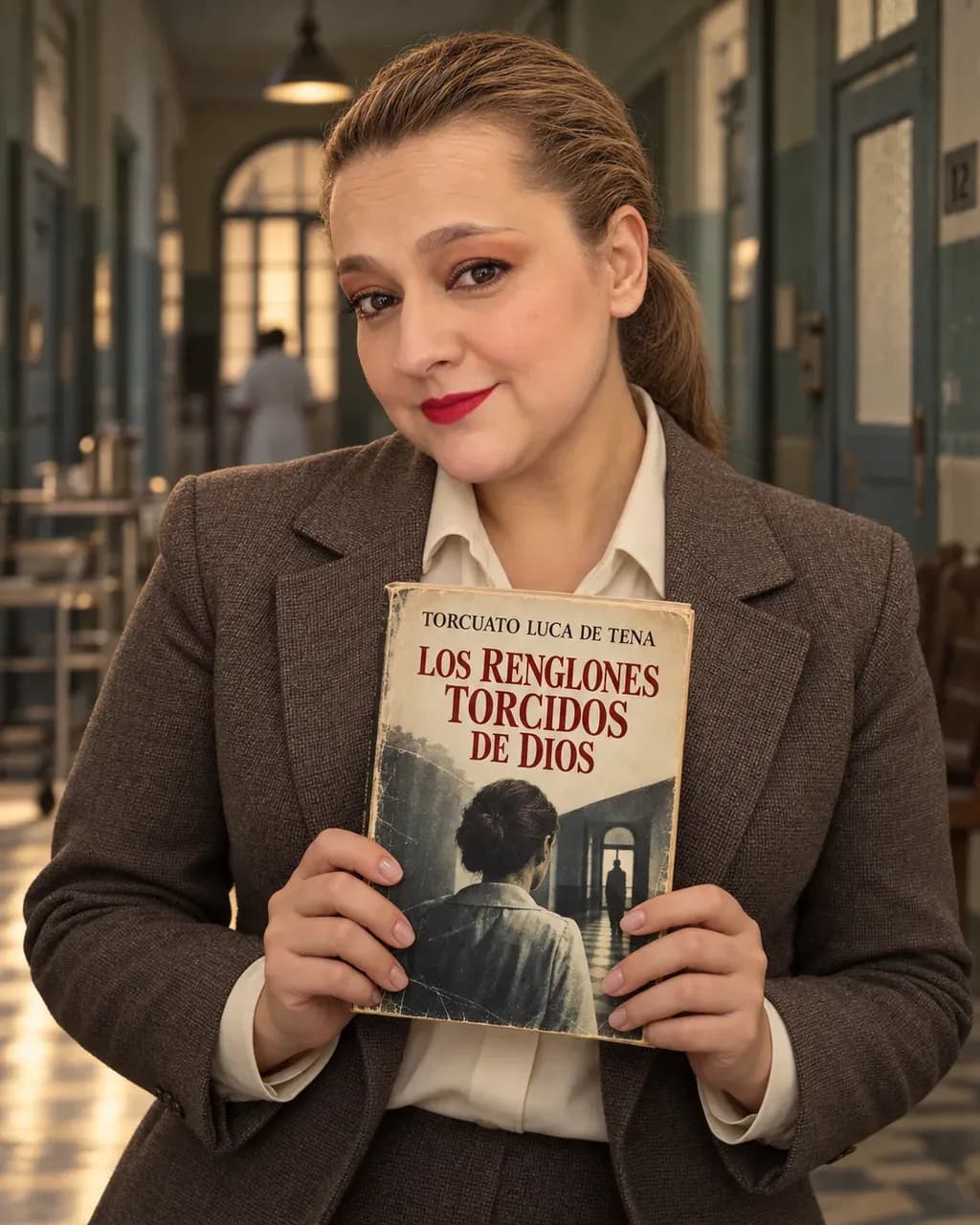
Torcuato Luca de Tena
God's Crooked Lines
God's Crooked Lines by Torcuato Luca de Tena: who gets to decide who is sane?
Alice Gould enters a psychiatric institution with a story of her own. The hospital has another version. That is where the novel starts asking a question institutions would rather keep in their paperwork: who gets to name someone sane, and what happens when the person holding the file is wrong?
October 26, 2026
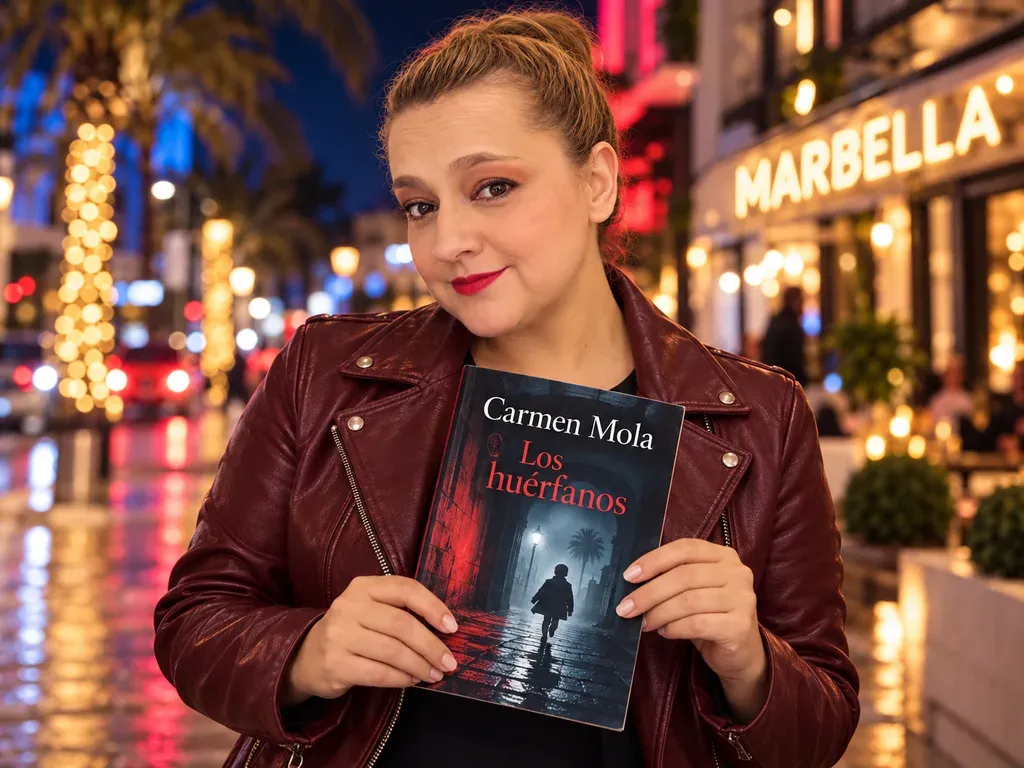
Carmen Mola
The Orphans
The Orphans by Carmen Mola: abandoned children grow into crime bosses. What a hell of a career path
Three children meet in Belfast, build a family out of survival and grow into adults who have learned how to make money from crime. Years later, a case pulls Laura Pastor and her family into a world where loyalty is real, but so are the bullets. The title sounds sad; the career path is considerably worse.
October 25, 2026
Want more like this? Join the Readers Club and get one of my books for free.
Share
My books
Books by Yenny Astrid Londoño



About the author
Yenny Astrid Londoño
Yenny Astrid Londoño is a Colombian author and entrepreneur, founder of Anchetas Medellín. She writes about real life with sarcasm, irony and smart humor, turning everyday situations, mistakes and imperfect relationships into stories that readers can laugh at and recognize themselves in.

A free book from me
Get a free book from me
Subscribe and get Sobreviviendo a mis muertos in full as a PDF.
After that, I'll only write when I have something worth telling you.
Also available: Read this review in Spanish →