
Book review
The Fourth Monkey:
Sam Porter has a victim to find and a story that shouldn't be received as a disinterested confession.
By Yenny Astrid Londoño · October 8, 2026 · 7 min read
Share

The Book
The Fourth Monkey
Crime and suspense thriller
by J. D. Barker
4.5 out of 5 stars
The diary may have many pages. The victim doesn't have that much time.
A killer who leaves a diary has a fairly irritating advantage: besides causing harm, he intends to choose how we are going to understand it. You're already busy with the bodies and still get a reading assignment. What a considerate man.
The Fourth Monkey opens with a man run over by a car who is carrying a box linked to a serial killer. Sam Porter and his team, in Chicago, must figure out where the last victim is. The possible death of the perpetrator doesn't solve the problem of someone who is still locked away.
That opening has force because it takes away a comfort readers usually keep. Finding the killer does not amount to saving the person. And in the middle of the urgency there is a story that demands attention precisely when time is needed somewhere else.
The corpse didn't end the case
In many police stories, identifying the culprit seems to contain the ending. We know who, so we can put what happened in order. Barker uses that premise to separate knowledge from solution.
Porter needs a concrete location. Knowing what kind of man a box belongs to doesn't open the door where someone is waiting. The investigation has to produce an action, and that obligation makes every explanation compete with the time available.
I like the narrative cruelty of that difference. A case can be full of information and still not offer what is indispensable. The file grows while the victim needs something much simpler: to get out.
Urgency forces you to read objects and words with practical interest. They are not memories to display later in front of a camera. They can point to a place or a relationship that makes movement possible.
And that sets up a good tension with the diary. Whoever left it may be supplying answers, but also managing the route. The police need to make use of it without granting it all the authority it seems to claim.

The boxes turn pain into a message
The pattern of the Fourth Monkey includes sending parts of the victims' bodies to their families. The reference to not hearing, not seeing and not speaking comes with a moral pretension tied to the monkey.
What unsettles me about that mechanism is not only the mutilation. It's the wish to make other people receive and understand a message through the body of someone they love.
The killer forces the family to take part in his performance. Physical harm isn't enough for him; he needs the waiting, the opening of a box and the meaning he has decided to impose.
There are fictional criminals built to fascinate us with the precision of their method. Here it's worth remembering what that fascination costs. Every symbol comes from a person who never asked to become part of an idea.
The coherence of the ritual can make a plot memorable. It doesn't make the perpetrator deep on its own. Having a system can also mean someone organized his capacity to be a bastard better.
The diary deserves attention and distrust
The passages of the diary open a story of childhood marked by violence. That alternation lets the past compete with the present investigation and changes what we expect to understand about the killer.
But recounting an origin is not the same as delivering a neutral explanation. A person chooses where to begin, what to remember and what to ask us to read as cause. Even a confession can be working on its own reputation.
I'm interested in reading the diary with that caution. The horror of the past may be true inside the story and, even so, be arranged to produce an effect on whoever receives it.
That matters because childhood tends to work as a key that is too powerful in stories about killers. Someone tells us what was done to them, and suddenly every later atrocity seems part of an inevitable chain. The chain can help us understand; the inevitability still needs more examination.
A mistreated child deserves protection. The adult who does harm deserves investigation. There is no obligation to cancel one of those sentences in order to hold up the other.
The diary can enlarge the character without turning the current victims into footnotes to his original suffering. That balance is what I'm keen to watch.
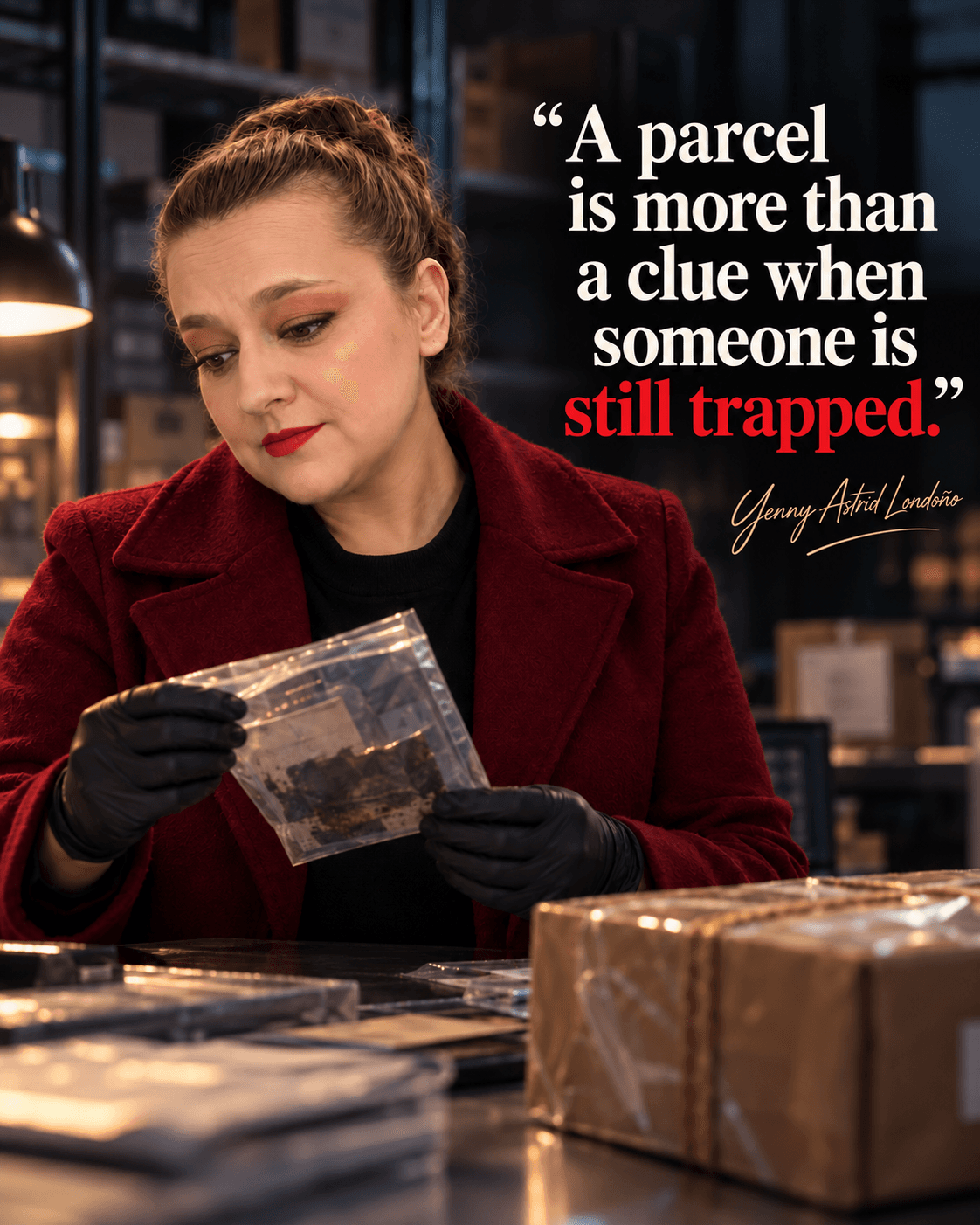
Porter works with people, and that matters more than the detective's pose
Porter is not just an individual gaze following a monster. The investigation includes a team, procedures and conversations that put different data in relation to one another.
I like that police work has room, because the spectacular killer usually ends up taking over all the intelligence of the book. He foresees, he designs, he understands. The others run trying to recover the information that the gentleman deigns to hand over.
When the team carries weight, the investigation keeps another kind of capacity: comparing, arguing, admitting an error and moving forward without needing a theatrical revelation on every page.
Attention to the detective also raises a question about the use of his personal difficulties. They can give him a life that continues beyond the case, or they can become the usual collection of wounds that makes him look deep.
My interest is in his condition relating to what he looks at and to what it costs him to act. Pain doesn't work better because it's abundant. It works when it changes an action, a relationship or a silence we later recognize.
Violence can sustain tension and also wear it out
The Fourth Monkey asks for tolerance of graphic material. It's worth saying clearly: the fear comes with mutilation and cruelty; we are not facing a parlor mystery where the body is carried off before tea.
That can supply a real urgency, but it also forces the book to manage its impact. If everything has to be worse than what came before, the reader may end up measuring the atrocity instead of feeling the threat.
I'm interested in violence keeping a relationship with people. In remembering who is waiting, who lost someone and who can still get out. When the killer's procedure takes all the attention, the pain starts to look like a technical demonstration.
That's why the race to find the victim is so important. It makes concrete what could stay at the level of fascination with a method. As long as someone is alive, the investigation keeps a purpose that doesn't end with deciphering a mind.
The thriller works better when the question of where that person is weighs as much as the question of who left the diary.
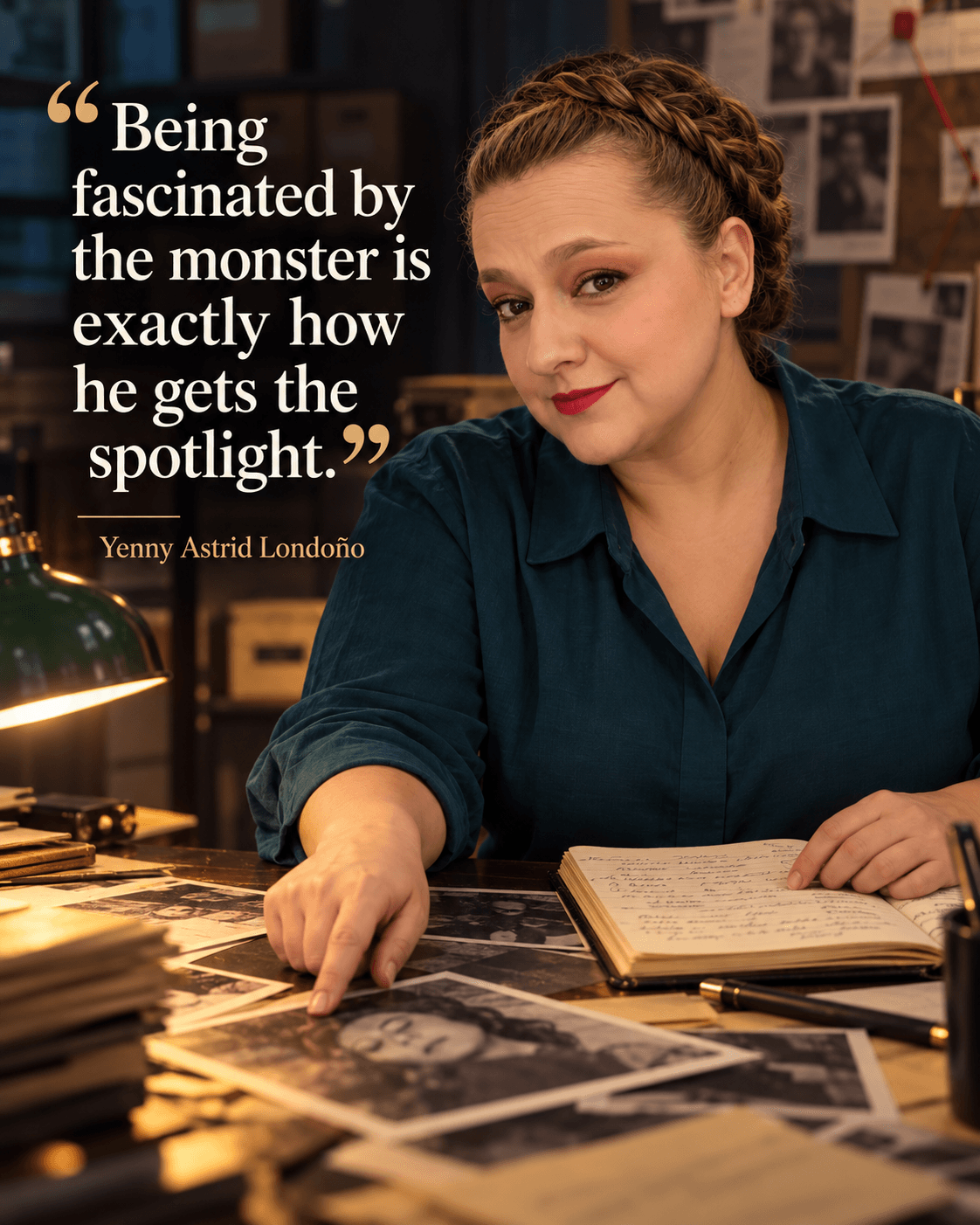
What I didn't like about The Fourth Monkey
The killer is so creative that one almost has to remind oneself:
Hey.
We're not grading a thesis.
There's a victim suffering.
Because the danger of these thrillers is exactly that: the villain ends up so well built that he steals the whole stage.
And one starts saying:
“What a twisted mind.”
No, Yenny.
What a bastard.
Let's get back to basics.
The first book opens a longer road
This is the entry point of a trilogy that continues with The Fifth Victim and The Sixth Trap. It's worth knowing before you demand that this volume close the whole story as if there were no further road.
That doesn't excuse it from offering an investigation that matters on its own. A first book has to hold up present interest; it can't just promise that greatness arrives when you buy two more.
Here I keep the resolution and the later twists to myself. What the premise already allows us to discuss is the relationship between the crime and the story the criminal leaves behind: how much attention a story needs to receive in order to help find someone, and at what point that attention starts giving the killer exactly the audience he wanted.
The Fourth Monkey has a disturbing starting point, an urgent investigation and a past that demands distrust. For someone who enjoys dark thrillers and can tolerate their violence, that combination is a powerful way in.
As for me, I'd rather not forget the person who is still waiting.
Frequently asked questions
Is it a standalone novel?
It's the first volume of a trilogy. It continues with The Fifth Victim and The Sixth Trap.
Is there explicit violence?
Yes. It includes kidnapping, mutilation, torture and disturbing material related to childhood.
Does this review spoil the trilogy?
No. It focuses on the first book and keeps the resolution and the revelations of the later ones.
What is The Fourth Monkey about?
A man run over by a car is carrying a box linked to a serial killer. Sam Porter and his team, in Chicago, must figure out where the last victim is. The possible death of the perpetrator doesn't solve the problem of someone who is still locked away.
What didn't I like about The Fourth Monkey?
That graphic violence can wear thin: if everything has to be worse than what came before, you end up measuring the atrocity instead of feeling the threat. And that a first trilogy volume has to hold up on its own.
The Book
The Fourth Monkey
by J. D. Barker
Get the bookIf you buy through this link, Yenny earns a small commission and you pay the same price.
Keep reading
If you liked it, keep going

Juan Gómez-Jurado
Red Queen
Red Queen by Juan Gómez-Jurado: Antonia Scott sees everything except a reason to leave her apartment
Antonia Scott has no badge, no official job and an intelligence powerful enough to make a room uncomfortable. Jon Gutiérrez arrives at the wrong door and gets pulled into a case involving wealth, power and people who believe money can buy silence. It can buy quite a lot. It cannot always buy good judgment.
October 26, 2026
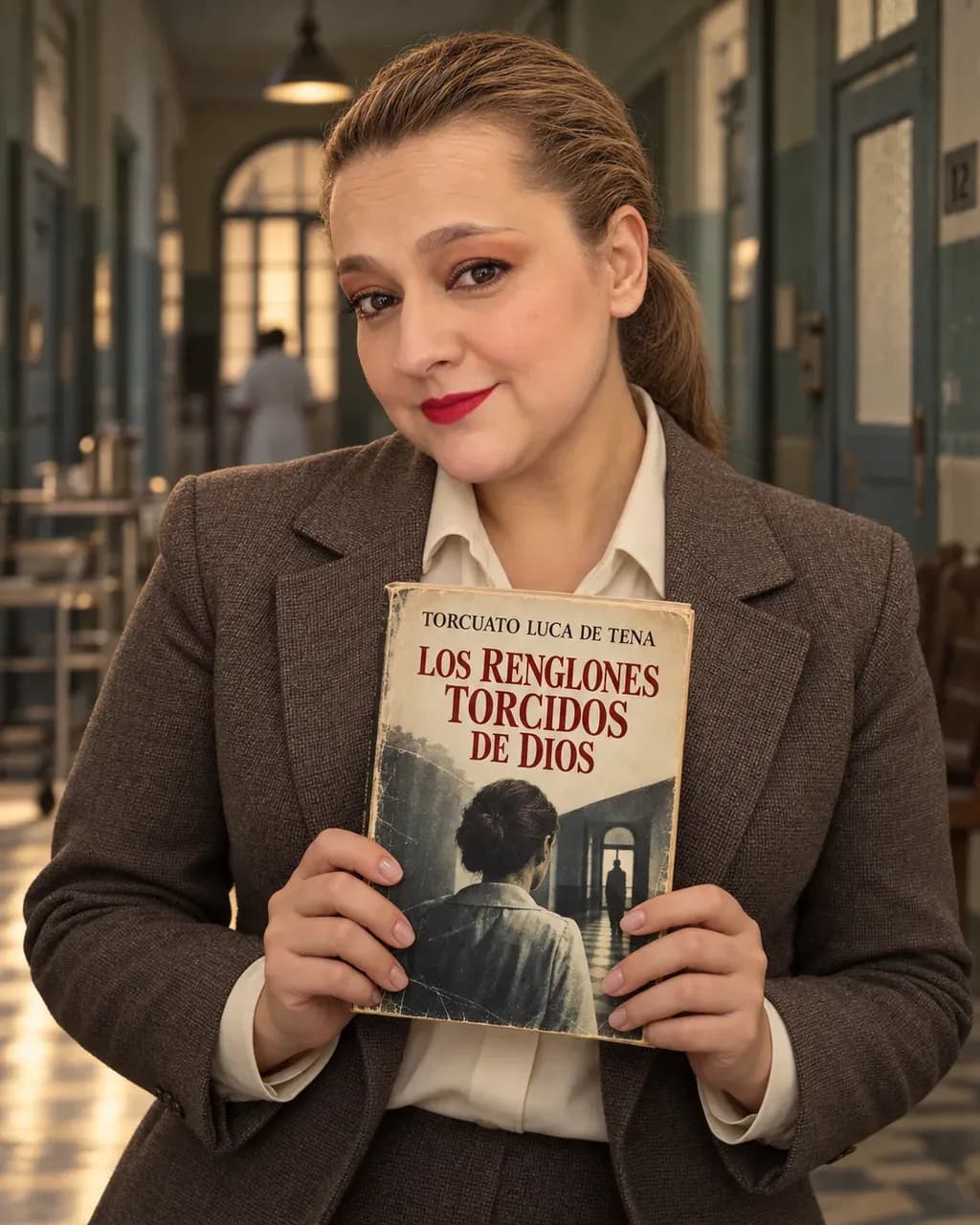
Torcuato Luca de Tena
God's Crooked Lines
God's Crooked Lines by Torcuato Luca de Tena: who gets to decide who is sane?
Alice Gould enters a psychiatric institution with a story of her own. The hospital has another version. That is where the novel starts asking a question institutions would rather keep in their paperwork: who gets to name someone sane, and what happens when the person holding the file is wrong?
October 26, 2026
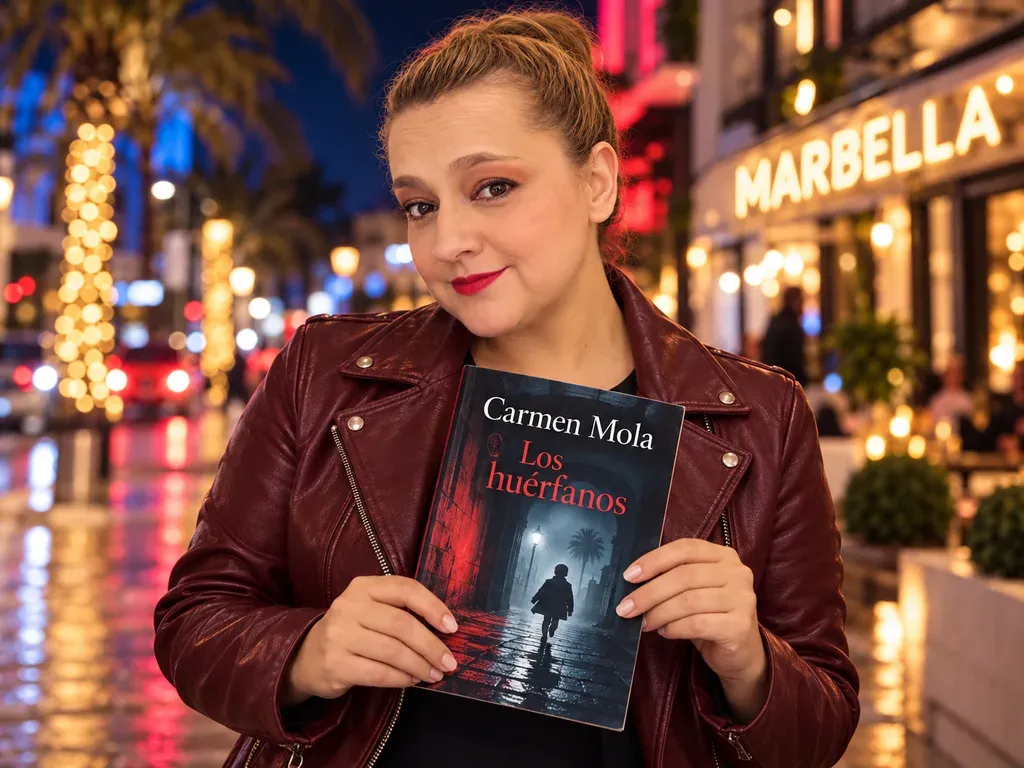
Carmen Mola
The Orphans
The Orphans by Carmen Mola: abandoned children grow into crime bosses. What a hell of a career path
Three children meet in Belfast, build a family out of survival and grow into adults who have learned how to make money from crime. Years later, a case pulls Laura Pastor and her family into a world where loyalty is real, but so are the bullets. The title sounds sad; the career path is considerably worse.
October 25, 2026
Want more like this? Join the Readers Club and get one of my books for free.
Share
My books
Books by Yenny Astrid Londoño



About the author
Yenny Astrid Londoño
Yenny Astrid Londoño is a Colombian author and entrepreneur, founder of Anchetas Medellín. She writes about real life with sarcasm, irony and smart humor, turning everyday situations, mistakes and imperfect relationships into stories that readers can laugh at and recognize themselves in.

A free book from me
Get a free book from me
Subscribe and get Sobreviviendo a mis muertos in full as a PDF.
After that, I'll only write when I have something worth telling you.
Also available: Read this review in Spanish →