
Book review
The Silence of the White City:
Eva García Sáenz de Urturi's The Silence of the White City: Vitoria, new ritual murders and a convicted archaeologist. My honest review.
By Yenny Astrid Londoño · October 22, 2026 · 6 min read
Share
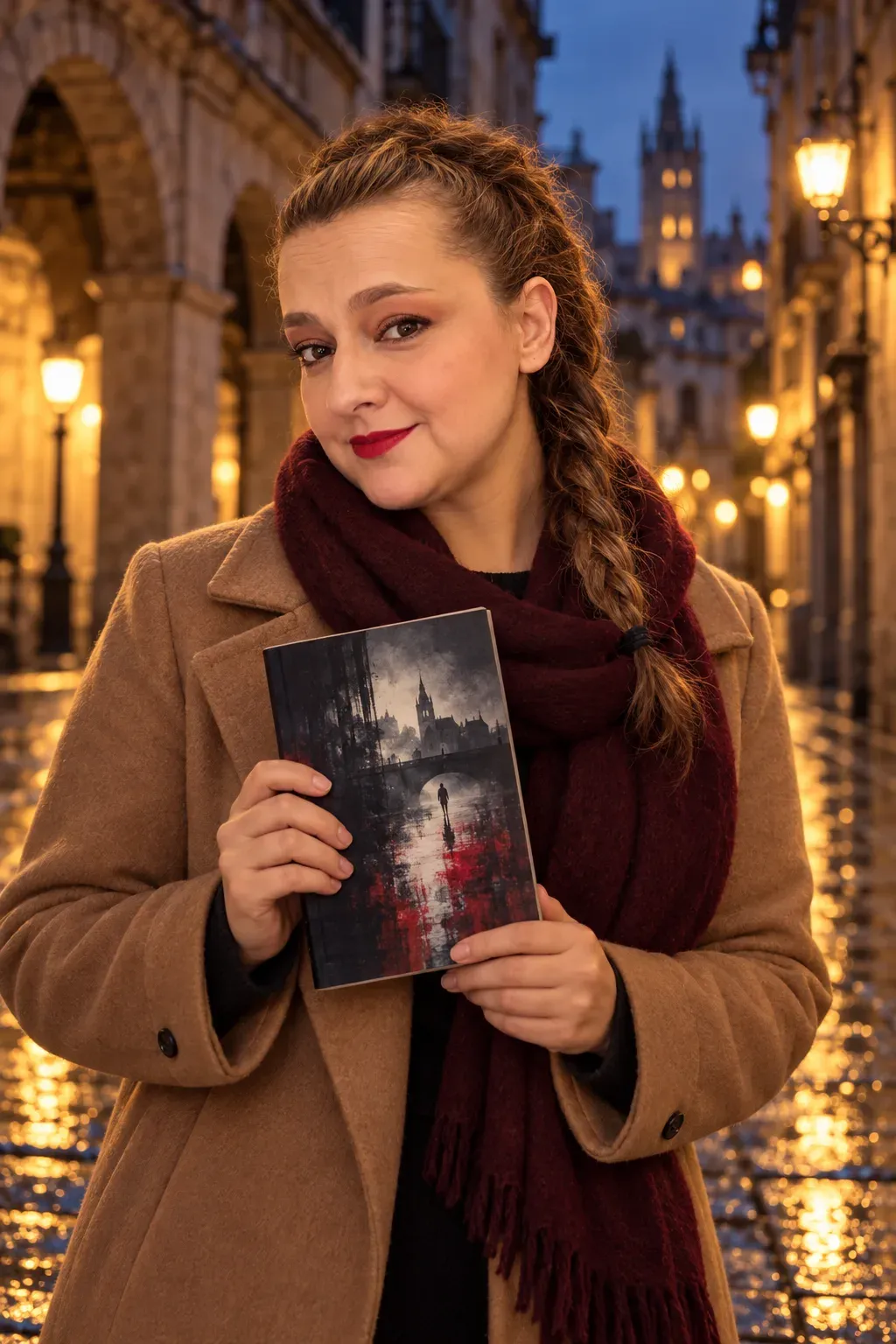
The Book
The Silence of the White City
Noir fiction
by Eva García Sáenz de Urturi
4 out of 5 stars
Vitoria, the age pattern and the suspicion around Tasio make a case with its own identity.
A city that thought the case was closed
Vitoria had seen strange murders two decades earlier. Tasio Ortiz de Zárate, a brilliant archaeologist, was convicted, and he is close to his first prison furlough when new victims appear. The past, which supposedly already had a name and a sentence attached to it, shows up again without knocking.
The premise gets me thinking about what a city does to its own memory so it can keep functioning. Some cases become a date, an archived headline, a building people glance at from the corner of their eye. When the pattern returns, the question is not only who did it. We also have to ask who needed so badly to believe the chapter was over.
The Old Cathedral is not pretty crime-scene wallpaper
A twenty-year-old couple is found dead in the Old Cathedral, bee stings in their throats. Then another couple, both twenty-five, turns up at the Casa del Cordón. The historic locations and ages do not feel random. Someone is staging a scene for the city to see itself in.
I love thrillers where place matters, but I get tired when heritage is just a crime-scene postcard. A cathedral does not make the killer clever by itself. An old square does not explain a clue just because the camera glides past it with ominous music. Vitoria has history, streets, and people who live there; it is not a tourist brochure with bonus corpses.
Tasio: convicted, suspected, and far too convenient
Tasio has already paid, or is still paying, for the earlier murders. A similar series begins just before his furlough, reopening questions. Is someone copying the old crimes? Did the original case get the wrong man? Did somebody choose the timing so everyone would look at the usual suspect again? I do not need the answer yet to see how useful the coincidence is to anyone hoping to manipulate the investigation.
Crime fiction has a bad habit of serving up the perfect suspect so early that we start doubting him before we know what he had for breakfast. If the case arrives gift-wrapped with a card that says “guilty,” perhaps somebody tied the bow. A past conviction matters; it does not replace evidence in a new murder.
Kraken can profile a killer; he cannot read souls
Unai López de Ayala, known as Kraken, works on criminal profiles and carries a personal tragedy. That combination has promise and a trap. Fictional profilers sometimes look like fortune-tellers with case files: they study a scene, furrow their brows, and announce the killer’s childhood, job, and shoe size. Take a breath, man. Interpretation is not Wi-Fi into a criminal’s head.
What interests me is whether he can live with being wrong. A theory can point the investigation in a useful direction, or close the eyes of the person who came up with it. If Kraken misses, the cost is not academic: people are in danger, and the whole city has already learned whom to suspect. Intelligence is more convincing when it can doubt itself than when it delivers perfect certainty.
The victims’ ages turn a pattern into a countdown
Two victims are twenty, then two are twenty-five. The pattern starts a clock. If the investigation focuses on decoding the sequence, it also has to protect people who might fit the next slot. A criminal rule is terrifying because it turns living people into future boxes on a chart.
The couples at the Old Cathedral and Casa del Cordón follow a pattern that echoes the case from twenty years before. That repetition makes the victims part of a staged display, and Unai’s investigation needs to look beyond the symmetry. I am interested in the contrast between the killer’s carefully prepared pattern and actual lives reduced to dates in a file.
Archaeology, old stories, and a city built in layers
Tasio is an archaeologist, and the clues brush against ancient remains and legends from northern Spain. That gives the investigation a texture other urban procedurals do not automatically have. Vitoria is more than a location in a header; its buildings, ages, and memories can all become part of how we read the case.
But every historical layer still has to serve the plot and the people in it. If every old symbol points to a perfect clue, the story starts to feel like a guided tour designed by a killer with way too much free time. I want the past to carry weight, not solve everything because a clue happens to be written in Latin.
Fear changes the lives of people who are still alive
When a killer chooses familiar places, the crime also hijacks routines. The route to work changes. A father watches his daughter leave at night differently. A building you used to enter without thinking starts to feel colder. That change across a community interests me more than a headline saying “city in terror.”
Public fear is not shared equally. Some people can lock themselves in and pay for security; someone else still has to cross the same street at six in the morning because their shift starts then. A crime novel feels more honest when it remembers that a city does not feel fear as one person. Real people have different options.

Unai’s tragedy should not do the work of giving him a personality
Kraken has suffered a loss. In this genre that is often the password for “deep”: give the detective a tragedy, black coffee, and we are supposed to know him. No, thanks. A wound matters because of how it changes his choices, the way he treats people, and whether he can admit he might be wrong.
So I pay less attention to the biography and more to how he treats people while investigating. Does he listen to his colleagues? Can someone challenge his profile? Does he remember the victims as people, rather than extensions of his own grief? Old pain is not a license to manage everyone badly or claim the whole case’s sorrow.
What I did not like
Ritual murders, archaeology, legends, and Unai’s personal tragedy bring a lot of threads into one investigation. If a thread feels like an explanation bolted on instead of something the case needs, the mystery gets harder to follow. And using young couples as victims can make the pattern more visible than the individual people who died.
Who should read it
This is for readers who like serial-killer thrillers, criminal profiling, historic cities, and secrets that move between past and present. If you prefer a dry procedural that stays close to police work, this one leans harder on atmosphere and symbolism. The violence against young couples may also be difficult for some readers.
I give it 4 out of 5 stars. Vitoria, the age pattern, and suspicion around Tasio give the case its own identity. I take off a star for symbol overload: I like decoding a city, but I do not need every paving stone to come with a footnote and ominous music.
Frequently asked questions
What is The Silence of the White City about?
New ritual murders shake Vitoria just as Tasio Ortiz de Zárate, convicted of similar crimes twenty years earlier, is about to be granted a furlough.
Who is Kraken?
Unai López de Ayala, the criminal profiler who leads the trilogy.
Who is Tasio Ortiz de Zárate?
An archaeologist convicted of the old murders, whose situation becomes relevant when new crimes appear.
Where is the novel set?
In Vitoria-Gasteiz, with places like the Catedral Vieja and the Casa del Cordón within the premise.
Is it the first book in a series?
Yes. It opens the Trilogía de la Ciudad Blanca, followed by Los ritos del agua and Los señores del tiempo.
Does it have supernatural elements?
It uses mythology and an unsettling atmosphere, but it is presented as a crime thriller, not a ghost novel.
The Book
The Silence of the White City
by Eva García Sáenz de Urturi
Get the bookIf you buy through this link, Yenny earns a small commission and you pay the same price.
Keep reading
If you liked it, keep going
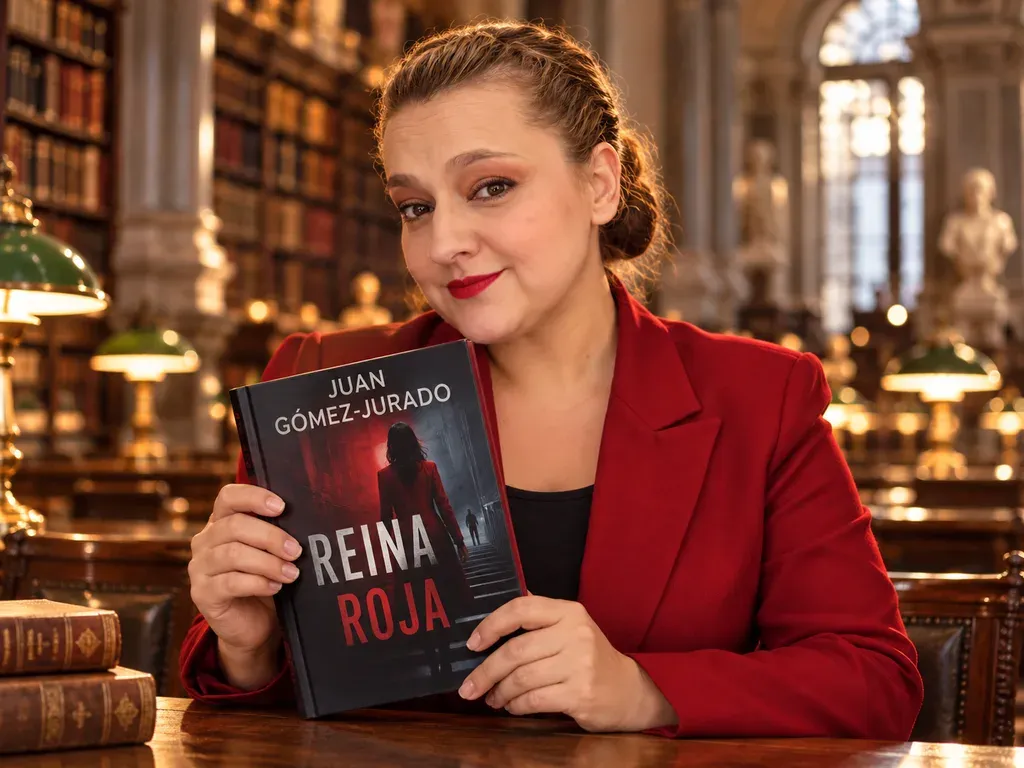
Juan Gómez-Jurado
Red Queen
Red Queen by Juan Gómez-Jurado: Antonia Scott sees everything except a reason to leave her apartment
Antonia Scott has no badge, no official job and an intelligence powerful enough to make a room uncomfortable. Jon Gutiérrez arrives at the wrong door and gets pulled into a case involving wealth, power and people who believe money can buy silence. It can buy quite a lot. It cannot always buy good judgment.
October 26, 2026
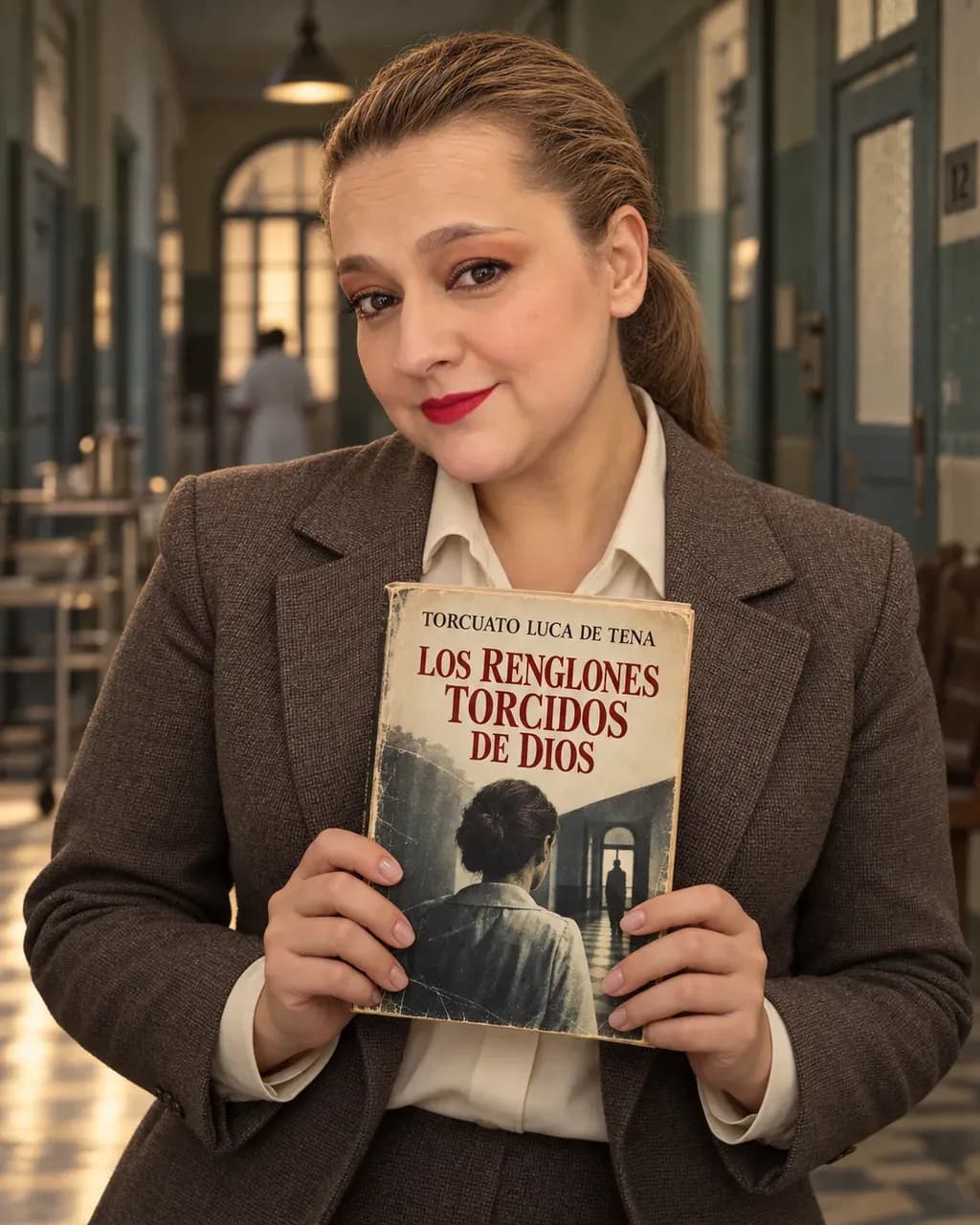
Torcuato Luca de Tena
God's Crooked Lines
God's Crooked Lines by Torcuato Luca de Tena: who gets to decide who is sane?
Alice Gould enters a psychiatric institution with a story of her own. The hospital has another version. That is where the novel starts asking a question institutions would rather keep in their paperwork: who gets to name someone sane, and what happens when the person holding the file is wrong?
October 26, 2026
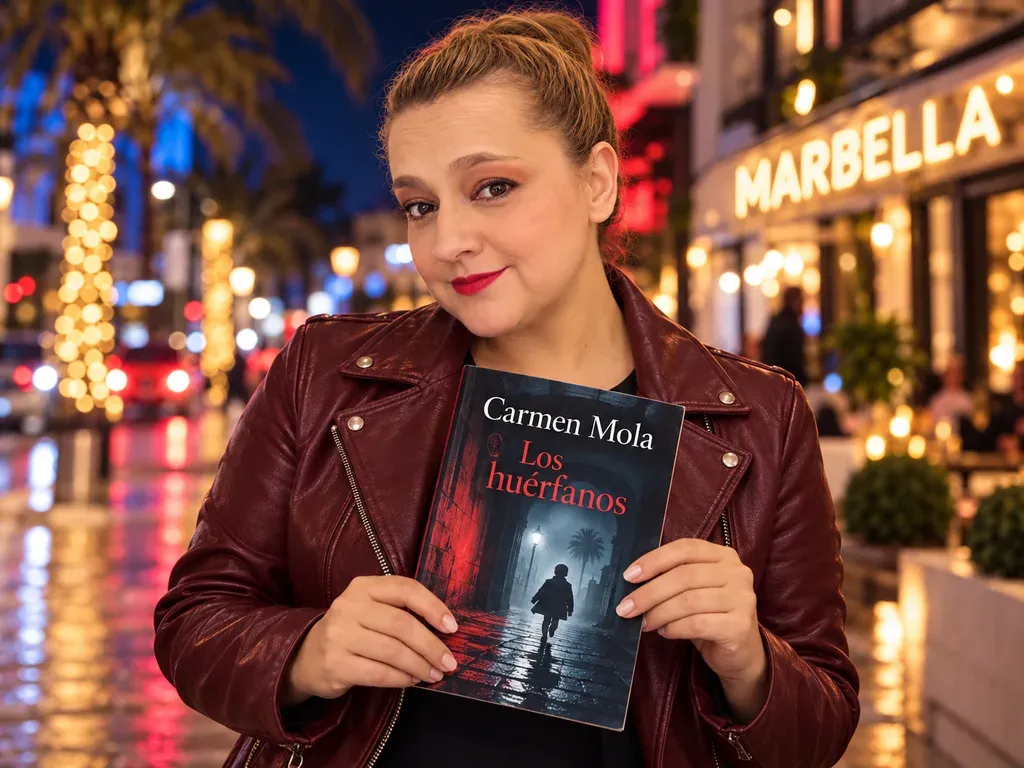
Carmen Mola
The Orphans
The Orphans by Carmen Mola: abandoned children grow into crime bosses. What a hell of a career path
Three children meet in Belfast, build a family out of survival and grow into adults who have learned how to make money from crime. Years later, a case pulls Laura Pastor and her family into a world where loyalty is real, but so are the bullets. The title sounds sad; the career path is considerably worse.
October 25, 2026
Want more like this? Join the Readers Club and get one of my books for free.
Share
My books
Books by Yenny Astrid Londoño



About the author
Yenny Astrid Londoño
Yenny Astrid Londoño is a Colombian author and entrepreneur, founder of Anchetas Medellín. She writes about real life with sarcasm, irony and smart humor, turning everyday situations, mistakes and imperfect relationships into stories that readers can laugh at and recognize themselves in.

A free book from me
Get a free book from me
Subscribe and get Sobreviviendo a mis muertos in full as a PDF.
After that, I'll only write when I have something worth telling you.
Also available: Read this review in Spanish →